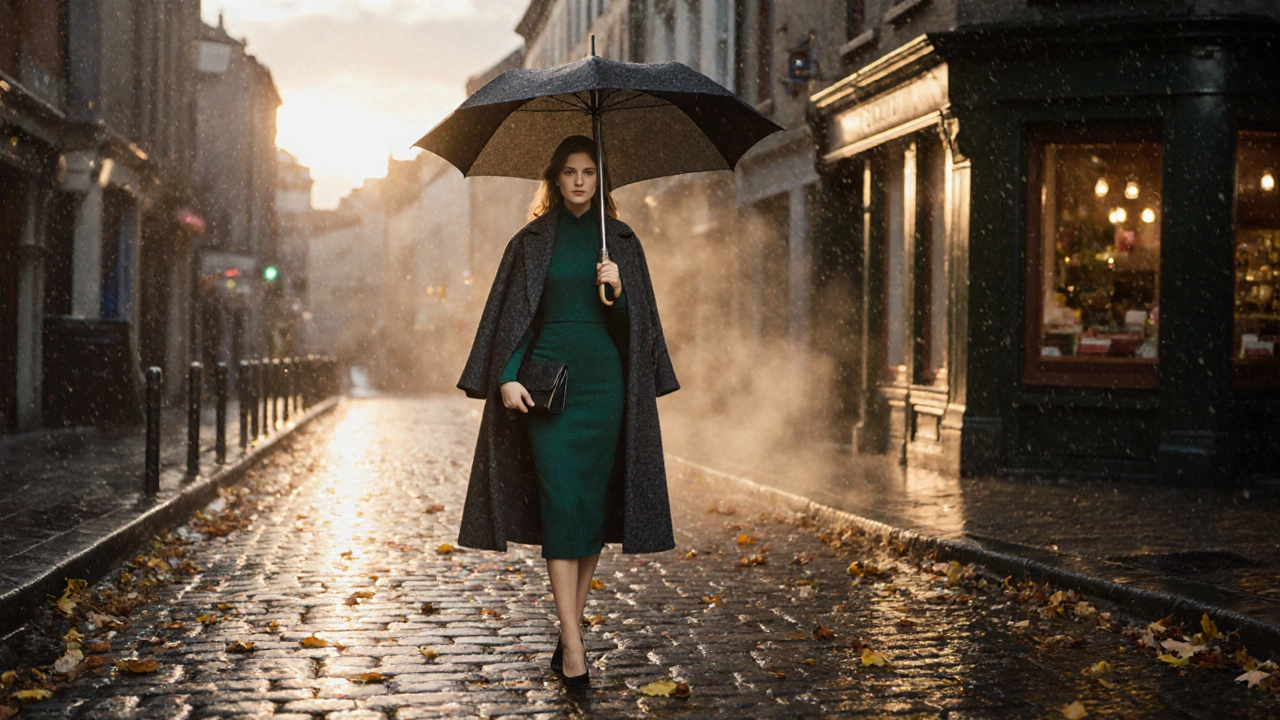
Irish Social Dress Code
When it comes to Irish social dress code, the unwritten rules of what to wear in everyday life across Ireland, shaped by climate, culture, and practical necessity. Also known as Irish everyday fashion, it’s not about looking trendy—it’s about staying dry, warm, and able to walk five miles without your feet falling off. You won’t find many people in high heels on a Tuesday morning in Galway. You won’t see someone in thin cotton pants during a November downpour in Cork. This isn’t fashion commentary. It’s survival.
The Irish weather, the relentless, damp, windy climate that defines life on the island. Also known as Atlantic weather, it doesn’t care if you bought the latest designer coat. It will soak through it, chill you to the bone, and make you regret not bringing a proper jacket. That’s why the real wardrobe staples aren’t from Paris or Milan—they’re from Clarks, Muck Boots, and local Irish brands that have been tested in rain for decades. A casual footwear Ireland, the type of shoes Irish people actually wear daily, designed for wet pavements, muddy fields, and long commutes. Also known as runners, it’s not called sneakers here—it’s runners, because you run to the bus, run to the shop, run from the rain. People don’t buy shoes for looks. They buy them for how they feel after standing all day on wet concrete.
It’s the same with jackets. A jacket, an essential outer layer in Ireland, not for style but because the wind and rain demand it. Also known as waterproof outerwear, it’s often waxed cotton, wool, or Gore-Tex—nothing light, nothing thin. You’ll see grandmas in Aran sweaters with waterproof vests. You’ll see nurses in Crocs because they’re slip-resistant and easy to hose down. You’ll see 70-year-old men in waterproof trousers and sturdy boots, walking the dog in January. This isn’t a trend. It’s a routine. And it’s the same whether you’re in Dublin, Derry, or Donegal.
The Irish social dress code doesn’t change with seasons—it changes with conditions. Summer doesn’t mean shorts. It means a light, breathable dress you can layer under a windproof shell. Winter doesn’t mean puffer coats—it means multiple layers that trap heat without bulk. Even formal events follow the rules: a cocktail dress? Fine—but you’ll need waterproof boots under the table. A grey suit? Perfect for interviews and funerals alike, because it’s quiet, professional, and doesn’t scream "I’m trying too hard."
What you won’t find? People wearing Hey Dudes on a hike. Or flip-flops in the city in October. Or leather shoes without waterproofing. These aren’t fashion faux pas—they’re practical mistakes. The Irish don’t judge style. They judge whether you’re prepared.
Below, you’ll find real stories from real Irish people about what they wear, why they wear it, and what happens when they get it wrong. From school uniforms that cost a fortune to why nurses choose Crocs, from how to pick summer dresses that don’t look washed out under cloudy skies to why trainers have heels now. This isn’t about looking good. It’s about living well—in a country where the weather doesn’t take a day off.