Sneaker Trends in Ireland: What Are They Called and What’s Changing?
Discover what sneakers are called in Ireland, how names change across regions and generations, and why sneaker culture is booming from Dublin to Cork.
When people talk about Irish sneaker culture, the everyday footwear worn by millions across Ireland’s towns and cities. Also known as runners, it’s not about flashy logos or viral trends—it’s about surviving the weather, the pavement, and the long walks between pubs, schools, and work. In Ireland, your shoes don’t just match your outfit—they protect you from Atlantic storms, muddy fields, and wet sidewalks that never dry. This isn’t fashion. It’s survival.
What you’ll find in Irish wardrobes isn’t the same as in New York or Tokyo. Here, a pair of runners, the local term for casual trainers built for constant walking and wet conditions is the default. Brands like Clarks, ECCO, and even Thursday Boots aren’t chosen for their Instagram appeal—they’re picked because they grip wet cobbles, don’t soak through after a 20-minute walk, and last longer than the Irish summer. Casual footwear Ireland, a category defined by practicality over style means no thin soles, no flimsy uppers, and no zero-tread soles. If it can’t handle a sudden downpour or a muddy path from the bus stop to the door, it doesn’t make the cut.
Even the language reflects this. You won’t hear someone say "I bought new trainers"—they’ll say "I got new runners." That word, runners, carries weight. It’s not just a name—it’s a promise. These shoes are meant for moving. For walking the dog in Galway rain. For standing all day in a hospital in Cork. For chasing kids through puddles in Dublin. They’re worn by nurses, teachers, grandparents, and teenagers alike. And while global brands like Nike and Lululemon have their place, they’re often chosen for their weather-ready materials, not their hype. The real stars? The ones that stay dry, stay comfortable, and don’t fall apart after three months.
There’s no secret formula. No influencer trend driving this. Just generations of people learning what works. Thick soles. Water-resistant fabric. Good arch support. A snug fit that doesn’t pinch. And yes—sometimes, even a little heel lift to help with uneven ground. That’s the Irish sneaker culture in a nutshell: quiet, tough, and endlessly practical. What follows are real stories from real Irish lives—the kind of posts that show you why some shoes become legends, why others get tossed after a season, and how the right pair can turn a bad day into something bearable. You’ll learn what to buy, what to avoid, and why your feet will thank you.
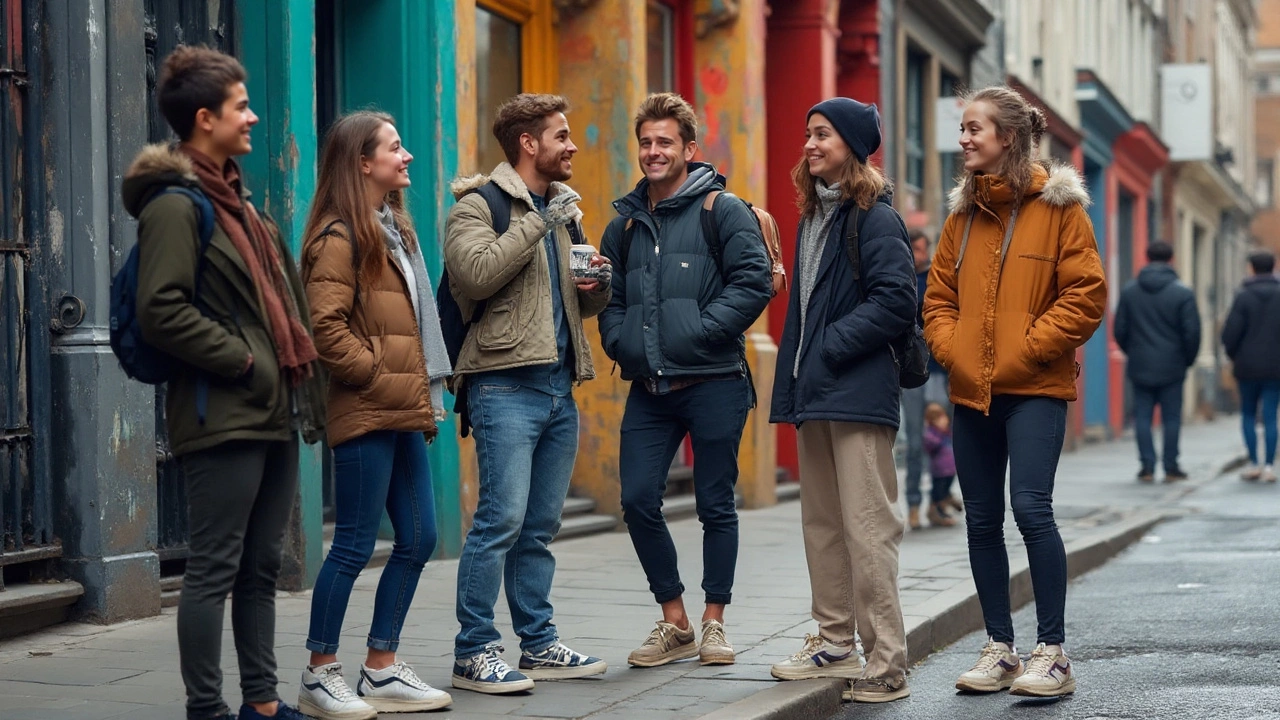
Discover what sneakers are called in Ireland, how names change across regions and generations, and why sneaker culture is booming from Dublin to Cork.