How to Spot High‑Quality Leather Shoes - Irish Guide
Learn how to identify high‑quality leather shoes in Ireland with a step‑by‑step guide, local buying tips, care advice and a handy comparison table.
When you think of Irish leather shoes, sturdy, water-resistant footwear designed for wet terrain and long days on uneven ground. Also known as Irish work boots or weatherproof leather footwear, they’re not chosen for looks alone—they’re chosen because the ground doesn’t dry out. In Ireland, leather isn’t just a material; it’s a shield. The kind of leather used here is thicker, treated differently, and often lined for warmth. It’s not the same as the polished dress shoes you’d see in a city like London or New York. These are shoes that live outside—through puddles, boggy fields, and wet sidewalks that never fully dry.
What makes Irish leather shoes, sturdy, water-resistant footwear designed for wet terrain and long days on uneven ground. Also known as Irish work boots or weatherproof leather footwear, they’re not chosen for looks alone—they’re chosen because the ground doesn’t dry out. stand out is how they handle the climate. Unlike shoes designed for dry heat or indoor use, Irish leather shoes are built to resist moisture without sacrificing comfort. Brands like Clarks, Aigle, and local makers use oil-tanned leather that doesn’t crack in cold, damp air. They often have rubber soles with deep treads—not for fashion, but to grip slippery cobbles and muddy paths. You’ll see them worn by farmers, nurses, teachers, and retirees alike. It’s not a trend. It’s survival.
And it’s not just about the leather. The stitching matters. The heel height? It’s low—usually under an inch—because high heels don’t work on wet stones. The fit? Snug but not tight, because swollen feet from all-day standing need room. You won’t find many Irish leather shoes with thin insoles. They’re padded, often with memory foam or cork, to take the pressure off joints after hours on hard floors or trails. This is footwear shaped by necessity, not runway trends.
Related to this are waterproof boots, footwear designed to keep feet dry in wet conditions, commonly used in Ireland’s rainy climate, which often overlap with leather shoes but include rubber or synthetic materials. Then there’s foot health, the condition of the feet, especially in relation to footwear that supports posture and reduces strain during daily movement. In Ireland, bad shoes mean sore feet, bad knees, and missed days. That’s why people here don’t just buy shoes—they research them, test them, and stick with what works.
What you’ll find in the posts below isn’t a list of brands or sales pitches. It’s real talk from people who live with these shoes every day. You’ll learn why Thursday boots are snug in Ireland, why nurses wear Crocs instead of leather, and how even a simple pair of runners can outlast expensive imported boots in wet weather. You’ll see what colors work best on Irish skin under cloudy skies, how older men choose footwear that lets them stay active, and why some people swear by leather while others avoid it entirely. This isn’t about fashion. It’s about walking—every single day—without pain, without wet socks, and without giving up.
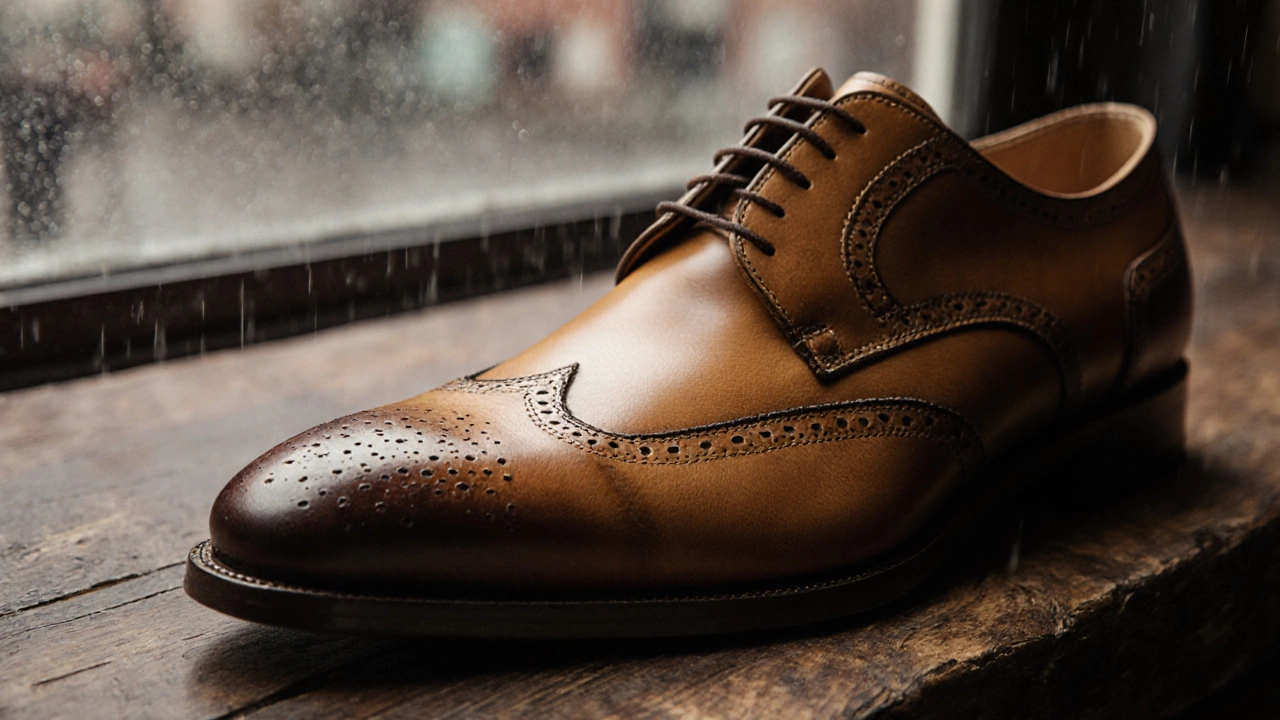
Learn how to identify high‑quality leather shoes in Ireland with a step‑by‑step guide, local buying tips, care advice and a handy comparison table.