Irish Laundry
When you live in a country where it rains 200+ days a year, Irish laundry, the daily practice of washing, drying, and caring for clothes in a persistently damp climate. Also known as wet-weather laundry, it’s not a chore—it’s a survival skill. You don’t just wash clothes here. You fight mold, battle mildew, and learn which fabrics dry fast enough to wear tomorrow. A hoodie left on the line at 5 p.m. might still be dripping at 8 a.m. The washing machine doesn’t fix the weather—it just gets you one step closer to dry socks.
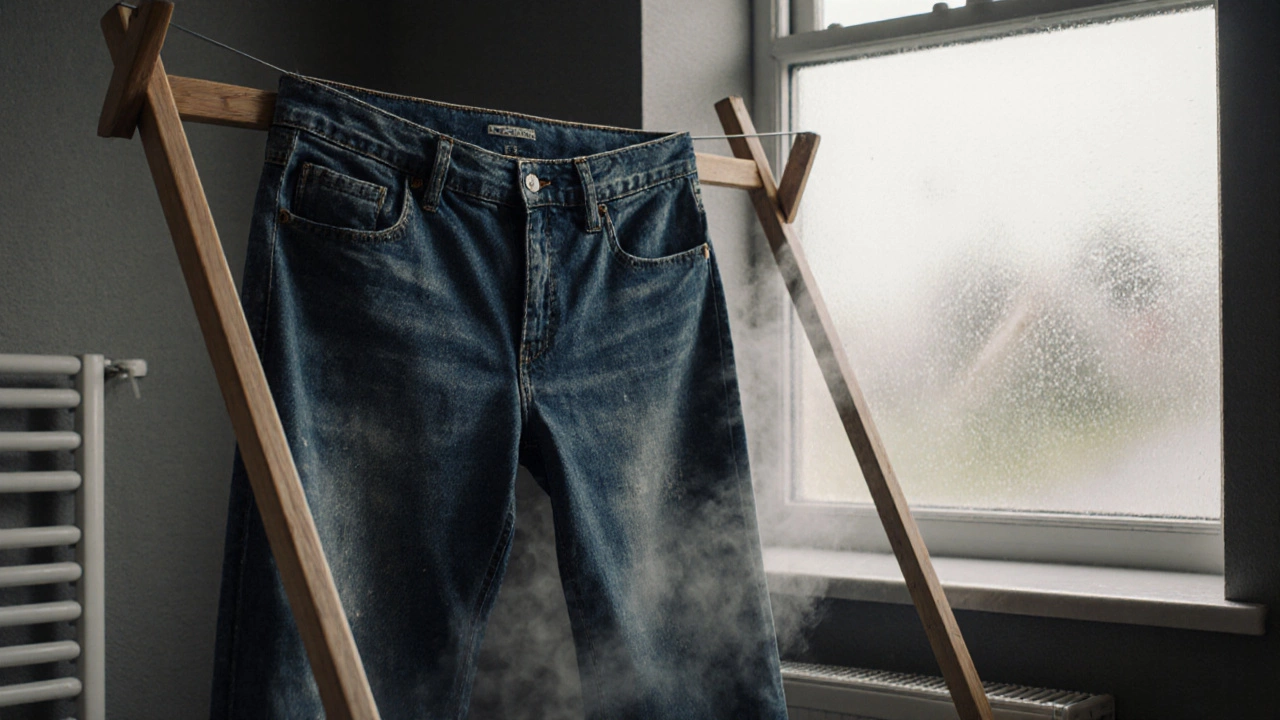
Irish laundry requires indoor drying racks, the essential tool for managing wet clothes when the sky won’t clear. Also known as tumble dryers, but most homes skip them for cost and energy reasons. You’ll see them everywhere—over bathtubs, across living rooms, behind doors. Even in Dublin apartments, you’ll find socks hanging from curtain rods. And then there’s the fabric choice, what you buy matters more than how you wash it. Cotton soaks up moisture and takes forever. Merino wool? It dries fast, resists odor, and stays warm even when damp. That’s why Irish families buy fewer clothes—but they last longer and work harder. You don’t need 20 t-shirts. You need three that won’t turn into sponges by lunchtime.
Washing machines in Ireland aren’t just for cleaning—they’re for prepping gear for the next storm. Muck boots, waterproof jackets, hiking trousers—they all need special care. You learn not to use fabric softener on waterproof layers. You avoid high heat on synthetic insulation. You air-dry trainers instead of shoving them in the dryer and ruining the glue. And you never, ever leave wet clothes in a pile. That’s how you get a whole wardrobe smelling like a damp cellar.
There’s no magic trick. No secret product. Just experience. You learn from your mum, your neighbor, the guy at the local hardware store who sells clotheslines by the dozen. You find out that hanging clothes near a radiator works—but only if you turn them every few hours. You discover that a dehumidifier in the hallway cuts drying time in half. You stop buying cheap polyester that pills after two washes and start investing in brands that actually make clothes for wet weather.
The posts below aren’t about laundry detergent brands or fancy gadgets. They’re about the real, daily reality of keeping clothes clean, dry, and wearable in a place where the sun is a guest, not a regular. You’ll read about why runners (not trainers) are the go-to shoe in Ireland—and how to dry them without ruining the sole. You’ll see why nurses wear Crocs, and how that ties into cleaning and durability. You’ll learn how to choose summer dresses that don’t cling when it drizzles, and why Levi’s jeans never really left Irish wardrobes. It’s all connected. Because in Ireland, what you wear isn’t just about style. It’s about surviving the weather. And that starts with how you handle your laundry.