Irish Fashion: Practical Style for Rain, Wind, and Real Life
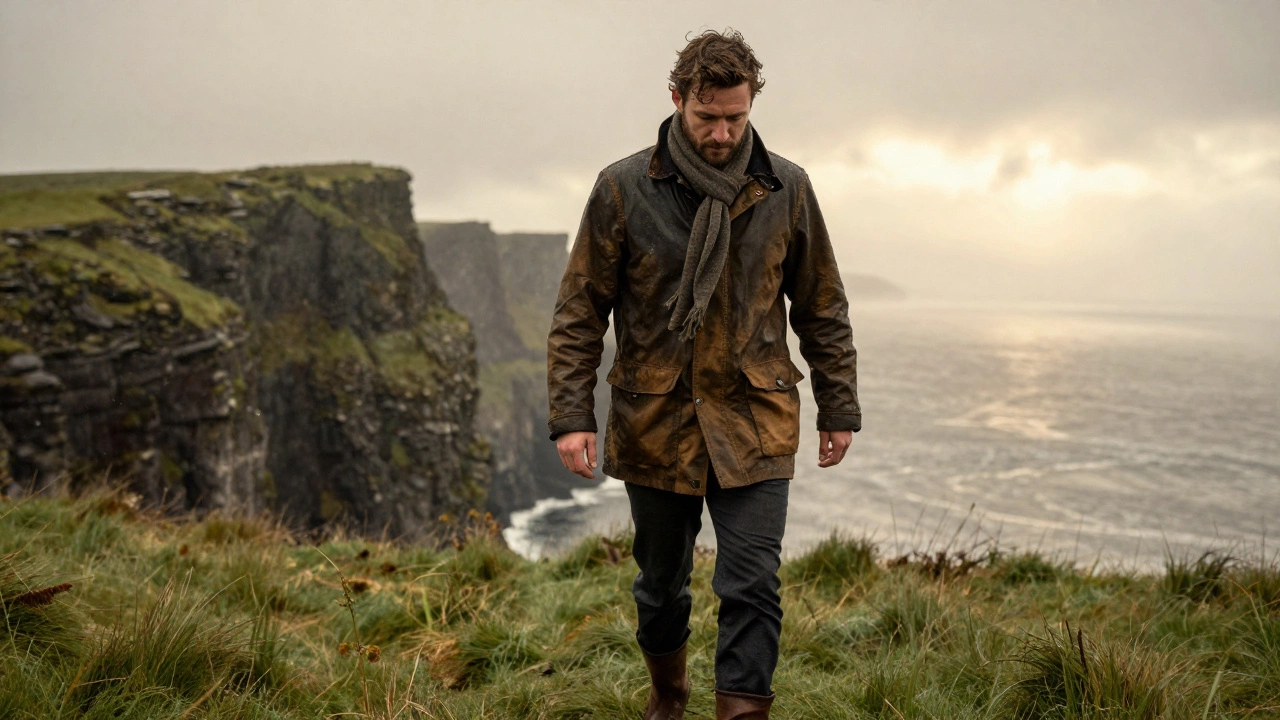
When people talk about Irish fashion, a style defined by weather resistance, durability, and quiet confidence rather than trends. Also known as practical Irish style, it’s what you wear when the rain doesn’t care if you’re dressed for a magazine shoot. This isn’t fashion in the Paris or Milan sense. It’s what you pull on before stepping out the door—because in Ireland, your clothes have one job: keep you dry, warm, and able to walk across wet cobblestones without falling.
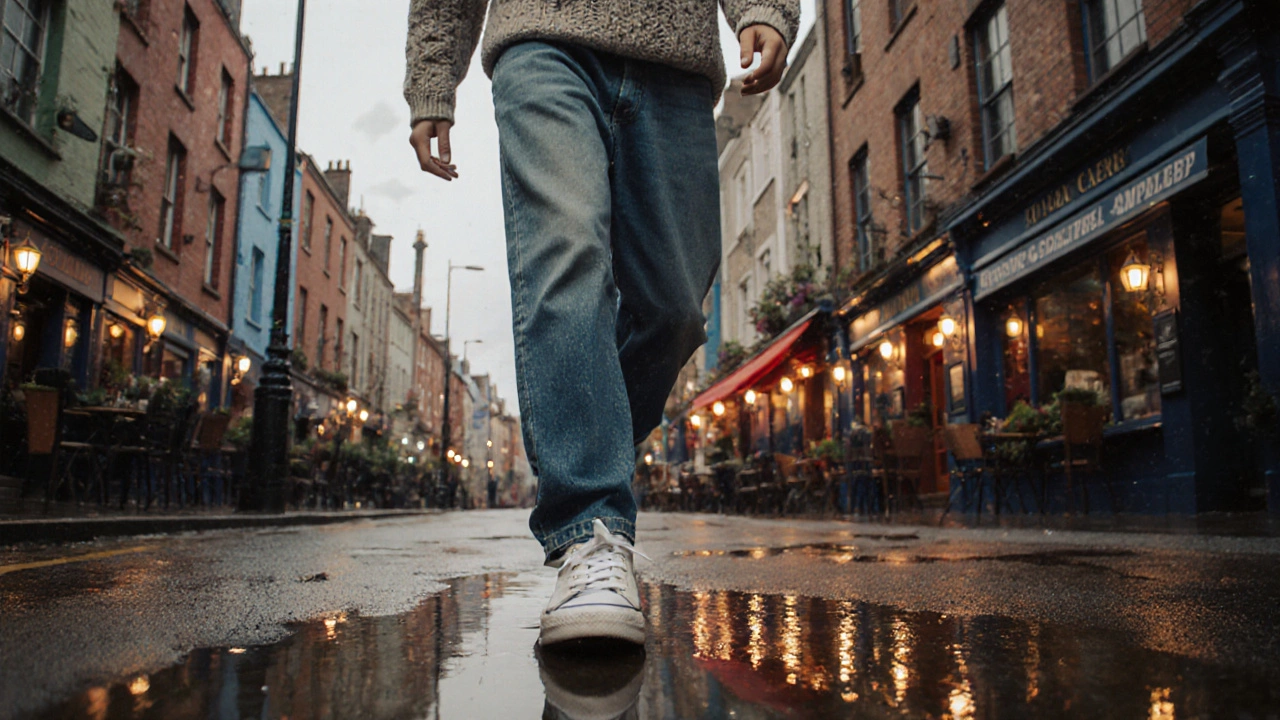
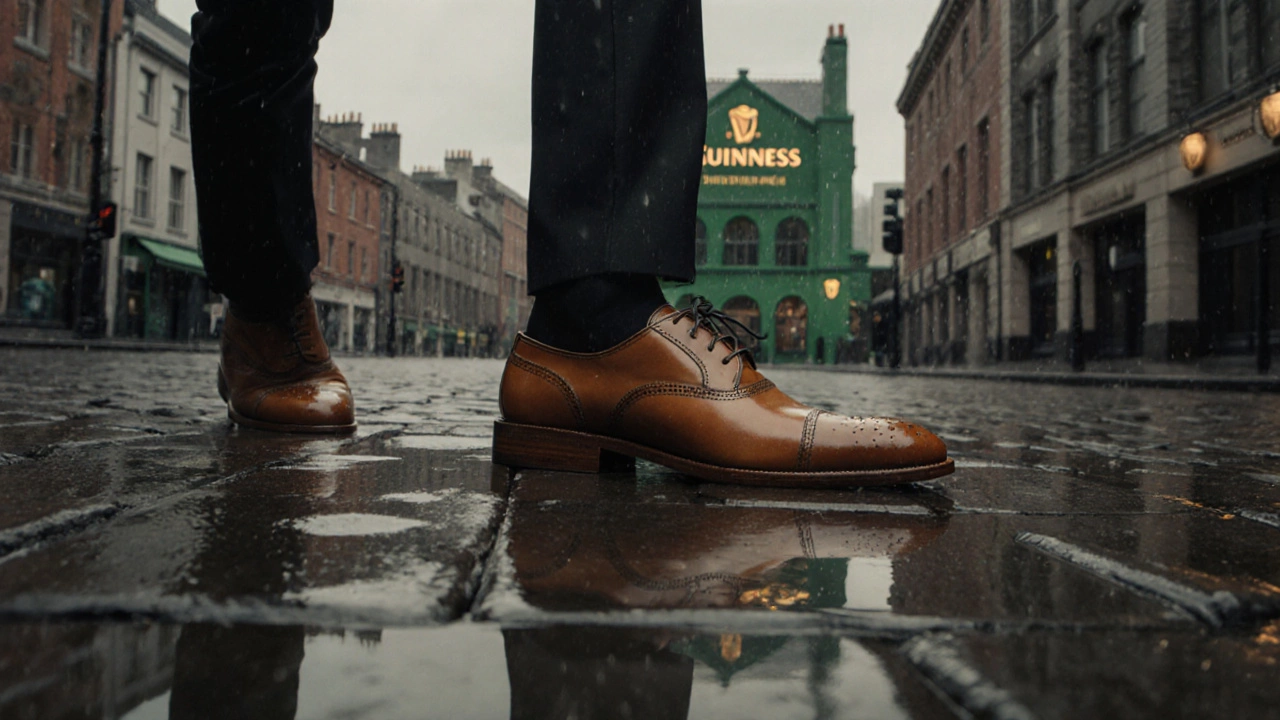
That’s why Irish footwear, shoes and boots built for mud, puddles, and long shifts on hard floors. Also known as runners, they’re not just sneakers—they’re survival gear. You won’t see many people in flimsy sandals or thin-soled loafers here. Instead, you’ll spot Crocs on nurses, Thursday boots on commuters, and Clarks slippers in kitchens. Footwear in Ireland isn’t optional—it’s medical advice. And it’s not just about comfort. A bad pair of shoes can mean days off work, sore knees, or worse. That’s why people here buy for function first, style second—if at all.
Sportswear Ireland, clothing designed for movement in wet, windy conditions, not gym selfies. Also known as activewear for real life, it’s what you wear hiking the Wicklow Way, walking the dog in Galway, or rushing to the hospital at 6 a.m. It’s not about lycra or neon colors. It’s about merino wool that still works after ten washes, jackets that don’t leak at the seams, and jeans that don’t shrink in the dryer. You’ll find Lululemon here—not because it’s trendy, but because it holds up in Atlantic storms. You’ll see Levi’s not because they’re iconic, but because they last.
And then there’s casual wear Ireland, the everyday clothes that blend simplicity with resilience. Also known as Irish minimalism, it’s the quiet uniform of people who don’t have time for fuss. Think cotton tees that don’t fade after one wash, cardigans that don’t pill, and dresses that can handle a sudden downpour without looking messy. It’s not about looking expensive—it’s about looking put together after five hours of rain and wind. That’s why Irish women over 60 wear knee-length dresses with ankle boots. Why 70-year-old men choose waterproof jackets over tailored suits. Why nurses wear Crocs and teachers wear runners.
And yes, sustainability matters here—not because it’s trendy, but because you can’t afford to replace things every season. When Nike stopped using leather, Irish shoppers didn’t shrug. They nodded. They already knew: if it’s not built to last, it’s just clutter. The same goes for school uniforms, jeans, and even summer dresses. In Ireland, fashion isn’t about what’s new. It’s about what still works tomorrow.
What you’ll find below isn’t a list of trends. It’s a collection of real answers from real people who live here. Why do trainers have heels? Because wet streets need grip. Why do nurses wear Crocs? Because their feet don’t get a break. What’s the difference between a cocktail dress and an evening gown? In Ireland, it’s whether it’s warm enough for the car ride home.