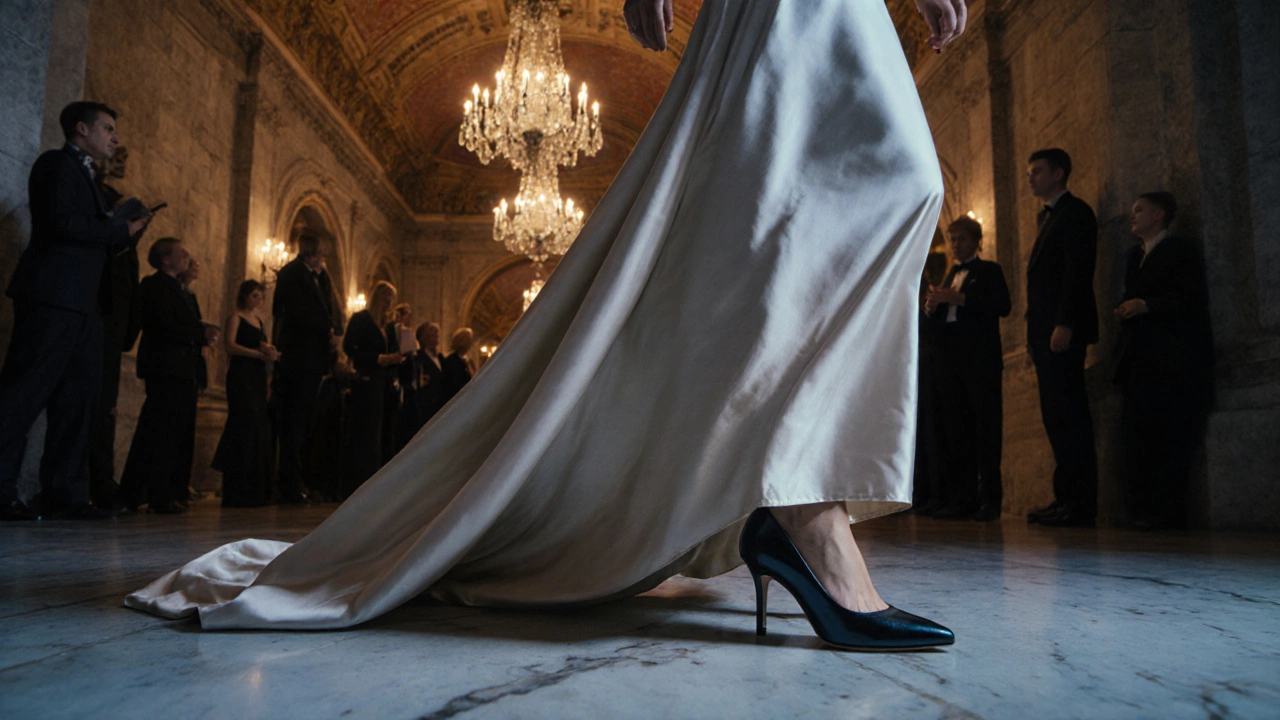
Irish Evening Wear: What to Wear for Formal Events in Ireland
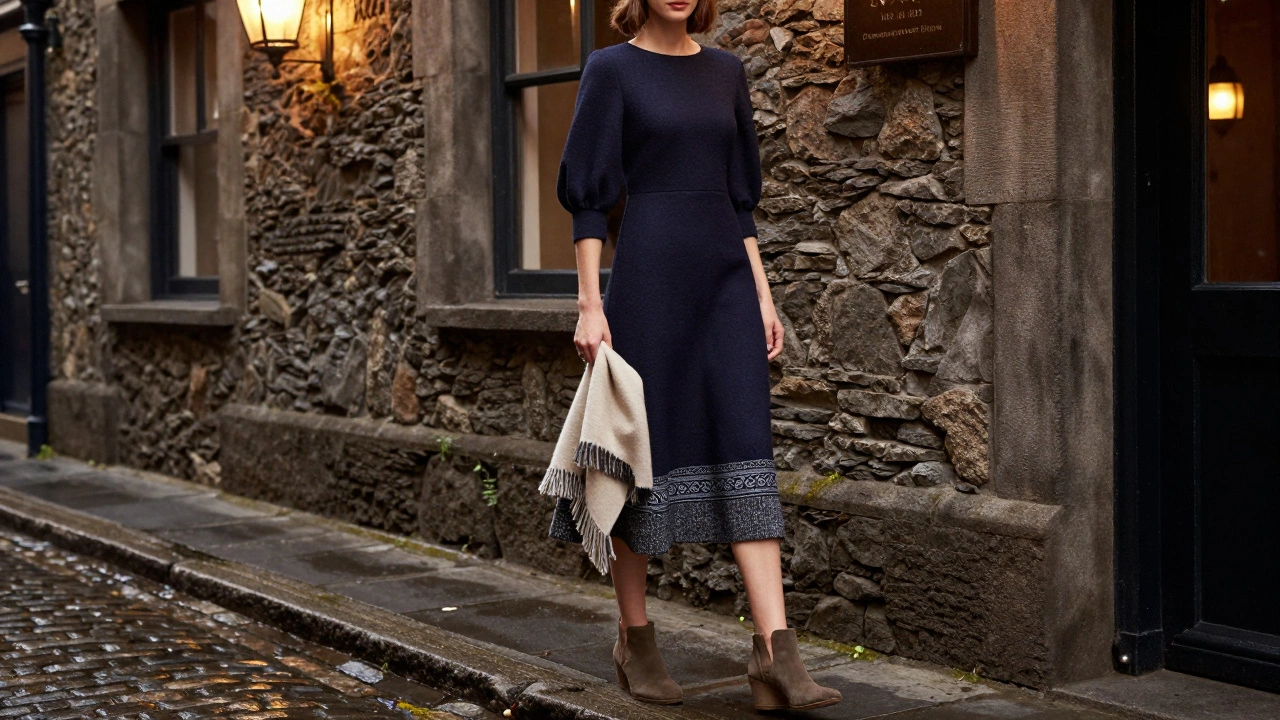
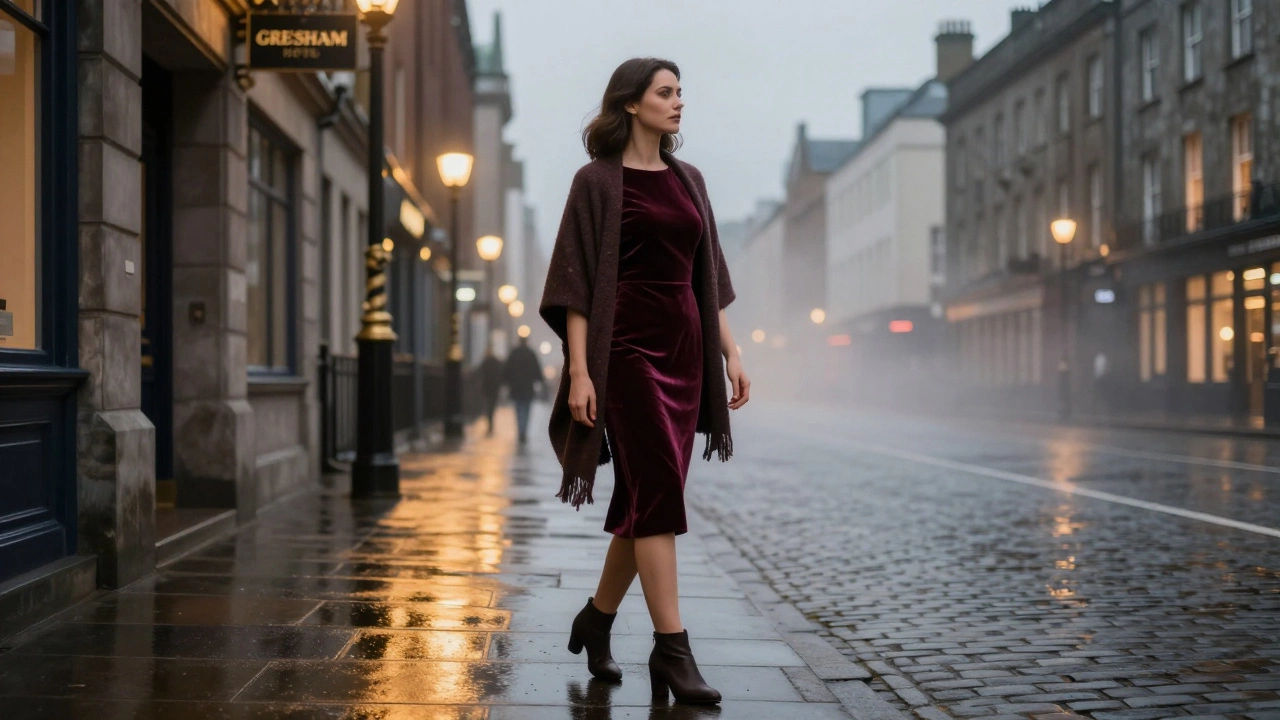
When it comes to Irish evening wear, formal clothing designed for Ireland’s unpredictable climate and social settings. Also known as smart evening wear, it’s not about glitz—it’s about staying dry, warm, and confident while navigating cobblestones, rain-slicked sidewalks, and chilly ballrooms. Unlike places where evening events mean silk gowns and open-toed heels, here, elegance means wool blends, ankle boots, and layers that don’t quit when the weather turns.
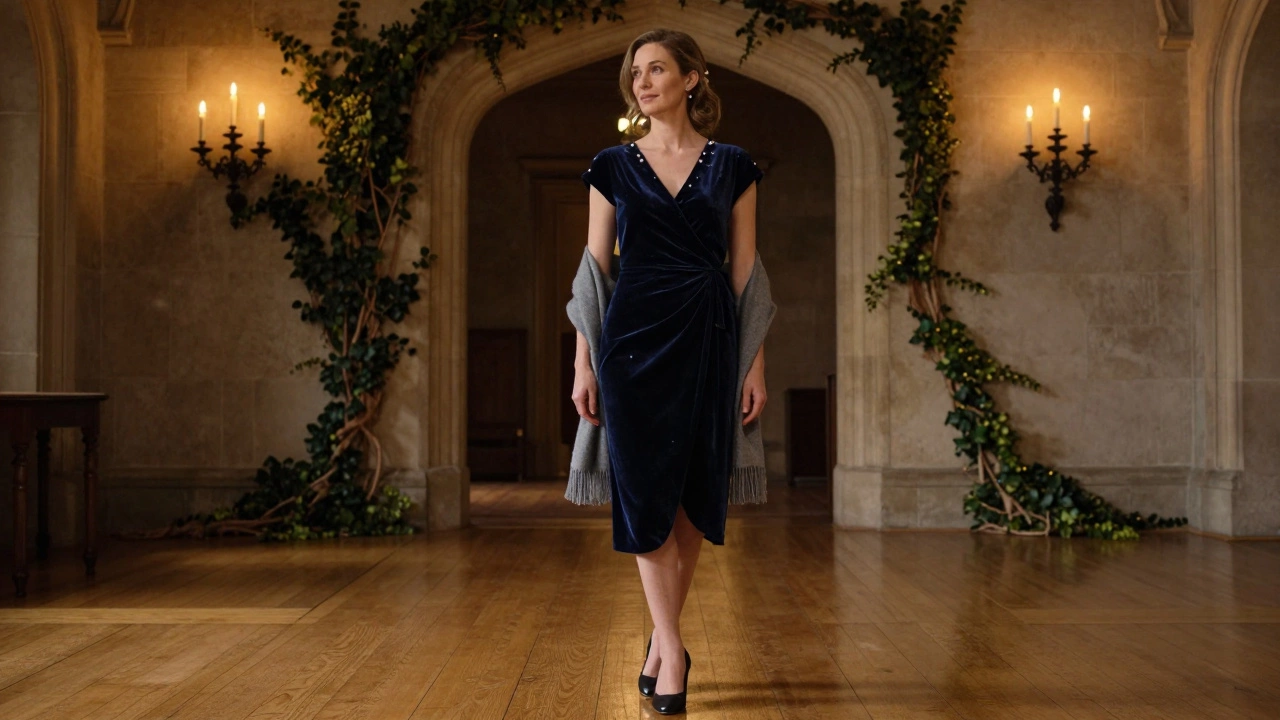
Evening dresses, the centerpiece of formal Irish attire. Also known as smart evening wear, it’s not about following trends—it’s about choosing fabrics that breathe but don’t soak up moisture. Think merino wool, structured cotton blends, and water-resistant finishes. You won’t see many Irish women in chiffon at a Galway wedding. You’ll see them in tailored sheaths with hidden thermal linings, paired with waterproof ankle boots that look like they belong in a boutique, not a mud puddle. The same goes for men: a grey suit, a staple of Irish formal and business attire. Also known as Irish business attire, it’s not just a color choice—it’s a practical one. Grey hides rain stains, reflects soft Irish daylight, and pairs effortlessly with waterproof overcoats and sturdy leather shoes. Even at upscale dinners in Dublin, you’ll spot someone adjusting their scarf or tucking a foldable umbrella under their chair. That’s not awkward—it’s normal.
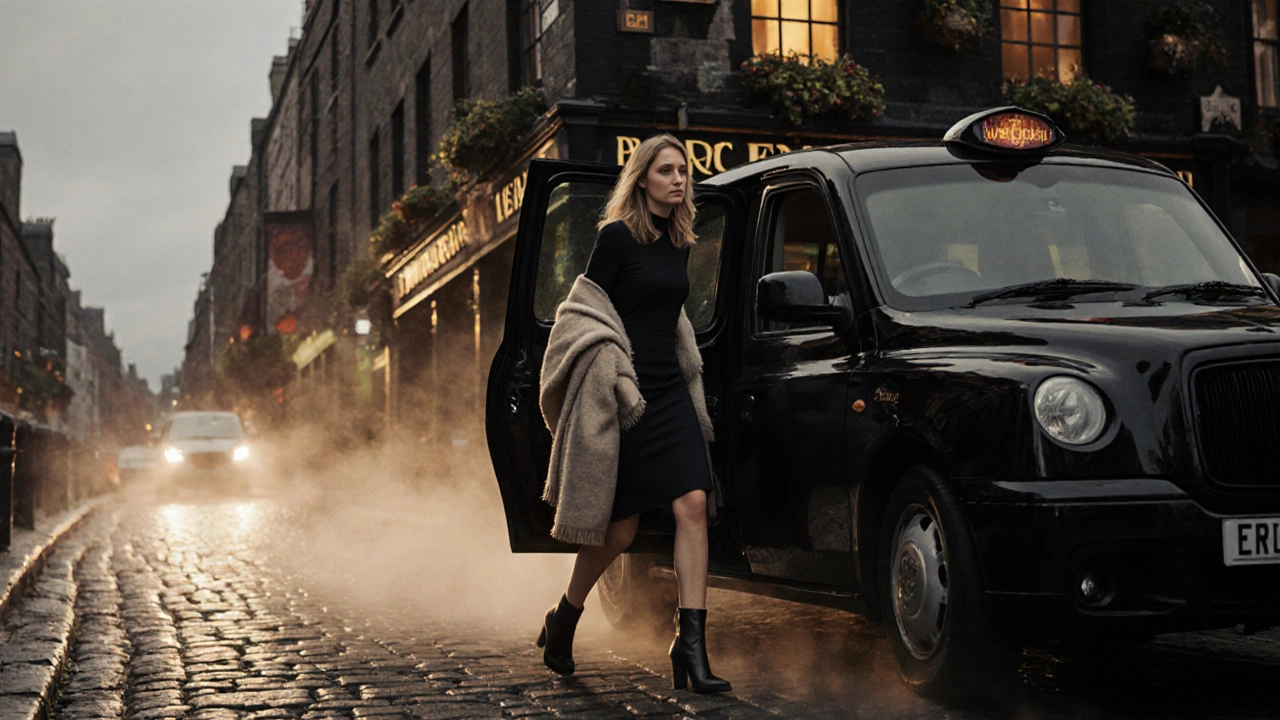
Irish evening wear doesn’t ignore comfort. It builds it in. Heels? They’re low, stable, and often made with rubber soles. Dresses? They’re knee-length or longer, because wind doesn’t care how stylish your hemline is. Shoes? Crocs aren’t for nurses only—many women switch to them after the cocktail hour. And no one blinks when someone brings a compact, foldable raincoat to a gala. It’s not a fashion statement. It’s survival.
What you won’t find in Irish evening wear is anything that can’t handle a sudden downpour or a walk from the car to the venue in wet grass. No thin silk, no flimsy straps, no bare legs in January. The rules aren’t written down, but everyone knows them: look polished, stay dry, move easily. That’s the Irish standard.
Below, you’ll find real advice from people who live this. Whether you’re wondering if a knee-length dress still works after 60, what shoes pair with a grey suit in Cork, or why nurses wear Crocs to work and then to dinner—this collection has the answers. No theory. No trends. Just what works in Ireland, night after night, rain or shine.