How to Spot High‑Quality Leather Shoes - Irish Guide
Learn how to identify high‑quality leather shoes in Ireland with a step‑by‑step guide, local buying tips, care advice and a handy comparison table.
When you’re buying leather in Ireland, you’re not just buying a material—you’re buying quality leather, a durable, natural material that withstands rain, mud, and daily wear. Also known as genuine leather, it’s the only kind that lasts through Irish winters without cracking or peeling. Too many people pay premium prices for leather that looks good in the store but falls apart after a few wet walks. The truth? Real quality leather doesn’t shine too brightly, doesn’t smell like chemicals, and doesn’t stretch out after a month. It gets better with age—if you know what to look for.
Start by checking the edge. If it’s painted or coated to look smooth, it’s probably bonded or faux leather. Real genuine leather, the full-grain or top-grain kind used in sturdy boots and jackets has a rough, fibrous edge you can feel with your fingers. Press your thumbnail into the surface—genuine leather will dent slightly and bounce back. Fake leather either doesn’t move at all or leaves a permanent mark. Look at the grain too. Real leather has natural marks, scars, and variations. If it looks too perfect, like a printed pattern, it’s not real. And smell it. Real leather has that rich, earthy scent of tanned hide. If it smells like plastic or perfume, walk away.
Then there’s the leather durability, how well it holds up under constant exposure to wet ground, rain, and cold. In Ireland, your boots see more mud than pavement. A good pair of leather boots won’t just repel water—they’ll breathe with you. Check the stitching. Tight, even stitches with waxed thread mean the maker cared. Loose threads or glue holding parts together? That’s a red flag. And don’t trust the word "full-grain" unless you can see proof. Ask where it came from. Leather from tanneries in Italy, Germany, or the UK tends to be better treated than cheap imports that fall apart after one season.
Leather care isn’t optional here. Even the best leather care, the routine of cleaning, conditioning, and protecting leather in damp climates makes a huge difference. A good balm applied twice a year keeps leather soft and prevents cracking. Skip the spray-on waterproofers—they trap moisture inside. Use a natural wax or oil instead. You’ll notice the difference when your boots still look good after three winters, while everyone else’s are falling apart.
What you’re really looking for is value, not just price. A pair of boots made with real leather might cost more upfront, but if they last five years instead of two, you’re saving money. You’re also avoiding the landfill. In Ireland, where the weather demands toughness, you don’t want to be buying new leather every season. The best leather doesn’t just look good—it works. It protects your feet on wet cobblestones. It stays warm in a Dublin wind. It doesn’t peel when you’re rushing through a downpour. That’s the kind of leather that earns its place in your closet. Below, you’ll find real-life guides from Irish users who’ve tested these signs in the field—from muddy trails to hospital floors. They’ve learned the hard way. Let them save you the trouble.
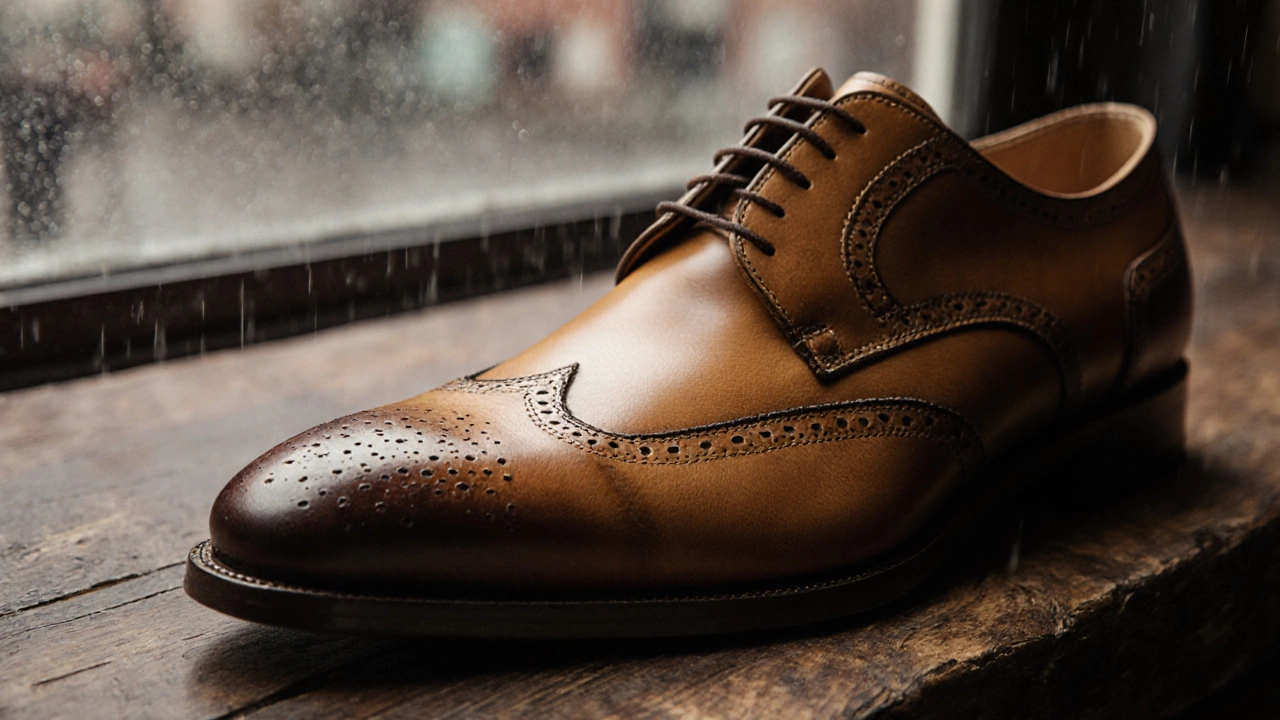
Learn how to identify high‑quality leather shoes in Ireland with a step‑by‑step guide, local buying tips, care advice and a handy comparison table.