How Long to Break In Leather Shoes in Ireland? Real Timelines, Tips & Fixes
Exact timelines to break in leather shoes in Ireland, with local tips for rain, cobbles, and commuting. Safe shortcuts, mistakes to avoid, and when to return.
When you buy a new pair of leather shoes, sturdy, natural-material footwear designed to last years with proper care. Also known as leather boots or dress shoes, they’re built to handle Ireland’s rain, mud, and uneven sidewalks—but they won’t feel right on day one. That’s normal. Leather isn’t plastic. It doesn’t stretch instantly. It molds slowly, like a good relationship—needs time, patience, and a little wear before it fits like it was made for you.
In Ireland, where people walk more than they drive, shoe fit, how well a shoe conforms to the shape of your foot without pinching or slipping isn’t just about comfort—it’s about safety. Wet cobblestones in Galway, slick pavements in Dublin, and muddy trails in Wicklow demand shoes that stay put. Too tight, and your toes go numb. Too loose, and you risk blisters or worse. Most people think leather shoes break in in a week. That’s a myth. For most, it’s 2 to 4 weeks of regular use. Not all day, every day. Just enough to let the leather soften where your foot bends—heel, ball, arch. Some folks wear them around the house with thick socks. Others take short walks. The key? Don’t push through pain. Discomfort is fine. Sharp pain isn’t.
And it’s not just about time. Irish footwear, shoes designed specifically for wet, cool, and unpredictable weather conditions common across Ireland often have thicker soles, stiffer uppers, and reinforced heels. That means they take longer to bend. Brands like Thursday Boots, Clarks, and local makers know this. They build for durability, not instant softness. If your new pair feels like a brick at first, that’s okay. It’s supposed to. Over time, with moisture, pressure, and movement, the leather will relax. The insole will compress. The sole will grip better. That’s when they turn from new shoes into your favorite pair.
What you won’t find in most guides? How weather changes the process. In Ireland, damp air helps leather soften faster than dry climates. But constant moisture also means you can’t rush it with heat or water. Don’t put them near a radiator. Don’t soak them. Let the natural humidity do the work. And if you’re on your feet all day—nurse, teacher, delivery driver—your shoes will break in quicker than someone who wears them once a week. It’s not magic. It’s physics.
You’ll know they’re broken in when you forget you’re wearing them. When you walk into the pub, the shop, the bus, and your feet don’t scream. When you notice your toes aren’t cramped, your heel doesn’t slip, and you don’t need to lace them tighter every morning. That’s the goal. Not perfect comfort on day one. Real comfort after the grind.
Below, you’ll find real stories from Irish people who’ve lived through the break-in phase—some with horror tales, others with quiet wins. Whether you’re dealing with Thursday Boots, work shoes, or that pair of leather ankle boots you bought for weddings and walks, you’ll find advice that actually works here. No fluff. Just what happens when leather meets Irish weather, and how to make it work for you.
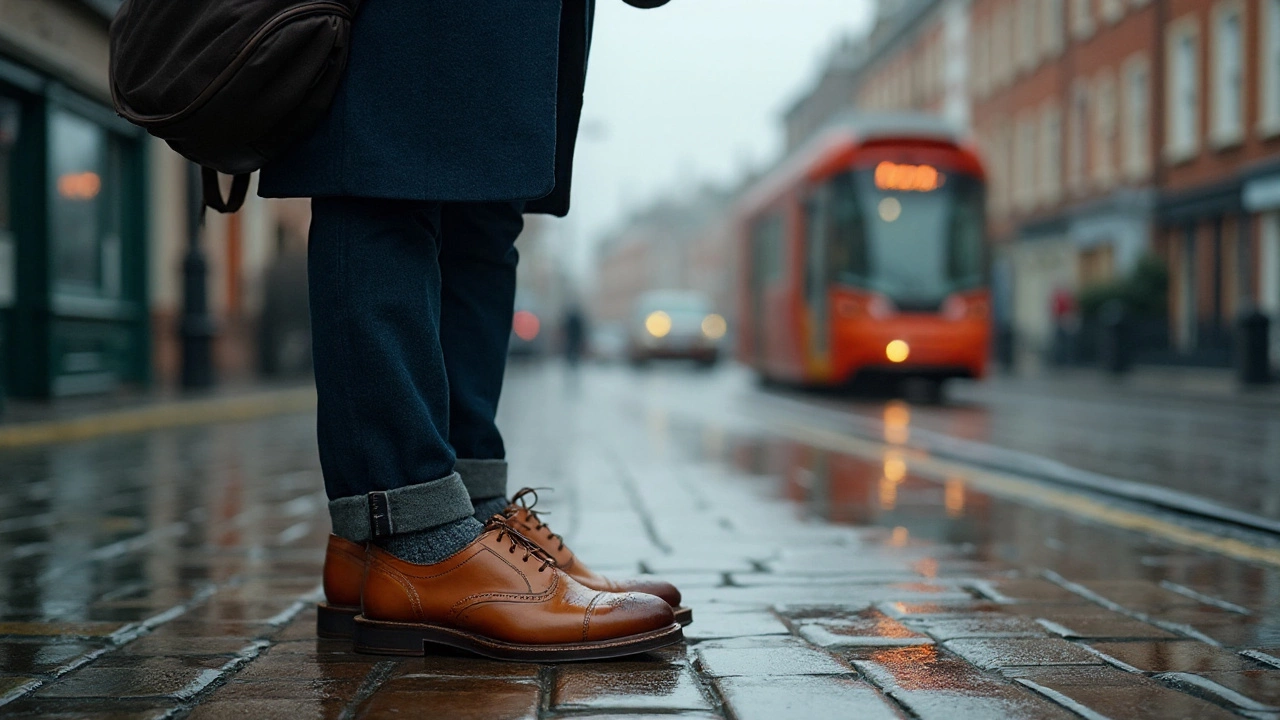
Exact timelines to break in leather shoes in Ireland, with local tips for rain, cobbles, and commuting. Safe shortcuts, mistakes to avoid, and when to return.