How to Spot High‑Quality Leather Shoes - Irish Guide
Learn how to identify high‑quality leather shoes in Ireland with a step‑by‑step guide, local buying tips, care advice and a handy comparison table.
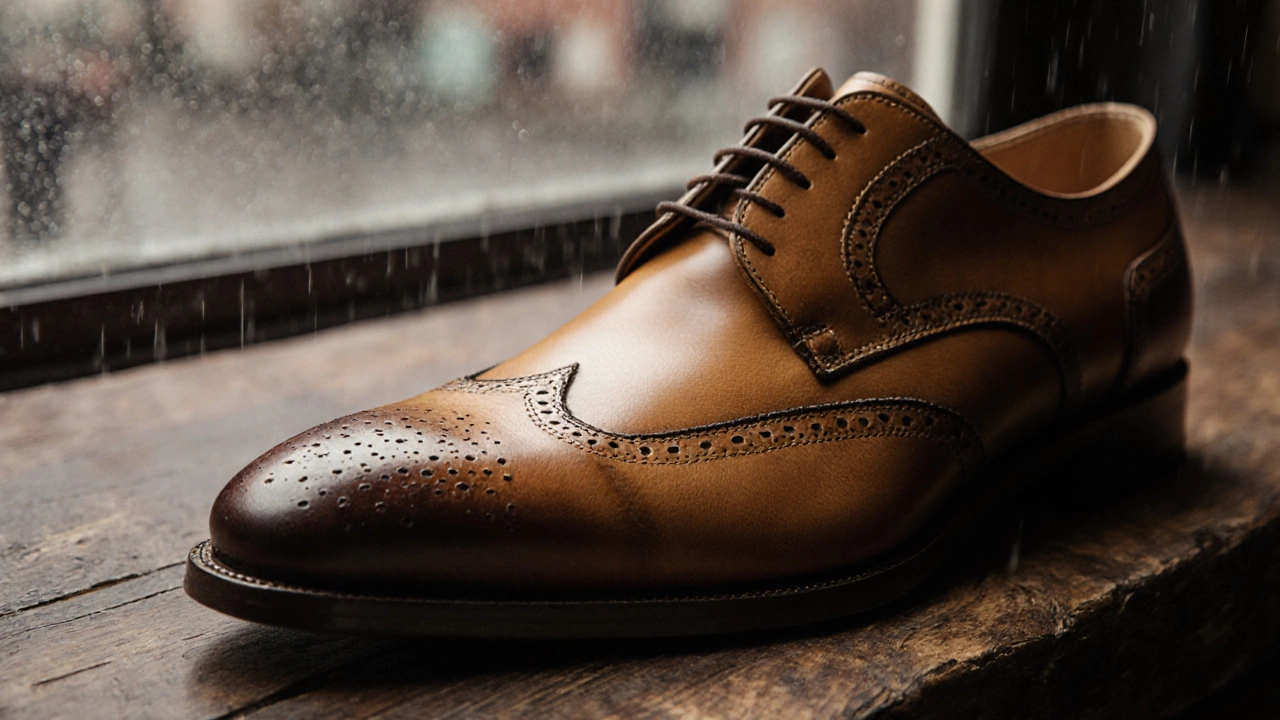
When you’re looking for high quality leather shoes, durable, well-crafted footwear designed to last years, not seasons. Also known as premium leather footwear, they’re not just a style choice—they’re a practical necessity in Ireland’s wet, unpredictable climate. Unlike cheap synthetic shoes that crack after a few months, true high quality leather shoes breathe, flex with your steps, and get better with age. In Ireland, where you’re walking through puddles, mud, and uneven cobbles every day, this matters. A pair that holds up isn’t a luxury—it’s the only thing that keeps your feet dry, supported, and pain-free through winter rains and spring slush.
These shoes don’t work alone. They’re part of a system. Irish footwear, shoes designed specifically for wet, cold, and rough terrain prioritizes grip, insulation, and water resistance over flash. That’s why brands like Clarks, Thursday Boots, and local makers focus on full-grain leather, Goodyear welting, and rubber outsoles—not just because they’re trendy, but because they survive. Then there’s durable leather boots, a subset of high quality leather shoes built for heavy use, often with thicker soles and reinforced ankles. These are what nurses, farmers, teachers, and walkers in Galway, Cork, and Dublin actually wear. They’re not bought for a single season; they’re bought to last a decade.
But here’s the catch: not all leather is equal. Some shoes use thin, treated leather that looks nice in the store but peels after one winter. Real high quality leather shoes use full-grain or top-grain leather, tanned without harsh chemicals, and stitched by hand where it counts. That’s why they cost more upfront—but save you money over time. In Ireland, where the weather doesn’t take days off, you don’t want to be shopping for new shoes every six months. You want something that gets you through the next five winters.
And it’s not just about the material. The fit matters just as much. A snug heel, enough room for your toes to move, and a sole that flexes naturally—that’s what keeps you walking without pain. That’s why Irish shoppers don’t just buy size 8. They try them on, walk around the shop, and check how they feel after ten minutes. Because in Ireland, comfort isn’t optional—it’s survival.
High quality leather shoes also tie into a bigger shift in how people think about clothes here. More folks are asking: Where did this come from? Is it made ethically? Can it be repaired? That’s why sustainable leather footwear is gaining ground. Brands that use locally sourced hides, vegetable tanning, and offer repair services are winning trust. You’re not just buying shoes—you’re investing in something that won’t end up in a landfill next year.
What you’ll find below are real stories from Irish people who’ve worn these shoes through storms, long shifts, and muddy trails. Some swear by their Thursday Boots. Others swear by a pair of Clarks they bought ten years ago. There are tips on fit, care, and where to find the best local options. No fluff. No hype. Just what works when the rain won’t stop and the ground won’t dry.
Learn how to identify high‑quality leather shoes in Ireland with a step‑by‑step guide, local buying tips, care advice and a handy comparison table.