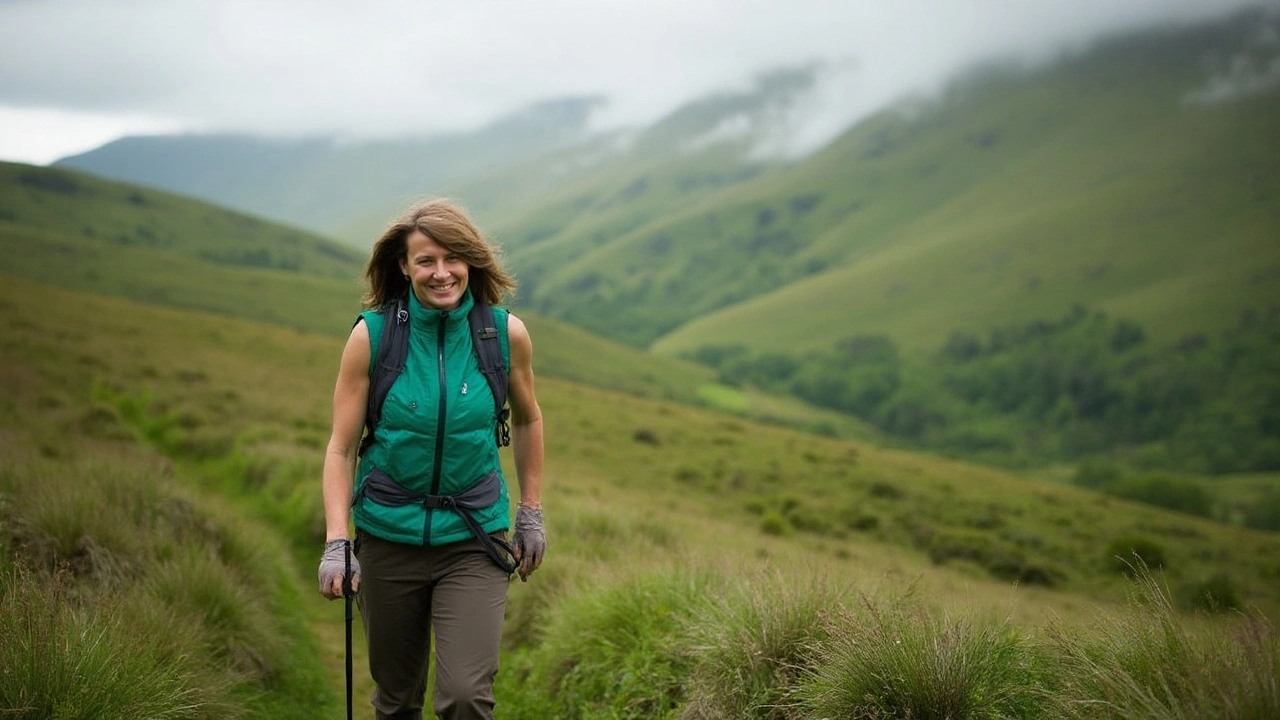
Gilet Guide: What It Is and Why Irish Outdoors People Rely on Them
When you’re out walking the hills of Wicklow, waiting for the bus in Galway, or heading to the market in Dublin, a gilet, a sleeveless insulated jacket designed for warmth without bulk. Also known as a vest, it’s the quiet hero of Irish outdoor gear—no sleeves, no fuss, just focused heat where you need it most. Unlike a full jacket, a gilet lets your arms move freely while keeping your core warm. That’s why farmers, dog walkers, cyclists, and even office workers in Ireland reach for one when the wind cuts through a coat or the morning chill lingers past noon.
What makes a good gilet in Ireland? It’s not about looks—it’s about function. The best ones use waterproof fabric, a material that sheds rain without trapping sweat, paired with synthetic insulation, lightweight padding that still works when wet. You’ll see them in wool blends, recycled polyester, and even quilted nylon. Brands like Regatta, Berghaus, and local Irish makers design them to pack small, wear long, and survive the Atlantic damp. A gilet doesn’t replace a coat—it teams up with it. Wear it under a waterproof shell on rainy days. Layer it over a thermal top when the sun comes out but the air still bites. It’s the middle layer that turns a chilly walk into a comfortable one.
And it’s not just for the countryside. In Dublin, you’ll spot gilets on commuters, teachers, and retirees walking the canals. Why? Because they don’t trap heat around the arms like a bulky jacket, so you stay cool when you’re moving, but warm when you stop. They’re the go-to for anyone who needs freedom of movement and reliable warmth without the weight. If you’ve ever felt cold in your torso while your arms were fine, you’ve felt the need for a gilet.
Below, you’ll find real stories from Irish people who use gilets every day—not as fashion, but as survival gear. From how they pair them with waterproof trousers to why they ditched their old down vests for something lighter and drier, these posts cut through the noise. You’ll learn what to look for, what to avoid, and which ones actually last through Irish winters. No fluff. Just what works.