Formal Dress Code Ireland: What to Wear to Events in Ireland
When it comes to formal dress code Ireland, the unwritten rules for dressing up in Ireland’s social and professional events. Also known as Irish evening wear, it’s not about mimicking London or New York—it’s about staying dry, warm, and respectful while looking put together in a country where the weather changes faster than your plans. You won’t find many people in full-length silk gowns at a Dublin wedding if it’s raining. And you won’t see a man in a thin wool suit at a Galway funeral if the wind’s coming off the Atlantic. Irish formal wear is built for reality, not runway photos.
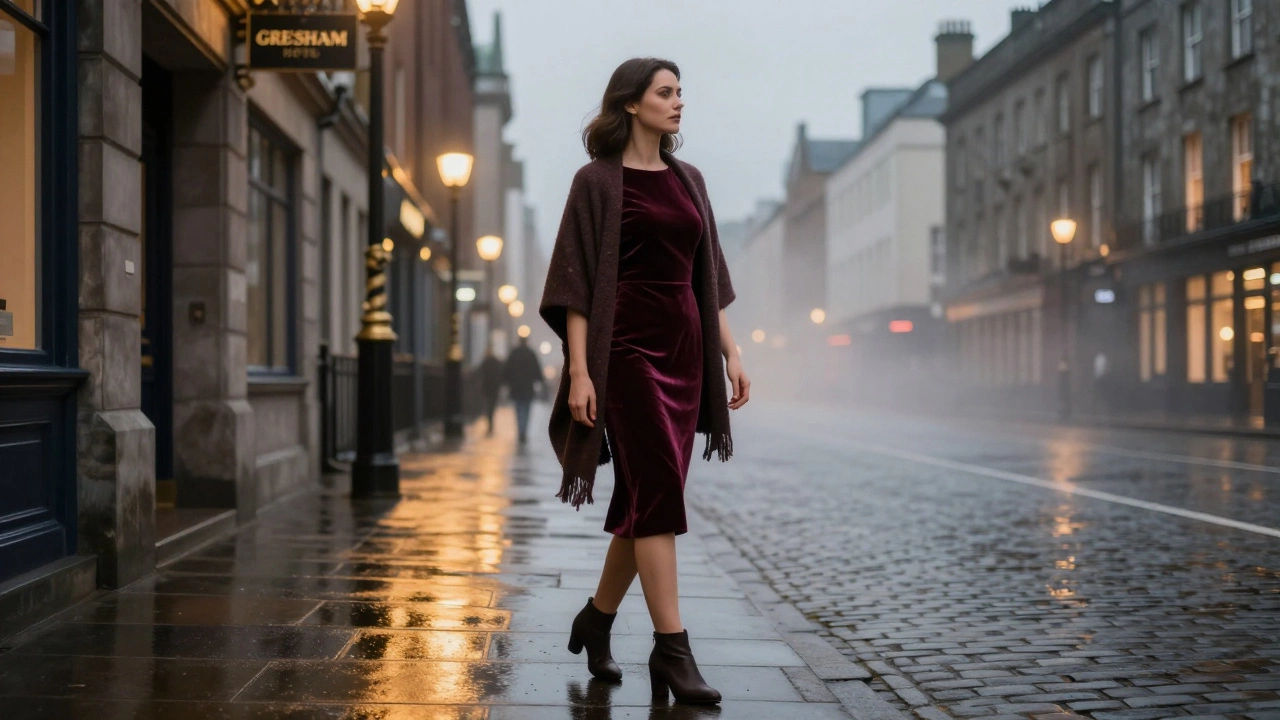
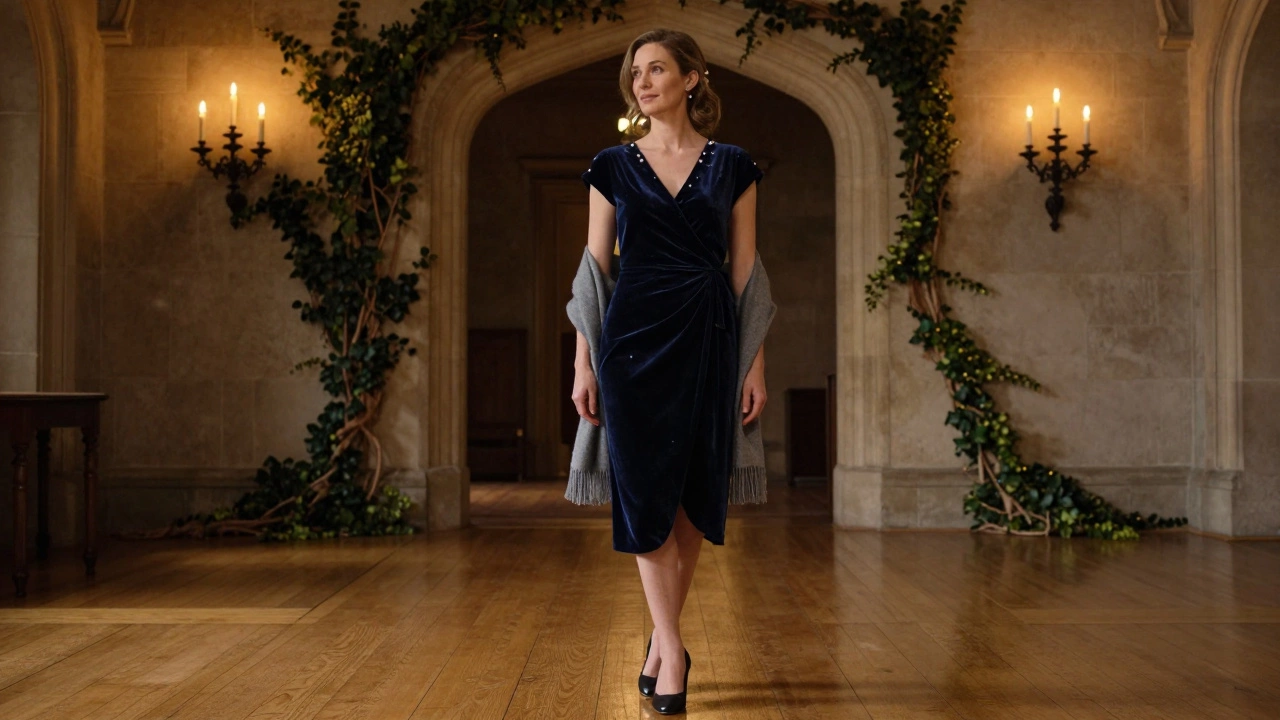
smart evening wear, the practical blend of elegance and weather-readiness common in Irish social settings. Also known as Irish formal attire, it means wool dresses that don’t soak up rain, ankle boots with grip for wet cobbles, and tailored jackets that double as windbreakers. This isn’t just style—it’s survival. A cocktail dress in Ireland isn’t a flimsy party outfit. It’s a structured, knee-length or midi dress in a dense knit, paired with a water-resistant coat you can throw over your shoulders. An evening gown? It’s still a gown, but likely made of heavier fabric, with a longer hem to avoid puddles, and worn with sturdy, elegant heels—not stilettos that sink into wet grass. The same logic applies to men. A grey suit isn’t just a color choice—it’s a cultural signal. It’s neutral, respectful, and pairs well with a waterproof overcoat. You’ll see it at funerals, interviews, and christenings. It’s not flashy. It’s functional. And it lasts.
What you won’t find in Ireland is rigid formality. There’s no strict rulebook like "black tie only" unless it’s a five-star hotel gala in Dublin. Most events lean toward "smart casual with a coat." Even at weddings, people bring a second pair of shoes to change into after the ceremony. That’s because the reception often moves from a grand hall to a garden, and the ground is always damp. Footwear matters more than the tie. A pair of Thursday boots or Clarks loafers with a slight heel? That’s the real formal shoe in Ireland. Not patent leather. Not glitter. Just solid, warm, and dry.
And don’t let age dictate your choices. A 65-year-old woman can wear a dress above the knee in Ireland if it’s the right fabric and paired with tights and boots. A 70-year-old man can wear sportswear that looks polished—because in Ireland, comfort and dignity aren’t opposites. The same goes for fabric: cotton blends that breathe, wool that warms, and synthetics that repel water are all part of the formal wardrobe. You don’t need to buy something expensive. You need to buy something that won’t let you down when the rain hits.
The posts below cover exactly this: what people actually wear, why they wear it, and where to find it without overpaying. From the difference between a cocktail dress and an evening gown in Irish weather, to why nurses wear Crocs and why Levi’s never left Irish wardrobes, you’ll find real answers from real Irish lives. No theory. No trends. Just what works on the ground, in the rain, and under cloudy skies.