Why People Choose Leather Shoes - An Irish Perspective
Explore why leather shoes remain popular in Ireland, covering weather resilience, style, local brands, care tips, and where to buy them across the country.
When it comes to footwear durability, how well a shoe holds up under constant rain, mud, and uneven ground. Also known as shoe longevity, it’s not about brand names or looks—it’s about whether your shoes survive your commute, your walk to the shops, or your weekend hike without falling apart. In Ireland, where the ground stays wet half the year and roads turn to sludge after a storm, durability isn’t a bonus. It’s the only thing that matters.
Think about what actually wears down a shoe here. It’s not just the soles rubbing on pavement. It’s the constant moisture soaking into the stitching, the salt from winter roads eating at the glue, the sharp stones and cobblestones grinding through weak materials. A pair of cheap trainers might look fine after a month, but by the third rainy season, the upper splits, the insole collapses, and the sole starts peeling. That’s why Irish people don’t buy shoes—they invest in them. Brands like Clarks, Thursday Boots, and local makers who use full-grain leather, rubber outsoles, and sealed seams become favorites because they last. Even Crocs, worn by nurses and gardeners alike, hold up because they’re molded from a single piece of EVA foam—no glue to fail, no seams to split.
It’s not just about the material, though. waterproof boots, footwear designed to keep feet dry through constant dampness and puddles. Also known as muck boots, they’re built for Ireland’s reality: standing water, muddy fields, and unpredictable downpours. They’re not fashion pieces. They’re tools. And like any tool, they need to be made to take punishment. The same goes for durable trainers, everyday shoes designed for walking long distances on wet, uneven surfaces. Also known as runners, they’re the default footwear for most Irish people—not because they’re trendy, but because they’re the only thing that won’t let water in by lunchtime. You’ll see them everywhere: on students walking to college, on older people heading to the pharmacy, on delivery drivers navigating Dublin’s old streets. These aren’t gym shoes. They’re workhorses.
And then there’s work shoes Ireland, footwear designed for people who stand all day on hard, wet floors. Also known as safety footwear, they’re the reason nurses, factory workers, and retail staff don’t end up with sore feet or bad backs. These aren’t just about cushioning. They’re about structure. A good pair has arch support that doesn’t flatten out, a sole that grips when wet, and a toe cap that won’t crack when something heavy drops on it. You can tell the difference after one shift. The ones that fail? You throw them out. The ones that last? You pass them down.
So when you’re looking at a new pair of shoes in Ireland, don’t ask if they’re stylish. Ask: Will they still be on my feet in six months? Will they hold up when I’m walking through a flooded lane? Will the sole still be attached after I’ve worn them through ten rainy Sundays? The answer isn’t in the price tag. It’s in the construction. And that’s what this collection is all about—the real talk on what makes footwear survive here, and what just pretends to.
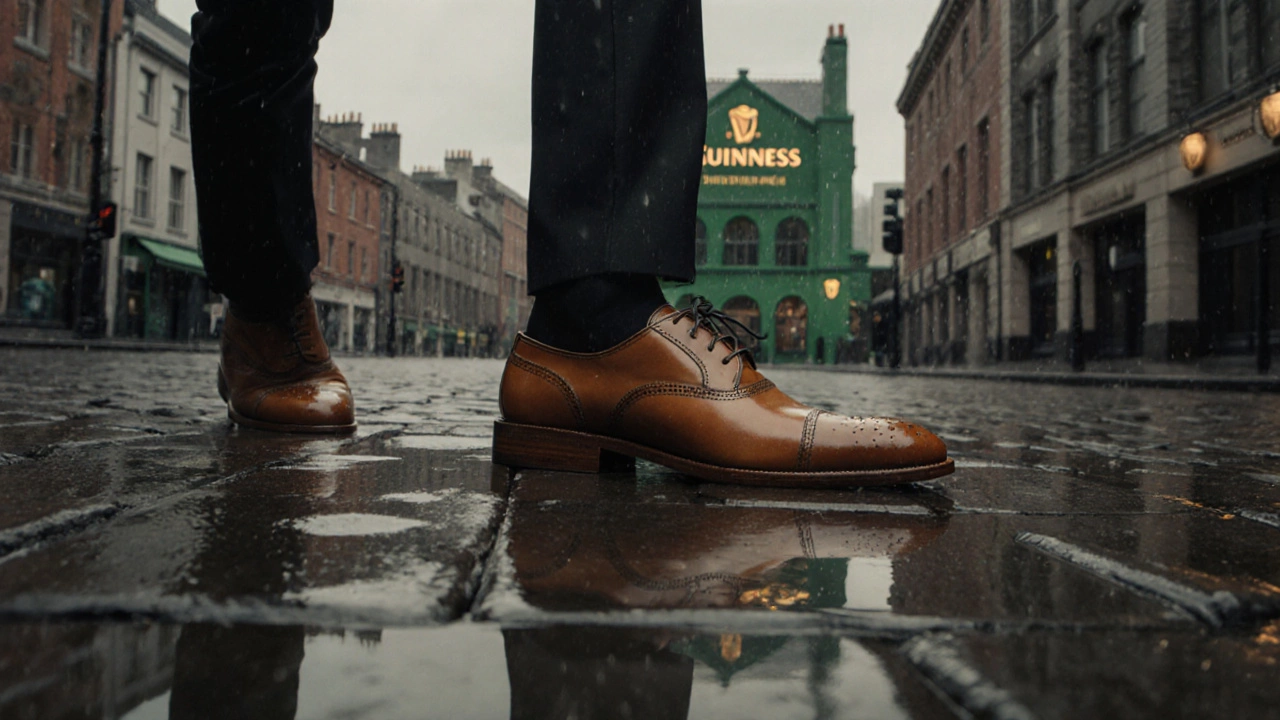
Explore why leather shoes remain popular in Ireland, covering weather resilience, style, local brands, care tips, and where to buy them across the country.