Do Podiatrists in Ireland Recommend Walking Barefoot? Health, Myths & Advice
Explore what Irish podiatrists really think about barefoot walking. Learn local facts, health tips, and what to consider before kicking off your shoes in Ireland.
When it comes to foot health, the condition of your feet and how well they support your daily movement. Also known as pedal wellness, it’s not something you think about until your toes ache after a long day in wet shoes. In Ireland, where rain is routine and pavements are ancient, foot health isn’t a luxury—it’s survival. Your feet carry you through puddles, muddy trails, hospital corridors, and school runs. If they hurt, your whole day collapses.
Irish footwear, shoes designed for wet, uneven ground and constant movement in cool, damp climates isn’t about looks. It’s about structure. A flat sneaker might feel cozy, but without arch support, it’s just a trap for plantar fasciitis. Nurses in Ireland wear Crocs, lightweight, slip-resistant clogs made for long shifts on wet floors. Also known as hospital clogs, they’re not a fashion choice—they’re a medical necessity. Same goes for walkers, teachers, and delivery drivers. You don’t need designer labels. You need cushioning, grip, and room for swelling feet after standing all day.
Work shoes Ireland, footwear built for standing, walking, and navigating wet urban terrain is a whole category here. It’s not just boots. It’s trainers with slight heels to absorb shock on cobblestones. It’s wide-fit boots for swollen feet in winter. It’s shoes that dry fast and don’t smell like a swamp after three hours in rain. And yes, comfortable trainers, casual shoes designed for daily walking in unpredictable weather—what locals call "runners"—are the real MVPs. Not the flimsy ones from the mall. The ones with rubber soles, breathable uppers, and enough arch support to keep you moving through March drizzle and August heatwaves.
Foot health in Ireland ties directly to what you put on your feet every morning. Bad shoes lead to knee pain, lower back strain, and tired legs that never recover. Good ones? They let you walk the dog, chase kids, climb hills, or stand at the counter without dreading the next step. It’s not magic. It’s physics. And it’s why Irish people who’ve learned the hard way don’t buy shoes based on color or brand—they buy them based on what their feet tell them after a 10-hour shift.
What follows isn’t a list of trends. It’s a collection of real stories from people who’ve been there—nurses who switched from painful flats to Crocs, seniors who found relief in snug Thursday boots, parents who discovered why Hey Dudes fall apart on Irish mud, and walkers who learned the hard way that trainers without support are just expensive paperweights. You’ll find out what actually works, what’s a waste of money, and why "comfortable" doesn’t mean "soft."
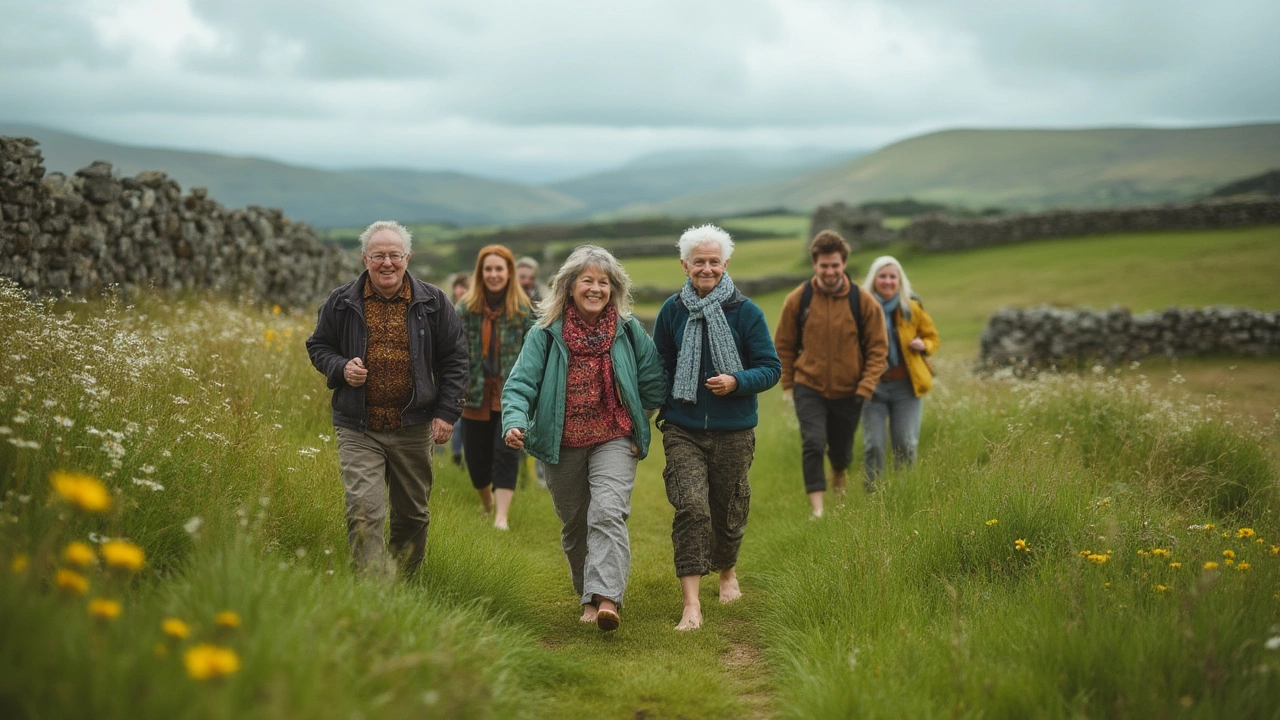
Explore what Irish podiatrists really think about barefoot walking. Learn local facts, health tips, and what to consider before kicking off your shoes in Ireland.