Do Shoes Show Under a Long Evening Dress? Irish Style Guide
Learn how to choose shoes that stay hidden or complement a long evening dress in Ireland, with local shop tips, fabric advice, and etiquette for Irish events.
When it comes to dress shoe etiquette, the unwritten rules around formal footwear in social and professional settings. Also known as formal footwear norms, it’s not about matching your shoes to your tuxedo—it’s about choosing shoes that won’t leak, slip, or kill your feet on an Irish winter night. In Ireland, dress shoes aren’t just for weddings or job interviews. They’re for walking home from a pub in Galway after rain, standing in a Dublin office with a damp floor, or heading to a gala where the pavement is slick with Atlantic drizzle. The old rule—black leather, polished, no scuffs—still matters. But here, it’s secondary to one bigger truth: your shoes have to work in weather that doesn’t care how fancy they look.
That’s why Irish formal footwear, shoes designed for both style and survival in wet, uneven conditions. Also known as weather-ready dress shoes, it’s a quiet revolution happening in city centers and country towns alike. People aren’t wearing patent leather loafers to work anymore. They’re wearing Thursday boots with a subtle heel, Clarks with waterproof lining, or even well-made Chelsea boots that look sharp but dry your feet. You’ll see nurses in Crocs, teachers in sturdy oxfords, and retirees in cushioned loafers—all with one thing in common: they’re built for Irish ground. The etiquette isn’t about what you’re supposed to wear. It’s about what keeps you standing, walking, and comfortable when the rain won’t stop.
And it’s not just about the shoe itself. shoe fit Ireland, how shoes should feel when worn daily on wet, uneven surfaces. Also known as practical sizing, it’s a local science. Too tight? Your toes go numb. Too loose? You slip on wet cobblestones. In Ireland, a good fit means room for thick socks, a firm heel hold, and enough grip to stop you from sliding on a pub’s tile floor. It’s why so many Irish women avoid high heels after 30—and why men who wear dress shoes to work often keep a pair of waterproof runners in their car. This isn’t laziness. It’s adaptation.
You’ll find plenty of advice online about when to wear oxfords vs. derbies, or whether brown shoes are acceptable at a funeral. But none of it matters if your shoes soak through in ten minutes. The real etiquette in Ireland is simple: choose shoes that handle the weather, fit your feet, and let you move through life without pain. The rest is just decoration.
Below, you’ll find real stories from people who’ve learned this the hard way—nurses, teachers, retirees, and commuters who swapped fancy for functional. You’ll learn what colors flatter Irish skin under cloudy light, why some boots are built for cobblestones, and how even a wedding dress can’t save you from a bad pair of heels. This isn’t about looking perfect. It’s about walking away dry, safe, and still looking good.
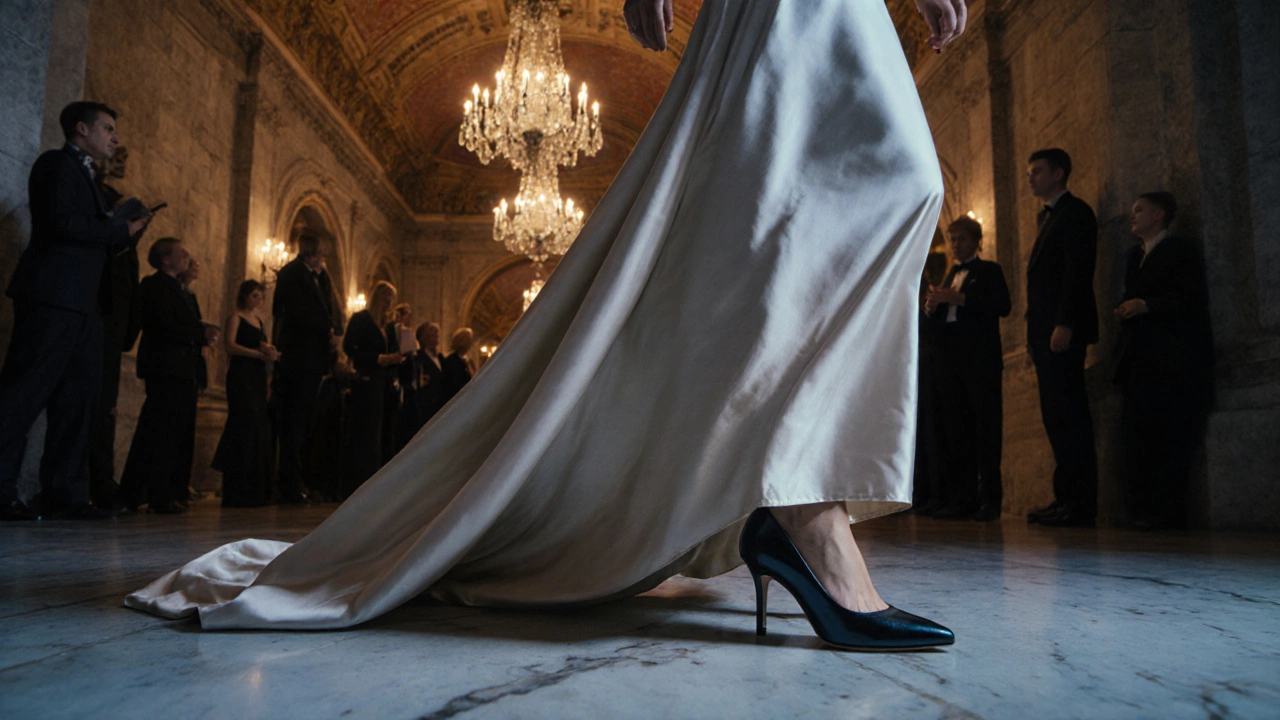
Learn how to choose shoes that stay hidden or complement a long evening dress in Ireland, with local shop tips, fabric advice, and etiquette for Irish events.