Real Leather Shoes in Ireland: Worth the Investment?
Explore whether real leather shoes are worth buying in Ireland, covering cost, durability, climate care, local makers, and sustainable alternatives.
When you buy leather shoes, you’re not just buying style—you’re buying durability, comfort, and a shield against Ireland’s endless rain. In Ireland, leather shoes aren’t a luxury; they’re a necessity. But not every pair made of leather will survive a Dublin winter or a Galway sidewalk. A good pair needs to be more than just polished—it has to breathe, grip, and last through mud, puddles, and long shifts on your feet. Leather footwear, a type of shoe made from tanned animal hide, valued for its natural water resistance and longevity. Also known as full-grain or vegetable-tanned leather shoes, it’s the kind that doesn’t crack after three months of rain. What most people don’t realize is that leather alone doesn’t make a shoe Irish-proof. It’s the construction, the sole, and how it’s treated that decide if it lives or dies here.
When you buy leather shoes, a type of shoe made from tanned animal hide, valued for its natural water resistance and longevity. Also known as full-grain or vegetable-tanned leather shoes, it’s the kind that doesn’t crack after three months of rain. you’re not just buying style—you’re buying durability, comfort, and a shield against Ireland’s endless rain. In Ireland, leather shoes aren’t a luxury; they’re a necessity. But not every pair made of leather will survive a Dublin winter or a Galway sidewalk. A good pair needs to be more than just polished—it has to breathe, grip, and last through mud, puddles, and long shifts on your feet. Waterproof leather shoes, leather footwear treated or constructed to repel water, often with sealed seams and moisture-wicking linings. Also known as water-resistant boots or weatherproof leather shoes, these are the ones nurses, teachers, and delivery workers actually wear here. You’ll find them in hospitals, on ferry docks, and in the back of cars after a day at the market. Then there’s durable shoes Ireland, footwear built to withstand wet terrain, uneven surfaces, and year-round damp conditions common in Irish cities and countryside. Also known as Irish work shoes or all-weather footwear, these are the shoes that don’t fall apart after one season of walking over cobblestones and soggy fields. Brands like Clarks, Thursday Boots, and local Irish makers focus on this—not just looks, but function. They use thicker soles, rubber grips, and breathable linings so your feet stay dry without sweating.
Here’s the thing: if you buy leather shoes just because they look nice, you’ll end up with soggy socks and aching feet. Ireland doesn’t care how elegant your shoes are—it cares if they keep you standing. That’s why so many people here swap out thin-soled dress shoes for sturdy, slightly chunky leather boots or loafers with good tread. It’s not about fashion trends. It’s about surviving the weather without spending half your paycheck replacing shoes every year. The posts below show real people—nurses, seniors, commuters—talking about what actually works. You’ll find out why Crocs are popular in hospitals, why Thursday Boots fit so well on wet streets, and why some leather shoes that look perfect online turn out to be useless here. No fluff. No hype. Just what works when the rain won’t stop.
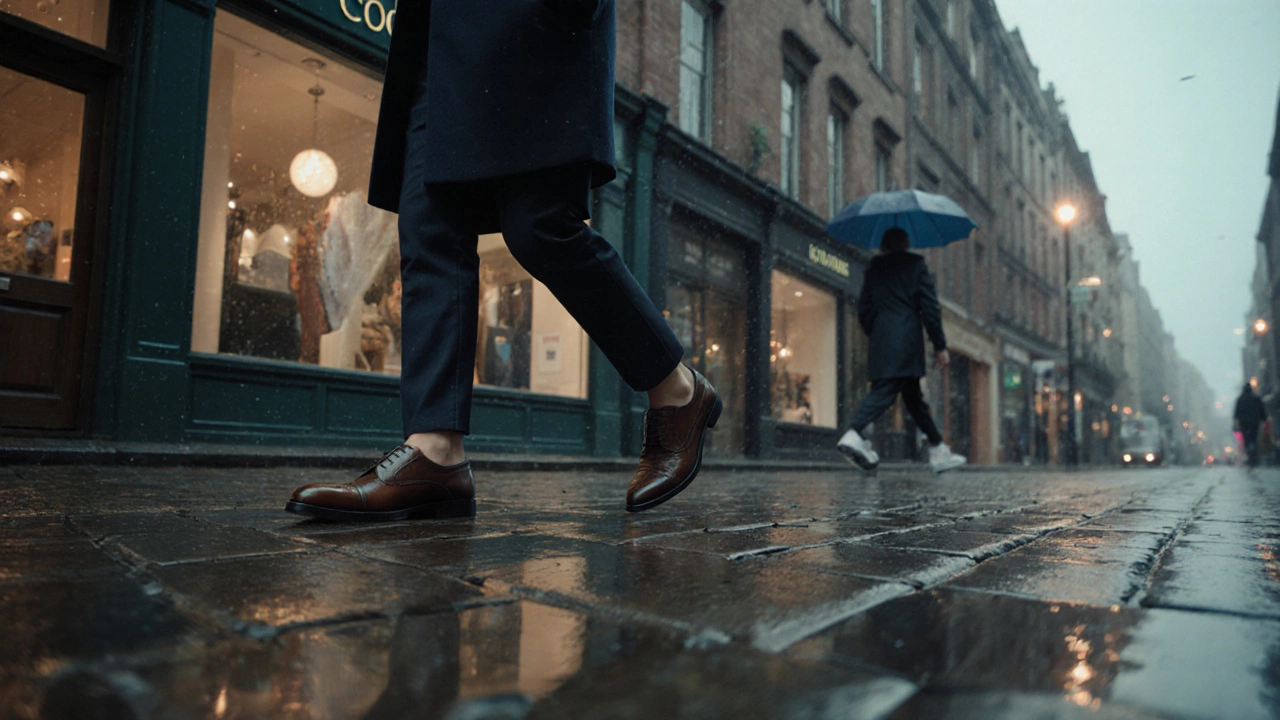
Explore whether real leather shoes are worth buying in Ireland, covering cost, durability, climate care, local makers, and sustainable alternatives.