How Long to Break In Leather Shoes in Ireland? Real Timelines, Tips & Fixes
Exact timelines to break in leather shoes in Ireland, with local tips for rain, cobbles, and commuting. Safe shortcuts, mistakes to avoid, and when to return.
When you buy leather shoes, sturdy, water-resistant footwear designed for daily wear in tough conditions. Also known as work boots or walking shoes, they’re meant to last—but only if you learn how to break them in right for Ireland’s wet streets and uneven pavements. Most people think breaking in leather shoes is just about wearing them until they feel okay. But in Ireland, where rain is routine and ground is often slick or rocky, that approach leaves you with sore feet, blisters, and a pair of shoes you hate. It’s not about time—it’s about technique.
The real trick is combining smart conditioning with gradual use. Start by applying a quality leather conditioner—not just any cream, but one made for waterproofing, like those used by Irish hikers and farmers. Let it soak in overnight. Then, wear the shoes around the house with thick socks for an hour or two each day. Don’t rush. If your feet feel pinched, stop. Leather stretches, but it doesn’t stretch evenly. Focus on the areas that hurt most: the heel, the ball of the foot, the sides. Some people use shoe stretchers, but in Ireland, many just stuff the toes with damp newspaper and leave them overnight. The moisture helps the leather soften slowly, without cracking. And never, ever use heat. Hairdryers and radiators ruin the structure. You’ll end up with stiff, warped shoes that never fit right.
Break-in time isn’t just about the shoes—it’s about your feet too. If you’re used to wearing trainers or Crocs all day, your arches and tendons need time to adjust. Walk on different surfaces: pavement, grass, cobblestones. That’s what you’ll face outside. Ireland’s terrain doesn’t care if your new boots are expensive. It just wants you to slip. So wear them on short errands first—walk to the shop, take the dog out, stand at the bus stop. Let your body get used to the support. If you’re on your feet for work, consider adding a thin, cushioned insole. Not a thick one—those make the shoe too tight. Just enough to take the edge off.
And don’t ignore the weather. Leather absorbs moisture. If you wear new boots in a downpour before they’re broken in, the water swells the material, then freezes or dries unevenly. That’s how you get stiffness and cracks. Always dry them slowly, at room temperature, with newspaper inside. Never leave them by a fire. And once they’re broken in, treat them with a waterproof spray every few weeks. That’s the secret most Irish people know: you don’t just break in leather shoes—you maintain them like part of your daily routine.
What you’ll find below are real stories from people who’ve been there—how they broke in their Thursday boots, why nurses in Galway swear by a specific cream, and why some folks in Cork avoid leather altogether. These aren’t tips from a catalog. These are the tricks passed down in Irish homes, on farms, and in city streets where the rain doesn’t wait for you to be ready.
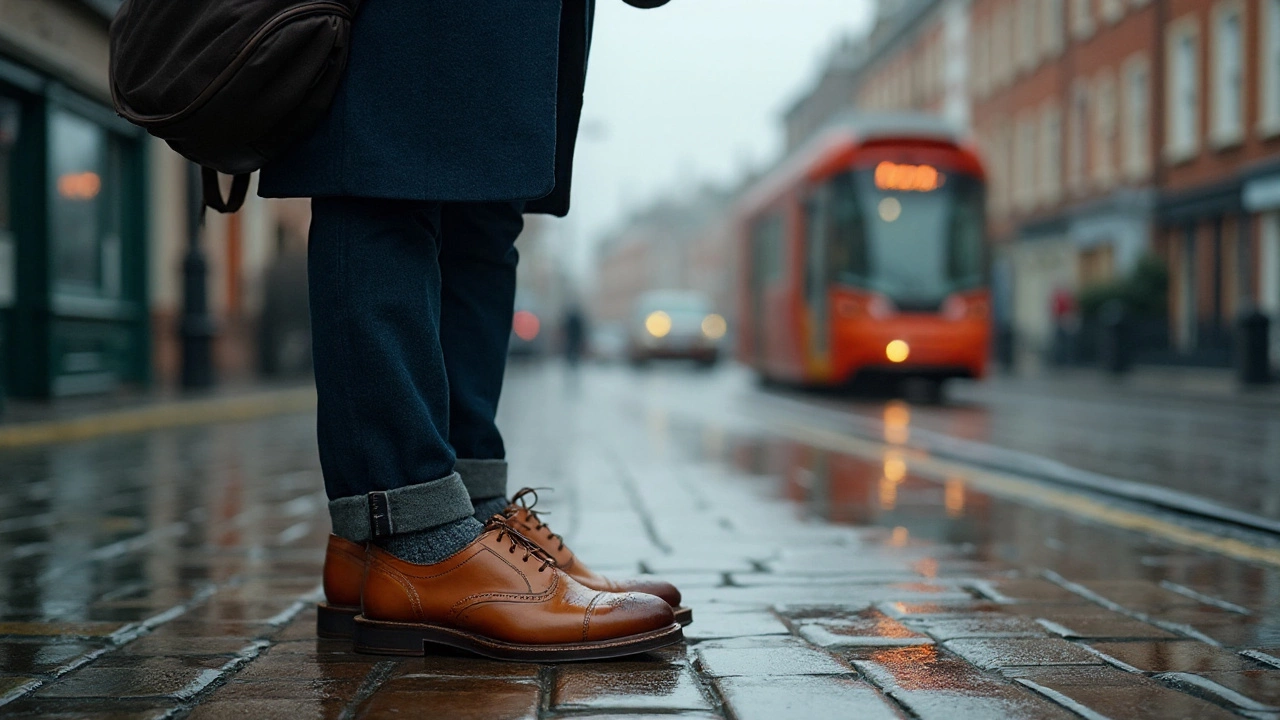
Exact timelines to break in leather shoes in Ireland, with local tips for rain, cobbles, and commuting. Safe shortcuts, mistakes to avoid, and when to return.