Do School Uniforms Improve Student Behaviour in Ireland?
Explore how school uniforms affect student behaviour in Ireland, backed by research, real data, costs, and practical advice for parents.
When you step outside in Ireland, what you wear doesn’t just keep you dry—it changes how you move, how long you stay out, and even how you feel about your day. This is the behavioural impact, the way clothing choices influence daily actions, habits, and decisions. Also known as practical fashion influence, it’s not about trends. It’s about survival, comfort, and the quiet way Irish people adapt to rain, wind, and uneven ground every single day.
Take Irish footwear, the shoes and boots designed for wet streets, muddy trails, and long hours on your feet. Also known as work-ready boots, it’s not just about brands—it’s about function. Nurses wear Crocs because they’re slip-resistant and easy to clean. Older men choose waterproof boots with good arch support because standing all day on hospital floors or walking to the shops leaves no room for pain. And in schools, parents fight high uniform costs because cheap shoes fall apart in weeks, forcing kids to walk in damp socks. This isn’t fashion. It’s a chain reaction: bad shoes → sore feet → less movement → less activity → worse health. The same goes for sportswear Ireland, clothing built for wet weather, not gym mirrors. Also known as weather-adapted activewear, it’s not about shiny fabrics or logos. It’s about moisture-wicking layers that don’t soak through, jackets that block wind without overheating, and jeans that don’t shrink after one tumble dry. People in Ireland don’t wear sportswear to look fit—they wear it so they can still walk, run, or hike after three days of rain.
And then there’s the quiet power of weather-resistant clothing, garments chosen not for looks, but for endurance against Atlantic storms. Also known as practical outerwear, it’s why waxed cotton jackets are still sold in rural shops, why Aran wool sweaters never went out of style, and why a grey suit in Dublin isn’t about power—it’s about staying dry in a meeting without changing clothes afterward. These aren’t accessories. They’re tools. And every time someone picks a pair of Thursday boots over a flat loafer, or chooses a breathable tee over a cotton shirt that clings when wet, they’re making a decision that affects their posture, their energy, and how long they can stay outside.
What you wear in Ireland doesn’t just cover your body—it controls your rhythm. It decides whether you walk to the shop or drive. Whether you join a hike or skip it. Whether you feel confident in a dress above the knee or stick to long skirts because the weather says no. This is the real behavioural impact: clothing shapes action. And in a place where the sky changes by the hour, the right gear isn’t optional. It’s the reason people keep moving, keep doing, keep living—no matter what the weather throws at them.
Below, you’ll find real stories from Irish lives—how trainers became runners, why nurses swear by Crocs, how a 70-year-old man stays active in rain, and what happens when fashion ignores the weather. These aren’t fashion tips. They’re survival guides written in fabric, stitch, and sole.
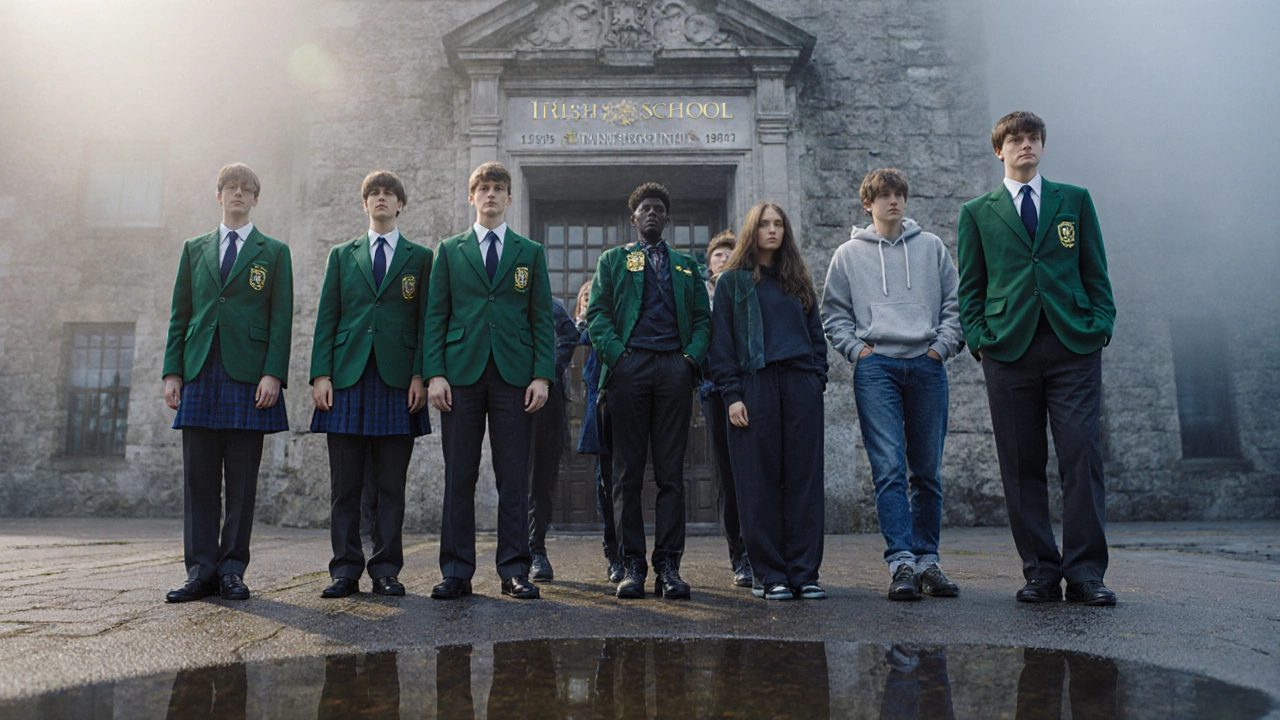
Explore how school uniforms affect student behaviour in Ireland, backed by research, real data, costs, and practical advice for parents.