Do Podiatrists in Ireland Recommend Walking Barefoot? Health, Myths & Advice
Explore what Irish podiatrists really think about barefoot walking. Learn local facts, health tips, and what to consider before kicking off your shoes in Ireland.
When you think of barefoot walking, walking without shoes to connect with the ground and strengthen natural foot function. Also known as grounding, it’s more than a wellness fad—it’s a way to rebuild foot strength and awareness, especially on surfaces that challenge your body in ways shoes never could. In Ireland, where the ground is often wet, rocky, or covered in sharp grass, barefoot walking isn’t something you just try on a whim. It’s a decision shaped by terrain, weather, and local habits. Many people here walk barefoot on beaches in summer, but step off the sand and onto a Dublin sidewalk, and you’re facing cold, wet concrete, hidden glass, or uneven cobblestones that can turn a peaceful walk into a painful one.
There’s a big difference between walking barefoot on a warm, sandy beach in County Wexford and stepping onto a muddy field after rain in County Kerry. The Irish terrain, the natural and built surfaces across Ireland, from coastal cliffs to urban streets is unforgiving. Moss-covered stones, sharp thistles, broken glass from old pubs, and wet grass that hides hidden roots make barefoot walking risky without preparation. That’s why many Irish people who try it start small—barefoot on the lawn, then the driveway, then a quiet beach. It’s not about going full minimalist overnight. It’s about letting your feet adapt slowly, just like your body adapts to the rain.
Some folks here swear by barefoot shoes, thin-soled footwear designed to mimic barefoot walking while offering minimal protection. Also known as minimalist shoes, they’re popular with runners and hikers who want the feel of the ground without the risk of cuts or cold. Brands like Vivobarefoot and Xero Shoes have a quiet following in Ireland—not because they’re trendy, but because they work for people who walk long distances on wet, uneven ground. You’ll see them on cyclists in Galway, walkers on the Wicklow Way, and even nurses on lunch breaks. But they’re not magic. If your feet aren’t used to it, even the best barefoot shoe can hurt more than help.
And then there’s the question of natural foot health, how the structure and function of the foot change when not confined by traditional footwear. In Ireland, where most people wear waterproof boots for months at a time, feet can become weak, narrow, and stiff. Barefoot walking helps reverse that—but only if done right. It’s not just about removing shoes. It’s about relearning how to stand, step, and balance. Your arches need time. Your toes need space. Your ankles need to wake up. And your skin needs to toughen up.
There’s no single way to do barefoot walking in Ireland. Some do it for therapy. Others for fitness. A few just love the feel of grass under their toes after a long winter. What they all share is patience. You won’t find a single Irish person who started barefoot walking in January and was hiking the Ring of Kerry barefoot by March. It takes weeks. Months, even. And it’s not for everyone. But if you’ve ever stood barefoot on a sun-warmed beach in August and thought, "I wish I could feel this all year," then maybe it’s worth trying—slowly, safely, and with your eyes wide open.
Below, you’ll find real stories from people who’ve tried it, the gear they use, the mistakes they made, and the quiet benefits they didn’t expect. No hype. No promises. Just what actually works on Irish ground.
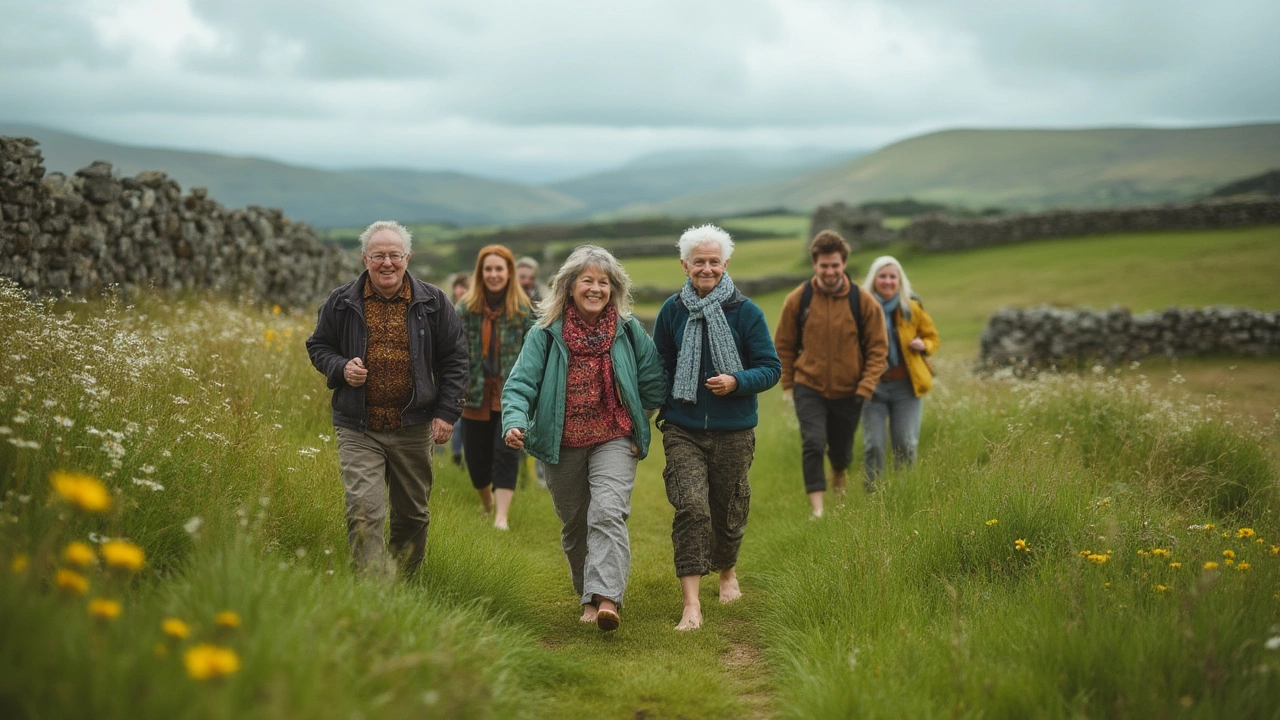
Explore what Irish podiatrists really think about barefoot walking. Learn local facts, health tips, and what to consider before kicking off your shoes in Ireland.