Work‑Approved Shoes in Ireland: Rules, Picks & Practical Tips
Discover which shoes are allowed at work across Ireland's industries. Learn safety standards, dress‑code tips, local retailers, and seasonal hacks for the Irish climate.
When it comes to approved shoes at work, footwear that meets safety, comfort, and durability standards for daily use in Irish workplaces. Also known as work footwear, it’s not about looking professional—it’s about surviving eight hours on hard floors, wet kitchens, or muddy hospital corridors. In Ireland, where rain is a daily forecast and floors are rarely dry, the right shoes aren’t a luxury—they’re a necessity.
Many people think work shoes, shoes designed specifically for standing, walking, or moving all day in demanding environments. Also known as professional footwear, it includes everything from steel-toe boots to slip-resistant clogs are just about safety labels. But in Ireland, the real test is comfort after a 12-hour shift. Nurses wear Crocs because they’re lightweight, easy to clean, and grip wet tiles. Retail workers choose Clarks or Ecco for arch support that lasts through long days on tile. Teachers in rural schools need waterproof soles to handle puddles in hallways and muddy playgrounds. These aren’t trends—they’re survival tools. And they’re not chosen by fashion editors. They’re chosen by people who come home with sore feet and know exactly what works.
What makes a shoe truly approved here? It’s not the brand logo. It’s whether it keeps you upright on slippery floors, doesn’t leak when the rain hits, and doesn’t make your ankles scream by 3 p.m. The best work shoes in Ireland have non-slip soles, cushioned insoles, and breathable uppers—because Irish weather doesn’t pause for office dress codes. Even in winter, you need ventilation to avoid sweaty feet, and in summer, you need durability to handle sudden downpours. A shoe that looks sharp but fails on wet concrete isn’t approved—it’s a liability.
You’ll find these same principles in the posts below: why nurses choose Crocs, how Thursday boots fit Irish feet on cobblestones, what shoes help if you can barely walk after standing all day, and why trainers with slight heels are quietly dominating workplaces. These aren’t fashion guides. They’re real-life reports from people who’ve been there—on their feet, in the rain, and still standing at the end of the shift. What you’ll read here isn’t theory. It’s what works.
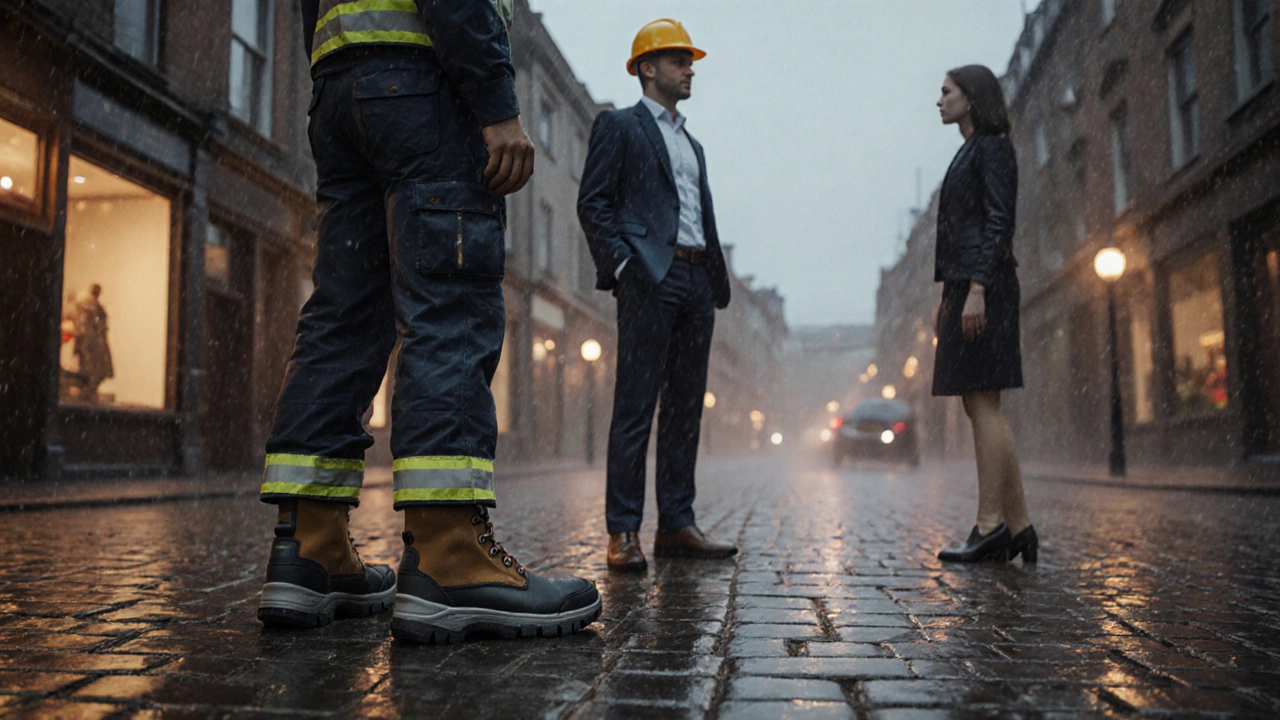
Discover which shoes are allowed at work across Ireland's industries. Learn safety standards, dress‑code tips, local retailers, and seasonal hacks for the Irish climate.