What Are American Trainers? A Guide for Irish Shoppers
Discover what American trainers are, how they differ from Irish sneakers, and get practical tips for buying US shoes in Ireland, from sizing to reliable retailers.
When people talk about American trainers, casual athletic shoes originally designed in the U.S. for sport and everyday wear. Also known as sneakers, they’re common in Irish wardrobes—but not always the right choice for Irish weather. In Ireland, rain isn’t a surprise. Mud isn’t an exception. And sidewalks? They’re often uneven, slippery, or cracked. American trainers, with their thin soles and lightweight uppers, were built for dry pavement and gym floors. They weren’t made for the Atlantic wind, the puddles after a downpour, or the 10,000 steps you take walking from the bus stop to the pub in Galway.
That’s why Irish people don’t just wear trainers—they wear runners, a local term for footwear built for wet ground, long walks, and all-day use. Brands like Clarks, ECCO, and even local Irish labels focus on waterproofing, grip, and arch support—not just style. American trainers might look good in a Dublin café, but if you’ve ever slipped on wet cobblestones or had soggy socks by lunchtime, you know the difference. The real question isn’t whether they’re trendy—it’s whether they keep your feet dry, stable, and pain-free through a long day.
It’s not just about the brand. It’s about the foot health, how footwear affects posture, joint strain, and long-term comfort. Many American trainers lack heel support, which matters when you’re standing on hard floors all day or walking uphill in County Wicklow. Nurses, teachers, and delivery workers in Ireland don’t wear them for long shifts—they wear Crocs, Thursday Boots, or branded Irish runners because their feet are still working at 5 p.m. And if you’re over 60, or just tired of aching feet, you’ve probably already learned this the hard way.
What you’ll find in these posts isn’t a list of the best American trainers to buy. It’s a guide to what actually works here. You’ll learn why people call them runners, not trainers. Why Nike stopped using leather—and why that matters in a country that values sustainability. Why Hey Dudes feel great at first but leave your arches screaming by afternoon. Why a grey suit and a pair of snug Thursday Boots go together better than a pair of white sneakers with a wool coat in January. This isn’t about fashion trends. It’s about surviving—and thriving—in a climate that doesn’t care what’s popular in Los Angeles.
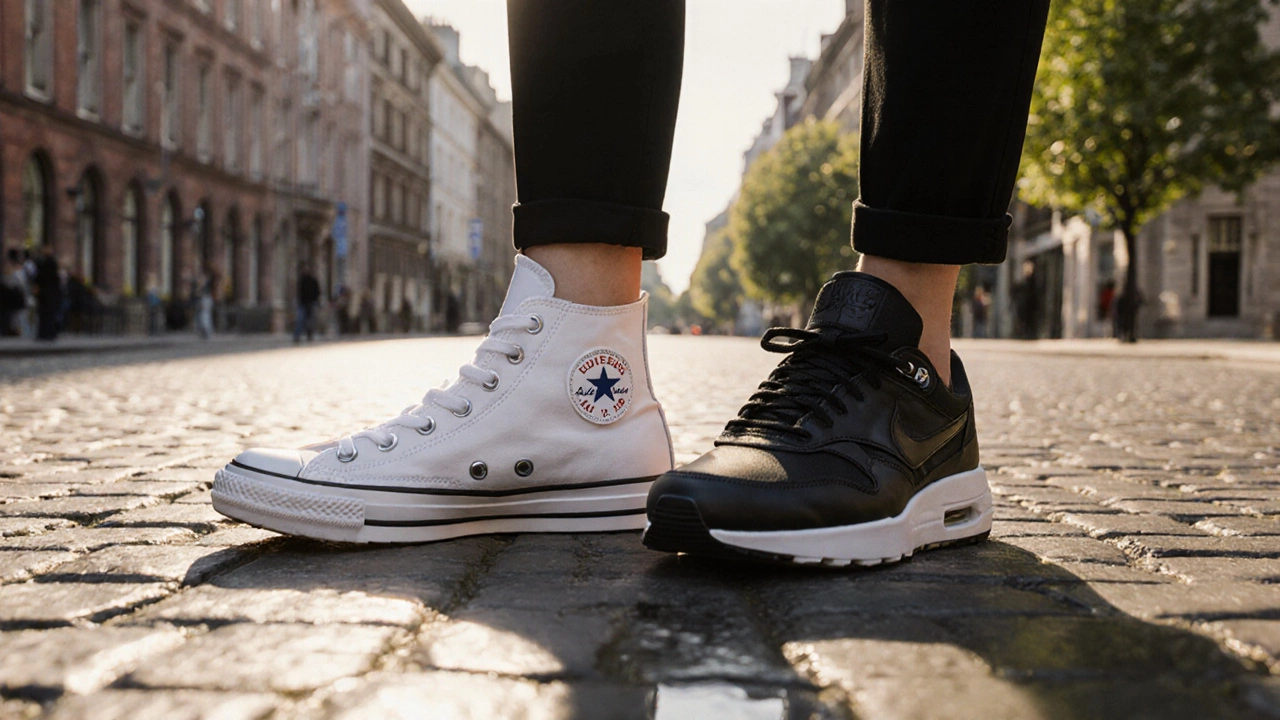
Discover what American trainers are, how they differ from Irish sneakers, and get practical tips for buying US shoes in Ireland, from sizing to reliable retailers.