Irish Dress Choice Finder
Not sure whether to pack a breezy sundress or a structured summer dress for your next outing? Answer these quick questions to get a tailored recommendation for Ireland's unpredictable climate.
Sundress
Best for hot days and casual comfort.
Why this choice?
Select your options and click the button to see which dress fits your needs best.
You’ve likely stood in a fitting room on Grafton Street or scrolled through an online store, staring at two items that look nearly identical. One is tagged as a sundress, and the other is labeled a summer dress. In the Irish market, where the weather can shift from drizzle to sunshine in twenty minutes, knowing the difference isn’t just about semantics-it’s about survival and style. While many people use these terms interchangeably, there are distinct differences in fabric weight, cut, and intended use that matter when you’re trying to stay comfortable during a long day at a festival in Kilkenny or a casual lunch in Dublin.
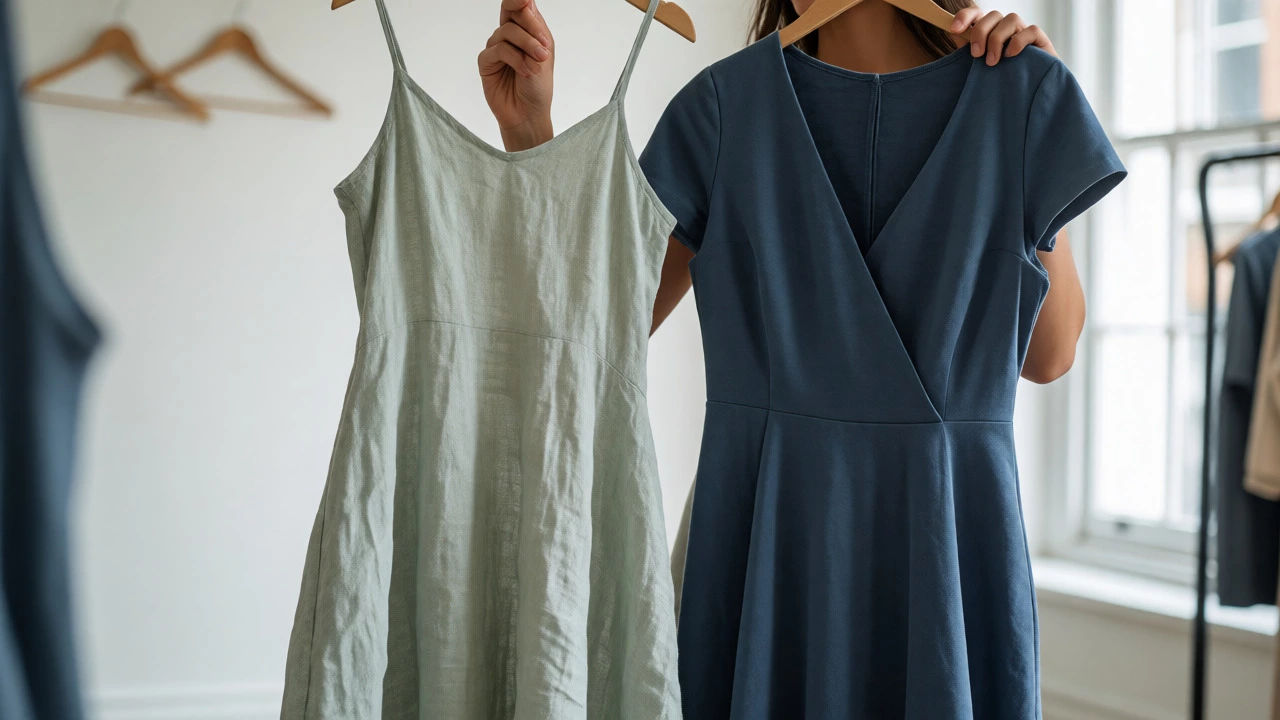
At its core, a sundress is designed specifically for hot, sunny weather. It typically features lighter, more breathable fabrics like cotton poplin, linen, or chambray, and often has a looser fit to allow air circulation. A summer dress, by contrast, is a broader category encompassing any dress suitable for the warmer months. This might include heavier materials like jersey knits or even light denim, which offer structure but less breathability. Understanding this distinction helps you build a wardrobe that actually works for Ireland’s unpredictable climate, rather than one that looks good in photos but feels stifling in real life.
The Fabric Factor: Breathability Matters
If you live in Ireland, you know that humidity is often a bigger issue than pure heat. Our summers rarely hit the 30°C highs seen in Southern Europe, but our dampness can make synthetic fabrics feel clammy and uncomfortable. This is where the sundress shines. Traditional sundresses rely on natural fibers with high moisture-wicking properties. Linen, for instance, is highly absorbent and dries quickly, making it ideal for those sudden downpours near the Cliffs of Moher. Cotton poplin offers a crisp finish that doesn’t cling to the skin, while rayon provides a fluid drape that moves with you.
Summer dresses, however, cast a wider net. You’ll find them made from viscose blends, modal, and sometimes polyester mixes. These fabrics are durable and resistant to wrinkling, which is a huge plus if you’re commuting on the Dart or sitting on a train to Cork. However, they trap heat more easily. If you’re prone to overheating, sticking to true sundress fabrics is safer. But if you value low maintenance and shape retention, a structured summer dress might be your better bet for office-to-evening transitions.
Cut and Silhouette: Freedom vs Structure
The design philosophy behind these two categories differs significantly. Sundresses prioritize freedom of movement. Think empire waists, A-line cuts, and spaghetti straps. The goal is to minimize contact between the fabric and your body, creating a cooling effect. You’ll see lots of tiered skirts and smocked bodices in this category, designs that have been popular in Irish retail chains like Penneys and Marks & Spencer for decades because they flatter various body types without restricting motion.
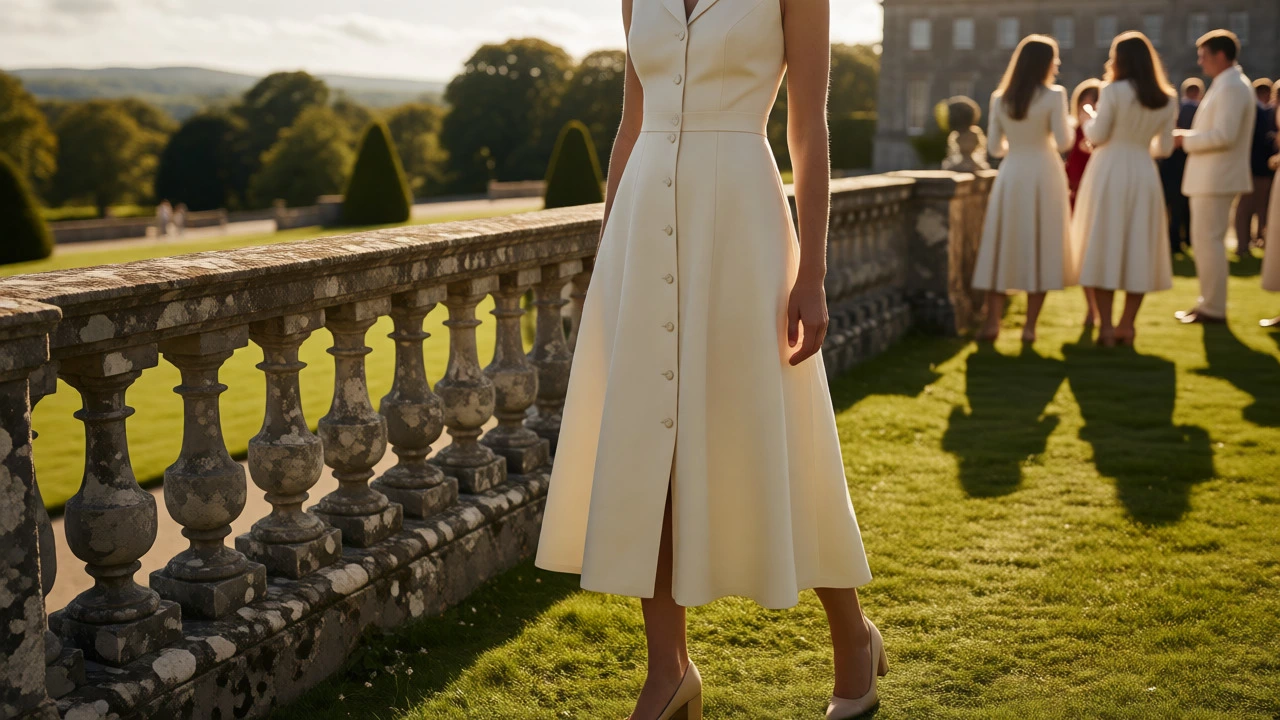
Summer dresses often incorporate more tailoring. They might feature fitted bodices, wrap styles, or button-down fronts. This structure allows them to transition more easily into semi-formal settings. Imagine attending a garden party at Powerscourt Estate; a flowy sundress might look too casual, whereas a tailored summer dress in a floral print strikes the right balance. The cut determines the occasion, so consider where you’ll wear the piece before choosing between the two.

Practicality in the Irish Climate
Here’s the reality: buying clothes solely for "sun" in Ireland requires a strategic approach. A pure sundress might leave you shivering if the wind picks up off the Atlantic coast. Therefore, layering becomes essential. Sundresses pair exceptionally well with lightweight cardigans or denim jackets. Because they are usually thin, they don’t add bulk under outerwear. This makes them perfect for the "four seasons in one day" phenomenon we experience here.
Summer dresses, being slightly heavier, can act as their own layer. A thicker jersey summer dress might keep you warm enough during a cool evening in Galway without needing a jacket. However, if the sun does come out unexpectedly, you might find yourself sweating through a heavier fabric. The key is versatility. Many Irish shoppers opt for hybrid pieces-dresses made from medium-weight linen or cotton blends that offer the breathability of a sundress with the durability of a summer dress. Brands like Reiss and Zara often carry these transitional pieces, catering specifically to markets with variable climates.
Styling Tips for Local Events
Let’s look at specific scenarios common in Ireland. For a music festival like Electric Picnic or Live at the Marquee, comfort is king. A sundress with pockets (a rare but cherished feature) and sturdy sandals is the go-to choice. The loose fit handles dancing and walking across muddy fields much better than a restrictive summer dress. Plus, if it rains, linen dries faster than most synthetics, saving you from wearing a damp garment all night.
For social gatherings, such as a wedding reception in a country house hotel, a summer dress is usually preferred. These events demand a bit more polish. A midi-length summer dress in a solid color or subtle pattern looks sophisticated and respects the formality of the occasion. Pair it with block heels for grassy venues, as stilettos will sink into the lawns typical of Irish estates. Conversely, wearing a short, strapless sundress to a formal event might feel underdressed, no matter how expensive the fabric.
| Feature | Sundress | Summer Dress |
|---|---|---|
| Primary Fabric | Linen, Cotton Poplin, Rayon | Jersey, Viscose Blends, Light Denim |
| Fitness Level | Loose, Flowy, Airy | Fitted, Structured, Tailored |
| Best For | High Heat, Humidity, Casual Outings | Moderate Warmth, Office Wear, Semi-Formal |
| Layering Potential | Excellent (adds no bulk) | Moderate (can add warmth) |
| Wrinkle Resistance | Low (especially linen) | Medium to High |
Care and Maintenance
Ireland’s washing habits differ slightly from hotter countries. We wash less frequently due to cooler temperatures, but when we do, we need fabrics that hold up. Linen sundresses require gentle care to prevent excessive shrinking or creasing. Hanging them immediately after washing helps maintain their shape. Synthetic-blend summer dresses are generally machine-washable and tumble-dry safe, offering convenience for busy professionals in cities like Dublin or Belfast.
Consider the longevity of your purchase. A high-quality linen sundress can last years if cared for properly, developing a softer texture over time. Cheap synthetic summer dresses might lose their shape or develop pilling after a few washes. Investing in natural fibers for your sundresses and quality blends for your summer dresses ensures your wardrobe remains functional beyond a single season.
Where to Shop in Ireland
When hunting for these items, local knowledge helps. Independent boutiques in areas like Ranelagh or Shillington Street often stock unique sundress designs that you won’t find on the high street. For everyday summer dresses, major retailers like H&M and Next provide consistent sizing and affordable options. If you’re looking for sustainable choices, check out brands that emphasize ethical production, which is increasingly important to Irish consumers. Online platforms also offer extensive ranges, but always check return policies, as fit varies significantly between sundress and summer dress silhouettes.
Ultimately, the choice between a sundress and a summer dress depends on your personal tolerance for heat, your planned activities, and your willingness to manage fabric care. Both have their place in an Irish wardrobe. By understanding the subtle differences in fabric and cut, you can make smarter purchases that keep you comfortable regardless of what the forecast predicts.
Can I wear a sundress in winter in Ireland?
Yes, but you must layer heavily. A sundress works well under thick knitwear or coats. Choose darker colors and heavier boots to match the seasonal aesthetic, ensuring the outfit doesn't look out of place during colder months.
Which fabric is best for humid Irish summers?
Linen and cotton are superior for humidity. They allow air to circulate and wick moisture away from the skin. Avoid polyester-heavy summer dresses, as they tend to trap sweat and cause discomfort in damp conditions.
Are sundresses appropriate for work in Dublin offices?
It depends on the workplace culture. In creative industries, yes. In corporate finance or legal firms, a structured summer dress is usually more appropriate. Opt for midi lengths and sleeves to maintain professionalism.
How do I stop my linen sundress from wrinkling?
Embrace the wrinkle-it's part of linen's charm. To minimize it, hang the dress in the bathroom while you shower; the steam relaxes the fibers. Iron while slightly damp for a crisp look.
Is there a price difference between sundresses and summer dresses?
Not necessarily. Price is driven by brand, fabric quality, and construction complexity rather than the label. High-end summer dresses can cost more than budget sundresses, and vice versa.