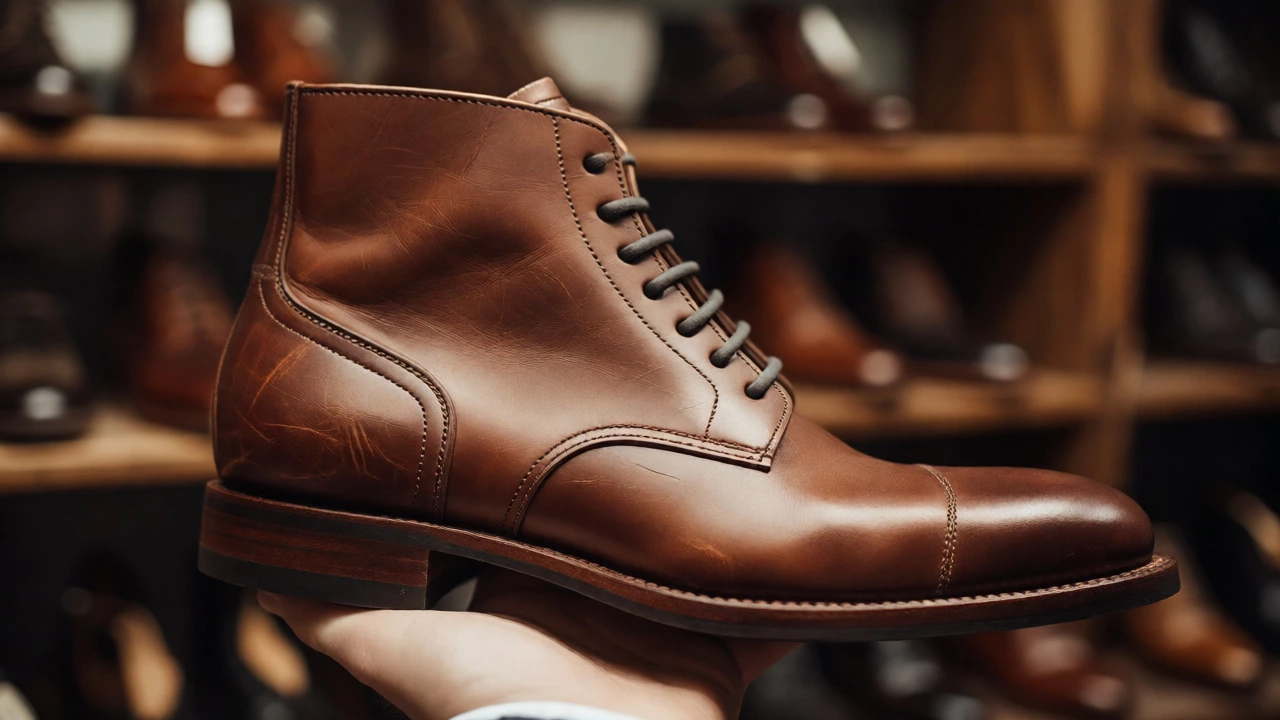
Leather Authenticity Checker
Perform these simple checks on the shoe in front of you. Select the option that best matches your observation for each test to get an instant verdict.
Verdict
Confidence: --%Please complete the tests above.
Why this matters in Ireland:
- Real Leather: Breathes well, lasts years, develops patina. Ideal for Irish rain if conditioned.
- Faux Leather: Cheaper upfront, may crack in winter salt/slush, traps sweat.
You’re walking down Grafton Street or browsing the racks at Brown Thomas, and you see a pair of boots that look sharp. The price tag is steep, but the seller claims it’s genuine leather. But how do you know they aren’t trying to sell you plastic disguised as premium material? In Ireland, where rain is a constant companion and durability matters more than fast-fashion trends, knowing the difference between real hide and synthetic faux leather can save you hundreds of euros and a lot of disappointment.
The Irish market is flooded with options, from high-end boutiques on Dublin’s Dawson Street to the bustling markets in Cork and Galway. With the rise of vegan alternatives like Piñatex and other plant-based leathers, the line has blurred. But for those who prefer the longevity and breathability of animal hide, there are clear, tangible ways to verify authenticity before you hand over your card. This isn’t just about snobbery; it’s about getting value for money in a climate that tests every stitch and seam.
The Smell Test: Why Nose Knows Best
Forget the visual cues for a second. Your nose is actually your most reliable tool when shopping for real leather shoes made from tanned animal hides. Genuine leather has a distinct, rich scent-a mix of earth, musk, and tanning agents. It smells organic. If you lean in close to a shoe in a shop like Arnotts or a smaller independent retailer in Belfast, and you smell nothing, or worse, a chemical plastic odor, walk away.
Synthetic materials, often called PU (polyurethane) or PVC, tend to have a strong industrial smell due to the adhesives and plastics used in their production. Real leather absorbs moisture and oils, which contributes to its unique aroma. While some manufacturers try to mask this with artificial fragrances, the underlying scent usually gives it away. If the shoe smells like a new car interior or a swimming pool, it’s likely not the real deal. This sensory check is particularly useful in damp Irish weather, where mold and mildew can affect poorly treated synthetics differently than natural hides.
Inspecting the Grain and Pores
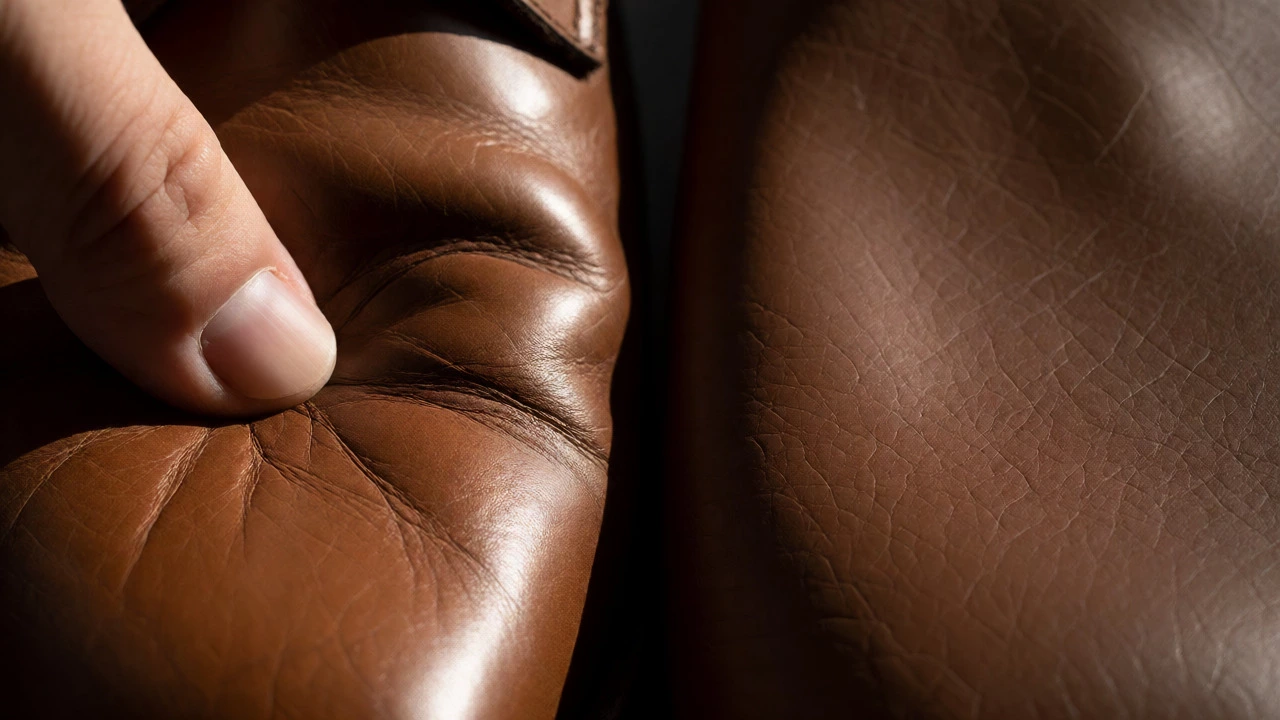
Look closely at the surface. Real leather is a natural product, meaning no two pieces are exactly alike. You should see subtle imperfections-tiny scars, wrinkles, or variations in the grain pattern. These aren’t flaws; they’re fingerprints of the animal. Synthetic leather, on the other hand, is stamped out by machines using uniform patterns. If the texture looks too perfect, too repetitive, or overly glossy without depth, it’s probably fake.
Run your finger across the surface. Real leather feels warm and slightly textured, with a natural resistance. Faux leather often feels cold, slick, or artificially sticky. Another trick is to press your thumb into the material. Genuine leather will wrinkle around the point of pressure, showing elasticity and natural fiber movement. Synthetic materials might dent, but they won’t form those fine, spiderweb-like creases. This test works well on thicker items like work boots, which are popular among tradespeople across Ireland, from construction sites in Limerick to farmyards in Mayo.
The Water Absorption Trick
Here’s a practical experiment you can sometimes do in-store, or definitely once you get the shoes home. Place a single drop of water on an inconspicuous part of the shoe, perhaps near the sole or inside the tongue. Real leather is porous. It will absorb the water slowly, darkening the spot as the liquid soaks in. This absorption is crucial for comfort because it allows the shoe to breathe, regulating temperature and moisture inside.
Faux leather is typically sealed with a plastic coating. The water will bead up on the surface, sitting there like a dewdrop until you wipe it off. If the water doesn’t penetrate after a minute or two, you’re likely looking at a coated synthetic. Given Ireland’s wet climate, this property is vital. Shoes that don’t breathe can lead to sweaty feet and fungal issues, making the choice of breathable real leather a health consideration as much as a style one.
| Feature | Real Leather | Faux/Synthetic Leather |
|---|---|---|
| Smell | Rich, earthy, natural tanning scent | Chemical, plastic, or odorless |
| Texture | Warm, irregular grain, visible pores | Cold, smooth, uniform pattern |
| Water Reaction | Absorbs water, darkens temporarily | Repels water, beads up |
| Edges | Rough, fibrous, unfinished | Smooth, plastic-coated, melted |
| Price | Higher initial cost, longer lifespan | Lower upfront cost, shorter lifespan |
Checking the Edges and Backside
Turn the shoe over or look at the cut edges, such as where the upper meets the sole or along the opening of the boot. Real leather has a rough, fibrous edge. You’ll see layers of fibers, similar to the cross-section of a piece of wood or meat. It’s messy and organic. Synthetic leather edges are usually finished with a thin layer of plastic paint or fabric backing to hide the fact that it’s a sheet of polymer.
If you can peek at the backside (the flesh side), real leather will look like suede or have a fibrous, hairy texture. Faux leather often has a fabric backing glued to the plastic surface. This is a dead giveaway. Many cheaper "leather-look" shoes use a process called bonding, where a thin layer of polyurethane is glued onto a cloth base. Check if the backing peels away easily or if the edge looks uniformly smooth and painted. In Ireland, where cobbling traditions run deep in cities like Kilkenny and Cork, local repair shops often tell us that bonded materials fail faster than solid hides when exposed to repeated wet-dry cycles.
Understanding Labels and Regulations
Ireland follows EU labeling regulations, which require accurate disclosure of materials. Look for the term "Genuine Leather," "Full-Grain Leather," or specific animal names like "Calfskin" or "Suede." Be wary of vague terms like "Leather-Look," "Man-Made Materials," or "Coated Fabric." The latter often means a textile base with a plastic coating.
Some brands proudly display certifications from bodies like the Leather Working Group (LWG), which assesses environmental compliance in tanneries. While this doesn’t guarantee quality alone, it indicates a supply chain transparency that aligns with the growing sustainability consciousness among Irish consumers. Brands like Clarks, ECCO, and local artisans in Donegal often provide detailed material breakdowns. If the label says "100% Polyurethane," it’s not leather, regardless of how good it looks.
Why Invest in Real Leather in Ireland?
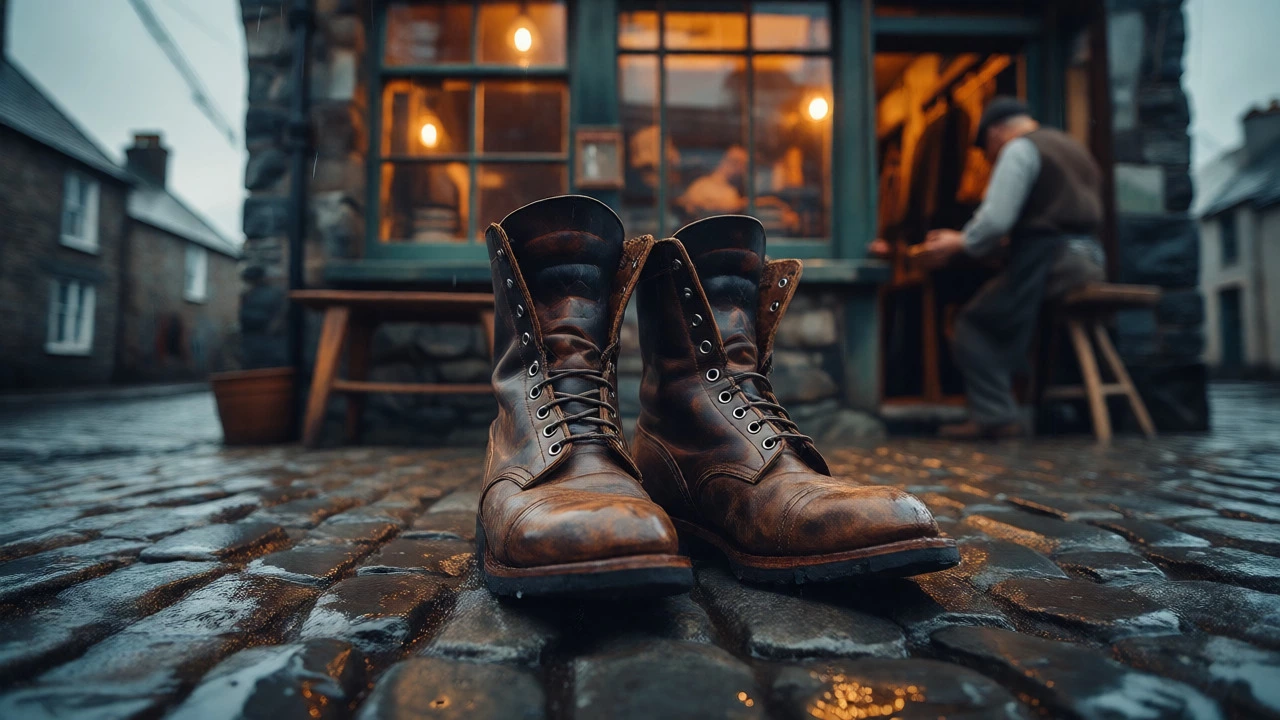
You might ask, why bother with the hassle? Isn’t synthetic easier to clean? In many cases, yes. But consider the long-term economics. A pair of quality real leather boots from a reputable maker can last five to ten years if cared for properly. They develop a patina-a unique sheen and character-that makes them look better with age. Synthetic shoes tend to crack, peel, and lose their shape within two winters, especially when subjected to the slush and salt used on Irish roads during winter months.
Moreover, real leather offers superior insulation and breathability. For commuters taking the Luas in Dublin or walking through windy coastal towns like Dingle, the ability of leather to regulate temperature is a significant advantage. It keeps feet dry by wicking moisture away, whereas plastic traps sweat against the skin. From an environmental perspective, while leather production has impacts, high-quality leather is biodegradable and durable, reducing landfill waste compared to petroleum-based synthetics that shed microplastics with every wear.
Caring for Your Investment
Owning real leather requires maintenance. Don’t let the fear of upkeep stop you from buying it. Use a leather conditioner every few months to keep the hide supple. In Ireland’s damp climate, waterproofing sprays designed for leather are essential tools. Avoid leaving wet shoes near radiators, as direct heat can dry out and crack the material. Stuff them with newspaper to maintain shape while drying naturally.
Supporting local cobbles is also a great way to extend the life of your footwear. Neighborhood shoe repair shops in areas like Ranelagh in Dublin or Shandon in Cork offer services that big-box retailers don’t. They can resole worn-out boots, turning a €300 investment into a decade-long companion. This circular approach fits perfectly with the current trend towards conscious consumption in urban centers across the island.
Does "Genuine Leather" mean the highest quality?
No. "Genuine Leather" is a technical term indicating that the product contains real leather, but it often refers to lower-grade splits or corrected grains. Higher quality terms include "Full-Grain" or "Top-Grain," which indicate the outermost, strongest layer of the hide.
How does Irish rain affect real leather shoes?
Prolonged exposure to heavy rain can damage untreated leather, causing it to stiffen or warp. However, most modern leather shoes are treated with waxes or sealants. Regular conditioning and proper drying techniques mitigate these risks, making leather suitable for Irish weather if maintained correctly.
Can I wash real leather shoes in a washing machine?
Generally, no. Machine washing can strip natural oils, cause glue failure, and distort the shape of leather shoes. Hand cleaning with a damp cloth and specialized leather cleaner is recommended to preserve integrity and appearance.
Are vegan leathers better for the environment?
It depends. Traditional PU/PVC vegan leathers are plastic-based and non-biodegradable. Newer plant-based options (like apple or mushroom leather) are more eco-friendly but less durable. High-quality leather lasts longer, potentially offsetting its higher initial carbon footprint through reduced replacement frequency.
Where can I find authentic leather goods in Ireland?
Major retailers like Brown Thomas and Arnotts stock premium brands. For artisanal options, look for local makers in Dublin’s Temple Bar district, Galway’s Latin Quarter, or online platforms supporting Irish designers who prioritize transparent sourcing and traditional craftsmanship.