Gear Selection Guide: Irish Edition
Not sure what to wear for your next outing? Select your planned activity below to get the recommended gear type and fabric advice for the Irish climate.
GAA, Rugby, Soccer, or Padel matches.
Yoga, Gym sessions, or coastal walks in Kerry.
Coffee runs, grocery trips, or casual city commutes.
Hiking the Wicklow Mountains or dog walking.
Recommended: -
Why this choice?
-
Fabric Tip for Ireland:
The Quick Breakdown
Before we get into the weeds, here is the short version. Sportswear is gear designed for a specific sport or athletic activity. Think of it as the 'uniform' for the game. On the other hand, activewear is a broader category of clothing designed for physical activity in general, often blending performance with everyday style. While sportswear wants you to win a match, activewear wants you to look good while hitting your 10,000 steps on a coastal walk in Kerry.What Exactly is Sportswear?
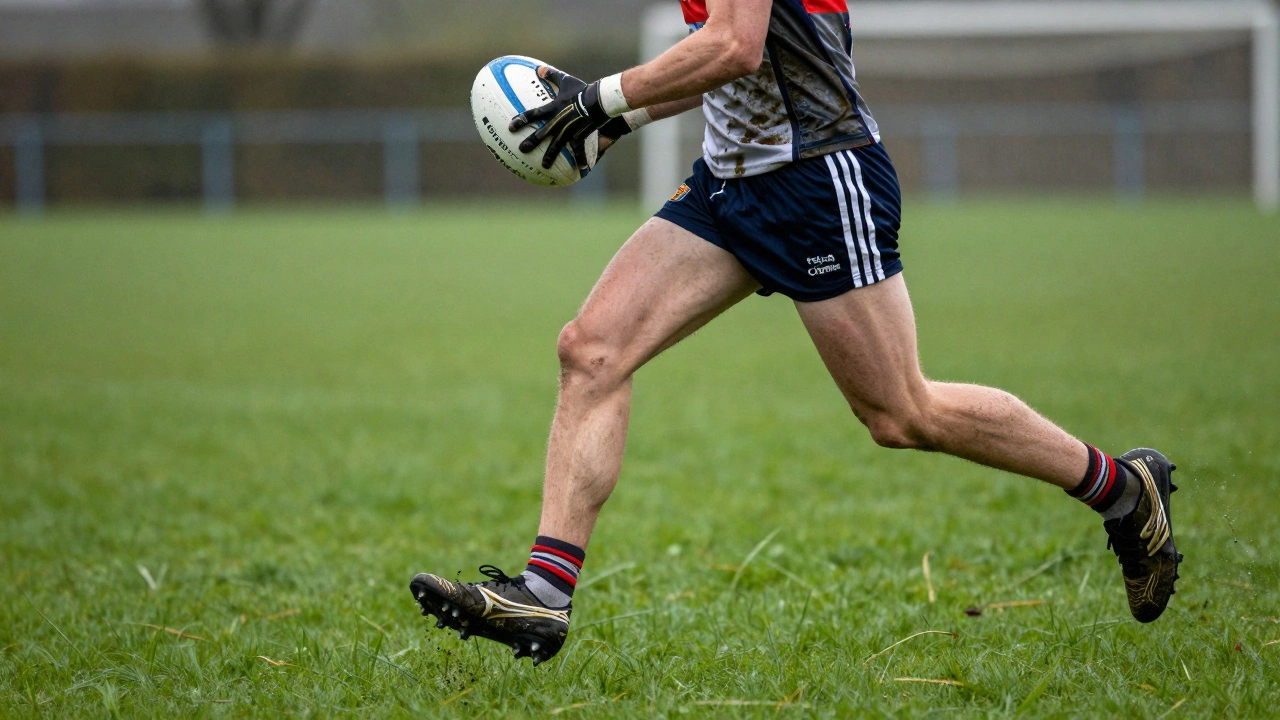
Sportswear (often called athletic wear) is purpose-built. It's the gear that prioritizes performance, safety, and regulation over everything else. If you're playing a game of Gaelic football for your local club, you aren't wearing a fashion statement; you're wearing a kit. Sportswear is characterized by high technical specs. We're talking about cleats that grip the damp grass of a pitch in Croke Park or a reinforced rugby jersey that can withstand a heavy tackle in the mud. It often includes specialized equipment like helmets, shin guards, or compression gear meant to prevent injury. The primary goal here is utility. If the fabric doesn't wick sweat away during a high-intensity match or protect you from the elements during a winter training session in Galway, it's not doing its job.Decoding Activewear and the Rise of Athleisure
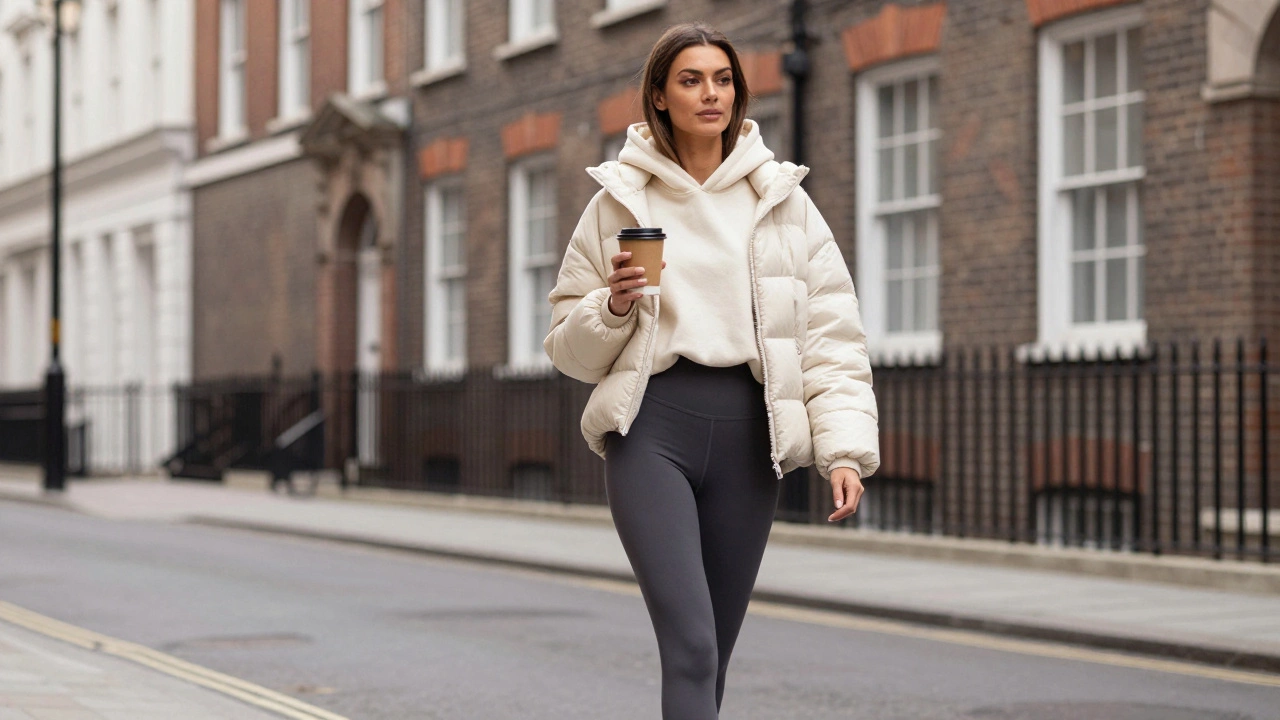
Activewear is the flexible cousin of sportswear. It's designed for 'activity' in the broadest sense-yoga, a brisk walk through the Phoenix Park, or a session at a Flyefit gym. The focus here is on comfort, stretch, and breathability. This is where we see the overlap with Athleisure, which is essentially activewear that's stylish enough to wear to a coffee shop. In Dublin, you'll see this everywhere. It's the high-waisted leggings paired with an oversized hoodie and a puffer jacket. It's gear that says, "I might go to the gym, or I might just go for groceries," and looks perfectly acceptable doing both. Activewear uses materials like spandex and polyester blends that allow your body to move freely without the restrictive feel of traditional sports uniforms.| Feature | Sportswear | Activewear |
|---|---|---|
| Primary Goal | Performance & Regulation | Comfort & Versatility |
| Typical Use | Competitive Matches / Training | Gym, Yoga, Casual Wear |
| Materials | High-durability, Specialized | Stretchable, Breathable Blends |
| Aesthetic | Team-based / Technical | Trendy / Minimalist |
| Example | Rugby Boots, GAA Kit | Yoga Pants, Running Leggings |
Why the Distinction Matters in the Irish Climate
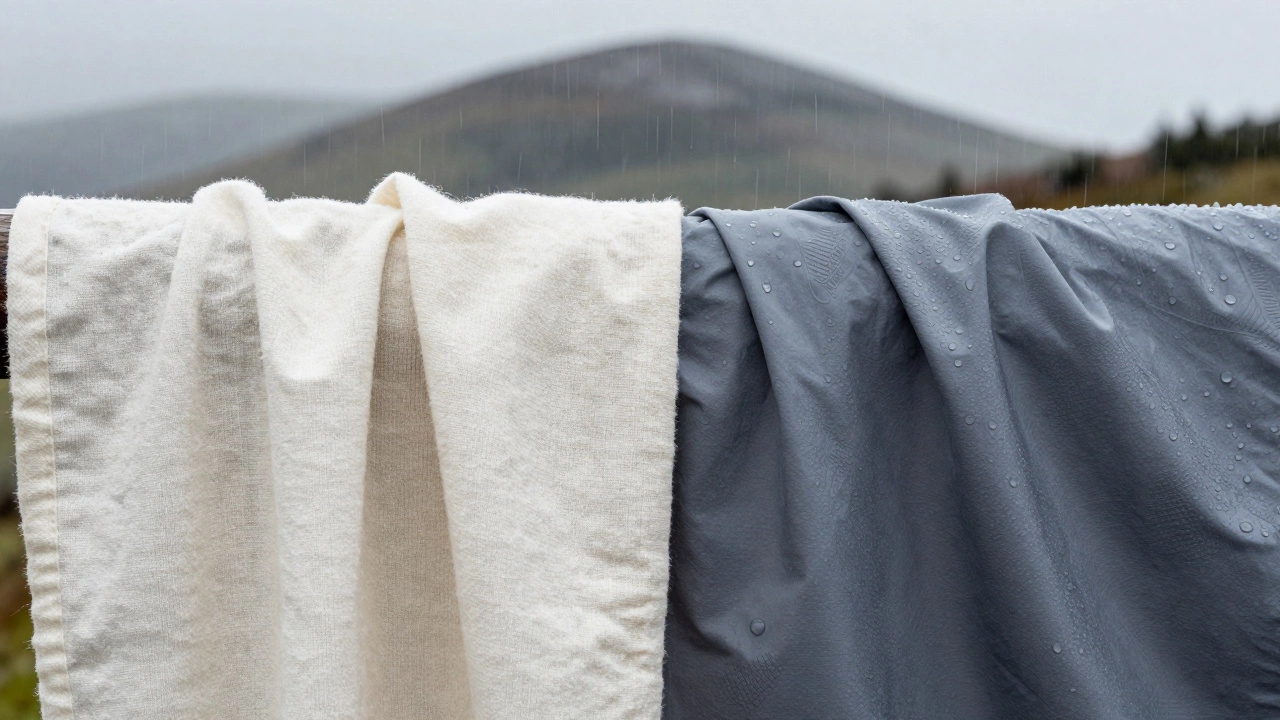
In Ireland, the line between these two often gets blurred by the necessity of layering. Because our weather is so unpredictable, we often mix sportswear elements into our activewear outfits. For instance, a high-performance Windbreaker-which is technically a piece of sportswear designed to protect athletes from wind chill-becomes a staple of a Dubliner's activewear wardrobe. When you're walking the dogs along the Clontarf promenade, you need the technical water-resistance of sportswear but the comfort and style of activewear. If you're buying gear for the Irish market, you have to look at the 'Value' of the fabric. A thin cotton t-shirt might be fine for a gym in California, but here, you need moisture-wicking synthetics. If you wear standard cotton during a hike in the Wicklow Mountains and it starts to rain, the fabric absorbs the water, gets heavy, and strips your body heat. That's why choosing performance-grade activewear (which borrows technology from sportswear) is a safety move in our climate.How to Choose the Right Gear for Your Activity
Not every workout requires the same outfit. To avoid spending money on gear you won't use, it helps to categorize your needs based on the intensity of the movement and the environment.For High-Impact Sports (GAA, Rugby, Soccer): Go for true sportswear. You need fabrics that can take a beating and shoes designed for the specific terrain. In Ireland, this means looking for studs that handle soft, wet ground and fabrics that don't soak up water like a sponge.
For Low-to-Mid Impact (Walking, Yoga, Pilates): Activewear is your best friend. Look for 'four-way stretch' fabrics. This ensures that whether you're stretching in a studio in Cork or walking a trail, the clothes move with you rather than against you.
For the "Everyday Active" Look: This is the athleisure zone. Focus on neutral colors and high-quality basics. A sleek pair of leggings combined with a technical fleece is the unofficial uniform of the modern Irish city dweller. It keeps you warm during a damp commute but looks put-together enough for a casual meeting.
Common Pitfalls When Shopping
One big mistake people make is buying "fashion" activewear that doesn't actually perform. You've seen them-the leggings that look great but are completely transparent when you squat, or the "breathable" tops that actually trap heat and make you sweat more. When shopping at places like Penneys or high-end boutiques in Grafton Street, check the labels. If it's 100% cotton and labeled as "activewear," be careful. Cotton is great for lounging, but for actual activity, you want blends of polyester, nylon, and elastane. These materials move moisture away from your skin, which is crucial for avoiding that chilled, clammy feeling once you stop moving in the Irish breeze. Another trap is ignoring the seasonal shift. A summer activewear set is great for July, but by September, you need to transition to thermal bases. Many people forget that Base Layers are a bridge between sportswear and activewear. They provide the thermal regulation of a professional athlete's gear but fit under a normal sweater for a trip to the shops.Can I wear activewear for competitive sports?
You can, but it might not be ideal. Activewear is designed for comfort and general movement. Competitive sports often require specific protection, grip, or regulation-compliant clothing (like a specific club kit). For example, wearing yoga leggings to play a competitive match of 5-a-side soccer would leave you without the necessary ankle support and grip provided by actual sportswear boots.
Is athleisure the same as activewear?
Almost. Activewear is the functional clothing you wear to exercise. Athleisure is the trend of wearing that activewear in non-athletic settings. If you wear your gym leggings to a workout, that's activewear. If you wear those same leggings to brunch in Temple Bar, you're participating in athleisure.
What fabrics are best for the Irish climate?
Avoid 100% cotton for outdoor activities. Instead, look for synthetic blends like polyester and nylon, which are moisture-wicking. For the colder months, Merino wool is a fantastic choice as it's naturally antimicrobial and keeps you warm even when it's damp.
Do I need different shoes for sportswear and activewear?
Yes. Sportswear footwear is highly specialized-think of the difference between a rugby boot and a running shoe. Activewear footwear, like cross-trainers or fashion sneakers, is designed for general stability and comfort across various light activities.
Where is the best place to buy these in Ireland?
It depends on your budget. For high-performance sportswear, specialized athletic stores or club suppliers are best. For activewear and athleisure, you'll find a huge range from high-street brands in shopping centers like Dundrum Town Centre or online retailers that ship locally.