Irish Footwear Health Checker
Answer these quick questions to determine the best indoor footwear strategy for your feet, considering Ireland's damp climate and common home environments.
Your Personalized Recommendation
Risk Level: LowBest Slipper Type:
--
Why This Works For You:
Things To Watch Out For:
Walk into almost any home in Ireland on a damp November evening, and you will likely see the same scene: socks sliding across laminate floors, toes curling against cold tiles, or feet wrapped in thick woolen slippers that have seen better days. It is a ritual born of necessity. Our winters are wet, our heating bills are high, and our floors are often unforgivingly cold. But here is the question that keeps podiatrists busy: Is wearing slippers actually good for your feet, or are we just protecting our toes from the chill at the expense of our arches?
The answer isn't a simple yes or no. It depends entirely on what kind of slipper you wear, how long you wear it, and what your feet need to stay healthy. In this guide, we will break down the pros and cons of keeping those slippers on, specifically tailored to the realities of living in an Irish climate.
The Cold Floor Problem: Why We Reach for Slippers
Let’s be honest about why we do this. In Dublin, Cork, or Galway, the average winter temperature hovers around 5°C to 8°C, but inside older houses with single-glazed windows or poorly insulated attics, floor temperatures can drop significantly lower. Concrete screeds, common in modern builds like those in the sprawling estates outside M50, hold cold aggressively. Wood and tile don’t insulate well either.
When your feet get cold, your body constricts blood vessels to preserve core heat. This reduces circulation to your extremities. For people with conditions like Raynaud’s phenomenon, which affects a noticeable portion of the Irish population, going barefoot on a cold kitchen floor can trigger painful color changes in the toes-white, then blue, then red. Slippers act as thermal insulation, keeping blood flowing and preventing that uncomfortable numbness. If you live in a drafty Victorian terrace in Ranelagh or a converted warehouse in Smithfield, slippers are less about style and more about basic physiological comfort.
The Support Myth: Are Slippers Actually Bad for You?
Here is where things get tricky. Most cheap slippers-the kind you pick up from a supermarket aisle near Tesco or Dunnes Stores-are essentially soft bags of fabric with a thin rubber sole. They offer zero structural support. Podiatrists often warn that wearing these all day is worse than going barefoot because they encourage a lazy gait. Without a firm heel counter or arch support, your foot muscles relax too much, potentially leading to plantar fasciitis or tendonitis over time.
Think about the mechanics. When you walk barefoot, your foot naturally flexes, gripping the ground and engaging small intrinsic muscles. When you slide into a floppy slipper, your foot stops working. It just glides. Over months or years, this lack of engagement can weaken the arches. If you already have flat feet or fallen arches, wearing non-supportive slippers for hours while cooking dinner or watching RTÉ News can aggravate existing issues.
Not All Slippers Are Created Equal: A Comparison
If you decide slippers are necessary for warmth, you need to choose wisely. The market has shifted. You aren’t limited to novelty cartoon pairs anymore. Here is how different types stack up against each other for foot health:
| Slipper Type | Support Level | Warmth | Best For |
|---|---|---|---|
| Fuzzy Sock Slippers | Low (No structure) | High | Short-term lounging; bad for walking long distances indoors |
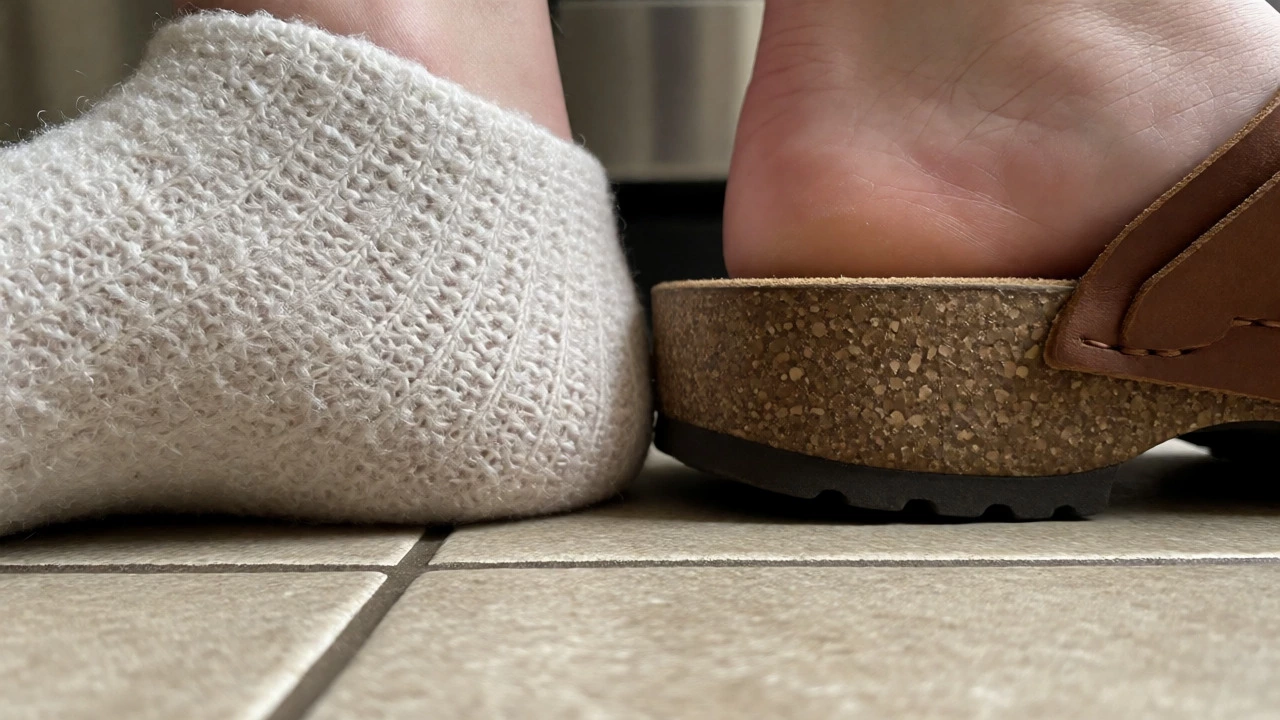
| Leather Clogs (e.g., Birkenstock style) | High (Contoured cork sole) | Moderate | All-day wear; excellent for arch support |
| Memory Foam House Shoes | Medium (Cushioning only) | High | People with sensitive heels; lacks stability |
| Wool Felted Slippers | Low-Medium (Natural shape) | Very High | Cold floors; breathable natural fibers |
Notice the difference between "cushioning" and "support." Memory foam feels great when you step in, but it collapses under weight, offering no resistance to help your arch work. Leather clogs, often made with cork-latex footbeds, mold to your foot shape and provide rigid support. In Ireland, brands like Gabor or traditional Irish wool producers offer felted options that breathe better than synthetic fleece, reducing the risk of athlete's foot-a fungal infection that thrives in warm, moist environments.
The Case for Going Barefoot (When It’s Safe)
There is a growing movement among physiotherapists advocating for more barefoot time. The logic is simple: human feet were designed to grip surfaces. Walking barefoot strengthens the tiny muscles in the feet and ankles, improves balance, and enhances proprioception (your body’s awareness of its position). For children developing their gait, being barefoot indoors is highly recommended by pediatricians.
However, in Ireland, going barefoot comes with risks beyond just cold toes. Consider hygiene. If you have pets, their paws track dirt, pollen, and bacteria from outside gardens onto your floors. In rural areas west of Shannon, mud and farmyard debris are common visitors. Furthermore, hard surfaces like concrete or untreated wood can be harsh on joints if you are overweight or have arthritis. If you choose to go barefoot, ensure your floors are clean and consider using rugs in high-traffic areas to provide some shock absorption.
Hygiene and Moisture: The Hidden Danger
One specific concern for Irish households is moisture management. Our climate is humid. Even with dehumidifiers running, indoor air quality can vary. Synthetic slippers trap sweat. If you wear the same pair of polyester-lined slippers every day without washing them, you create a breeding ground for fungi. Athlete’s foot (tinea pedis) is surprisingly common in the UK and Ireland. Wool is naturally antimicrobial and wicks moisture away, making it a superior choice for long-term foot health compared to acrylic blends.
Pro tip: Rotate your slippers. Don’t wear the same pair two days in a row. Let them air out. Wash washable slippers monthly. This simple habit prevents odor and skin infections.
How to Choose the Right Slipper for Your Lifestyle
Your choice should depend on your daily routine and health status. Use this quick decision tree:
- Do you have back or knee pain? Avoid flat, flimsy slippers. Look for ones with a slight heel lift (1-2 cm) and good cushioning to absorb impact.
- Do you have diabetes? Never wear tight slippers that restrict circulation. Check your feet daily for sores. Opt for seamless interiors to prevent friction blisters.
- Do you spend hours standing in the kitchen? Invest in orthopedic house shoes with a rigid sole. Brands available in Irish pharmacies often carry medical-grade inserts.
- Is your main issue cold feet? Prioritize insulation materials like sheepskin or wool over synthetic fleece, which can feel clammy once sweaty.
In cities like Dublin, where apartments may have shared heating systems that turn off at night, having a dedicated pair of warm, supportive slippers for evening use is practical. Keep a separate pair for daytime if you move around more actively.
Local Context: Traditional Irish Footwear Habits
Ireland has a rich history of footwear adaptation. Think of the traditional Aran sweaters’ counterpart: sturdy wool socks worn with minimal footwear indoors. Historically, rural families might have gone barefoot or worn simple leather pampooties in warmer months, switching to heavy boots outside. Today, the trend is shifting towards hybrid designs-slippers that look like outdoor shoes but have indoor-friendly soles. This reflects a modern lifestyle where boundaries between 'in' and 'out' are blurred, especially with remote work becoming permanent for many tech workers in Silicon Docks.
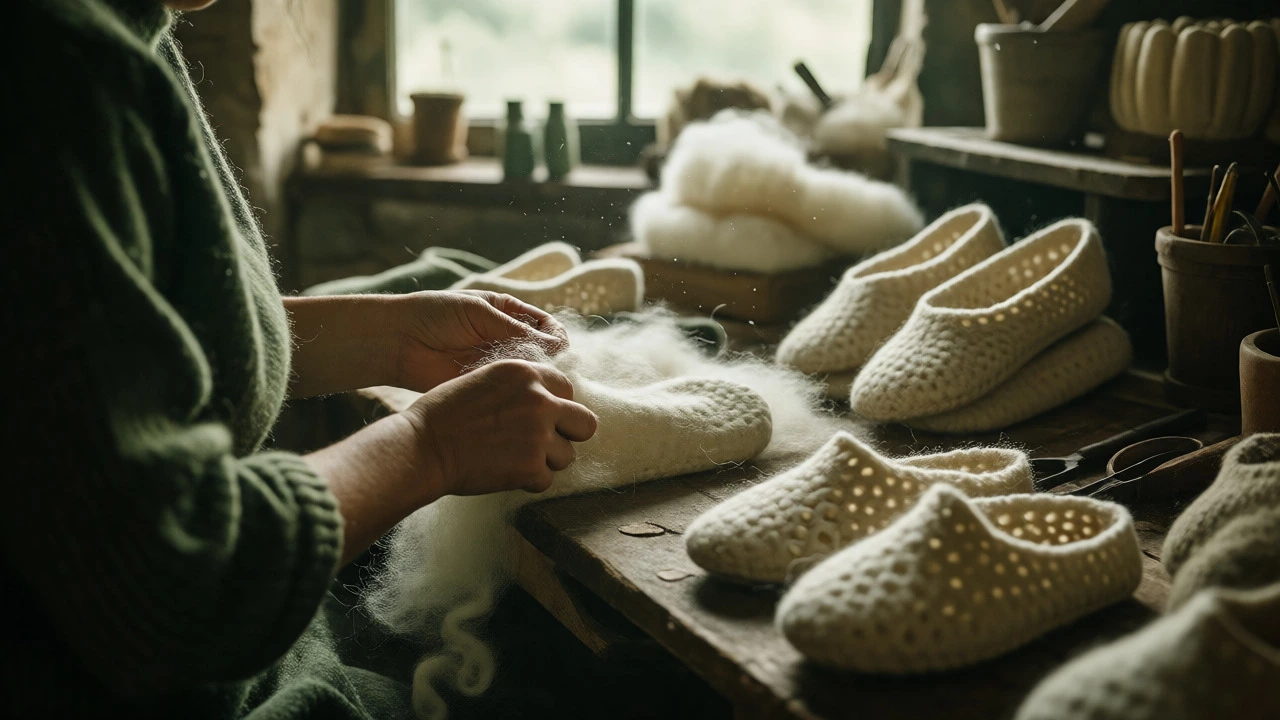
Buying locally supports sustainability too. Many Irish artisans craft wool slippers using wool sourced from local farms. These products tend to last longer than mass-produced imports, reducing waste. Plus, supporting local makers helps keep traditional skills alive in communities across the island.
Are slippers better than socks for indoor wear?
Generally, slippers are better than socks alone because they protect your feet from sharp objects, dirt, and extreme cold. However, socks offer more flexibility and allow the foot to move naturally. If you wear slippers, ensure they fit loosely enough not to compress the foot. For maximum benefit, consider wearing thin cotton socks inside supportive slippers to manage moisture.
Can wearing slippers cause bunions?
Slippers themselves don't directly cause bunions, but ill-fitting ones can contribute to foot deformities. Slippers that are too narrow squeeze the toes together, similar to pointed dress shoes. Over time, this pressure can exacerbate bunion formation or cause neuromas. Always choose slippers with a wide toe box that allows your toes to splay naturally.
How often should I replace my slippers?
You should replace slippers when the sole loses its shape or the upper material stretches out of shape. Typically, this happens every 6 to 12 months depending on usage. If the cushioning feels flat or you notice uneven wear patterns, it is time for new ones. Worn-out slippers lose their shock-absorbing properties, putting more stress on your joints.
Is it safe to wear slippers outdoors in Ireland?
Most indoor slippers are not designed for outdoor use. Their soles are usually smooth and slippery when wet, posing a fall hazard on rain-slicked pavements. Additionally, they lack the waterproofing needed for Irish rain. If you must step outside briefly, such as to check the post, ensure the sole has some tread. For regular outdoor use, switch to proper waterproof boots.
What is the best material for slippers in a damp climate?
Natural fibers like wool, cotton, and leather are best for damp climates like Ireland's. Wool regulates temperature and wicks moisture away from the skin, keeping feet dry and warm. Cotton is breathable but dries slowly. Avoid synthetic materials like polyester or nylon if you are prone to sweating, as they trap moisture and increase the risk of fungal infections.