
Irish Weather Jacket Advisor
Enter your current conditions to determine if you need a jacket and what type is best suited for the Irish climate.
Actual Temperature
Feels Like (Wind Chill)
Recommended Layering Strategy:
You check the forecast on your phone while standing at a bus stop in Dublin. It says 21°C (which is exactly 70°F). You think, "Perfect day for a t-shirt," and step outside. Ten minutes later, you’re shivering, not because it’s cold, but because the wind off the Liffey has cut right through your cotton tee. This scenario plays out daily across Ireland. The short answer to "should I wear a jacket in 70 degree weather?" is almost always yes, but the type of jacket matters more than the temperature itself.
Why 70 Degrees Feels Different Here
In many parts of the world, 70 degrees Fahrenheit (21°C) is warm enough to leave the coat at home. In Ireland, that same temperature can feel significantly cooler due to two main factors: humidity and wind speed. Our maritime climate means moisture hangs in the air, which conducts heat away from your body faster than dry air does. Combine that with an average wind speed that rarely drops below 15 km/h in coastal areas like Galway or Cork, and you get a wind chill factor that can make 21°C feel like 16°C or even lower.
Think about walking along the Cliffs of Moher. Even if the thermometer reads 70 degrees, the Atlantic breeze hits you with full force. Without a barrier, your body loses heat rapidly. This is why locals are seen wearing light layers even on sunny spring days. It’s not just fashion; it’s survival against the elements.
The Layering Rule of Thumb
If you’re heading out in 70-degree weather in Ireland, follow the "peelable" rule. You need a base layer, a mid-layer, and a shell. The jacket acts as your shell. But what kind?
- The Windbreaker: Essential for urban environments like Dublin city centre where buildings funnel wind between streets.
- The Light Wool Blazer: Perfect for office settings or smart-casual events where you might move indoors frequently.
- The Softshell: Ideal for hiking in Wicklow Mountains or walking the Greenways. It breathes better than hard shells.
A common mistake tourists make is packing heavy winter coats for summer trips. A heavy parka will overheat you instantly when the sun comes out, but leaving it behind leaves you exposed when clouds roll in. A lightweight, packable jacket is the sweet spot.
| Jacket Type | Best For | Wind Resistance | Breathability |
|---|---|---|---|
| Denim Jacket | Casual city walks, low wind days | Low | High |
| Windbreaker / Cagoule | Coastal walks, windy cities | High | Medium |
| Light Fleece | Overcast days, early mornings | Low | High |
| Trench Coat | Rainy drizzle, formal occasions | Medium | Medium |
| Softshell | Hiking, active movement | Medium-High | High |
Regional Differences Across Ireland
Not all of Ireland experiences 70 degrees the same way. If you are in Dublin, the East Coast tends to be drier and slightly warmer, but still windy. A light denim or bomber jacket usually suffices here. However, if you travel west to Galway or Kerry, the Atlantic influence increases humidity and wind speed dramatically. There, a waterproof membrane or a tightly woven fabric is crucial, even if it’s not raining heavily.
Northern regions like Derry often experience colder microclimates due to proximity to the North Channel. Conversely, the South East around Waterford can have calmer spells where a simple overshirt works. Always check local forecasts rather than relying on national averages. The Met Éireann app is your best friend for hyper-local accuracy.

Fabric Matters More Than Thickness
You don’t need a thick wool sweater to stay warm in 70-degree weather. You need the right fabric. Synthetic materials like polyester blends used in brands like Helly Hansen or Regatta offer excellent wind protection without bulk. Natural fibers like merino wool regulate temperature better than cotton. Cotton absorbs sweat and stays wet, making you colder when the wind picks up. This is a classic trap for visitors who pack only jeans and t-shirts.
Consider a technical softshell jacket. These are designed specifically for mild but windy conditions. They stretch, breathe, and block wind. You’ll see them everywhere in Irish towns, from hikers in Killarney to commuters in Belfast. They are versatile enough to wear under a heavier coat if temperatures drop unexpectedly.
The Rain Factor
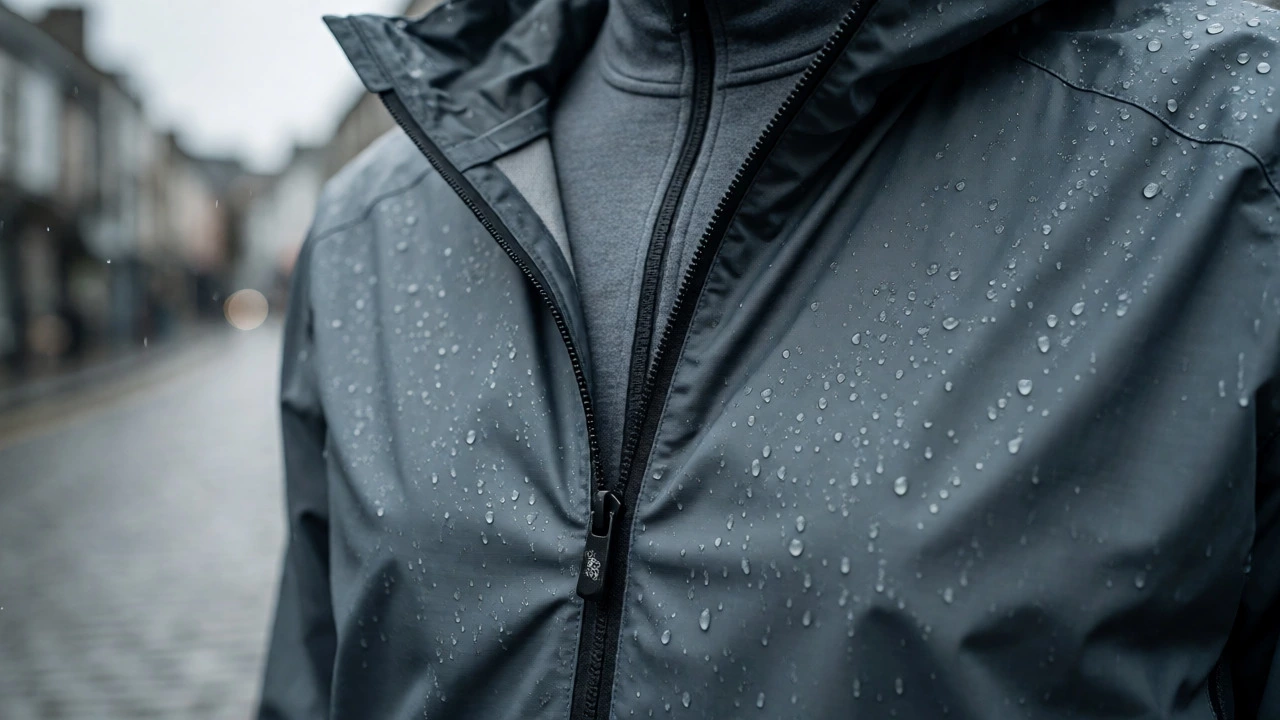
Let’s be honest: rain in Ireland doesn’t care about the temperature. A 70-degree day can turn into a downpour in five minutes. Should you wear a jacket? Yes, but ensure it has water-repellent properties. A standard suit jacket or blazer will soak through quickly. Look for jackets with DWR (Durable Water Repellent) coatings. Many Irish heritage brands, such as Harris Tweed jackets, have natural water resistance, but they are heavier. For daily wear, a modern lightweight rain jacket packed in your bag is smarter.
Remember the old saying: "There’s no bad weather, only bad clothes." While cliché, it holds truth. Being prepared with a packable layer prevents you from seeking shelter in a pub every time a squall passes through.
Social Context and Style
Irish social norms are relaxed regarding attire. Wearing a jacket in 70-degree weather won’t make you look overdressed. In fact, it’s practical. In Dublin’s Temple Bar or Cork’s English Market, you’ll see people in everything from bare arms to full fleece. No one judges. However, if you’re attending a wedding or a business meeting, a light blazer is expected regardless of the temperature. Indoor heating in older Irish buildings can sometimes be inconsistent, so having a layer to remove indoors is polite and comfortable.
For students at Trinity College or UCD, the uniform is often a hoodie or a light gilet. These provide core warmth without restricting arm movement, perfect for moving between lecture halls and the library.
Packing Tips for Visitors
If you’re visiting Ireland during late spring or early autumn, expect 70-degree highs. Pack these three items:
- A waterproof windbreaker (lightweight, packs into its own pocket).
- A merino wool base layer (thin, regulates temp).
- A casual button-down shirt (can act as a light jacket).
This combination covers 90% of scenarios. You can peel layers off if the sun shines brightly, or add them back if the cloud cover returns. Avoid heavy boots unless you plan on hiking muddy trails; sneakers with good grip are fine for city streets.
Is 70 degrees Fahrenheit considered hot in Ireland?
No, 70°F (21°C) is considered mild or pleasant in Ireland, not hot. Due to wind and humidity, it often feels cooler than the actual temperature suggests, making a light jacket advisable for comfort.
What type of jacket is best for 70 degree weather in Dublin?
A lightweight windbreaker or a softshell jacket is ideal for Dublin. These provide necessary wind protection against the Irish Sea breeze while remaining breathable enough to prevent overheating if the sun comes out.
Do I need a waterproof jacket if it's not raining?
Yes, carrying a water-resistant layer is wise in Ireland. Weather changes rapidly, and unexpected showers are common even when forecasts predict sunshine. A packable rain shell ensures you stay dry without carrying heavy gear.
Can I wear a denim jacket in 70 degree weather in Ireland?
You can, but be aware that denim offers little wind protection. On calm days, it’s stylish and sufficient. On windy days, especially near the coast, a denim jacket may not block the chill effectively, leading to discomfort.
How does wind affect perceived temperature in Ireland?
Wind significantly lowers perceived temperature through wind chill. At 70°F with moderate winds, it can feel like 60-65°F. This makes a light insulating layer essential for maintaining body heat, particularly in open areas.