Leather Shoe Fit Calculator
Find Your Perfect Fit
Based on Irish climate and leather properties, determine the ideal shoe size that accounts for stretching and moisture effects.
Results will appear here after calculation
Enter your measurements and select shoe type to get personalized fit recommendations
If you have walked down Grafton Street in Dublin during a March downpour, you know the struggle of finding the right footwear. The question of whether leather shoes should be tight or loose is one of the most common dilemmas for shoppers in Ireland. The short answer is neither. You want a fit that is snug without cutting off circulation, allowing room for the natural expansion of the material. Getting this right means the difference between comfortable walking on Temple Bar cobblestones and ending the day with blisters.
Many people assume new leather footwear should feel like a glove immediately. This is a myth that leads to unnecessary returns and discomfort. Leather is a living material that reacts to body heat, moisture, and movement. In the Irish climate, where dampness is a constant factor, understanding how your shoes behave is crucial for long-term wear. A shoe that feels slightly firm on the first try might be perfect after a week of wear, while one that feels tight now will never loosen enough.
Understanding the Mechanics of a Proper Fit
When you stand up, your feet naturally spread and lengthen slightly. This is a biological fact that many shoppers overlook when trying on shoes in a shop. A fit that feels perfect while sitting might become painful once you start walking. The goal is to secure the heel while allowing the toes to move freely. If your heel slips more than half a centimeter, the shoe is likely too big. Conversely, if you feel pressure on the sides of your feet, it is too tight.
The concept of the Shoe Last is vital here. A shoe last is the mold around which the shoe is built. Different brands use different lasts, which is why a size 9 in one brand might feel like a size 8 in another. In Ireland, you will often find that British sizing standards apply, but EU sizing is also common. Always check the specific brand's sizing chart. The leather shoes fit should prioritize the widest part of your foot, which is usually the ball of the foot. If the leather digs into this area, you will develop pain points that do not go away.
How Leather Reacts to Wear and Weather
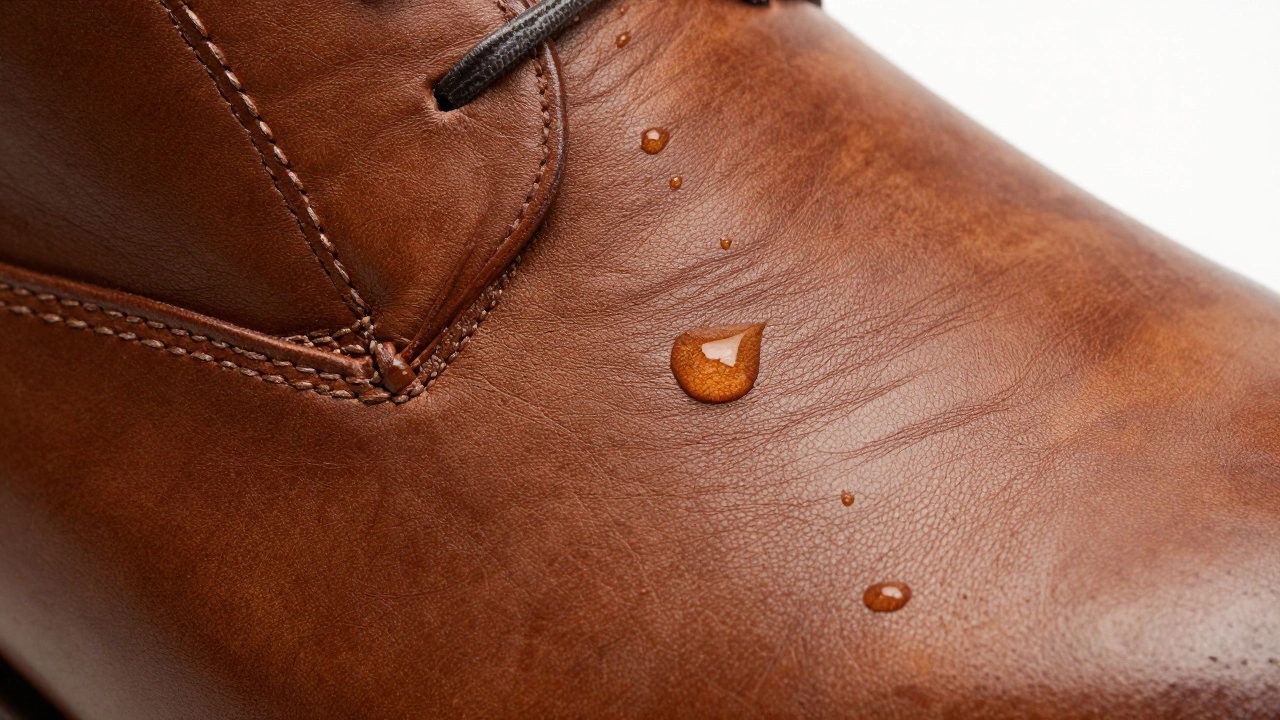
Leather is porous. It breathes and absorbs moisture from the air and your skin. In Ireland, the humidity levels can be high, especially during the spring and autumn months. When leather absorbs moisture, it expands slightly. This is why a shoe that feels tight in dry conditions might feel even tighter after a rainy day. However, over time, the fibers of the leather soften and stretch to accommodate the shape of your foot. This process is known as the break-in period.
Full-grain leather, which is common in quality boots and dress shoes, takes longer to break in than corrected grain leather. It is more durable but stiffer initially. Suede, often used in casual loafers, is softer but more susceptible to water damage. If you live in a coastal area like Galway or Cork, you need to consider how the salt air and rain affect the material. A shoe that is too tight might crack under the stress of stretching in damp conditions, leading to permanent damage.
The Irish Context: Cobblestones and Rain
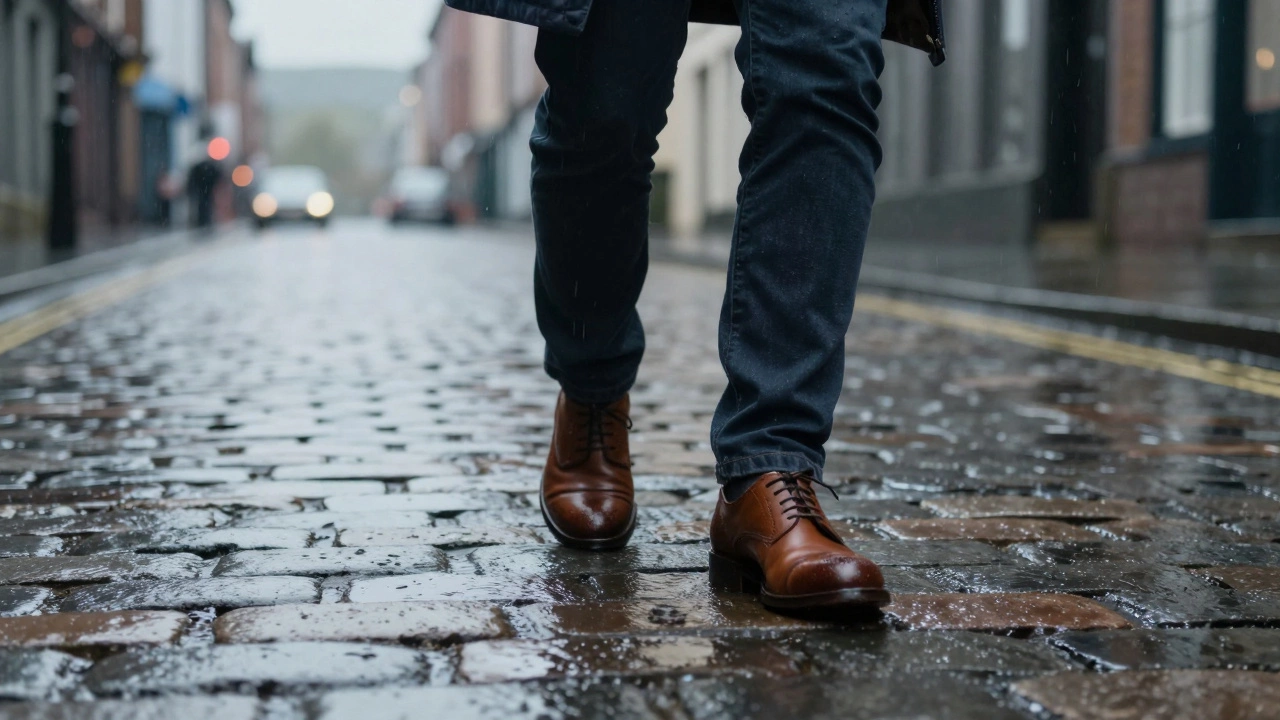
Walking in Ireland involves navigating uneven surfaces. The historic streets of Dublin, Cork, and Limerick are often paved with cobblestones or setts. These surfaces are hard and uneven. A shoe that is too loose will cause your foot to slide inside, leading to friction blisters on the heel. A shoe that is too tight will compress your foot against the hard sole, causing pain in the arch and toes. The ideal fit provides stability. Your foot should not move side-to-side within the shoe when you walk.
Consider the weather. Irish rain is persistent. Wet leather shrinks as it dries if not treated correctly. If you buy shoes that are already tight, and they get soaked, they will shrink and become unwearable. You need a little extra room to account for this potential shrinkage. This is a key piece of advice for anyone buying winter boots or dress shoes here. Always buy for the worst-case scenario of the weather, not just for a dry day in the shop.
Local Brands and Sizing Standards
While international brands dominate the high streets, there are heritage brands that are staples in Ireland. Clarks, for instance, has a strong presence here and is known for comfortable lasts. However, their sizing can differ from Italian brands like Loake. When shopping, do not rely solely on the number on the box. Try on both feet. Most people have one foot that is slightly larger than the other. Always fit the larger foot.
Local cobbler shops are still a resource in many towns. If you find a pair of shoes that are perfect in style but slightly stiff, a local Cobbler can stretch them for you. They use mechanical stretchers that target specific pressure points. This is often cheaper than buying a new pair and ensures you get the exact fit you need. In Dublin, you can find skilled tradespeople who have been working with leather for decades. They understand the nuances of different leather types and how they react to stretching.
| Fit Type | Immediate Feeling | Long-Term Result | Best For |
|---|---|---|---|
| Tight | Pressure on toes and sides | Blisters, cracked leather | None (Avoid) |
| Loose | Slipping heel, extra space | Friction, instability | None (Avoid) |
| Snug | Firm but no pain | Comfortable, molded to foot | Daily wear |
Steps to Check Fit Before Buying
Before you hand over your cash, follow these steps to ensure the shoes will work for you. First, wear the socks you intend to use with the shoes. Thick wool socks for winter boots require more room than thin cotton socks for summer loafers. Second, stand up and walk around the store. Do not just stand still. Third, check the toe box. You should be able to wiggle your toes freely. There should be about a thumb's width of space between your longest toe and the end of the shoe.
Fourth, check the heel. Walk a few steps and see if your heel lifts out of the shoe. If it does, the shoe is too long or the heel counter is too loose. Fifth, check the instep. The top of the shoe should not press down on the top of your foot. This area often causes pain if the shoe is too tight. Finally, do not buy shoes that hurt. The salesperson might say they will stretch, but if it hurts now, it will hurt later. Trust your feet.
Maintenance for Longevity
Once you have the right fit, you need to maintain it. Leather needs conditioning to stay flexible. If the leather dries out, it becomes brittle and will not stretch properly. Use a conditioner suitable for the type of leather you have. For smooth leather, a wax-based conditioner works well. For suede, use a specific suede protector. In Ireland, the damp weather can lead to mold if shoes are stored wet. Always let them dry naturally at room temperature. Never put them near a radiator, as the heat will crack the leather.
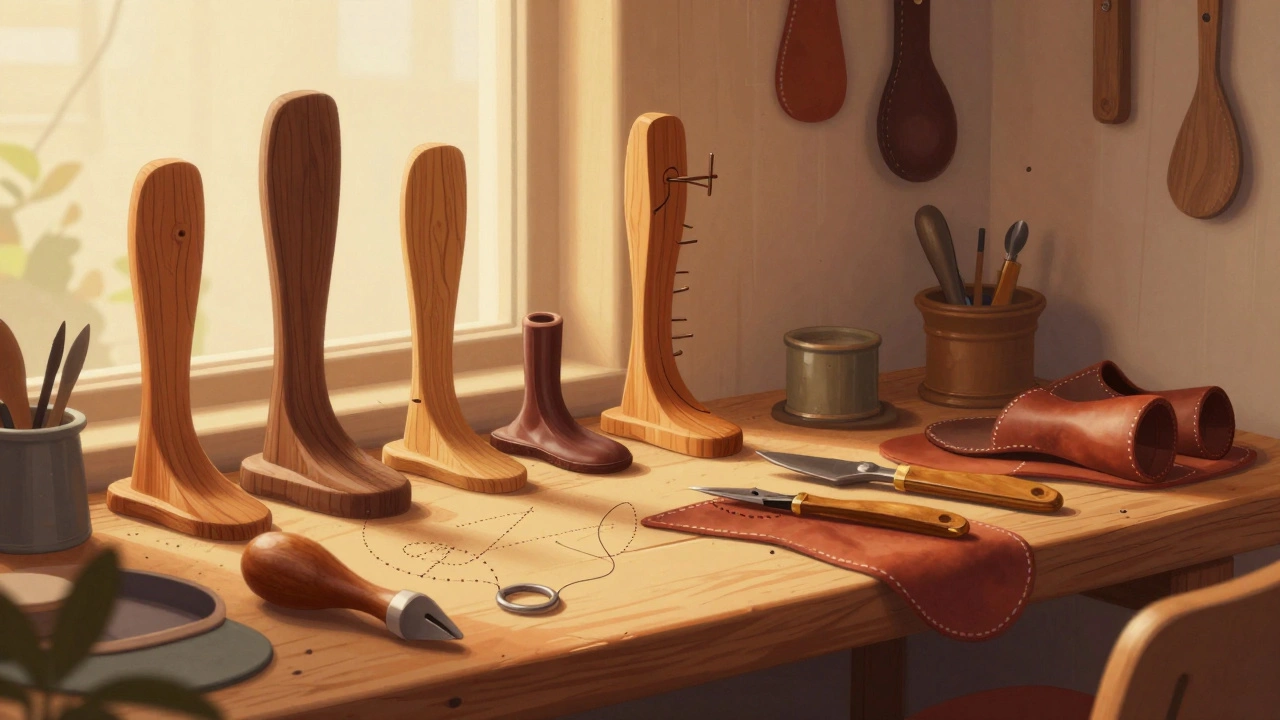
Using shoe trees is another excellent practice. Wooden shoe trees absorb moisture from the inside and help the shoe keep its shape. This prevents the leather from collapsing when not in use. It also reduces the need for stretching later on. If you notice the fit changing over time, it might be time to replace the insole. A worn-out insole can make a shoe feel loose even if the size is correct.
Common Mistakes to Avoid
One common mistake is buying shoes based on size alone. Sizes vary wildly between manufacturers. A size 10 in one brand might be a size 11 in another. Always try before you buy. Another mistake is ignoring the width. If your feet are wide, a standard width shoe will feel tight even if the length is correct. Look for brands that offer wide fittings. In Ireland, many shops stock wide widths for popular brands. Do not be afraid to ask the assistant for them.
Another error is trying to break in shoes too quickly. Do not wear new leather shoes for a full day of work on your first try. Wear them for an hour or two at home first. This allows the leather to start molding to your foot without the stress of a full day's walk. If you push too hard too soon, you risk damaging the leather or injuring your feet. Patience is key to getting a comfortable pair of shoes.
FAQ
How much should leather shoes stretch?
Leather shoes typically stretch about half a size to a full size over time, depending on the thickness of the leather. Full-grain leather stretches less than softer leathers. You should not expect them to stretch significantly in length, mostly in width.
Is it normal for new leather shoes to hurt?
Some mild tightness is normal, but sharp pain or pinching is not. If the shoes hurt significantly, they are likely the wrong size or shape for your foot. You should not have to endure pain to break them in.
Can a cobbler stretch leather shoes?
Yes, a professional cobbler can stretch leather shoes using mechanical devices. They can target specific areas like the toe box or instep. This is a safe and effective way to improve the fit without damaging the material.
Do leather shoes shrink in the rain?
Wet leather can shrink slightly as it dries if not conditioned properly. It is important to let them dry slowly and apply conditioner to maintain the fibers. Buying a slightly roomier fit helps account for this potential shrinkage.
What is the best time to buy shoes?
The best time to buy shoes is in the afternoon when your feet are naturally slightly swollen. This ensures the shoes will fit comfortably throughout the day, not just in the morning when your feet are smaller.
Choosing the right fit for your footwear is an investment in your comfort and health. In a country with challenging weather and historic streets, having the right shoes is essential. By understanding the properties of leather and the mechanics of fit, you can avoid common pitfalls. Remember, a snug fit is the goal, not a tight squeeze. Take your time, try on multiple pairs, and listen to your feet. Your long-term comfort is worth the extra effort in the shop.