Ireland Winter Coat Picker
Select your current weather conditions and the nature of your outing to find the perfect coat from your three-coat strategy.
Waterproof Shell
This is the best choice for your current situation.
Key Takeaways for the Irish Climate
- Three coats are ideal: one for heavy rain, one for extreme cold, and one for smart occasions.
- Focus on breathability and water resistance over sheer bulk.
- Layering is more important than the thickness of a single garment.
- Prioritize materials like wool and Gore-Tex for maximum versatility.
The Three-Coat Strategy for the Emerald Isle
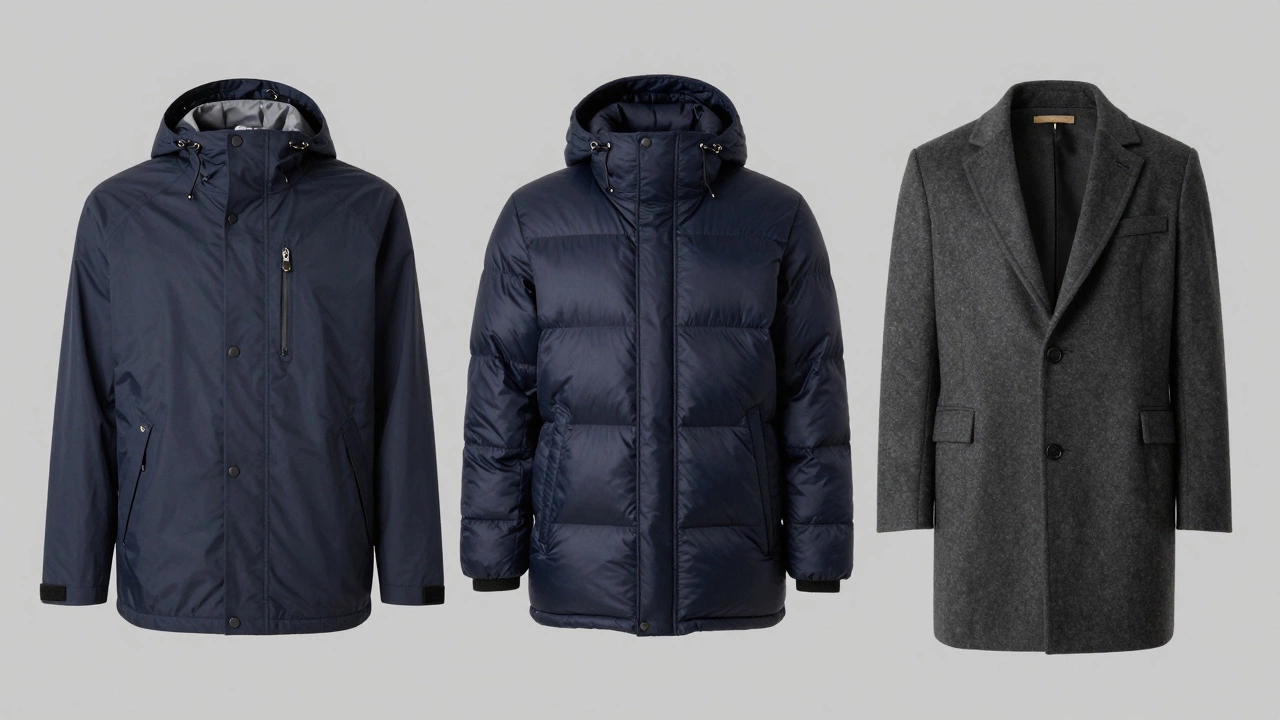
Trying to survive an Irish winter with just one jacket is a gamble that usually ends with you being either soaked to the bone or sweating through your layers. The secret is dividing your outerwear into three specific "jobs." Think of it as a toolkit for your body.
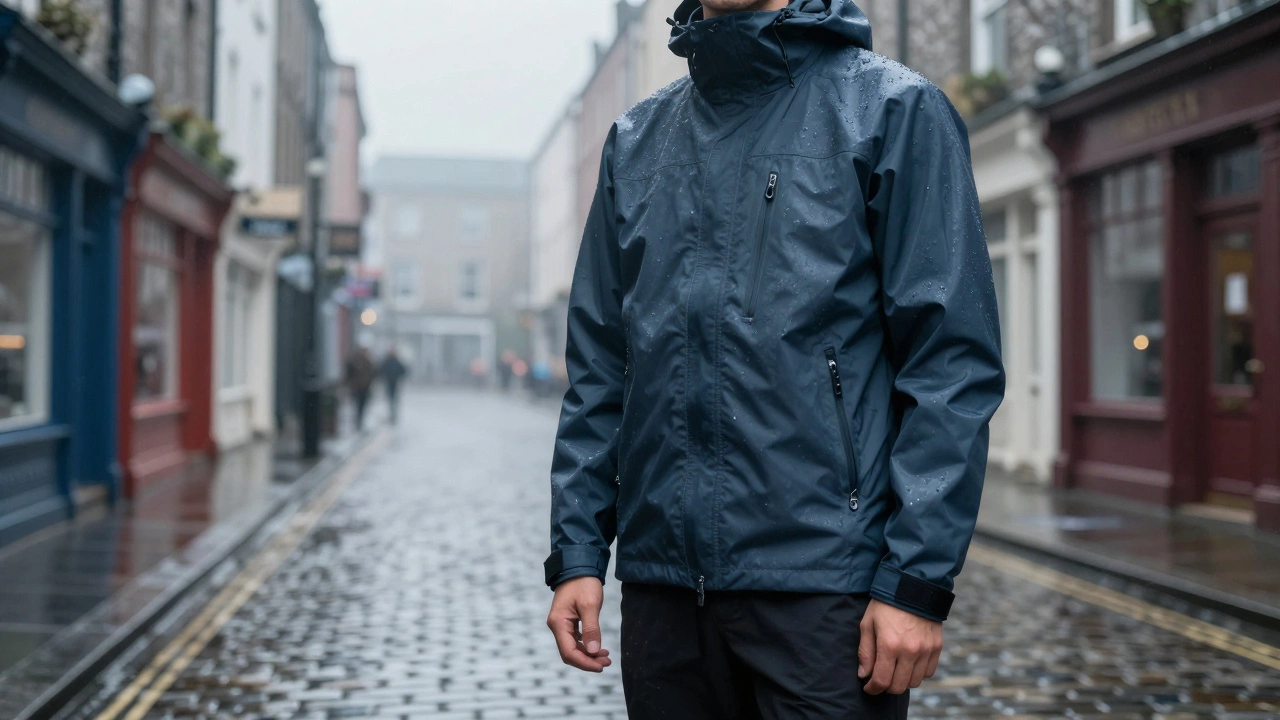
First, you need a Rain Jacket. Let's be honest: a "water-resistant" coat isn't enough when you're walking down Grafton Street in November. You need something truly waterproof. Whether it's a high-end Gore-Tex shell or a sturdy waxed cotton option, this coat is your shield against the Atlantic damp. Its job isn't necessarily to keep you warm, but to keep you dry. If you're dry, you can control your warmth with a jumper.
Second, the "Big Warm One." This is usually a Puffer Jacket or a heavy parka. When February hits and the wind tunnels between the buildings in Cork or Dublin start biting, a thin raincoat won't cut it. You need synthetic or down insulation that traps heat. This is the coat you wear for the school run, the walk to the Dart, or a chilly evening at Croke Park.
Third, the "Smart Option." You can't wear a neon-yellow hiking jacket to a wedding in the West of Ireland or a business meeting in the Docklands. A Wool Coat or a tailored overcoat is essential. Wool is naturally water-repellent and breathes better than synthetic fabrics, making it perfect for those transitional days where it's cool but not freezing.
| Coat Type | Primary Material | Best For... | Irish Scenario |
|---|---|---|---|
| Waterproof Shell | Gore-Tex / Nylon | Heavy rain/wind | Walking the dog in Howth Head |
| Insulated Puffer | Down / Recycled Poly | Sub-zero temps | Winter mornings in the Midlands |
| Wool Overcoat | Merino / Cashmere blend | Cold but dry/Smart | Christmas party in Temple Bar |
Why Layering Beats a Single Heavy Coat
Many people make the mistake of buying one massive, heavy coat and thinking it's enough. In the Irish market, that's a recipe for discomfort. Why? Because our weather changes every fifteen minutes. If you're wearing a giant parka inside a heated café or a crowded bus, you'll overheat instantly. When you step back outside, you'll be drenched in sweat, which actually makes you colder.
The pro move is using Layering. Start with a base layer (like a thermal tee), add a mid-layer (a fleece or a wool jumper), and top it with one of your three coats. This way, if the sun suddenly decides to peek through the clouds over the Cliffs of Moher, you can peel back a layer without feeling exposed.
If you're looking to save space in your wardrobe, prioritize the quality of these layers. A high-quality merino wool sweater provides more warmth for its weight than a chunky acrylic one, and it doesn't hold onto the smell of damp wool as much.
Avoiding the "Too Many Coats" Trap
Now, does three mean you can't have more? Of course you can, but this is where people start buying duplicates that don't serve a purpose. You don't need three different black puffer jackets. That's not a wardrobe; that's a collection of the same thing. To keep your closet lean, ask yourself: "Does this coat do something my other two don't?"
For example, a Trench Coat is a great addition for the spring, but if you already have a waterproof shell and a wool coat, it might be redundant unless you specifically need it for professional attire. The goal is a Capsule Wardrobe approach where every piece has a specific utility based on the forecast.
Watch out for "fashion" coats that lack function. Those thin, oversized blazers that look great on Instagram will leave you shivering the moment you hit the wind in Galway. If it doesn't have a lining or a wind-blocking fabric, it's not a coat; it's a shirt with extra fabric.
Practical Care for Irish Outerwear
Our humidity is the real enemy of coats. If you throw a damp wool coat into a cramped wardrobe, it'll smell like a wet dog by morning. To make your three coats last a decade, you need a bit of maintenance.
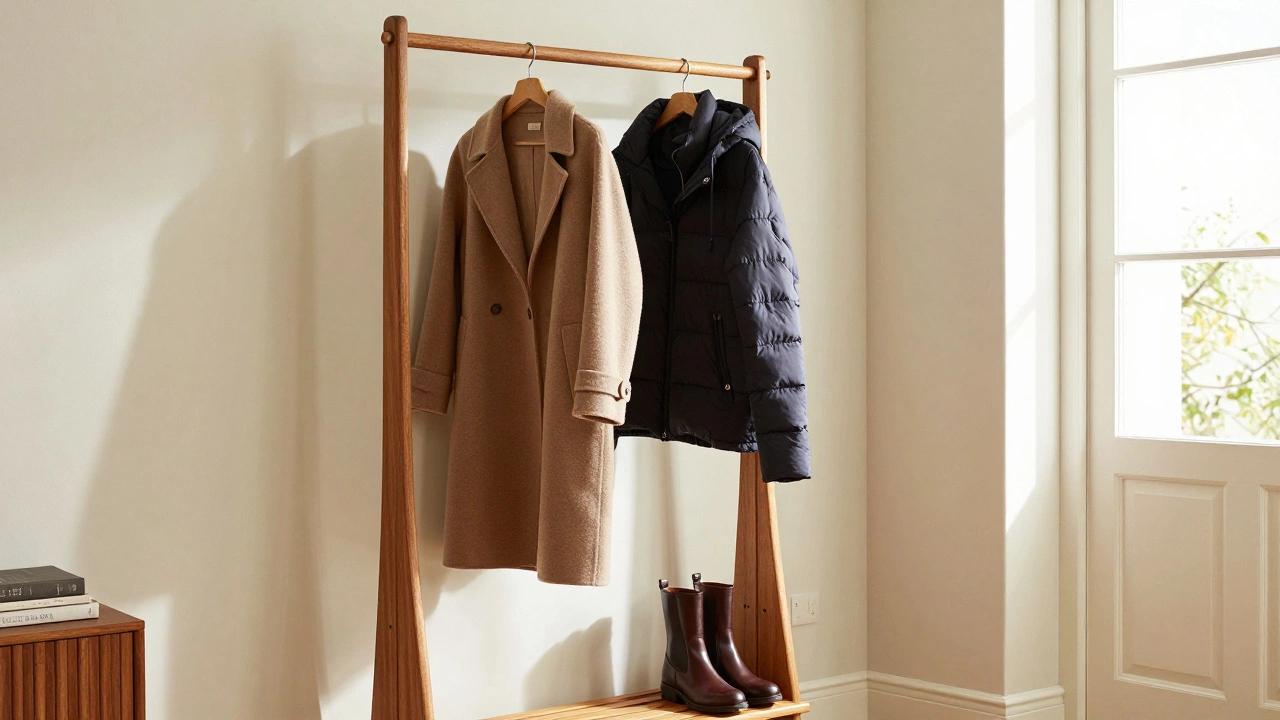
- Dry Properly: Never put a wet coat directly against a wall. Use a sturdy hanger and give it space to breathe.
- Re-waterproof: If your raincoat starts "wetting out" (where water sinks in instead of beading off), it's time to use a DWR (Durable Water Repellent) spray.
- Wool Care: Use a garment brush or a lint roller on your wool overcoat. Avoid over-dry-cleaning, as the harsh chemicals can strip the natural oils from the wool.
Investing in a good set of hangers is also a game-changer. Wide, contoured hangers prevent those annoying "shoulder bumps" that happen when a heavy puffer jacket is left on a thin wire hanger for too long.
The Verdict: Quality Over Quantity
So, is three coats too much? Not when you're navigating the unpredictable Irish landscape. It's actually the sweet spot for most people. It allows you to be prepared for the rain, the freeze, and the formal event without filling your hallway with a mountain of nylon and wool.
Focus on the materials. Look for high-density weaves and trusted waterproof ratings. Whether you're shopping at a high-street store in Dundrum or browsing independent boutiques in Kinsale, remember that the best coat is the one that makes you ignore the weather and enjoy the day.
What is the best material for a raincoat in Ireland?
Gore-Tex or similar breathable, waterproof membranes are the gold standard. They stop rain from getting in while allowing sweat to escape. Waxed cotton is a great traditional alternative, though it requires more maintenance and is slightly heavier when wet.
Can I just use one heavy puffer for everything?
You can, but you'll likely be uncomfortable. Puffers are great for warmth but often poor for heavy rain (unless they have a waterproof shell). They are also too casual for formal events and too hot for the mild, rainy days of October and April.
How often should I replace my winter coats?
A high-quality wool or waterproof coat should last 5-10 years if cared for. Replace them when the waterproof membrane fails (leaks) or when the insulation in a puffer starts to clump and lose its warmth.
Is a leather jacket warm enough for an Irish winter?
Leather is excellent for blocking wind, but it provides almost zero insulation. To make it work in winter, you'll need a very heavy wool sweater underneath. It's better suited for autumn or spring rather than the dead of January.
Where is the best place to store coats in a small Irish apartment?
Use a wall-mounted rail or a standing coat rack near the entrance. The key is to ensure there is enough airflow around the garments so they can dry out between wears, avoiding the musty smell common in damp climates.