Vintage Clothing Age Calculator
Classification Result
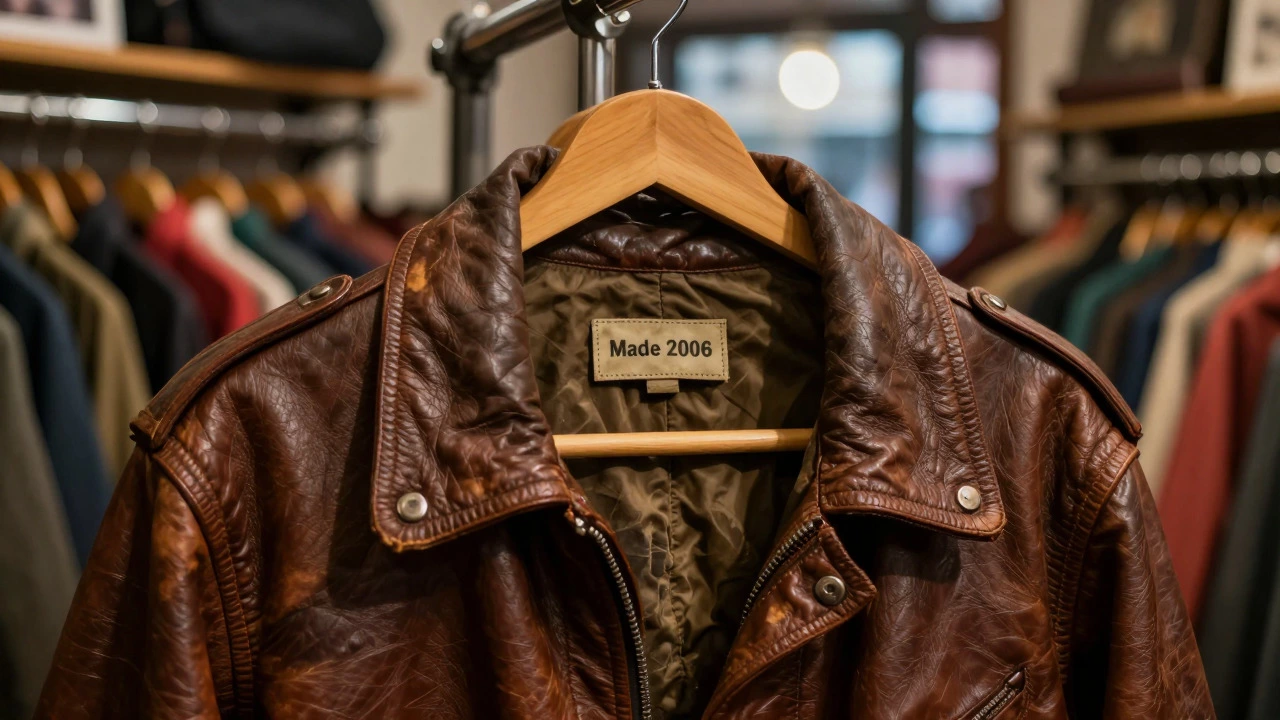
0 Years OldWalking through the narrow streets of Temple Bar or browsing the stalls at Smithfield Market in Dublin, you might spot a leather jacket that looks like it belongs in a museum. You pick it up, check the tag, and realize it was made in 2006. Is this piece considered vintage? Or is it just old? This question comes up constantly for shoppers in Ireland, especially as the secondhand market booms from Cork to Galway. The short answer is no. Generally speaking, clothing needs to be at least 20 years old to even start being discussed as vintage, but most experts agree that true vintage status usually kicks in around the 25-to-30-year mark. A garment from 2006 is technically on the borderline, but it’s more accurately described as "retro" or simply "secondhand."
The Official Definition of Vintage vs. Retro
To understand where your 20-year-old jacket fits, we need to look at how the fashion industry defines these terms. There isn’t one single global law, but there are widely accepted standards used by thrift stores, auction houses, and collectors across Europe.
Vintage clothing is defined as an item that is between 20 and 100 years old. Anything older than 100 years is classified as an antique. However, within that 20-to-100 window, there is nuance. Many purists argue that for a piece to hold significant value or cultural weight, it should be closer to 30 years old. Why? Because trends cycle every decade. An item from 2006 reflects the mid-2000s aesthetic-think low-rise jeans, trucker hats, and specific logo placements-which is still very much part of our recent collective memory rather than a distant era.
In contrast, Retro clothing refers to new items designed to imitate the styles of the past. If you buy a brand-new jacket from a high street store in Grafton Street that looks like it’s from the 1980s, that is retro, not vintage. So, when you find a genuine piece from 2006, it sits in a gray area. It is authentic to its time, but it hasn’t aged enough to be considered a historical artifact by most collectors.
| Category | Age Range | Characteristics |
|---|---|---|
| Modern / Contemporary | 0-20 years | Current or recent past styles; often found in mainstream retail. |
| Vintage (Borderline) | 20-30 years | Early 2000s to late 1990s; gaining nostalgic value but not yet collectible. |
| True Vintage | 30-100 years | Distinctive eras (e.g., 70s, 80s); unique construction; higher collector interest. |
| Antique | 100+ years | Historical significance; fragile materials; museum-quality pieces. |
Why 20 Years Isn't Enough for Most Collectors
You might wonder why the cutoff is so strict. It comes down to supply and demand, particularly in the Irish market. In cities like Dublin and Belfast, the volume of clothing produced in the early 2000s was massive. Fast fashion brands expanded rapidly during this period, flooding the market with synthetic blends and mass-produced items. As a result, finding a rare, high-quality piece from 2006 is difficult because most of what exists is common.
Compare this to a jacket from 1995. That item is now 31 years old. It falls into the "true vintage" category. Items from the 1990s are highly sought after in Ireland right now, driven by Gen Z’s obsession with Y2K aesthetics. Shops in areas like Ranelagh or Merrion Square often stock 90s denim and flannel shirts, charging premium prices because they represent a distinct cultural shift away from the digital age toward analog nostalgia.
A 20-year-old item lacks that scarcity. Unless it is a limited-edition designer piece from a brand like Ralph Lauren or a specific Irish label such as O’Neill’s from their heritage line, a standard jacket from 2006 won’t command a high price. It’s seen as "used" rather than "curated."
The Irish Secondhand Market: Where to Find Real Vintage
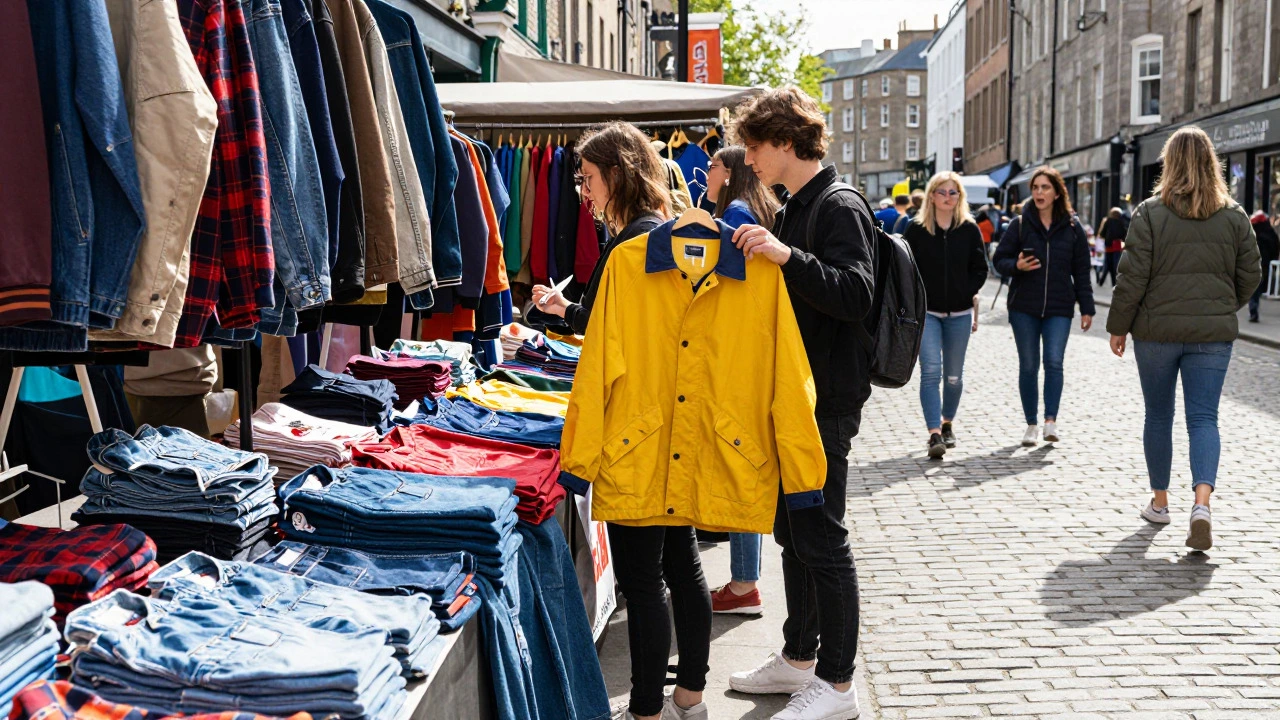
If you’re looking to build a wardrobe with authentic vintage pieces in Ireland, knowing where to look is half the battle. The country has a vibrant secondhand culture, fueled by both economic necessity and environmental awareness. Here’s how to navigate the scene.
Charity Shops: Organizations like the Irish Cancer Society, Marie Curie, and the Spunk Foundation operate thousands of shops nationwide. These are goldmines for hidden gems. While you might find plenty of modern items, dedicated shoppers know to dig deep in the back racks. In rural towns, charity shops often receive donations from estate sales, meaning you might find untouched boxes of clothing from the 1970s or 80s. Prices are incredibly low, usually under €5 per item, making it a low-risk way to experiment with vintage styles.
Specialist Vintage Stores: For those willing to pay more, Dublin has several curated vintage boutiques. Stores like The Vintage Collective or Brown Thomas Vintage offer carefully selected pieces. Here, you’ll find jackets from the 1960s to 1990s, priced between €50 and €200 depending on condition and brand. These shops authenticate their items, so you don’t have to worry about fake labels. They also provide styling advice, helping you pair a 40-year-old blazer with modern trousers.
Flea Markets and Pop-Ups: Events like the Dublin Flea Market at the Docklands or seasonal markets in Cork City bring together independent sellers. These events are great for social shopping and discovering unique pieces. Sellers here often specialize in specific eras, such as military surplus or 1980s sportswear. It’s a lively atmosphere, and haggling is sometimes acceptable, though less common than in traditional bazaars.
How to Spot Authentic Vintage Jackets
Whether you’re hunting in a charity shop in Limerick or browsing online via Vinted (which is hugely popular in Ireland), knowing how to identify genuine vintage is crucial. Here are practical tips to avoid fakes or mislabeled items.
- Check the Label: Look for tags that say "Made in [Country]" rather than just a brand name. Older garments often have detailed care instructions printed on separate tags inside the lining. Brands like Levi’s, Ben Sherman, and Wrangler have specific tag designs for different decades. For example, a Levi’s red tab introduced in the 1970s differs from earlier metal rivet tags.
- Examine the Fabric: Vintage clothing often uses natural fibers like wool, cotton, and leather, which age differently than modern synthetics. Wool should feel soft but substantial, not scratchy or thin. Leather develops a patina-a rich, darkened sheen-that cannot be replicated easily. Synthetic fabrics from the 80s and 90s may show pilling or fading, which can indicate authenticity if consistent with wear.
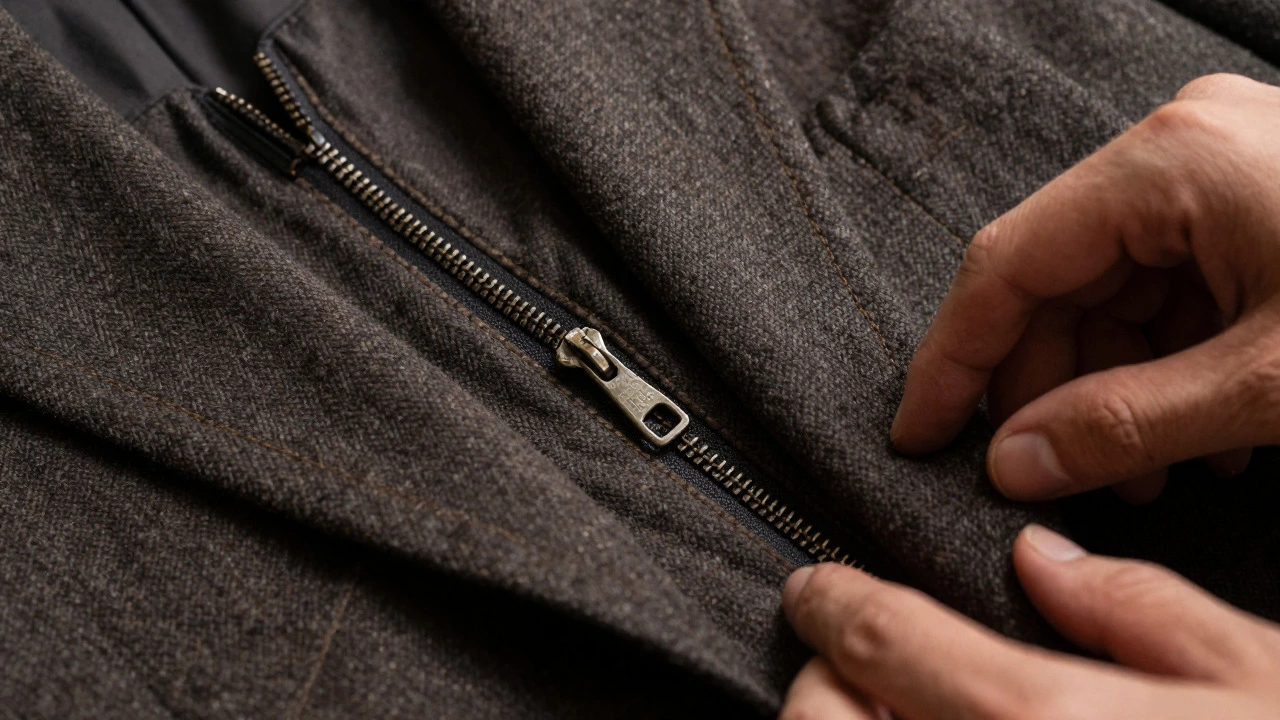
- Inspect the Construction: Older jackets were often built to last. Look for double-stitched seams, heavy-duty zippers (like YKK or Talon), and reinforced buttonholes. Modern fast-fashion items tend to use lighter threads and plastic components that break down quickly.
- Smell Test: Yes, really. Vintage clothing often has a distinct smell-sometimes musty, sometimes like old tobacco or perfume. While not a definitive test, a completely odorless jacket might have been recently cleaned or refinished, which could hide damage.
Sustainability and the Rise of Pre-Loved Fashion
The push for vintage isn’t just about style; it’s about sustainability. Ireland has committed to ambitious climate goals, and reducing textile waste is a key part of that strategy. The Environmental Protection Agency (EPA) reports that millions of tons of clothing end up in landfills annually. By choosing pre-loved items, you extend the life of garments and reduce the demand for new production.
Even if a 20-year-old jacket isn’t "vintage" in the collector’s sense, buying it secondhand is still an eco-friendly choice. Platforms like Vinted and Depop have made it easy for Irish consumers to sell and buy used clothing locally. This circular economy benefits everyone: sellers clear out closets, buyers find affordable fashion, and the planet suffers less pollution.
Moreover, supporting local charity shops contributes to good causes. Every euro spent in a cancer society shop helps fund research and patient support services. It’s a win-win situation that aligns personal style with social responsibility.
Styling Vintage Pieces for Modern Life
Once you’ve found a genuine vintage jacket, how do you wear it without looking like you’re dressed for a costume party? The key is balance. Pair bold vintage pieces with simple, modern basics.
For example, a bright 1980s windbreaker can be toned down with plain black jeans and white sneakers. A 1970s suede fringed jacket looks stunning over a minimalist t-shirt and tailored trousers. In Ireland’s unpredictable weather, layering is essential. A vintage wool coat works perfectly over a modern cashmere sweater and scarf, providing warmth while showcasing your unique style.
Don’t be afraid to mix eras. Combining a 1990s denim jacket with contemporary techwear pants creates an interesting contrast that reflects current fashion trends. The goal is to let the vintage piece shine without overwhelming your entire outfit.
Is a 20-year-old jacket considered vintage?
Technically, yes, as vintage is defined as 20-100 years old. However, many collectors and retailers consider items under 30 years old to be "retro" or "secondhand" rather than true vintage due to their abundance and recent origin.
Where can I find authentic vintage clothing in Ireland?
You can find authentic vintage in charity shops (Irish Cancer Society, Marie Curie), specialist boutiques in Dublin (like Brown Thomas Vintage), and flea markets such as the Dublin Flea Market. Online platforms like Vinted are also popular among Irish users.
What is the difference between vintage and retro?
Vintage refers to original items from the past (20-100 years old). Retro refers to new items designed to imitate past styles. A brand-new jacket styled like the 1980s is retro, while an actual 1980s jacket is vintage.
How much should I expect to pay for vintage jackets in Ireland?
Prices vary widely. Charity shops charge €1-€5. Specialist boutiques may charge €50-€200+ depending on brand, condition, and rarity. Online platforms like Vinted offer mid-range prices, typically €20-€60 for quality items.
Are 20-year-old clothes worth collecting?
Generally, no, unless they are limited-edition designer pieces. Most clothing from the early 2000s is abundant and lacks the scarcity that drives collector value. Focus on items from the 1990s and earlier for better investment potential.