Suit Quality Inspector
Use this checklist before you buy. Answer honestly to get a quality score and specific advice for your potential purchase.
Tip: Pinch the fabric near the bottom buttonhole. Can you separate layers?
Your Suit Score
Awaiting Analysis
Select options above and click calculate to see if this suit is worth the investment.
Specific Advice:
You’re standing in a shop on Grafton Street or browsing the racks at Brown Thomas, and you see a suit that looks sharp. The price tag makes your eyes water, but does it actually justify the cost? In Ireland, where our weather demands versatility and our social calendar ranges from office meetings in Dublin’s Docklands to weddings in rural Galway, buying a suit is an investment. But how do you know if that €800 jacket is worth it, or if the €200 one will fall apart after two wears? It’s not about brand names. It’s about feeling the fabric, checking the stitching, and understanding what makes a garment last through our damp winters and unpredictable springs.
The Fabric Test: Feel Before You Look
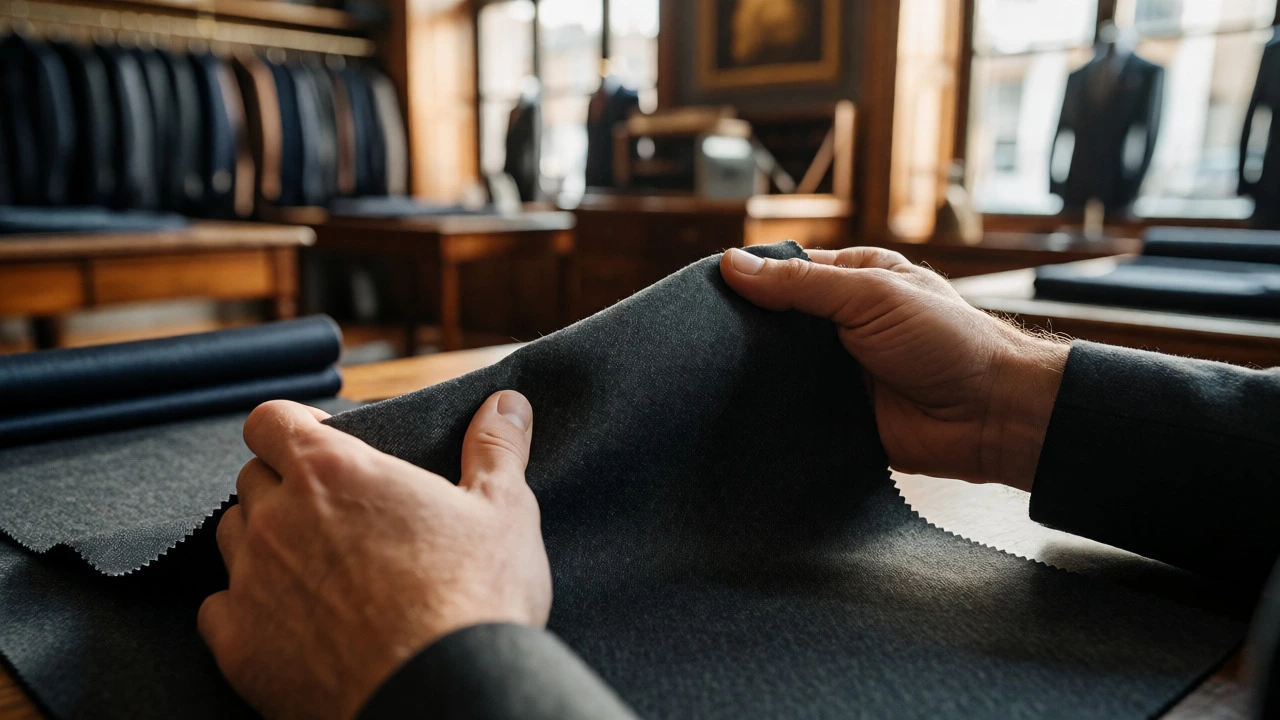
Start with the material. Most good suits are made of wool, specifically Worsted Wool, which is a smooth, tightly woven fabric ideal for business suits due to its durability and crisp appearance. If you can’t feel a difference between a cheap synthetic blend and real wool, here’s a quick trick used by tailors in Dublin’s Savile Row equivalents: crush the fabric in your hand. Hold it tight for ten seconds. Let go. If it springs back quickly and shows few wrinkles, it’s high-quality worsted wool. If it stays crumpled like paper, run away.
In Ireland, humidity is a real factor. Cheap polyester blends trap sweat and smell bad quickly when you’re rushing for the Luas or sitting in a crowded pub. High-twist wools, often called "Fresco" or "Hopsack," breathe better. They’re slightly rougher to the touch but handle rain and indoor heating much better. Don’t be fooled by the sheen. A shiny suit usually means cheap synthetic fibers or over-pressed low-grade wool. A good suit has a matte, natural finish.
Construction Methods: The Hidden Skeleton
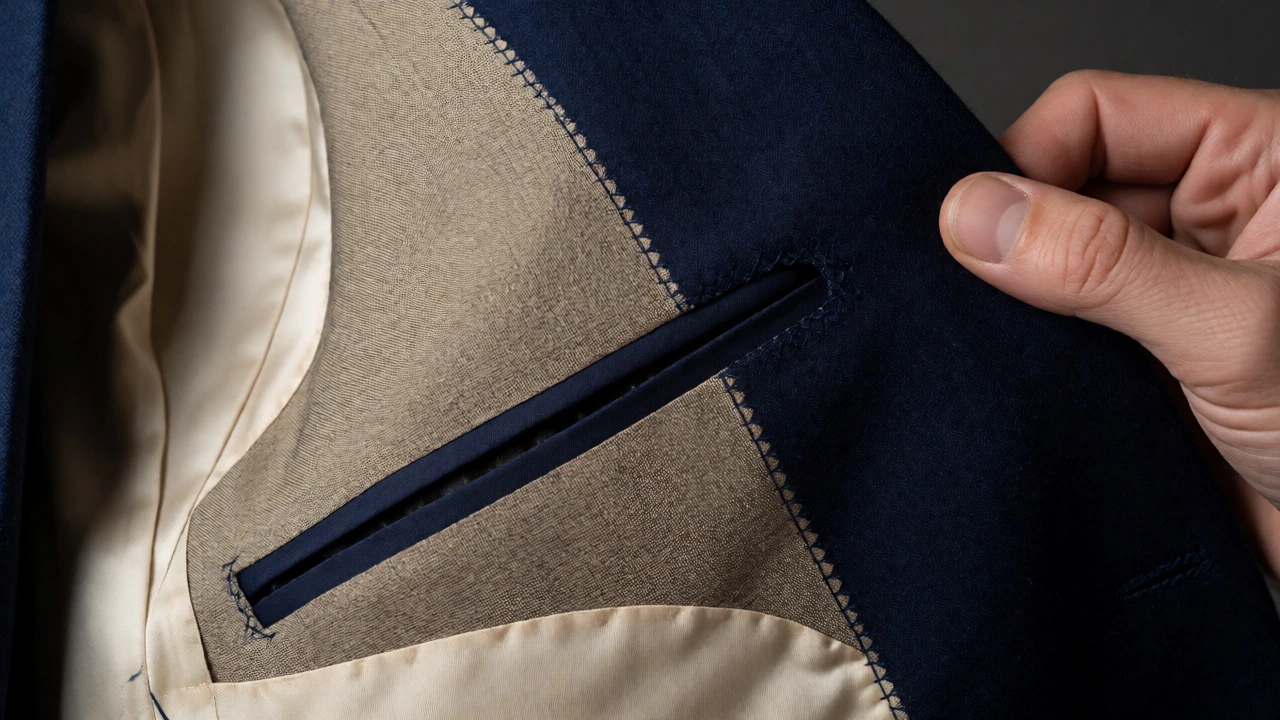
Turn the jacket inside out. This is where the truth lives. You want to look for the canvas. There are three main types of suit construction, and they dictate how the suit ages:
- Fused: The inner layer is glued to the outer fabric. It’s cheap, stiff, and prone to bubbling (where the glue separates) after dry cleaning. Common in fast fashion chains found on Henry Street.
- Half-Canvas: The chest area has a floating canvas layer, while the rest is fused. This offers better shape retention than fused suits at a mid-range price point.
- Full-Canvas: A separate layer of horsehair or cotton canvas is stitched between the lining and the outer fabric across the entire front. This allows the suit to mold to your body over time. It moves with you. When you hug someone, the lapels roll naturally rather than looking like cardboard.
To test this, pinch the fabric near the bottom buttonhole. Try to separate the outer fabric from the lining. If you feel a distinct third layer that slides independently, you’ve got a canvas suit. If the layers feel stuck together as one thick piece, it’s likely fused. For a first serious suit in Ireland, aim for half-canvas minimum. Full-canvas is the gold standard, often found in bespoke shops in Dublin or specialized retailers like Jermyn Street imports.
Stitching Details: The Devil is in the Seams
Look closely at the seams. Machine stitching is uniform and perfect. Hand stitching has slight irregularities. That’s a good thing. Check the buttonholes. Are they neat? Do they have a keyhole shape at the end? Hand-sewn buttonholes are tighter and more durable. They also allow the lapel to roll beautifully.
Another tell-tale sign is the pick stitching. This is a subtle line of thread running along the edge of the lapel. On mass-produced suits, this is often printed on or done by a machine with perfectly spaced stitches. On higher-end suits, especially those tailored locally in Cork or Belfast, you might see uneven spacing. That’s human error, and it’s proof of craftsmanship. Also, check the buttons. Real horn or corozo nut buttons are warm to the touch and have unique grain patterns. Plastic buttons feel cold, slippery, and identical to every other button on the rack.
| Feature | Fused | Half-Canvas | Full-Canvas |
|---|---|---|---|
| Price Range (Ireland) | €150 - €300 | €400 - €700 | €800+ |
| Durability | Low (bubbles over time) | Medium | High (lasts decades) |
| Comfort | Stiff, traps heat | Better drape | Molds to body, breathable |
| Lapel Roll | Flat, pressed look | Natural curve | Soft, elegant roll |
Fit and Structure: The Irish Context
Ireland’s climate means we wear layers. A good suit needs room for movement without looking baggy. Check the shoulders first. They are the hardest part to alter. The seam should sit exactly at the edge of your shoulder bone. No padding extending beyond your natural frame. If you’re buying off-the-rack in a city like Limerick or Waterford, remember that tailoring is non-negotiable. Budget €100-€150 for alterations. A €500 suit altered well beats a €1,000 suit that doesn’t fit.
Pay attention to the sleeve length. Show about 1cm of shirt cuff. In Ireland, we often wear heavier shirts in winter, so ensure there’s enough room in the armhole to move freely. Raise your arms. Does the whole jacket lift up? If yes, the armholes are too low. High armholes allow for freedom of movement while keeping the jacket silhouette clean. This is a hallmark of better pattern cutting, common in European brands versus some American cuts designed for broader frames.
Local Brands and Where to Shop in Ireland
You don’t need to fly to London for a great suit. Ireland has solid options. Tweed & Hooligan in Dublin is famous for bespoke and made-to-measure services using high-quality British and Italian cloths. They understand the local market and offer personalized service. For ready-to-wear, check out M&S Collection’s higher-end lines, which offer surprisingly good half-canvas construction at accessible prices. Yes, really. Their "Pure Wool" suits often punch above their weight class.
If you prefer online, many Irish startups now offer virtual fittings. However, nothing beats trying something on in person. Visit stores in Dublin’s City Centre or Galway’s Eyre Square. Ask staff specific questions: "Is this half-canvas?" "What is the wool weight?" (Aim for 260-300gsm for year-round wear in Ireland). Avoid anything labeled "Super 150s" or higher unless you only wear it occasionally. Those fine fabrics wrinkle easily and aren’t practical for daily commuting on a crowded bus.
Care and Maintenance: Protecting Your Investment
A good suit dies young if treated poorly. Never dry clean more than once or twice a year. The chemicals break down the fibers. Instead, air it out after wearing. Hang it on a wooden hanger that mimics the shape of your shoulders. Wire hangers distort the shape. Use a clothes brush to remove dust and lint. This simple habit extends the life of the fabric significantly.
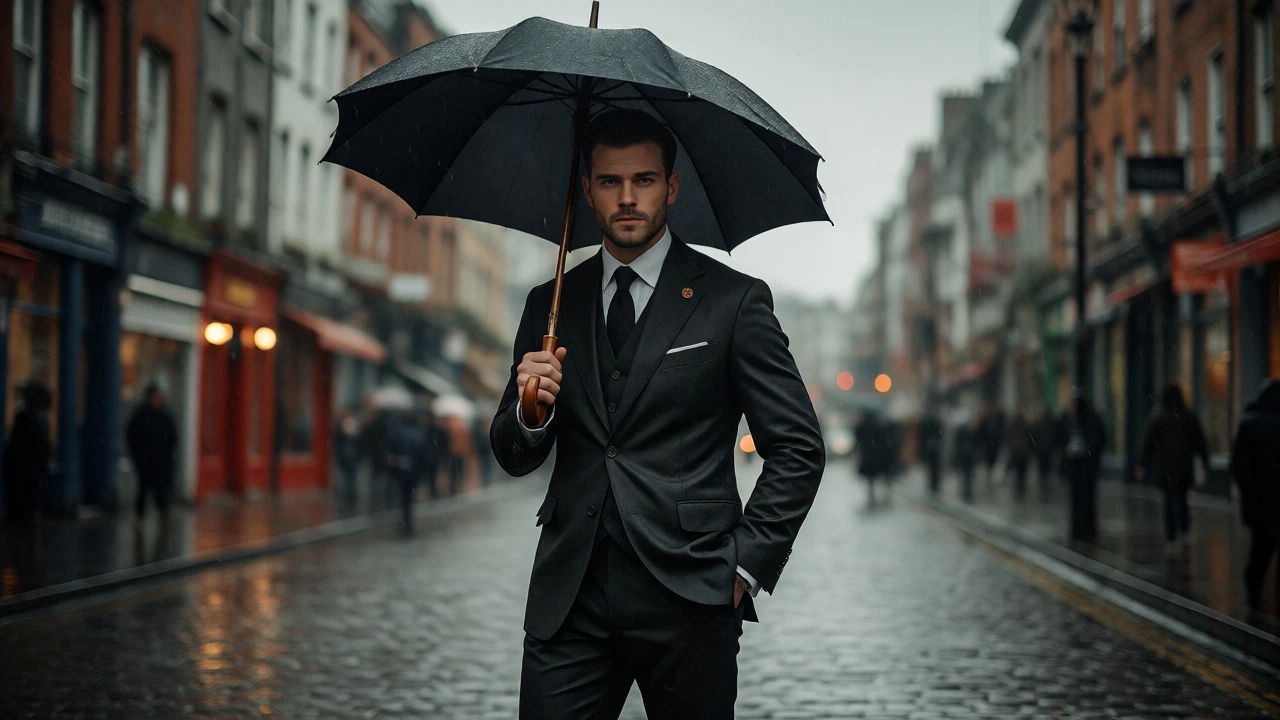
In Ireland, rain is inevitable. Invest in a good umbrella and let your suit dry naturally away from direct heat sources like radiators. If you get wet, hang it in a steamy bathroom; the moisture helps release wrinkles. Rotate your suits. Don’t wear the same one two days in a row. Wool needs 24 hours to recover its shape and release odors. Having three suits in rotation ensures each lasts longer.
Is Super 100s wool better than Super 120s?
Not necessarily. Higher numbers mean finer threads, which feel softer but are more delicate. For daily wear in Ireland, Super 100s to 120s is the sweet spot for durability and comfort. Super 150s+ are luxury items best saved for special occasions.
Can I wash a wool suit at home?
No, never put a structured wool suit in a washing machine. It will shrink and lose its shape. Spot clean small stains with a damp cloth and use professional dry cleaning sparingly.
How much should I budget for tailoring in Dublin?
Expect to pay between €80 and €150 for basic adjustments like hemming trousers and taking in the waist. More complex changes, like adjusting shoulders, can cost €200+. Always ask for a quote before work begins.
What color suit is most versatile for Irish professionals?
Navy blue and charcoal grey are the most versatile. They work for interviews, weddings, and funerals. Black is generally too formal for daytime business in Ireland and is mostly reserved for evening events or strict dress codes.
Do I need a vest/waistcoat for Irish weather?
A waistcoat adds warmth and style without bulk. It’s excellent for autumn and spring. In winter, it works well under a coat. In summer, you can remove your jacket and still look polished with just the shirt and waistcoat.