Irish Suit Quality & Value Checker
Suit Inspection Checklist
Select the options that match the suit you are considering.
Enter Details
Awaiting InputSelect features from the checklist and click "Evaluate Suit" to see if this garment offers good value in the Irish market.
Buying a suit in Ireland can feel like navigating a minefield. You walk into a high street store in Dublin or Galway, see a sharp-looking jacket on a mannequin, and think it’s perfect for your next wedding or business meeting. But once you get it home and try it on, something feels off. The fabric wrinkles after an hour of sitting in a pub in Cork, the lining peels, or the shoulders look like they belong on a different person. Knowing how to tell a cheap suit before you hand over your card is the difference between looking polished and looking like you borrowed someone else’s clothes.
In Ireland, where we value understated elegance and practicality, a good suit should last you through years of damp weather, frequent travel, and social gatherings. Cheap suits fail this test quickly. They don’t just look bad; they fall apart. This guide breaks down exactly what to look for so you can spot low-quality garments instantly, whether you’re shopping online from your kitchen in Limerick or browsing racks in Grafton Street.
The Fabric Test: Feel Before You Buy
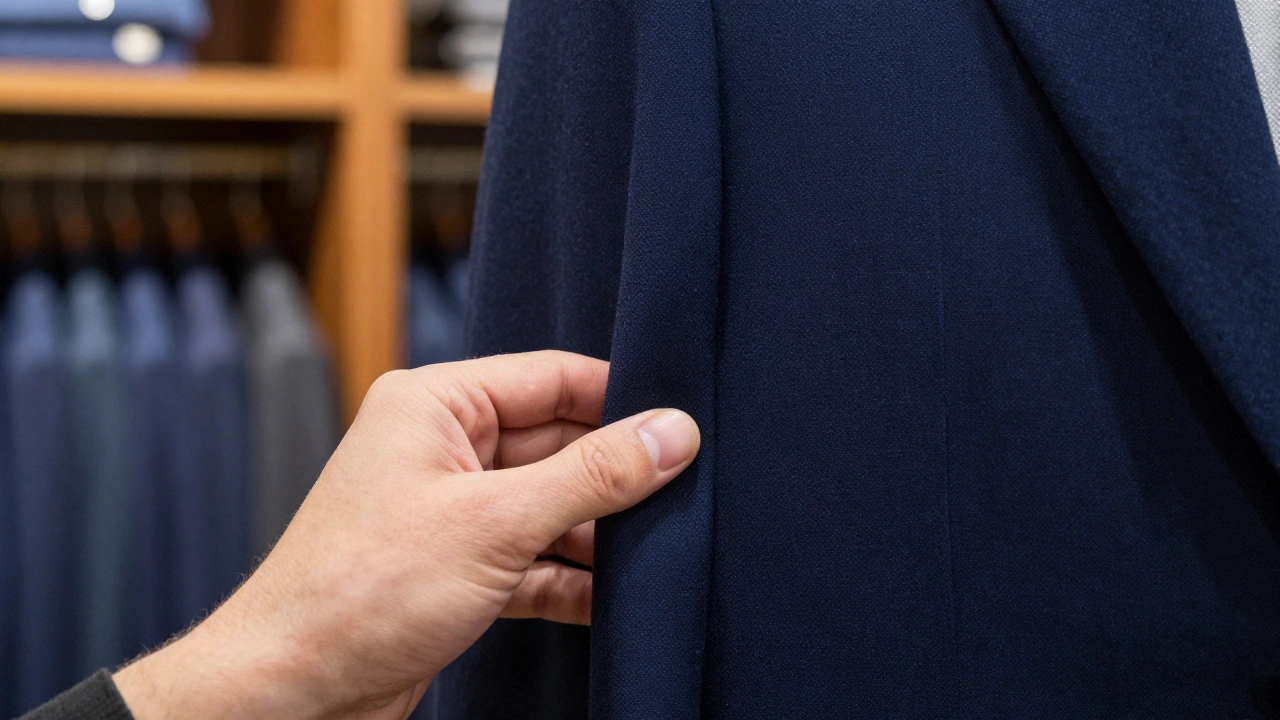
The first thing that gives away a cheap suit is the fabric. High-quality suits are made from natural fibers, primarily wool. Wool breathes, resists wrinkles, and molds to your body over time. Cheap suits use synthetic blends-polyester, acrylic, or viscose-that trap heat and smell stale after a few hours.
When you’re in a shop, run your hand across the fabric. If it feels slick, plastic-like, or unusually shiny, put it back. Real wool has a slight texture and a matte finish. In Ireland, where humidity is high, synthetic fabrics will make you sweat under your arms by lunchtime. Look for labels that say “100% Wool” or “Super 110s” or higher. The ‘Super’ number refers to the fineness of the wool fiber. Super 100s is a great all-rounder for everyday wear. Anything below Super 80s is usually coarse and likely to pill.
Avoid suits labeled as “wool blend” unless you know the percentage. Often, these are mostly polyester with a tiny bit of wool added to justify a higher price tag. For a suit that needs to survive a rainy day commute on the Luas or a long evening at a traditional session, pure wool is worth the extra investment.
Construction: Fused vs. Canvas
This is the technical part that most buyers miss, but it’s the biggest indicator of quality. Open the jacket and look at the inside chest area. You’ll see layers of material holding the shape of the lapel and front.
Cheap suits use a process called fusing. Manufacturers glue a layer of interfacing to the fabric using heat and pressure. It’s fast and cheap. However, glue doesn’t age well. After a year or two, especially if you dry-clean the suit frequently, the glue starts to bubble. You’ll see strange lumps forming along the lapels and front panels. This is irreversible. Once a fused suit bubbles, it’s trash.
Better suits use canvas construction. Instead of glue, a layer of horsehair canvas is stitched between the fabric and the lining. This allows the jacket to move naturally with your body. Over time, a canvas suit actually looks better because it conforms to your shape. When you buy a suit in Ireland, ask the sales assistant if it is “half-canvas” or “full-canvas.” If they hesitate or don’t know, it’s probably fused. Half-canvas is a sweet spot for most people-it offers durability without the premium price of full-canvas bespoke tailoring.
The Details That Don’t Lie
Cheap suits cut corners on details that aren’t immediately visible. Here is what to check:
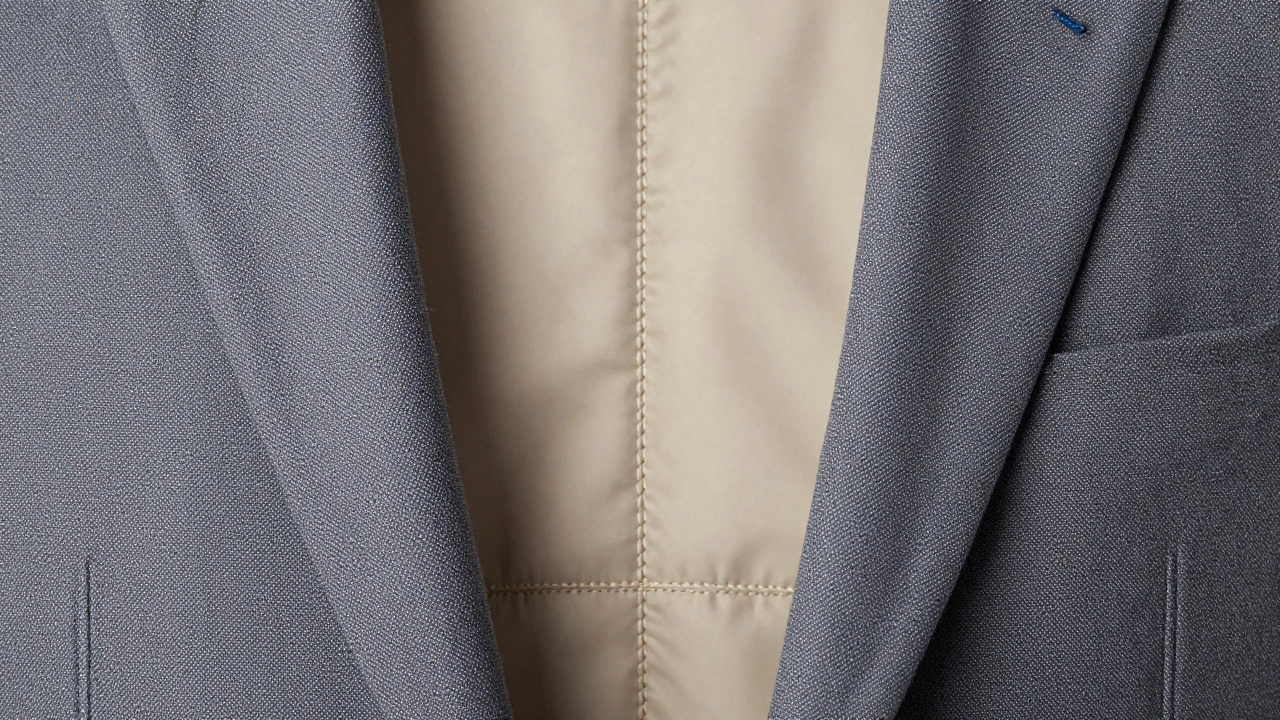
- Lining: Flip the jacket open. Is the lining fully attached to the edges, or does it stop halfway up the sleeve? Cheap suits often have partial linings to save material. A fully lined jacket slides on easier and protects the outer fabric from sweat and friction. Also, check the material. Viscose or Bemberg linings are smooth and breathable. Polyester linings stick to your shirt and cause static cling.
- Buttons: Look at the buttons on the sleeves. Are they sewn on securely with a small loop of thread left behind? This is called a surgeon’s cuff, and it indicates that the sleeves could be adjusted if needed. On cheap suits, the buttons are often glued on or sewn flat with no thread loop. Check the main jacket buttons too. Horn or mother-of-pearl buttons are signs of quality. Plastic buttons that feel lightweight and uniform are common in budget ranges.
- Vent Stitching: Look at the vents at the back of the jacket (the slits). On a cheap suit, the vent might be barely functional, with tight stitching that prevents it from opening properly. A good vent opens freely to allow movement when you sit down. Sit in a chair while wearing the suit in the fitting room. If the jacket pulls tightly across the back or the vents strain, the construction is poor.
- Pockets: Turn the pockets inside out. Are they lined with the same quality fabric as the rest of the interior? Cheap suits often use rough, unfinished fabric inside pockets, which can snag your keys or phone. Functional buttonholes on the front pockets are another sign of quality. Many cheap suits have fake buttonholes that are just stitched shut decoratively.
Fitting Issues Specific to Irish Body Types
One reason many men in Ireland end up with ill-fitting suits is that mass-produced cheap suits are designed for generic, often American, body shapes. They tend to be boxy in the shoulders and loose in the waist. Irish men often have narrower shoulders or different proportions compared to the average US model size.
If you try on a cheap suit off the rack, you’ll likely find that either the shoulders fit but the waist is huge, or the waist fits but the sleeves are too short. Tailoring a cheap suit is rarely worth it. Because the fabric is thin and the structure is fused, altering it can ruin the balance of the garment. Moving a seam on a fused jacket can expose the raw edges or cause the glue to crack.
In contrast, a mid-range suit with canvas construction can be tailored significantly. You can take in the waist, shorten the sleeves, and taper the legs without compromising the integrity of the jacket. If you live in Dublin, Cork, or Galway, there are excellent local tailors who can adjust a good-quality ready-to-wear suit to fit you perfectly. This approach is far more cost-effective than buying a cheap suit that never looked right.

Price Indicators in the Irish Market
While price isn’t the only indicator of quality, it’s a strong one. In Ireland, a suit priced under €200 is almost certainly going to have significant quality compromises. These suits are often imported in bulk and sold in fast-fashion retailers. They may look acceptable in the bright lights of a department store, but they won’t hold up over time.
The sweet spot for a durable, well-made suit in Ireland is between €300 and €600. Brands like Hackett, Ted Baker, and selected lines from John Smedley offer good value in this range. You’re paying for better wool, canvas construction, and attention to detail. If you need a suit for a specific event, such as a wedding in County Kerry or a job interview in Belfast, investing in this price bracket ensures you’ll look sharp and comfortable.
For those on a tighter budget, consider buying second-hand. Ireland has a thriving vintage clothing scene. Shops in areas like Temple Bar in Dublin or the English Market in Cork often carry high-quality brands from previous decades. A ten-year-old suit made with canvas construction and wool fabric will still be in excellent condition, whereas a new cheap suit might already be showing signs of wear.
| Feature | Cheap Suit | Quality Suit |
|---|---|---|
| Fabric | Polyester/Synthetic Blend | 100% Wool (Super 100s+) |
| Construction | Fused (Glued) | Half-Canvas or Full-Canvas |
| Lining | Polyester, Partially Lined | Bemberg/Viscose, Fully Lined |
| Buttons | Plastic, Glued or Flat Sewn | Horn/Mother-of-Pearl, Surgeon’s Cuff |
| Price Range (Ireland) | Under €200 | €300 - €600+ |
| Tailorability | Poor (Risk of Damage) | Good (Adjustable Seams) |
Where to Shop in Ireland for Better Value
If you want to avoid cheap suits, you need to shop in the right places. Avoid large fast-fashion chains that prioritize volume over quality. Instead, look for specialist menswear stores.
In Dublin, stores like Browns of Drury Street or independent tailors in Merrion Square offer curated selections of mid-to-high-end suits. In Cork, shops around Oliver Plunkett Pepperpot provide a mix of international brands and local craftsmanship. Galway has several boutiques on Shop Street that stock reliable European brands known for durability.
Online shopping is convenient, but it makes it harder to assess fabric and construction. If you buy online, stick to reputable brands that provide detailed product descriptions about fabric content and construction methods. Read reviews from other Irish customers who might mention how the suit holds up in local weather conditions.
Remember, a suit is an investment in your appearance. Whether you’re attending a funeral in Donegal, a corporate presentation in Shannon Airport, or a wedding in Dingle, looking sharp boosts your confidence. Knowing how to identify a cheap suit saves you money in the long run by ensuring you buy fewer suits that last longer.
What is the best fabric for a suit in Ireland's climate?
Wool is the best fabric for Ireland. It handles humidity well, breathes effectively, and resists wrinkles. Look for Super 100s to Super 120s wool for a balance of durability and softness. Avoid heavy tweeds for office wear as they can be too bulky, but they are excellent for outdoor events.
Can I tailor a cheap suit to make it look expensive?
Not really. While minor adjustments like hemming trousers can help, major alterations like taking in the waist or adjusting shoulders on a fused, cheap suit often damage the structure. The fabric is usually too thin to support complex tailoring, and the glue can bubble when seams are moved.
How do I check if a suit is half-canvas?
Ask the retailer directly. If you can’t, look at the inside chest area. In a half-canvas suit, you will see a layer of canvas stitching extending from the center front towards the shoulder, but not all the way to the armhole. In a fused suit, you will see a continuous layer of glue or interfacing with no stitching.
Is it worth buying a second-hand suit in Ireland?
Yes, if you choose wisely. Vintage suits from the 1980s and 1990s often feature full-canvas construction and high-quality wool. Thrift stores and vintage shops in cities like Dublin, Cork, and Galway are great sources. Just ensure the suit fits your shoulders well, as that is the hardest part to alter.
What price should I expect for a decent suit in Ireland?
Expect to pay between €300 and €600 for a well-made, durable suit. Prices below €200 usually indicate synthetic materials and fused construction, which degrade quickly. Investing in this range ensures the suit lasts for multiple years and occasions.