Leather Authenticity Checker
Use this checker to evaluate a pair of shoes. Answer the questions based on your physical inspection of the footwear.
What does the shoe smell like?
Run your finger across the surface. How does it feel and look?
Place a drop of water on an inconspicuous area (scratch lightly first if treated). What happens?
Look at the raw edges where the sole meets the upper.
Considering the price and label terms (e.g., 'Genuine' vs 'Full-Grain'):
Analysis Result
Decoding Leather Labels in Ireland
| Label Term | Meaning | Durability Rating |
|---|---|---|
| Full-Grain | Top layer of hide, uncorrected. Most durable. | High |
| Top-Grain | Sanded top layer. Softer, more stain-resistant. | Medium-High |
| Genuine Leather | Often lower quality layers or split leather. Misleading term. | Low-Medium |
| Bonded Leather | Leather dust and fibers glued together. Fragile. | Very Low |
| Vegan / Faux / PU | 100% Synthetic. No animal product. | Variable |
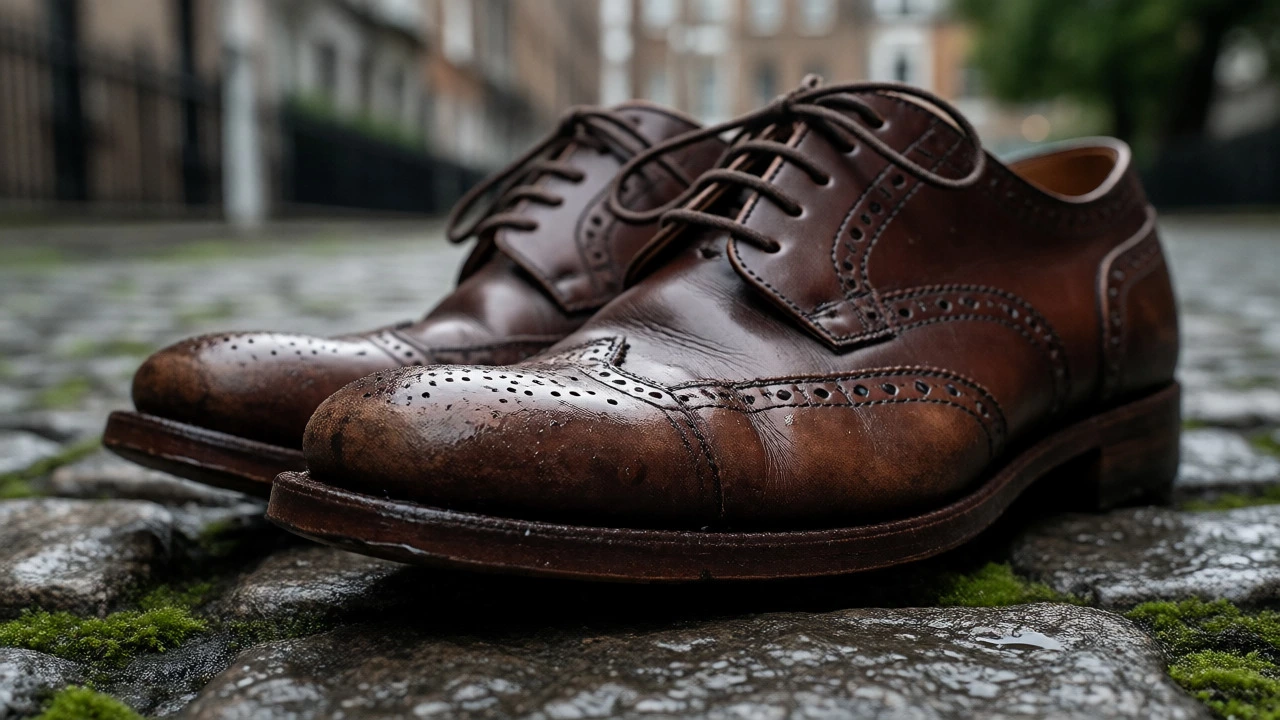
Walking through Dublin’s cobblestoned streets or navigating the damp, windy paths of the Wicklow Mountains demands footwear that can handle the elements. But here is the frustrating truth: a significant portion of real leather shoes sold on the high street are actually made from polyurethane (PU) or vinyl, designed to look expensive but failing within months in our wet climate. If you have ever bought a pair of boots at Grafton Street only to see them crack and peel after two rainy seasons, you know exactly what I mean. Knowing how to distinguish authentic hide from synthetic imitation isn't just about saving money; it is about investing in durability that respects the Irish weather.
The Smell Test: Why Your Nose Knows Best
Before you even check the label, use your senses. This is the most immediate way to tell if shoes are real leather. Genuine leather has a distinct, rich scent-a mix of earth, musk, and the specific tanning agents used in processing. It smells organic. Synthetic materials, often called "pleather" or faux leather, smell like plastic, chemicals, or new cars. If you pick up a pair of brogues in a shop in Cork or Galway and they hit you with a sharp chemical odor, put them back. That smell indicates adhesives and plastics, not cured hide.
There is an exception to watch out for: some manufacturers spray synthetic shoes with artificial fragrance oils to mimic the leather smell. However, these scents tend to be overpowering and fade quickly, whereas the natural scent of real leather deepens and mellows over time. If the smell feels "too perfect" or disappears after ten minutes, be skeptical.
Inspecting the Pores and Grain
Real leather is a natural product, which means it is imperfect. Look closely at the surface. You should see tiny pores, wrinkles, and grain variations. These are the remnants of the animal’s skin. No two patches of cowhide are identical. If the texture looks too uniform-like a printed pattern repeated endlessly across the toe cap-it is likely synthetic. High-quality full-grain leather will show scars, bug bites, or stretch marks. These aren't flaws; they are proof of origin.
In contrast, bonded leather (a mix of leather scraps and glue) or PU leather often has a perfectly smooth, embossed grain that feels plasticky under the fingernail. Run your finger across the surface. Real leather feels warm and slightly textured, offering subtle resistance. Synthetic leather feels cool, slick, and uniformly smooth, much like touching a phone screen protector.
The Water Drop Experiment
This is the definitive test for anyone buying second-hand shoes at markets like the Dublin Flea Market or charity shops in Limerick. Place a single drop of water on an inconspicuous part of the shoe, such as the inner heel counter or inside the tongue.
- Real Leather: The water droplet will slowly absorb into the material, leaving a dark spot that fades as it dries. This happens because leather is porous and hygroscopic-it absorbs moisture from the air and ground.
- Synthetic Leather: The water will bead up and sit on the surface like rain on a waxed jacket. It won't penetrate unless there is a tear or seam failure.
Keep in mind that many modern real leather shoes are treated with waterproofing waxes or sealants, especially those marketed for outdoor use in places like Connemara. These treatments might make the water bead initially. To bypass this, gently scratch a hidden area with your fingernail to break the surface tension before applying the drop.
Check the Cut Edges and Backing
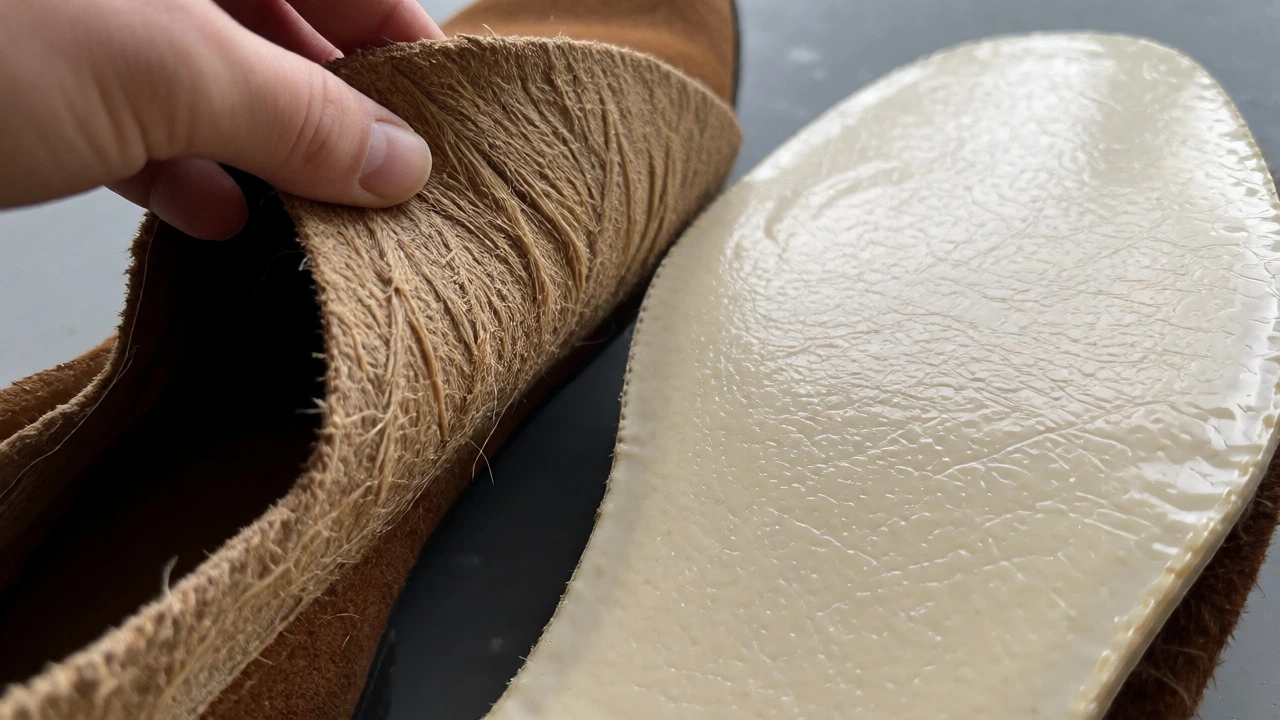
Turn the shoe upside down or look at the raw edges where the sole meets the upper. This is where fakes usually give themselves away. On genuine leather, the cut edge is rough, fibrous, and layered. You might see a suede-like backing underneath the top grain. This is the flesh side of the hide.
Synthetic materials typically have a fabric or foam backing glued to the underside. If you lift the edge of the lining or look at the inside of the shoe, you are looking for a fuzzy, fibrous texture versus a woven cloth layer. Bonded leather often crumbles when bent sharply, revealing a dusty powder underneath the coating. If you bend a synthetic shoe, it tends to crease deeply and permanently, while real leather forms softer, rolling wrinkles that spring back partially.
Reading Labels and Price Tags in the Irish Context
Irish consumer law requires accurate labeling, but terms can be misleading. Here is a breakdown of common labels you will see in stores like Brown Thomas, Arnotts, or independent boutiques in Belfast:
| Label Term | Meaning | Durability Rating |
|---|---|---|
| Full-Grain | Top layer of hide, uncorrected. Most durable. | High |
| Top-Grain | Sanded top layer. Softer, more stain-resistant. | Medium-High |
| Genuine Leather | Often lower quality layers or split leather. Misleading term. | Low-Medium |
| Bonded Leather | Leather dust and fibers glued together. Fragile. | Very Low |
| Vegan / Faux / PU | 100% Synthetic. No animal product. | Variable (often poor in wet) |
Be wary of the term "Genuine Leather." While technically true that it comes from an animal, in the industry, it often refers to "split leather" coated with a polyurethane finish. It lacks the durability of full-grain. For the Irish climate, aim for Full-Grain or Top-Grain if you want shoes that last years rather than seasons.
Price as a Indicator
You rarely get something for nothing. As of late 2026, a pair of handcrafted full-grain leather boots from Irish makers like Loake or local artisans in Kilkenny will rarely cost under €150-€200. If you see a pair of "leather" boots for €49 on sale, they are almost certainly synthetic or bonded. The cost of curing, shipping, and crafting real hide is high. Cheap prices signal cheap materials. However, price alone isn't proof. Some luxury brands mark up synthetic goods heavily. Always combine price checks with physical inspection.
Caring for Real Leather in Ireland’s Wet Climate
Owning real leather shoes in Ireland is a commitment. The dampness can lead to mold if not managed, but dry heat indoors can crack them. Here is how to keep them alive:
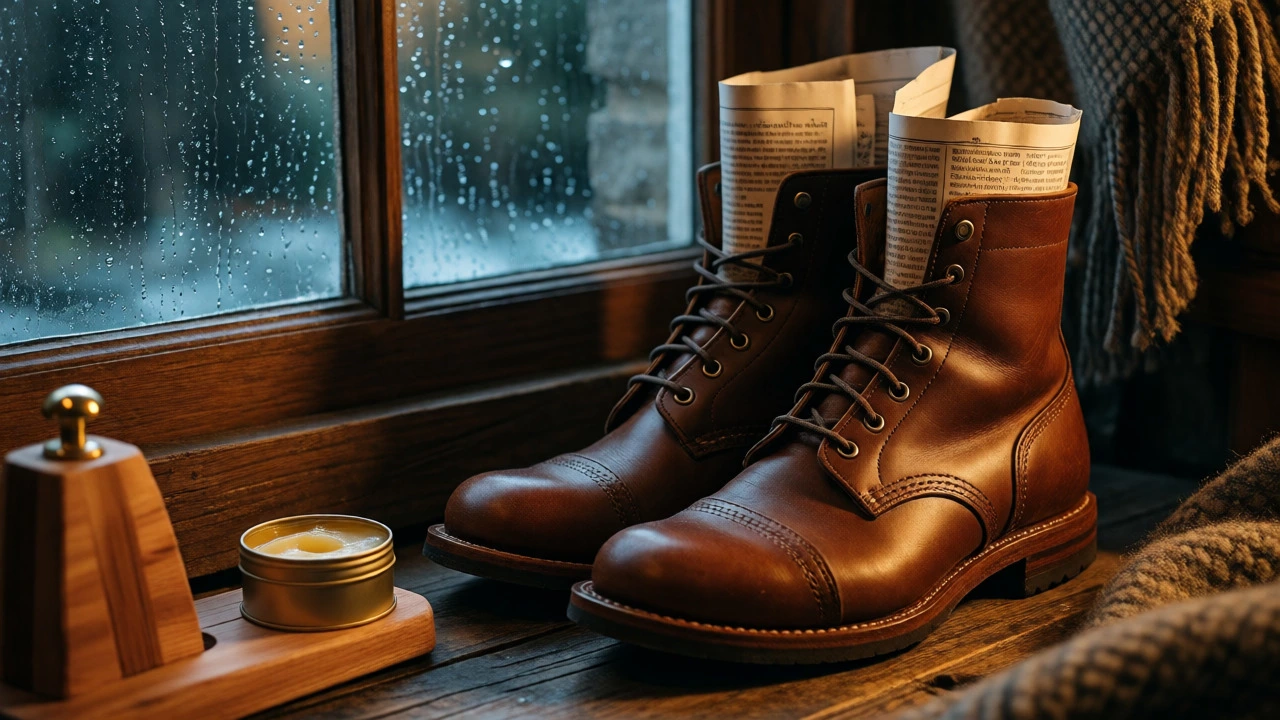
- Dry Naturally: Never place wet leather shoes near a radiator or fire. Heat causes the oils to evaporate rapidly, leading to cracks. Stuff them with newspaper to absorb moisture and maintain shape. Let them air-dry in a ventilated room.
- Condition Regularly: Use a beeswax-based conditioner every 3-4 months. This replenishes the natural oils lost to wind and rain. Brands like Saphir or Kiwi are widely available in Irish hardware stores.
- Use Shoe Trees: Cedar shoe trees absorb residual moisture and prevent creasing. They are essential for maintaining the shape of leather uppers during our frequent rain showers.
- Rotate Your Pairs: Give each pair 24 hours to dry completely before wearing them again. Wearing damp leather stretches it out permanently and encourages bacterial growth.
If you live in coastal areas like Galway or Kerry, salt air can be harsh on leather. Rinse salt stains immediately with a damp cloth and apply extra conditioner. Neglecting this leads to stiff, brittle leather that snaps at the flex points.
Where to Buy Authentic Leather in Ireland
Supporting local craftsmanship often guarantees better quality control. Independent shoemakers in Dublin’s Temple Bar district or online retailers specializing in heritage brands often provide transparency about their sourcing. When shopping online, look for detailed close-up photos of the grain and backing. Reputable sellers will explicitly state "Full-Grain Cowhide" rather than just "Leather." If a return policy seems restrictive, ask for a sample swatch if possible, or rely on the tactile tests once the box arrives.
Does real leather always smell strong?
No. New real leather has a distinct scent, but it fades over time. Older shoes may have a very faint, musty, or neutral smell. If a brand-new shoe has no smell at all, it might be heavily processed or synthetic. However, some vegetable-tanned leathers have a milder scent compared to chrome-tanned ones.
Is vegan leather worse for the Irish environment?
It depends. Traditional PVC vegan leather is plastic-based and doesn't biodegrade, contributing to landfill issues. However, newer plant-based alternatives (cactus, apple, or mushroom leather) are gaining traction. Real leather is a byproduct of the meat industry, so using it utilizes waste, but the tanning process can be polluting if not managed well. For durability in wet climates, high-quality real leather often lasts longer, reducing replacement frequency.
Can I fix peeling synthetic leather?
Not really. Once the polyurethane coating on synthetic leather starts to peel or flake, it cannot be repaired effectively. Glue solutions are temporary and visible. Real leather, however, can be buffed, re-dyed, and conditioned to remove scratches and restore appearance.
Why do my leather shoes feel cold?
Leather is naturally cooler to the touch than fabric because it conducts heat differently. However, unlike synthetic materials, leather warms up quickly to match your body temperature. If they stay ice-cold for a long time, they might be thick synthetic vinyl.
Is 'Genuine Leather' a good quality indicator?
Surprisingly, no. In marketing terms, 'Genuine Leather' often denotes the lowest grade of real leather, usually split leather with a plastic coating. For best quality, look for 'Full-Grain' or 'Top-Grain' labels instead.