
Is it Real? UGG Authenticity Checker
Evaluate the details using our 9-point checklist derived from expert authentication standards.
The Rise of Counterfeit Boots on Grafton Street
If you've walked past Brown Thomas recently or browsed the shelves in Arnotts, you know how much everyone loves UGG boots. They are practically national uniform here when the wind picks up near the Liffey. But with that popularity comes a flood of copies. You can find them in bargain bins in Temple Bar, popping up on Vinted, or worse, being sold by someone pushing a cart near the Ha'penny Bridge claiming they are "discount factory seconds." In Ireland, protecting your investment and understanding consumer rights is crucial. You aren't just buying footwear; you are buying warmth during our notoriously damp winters.
Fake UGGs have gotten better at looking the part, which makes spotting them harder for the average shopper. However, manufacturers cannot easily replicate the complex chemistry of genuine sheepskin. By focusing on the texture, the construction, and the specific labeling standards used by the brand, you can walk away from a deal with confidence. Here is exactly how to inspect a pair before you open the bank app.
Understanding Real Sheepskin vs. Synthetic Faux
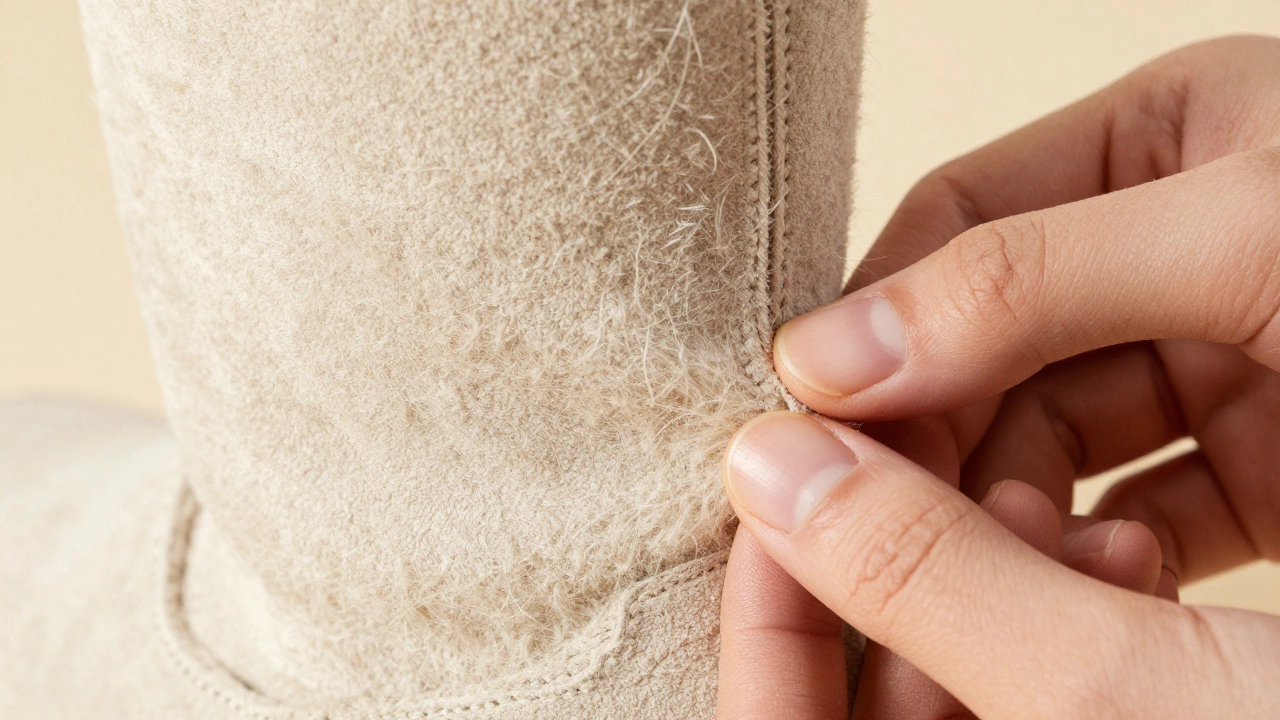
The core identity of the UGG brand lies in its material. While many cheap imitations claim to be sheepskin, they are usually polyester fleece glued onto a plastic base. When you handle genuine double-faced twinface sheepskin, the sensation is distinct. Run your fingers against the grain-the top suede layer should feel soft, almost like velour, while the inner wool should feel dense and resilient, not scratchy or matted.
A simple test you can perform in-store involves the pinch. Pinch a section of the boot shaft between your thumb and forefinger. If it is real sheepskin, you will see the suede and the wool move together as one unit. On fake versions, the fabric often shifts independently because the two layers are glued rather than naturally grown together. Another indicator is the smell. Genuine leather and wool have a natural, earthy scent. If the boots smell heavily of chemical glue or burning plastic, put them back on the shelf immediately.
In Dublin, the cold air coming off the river can sometimes mask odors, but once you take the box home to the warm living room, that chemical stench becomes undeniable. Remember, authentic sheepskin is a porous material. It breathes. Synthetics trap moisture. If your feet sweat through a pair of cheap fakes, they will eventually rot from the inside out, leaving you without warm boots in three months.
Examining the Stitching and Construction Quality
Factory precision is something copycats struggle to maintain. When you pick up a pair of authenticated boots, the stitching should be nearly invisible from a normal viewing distance. Inspect the side panels where the leather meets the sole. There should be no loose threads, gaps, or uneven spacing. Cheap factories often rush production to cut costs, resulting in sloppy seams that fray after a few weeks of wear.
Pay special attention to the heel counter. This is the rigid backing at the heel of the shoe. On a legitimate pair, this support is firm and seamlessly integrated into the sheepskin. Push your finger hard against the back of the ankle area. It should not cave in completely; it needs structural integrity to hold your foot upright. Counterfeit models often use cardboard-thin backing or weak foam that collapses under pressure.
This durability matters for Irish commuting. Whether you're stepping over puddles on Nassau Street or taking the Luas, your footwear takes a beating. High-quality construction ensures the upper won't separate from the sole prematurely. If you notice bubbling around the edges of the sole, even in the shop window, that is a massive red flag.
Critical Check: Logos and Labels
The branding on the inside of the boot tells the story of its origin. Most modern authentic UGGs feature a logo embossed directly into the leather lining on the heel. It should be crisp, with sharp edges and clear lettering. Fake versions often look faded or blurry, as if the stamp wasn't pressed firmly enough into the skin.
Flip the boot to check the size sticker inside the toe box. This label contains critical data. On genuine pairs, the text is printed clearly, often including a serial number or barcode that corresponds to the size and style. If you see spelling errors-such as "AUSTRALIA" spelled wrong or grammatical mistakes on the warning labels-it is a dead giveaway. Brands do not hire translators who miss basic words. Furthermore, verify the country of manufacture listed. While styles vary over years, checking current production regions online helps confirm if the label matches today's manufacturing standards.
Inside the box, there is also a care label stitched into the side of the boot, usually near the bottom seam. Pull gently on the fabric covering the label. If the fabric rips open immediately or tears away from the stitching, the quality of the textile is inferior. Authentic care labels are durable and meant to last for the life of the boot, ensuring you can reference cleaning instructions years later.
The Sole and Bottom Tread Patterns
Look down at the bottom of the boot. The outsole of a real UGG is typically made from a specialized non-marking rubber designed specifically for traction on smooth surfaces. The tread pattern features a distinctive waffle design or geometric grips depending on the model year. These ridges are deep and precise.
Fake manufacturers often try to replicate these shapes using lower-grade rubber molds. The result is a tread that looks flat or muddy. Press your fingernail into the rubber tread of the bottom. Real rubber will give slightly and bounce back, whereas counterfeit soles tend to feel harder, more brittle, and sometimes leave a greasy residue on your hands.
This matters immensely during the rainy season in Ireland. If the sole is low quality rubber, you risk slipping on wet pavement outside the Grand Canal Hotel or in train stations. The grip on an authentic boot is tested to industry safety standards, providing peace of mind when navigating slick cobblestones.
| Feature | Genuine UGG | Counterfeit / Fake |
|---|---|---|
| Material Feel | Dense, fluffy wool; suede moves with leather | Flat, scratchy fabric; suede detaches from backing |
| Smell | Natural earthy leather scent | Strong chemical or glue odor |
| Stitching | Even, tight, no loose threads | Gaps, messy alignment, loose ends |
| Sole Flexibility | Flexible rubber with defined tread | Hard, brittle, shallow pattern |
| Packaging | Thick white box with color-matched print | Thin, flimsy card with dull printing |
Evaluating the Box and Packaging
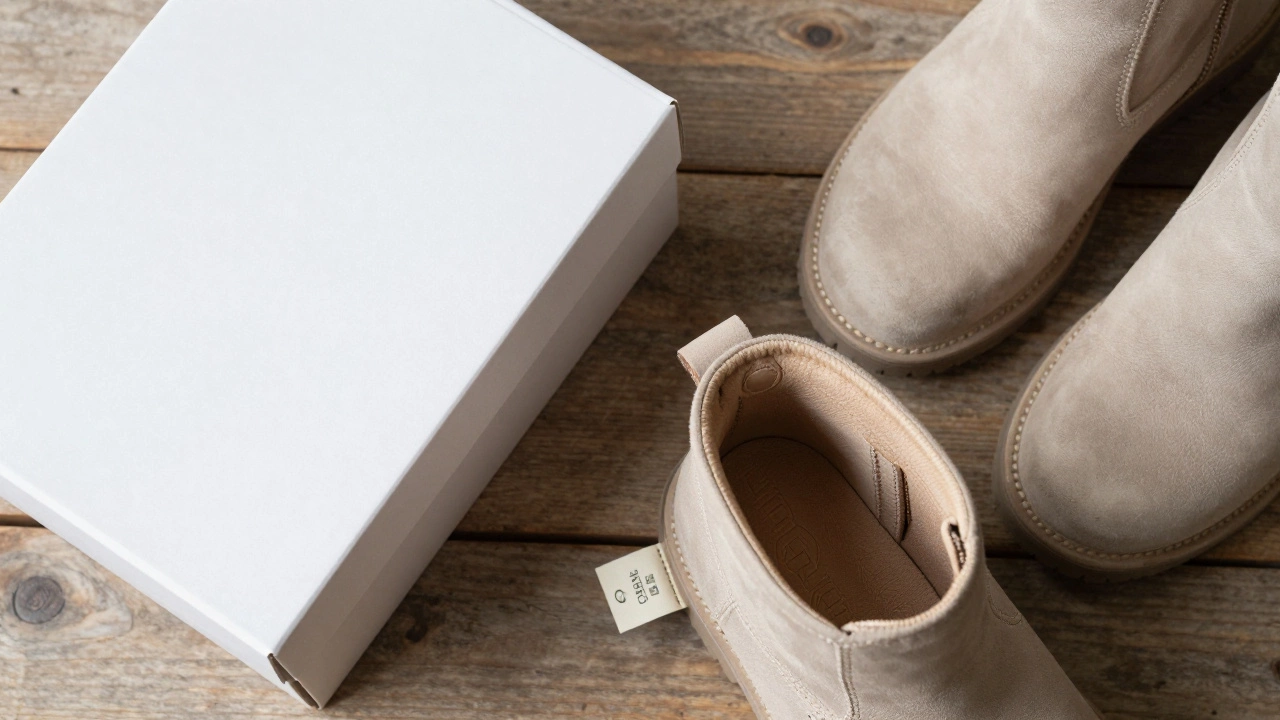
Don't ignore the box itself. Branded packaging costs money to produce, and counterfeiters often skimp here first. An authentic box is thick, sturdy cardboard with clean, colored printing that matches the logo perfectly. The print inside the lid should also be crisp, often containing a UPC code that matches the one on the boot label.
In Ireland, many luxury outlets sell their inventory with protective outer sleeves or gift bags that match seasonal branding. If you are buying second-hand, the presence of the original box adds significant value. However, the absence of a box doesn't automatically mean the boots are fake, especially if bought from a consignment store. Just know that missing packaging reduces resale value significantly when trying to return to platforms like DoneDeal or Love With Love.
Another thing to check is the hangtag. New pairs come with a small paper tag attached to the laces or the shaft. This tag usually includes a QR code or a unique identification number. While you can scan some of these to verify authenticity on the manufacturer's site, the physical build of the tag also counts. Paper thickness and ink quality are hard to mimic. If the paper feels like newspaper newsprint instead of premium cardstock, proceed with extreme caution.
Price Points and Irish Retail Standards
You wouldn't expect to find designer coats at €20, and you certainly shouldn't expect premium sheepskin boots at that price either. As of 2026, retail pricing for classic styles typically sits around €150 to €190 depending on the retailer and sales seasons. If you see a listing on social media advertising them for €40 or €50, it is undoubtedly a replica.
Buying online poses risks, particularly from unauthorized resellers on Facebook Marketplace who claim to be "clearance stock." Legitimate clearance happens within authorized stockists like ASOS, MatchesFashion, or specific outlet stores in Dundrum Shopping Centre or the Galway Designer Outlet. These locations honor the return policy strictly.
Be wary of "grey market" sellers offering deals "too good to miss" via DMs on Instagram. In Ireland, you have consumer protection under the Consumer Rights Act 2023, but those protections are very difficult to enforce against anonymous overseas dropshippers selling replicas. Always insist on receipts and proof of purchase from recognized retailers. If a seller refuses to provide a verified receipt history, walk away.
Warranty, Returns, and Aftercare
Once you have determined your purchase is genuine, protect it. Genuine UGGs often come with a warranty against manufacturing defects, though policies vary by region. In Ireland, major retailers allow returns within a standard timeframe, usually 28 days. Check the condition of the boots upon arrival carefully.
If you discover signs of damage or suspected fakes after opening the box, document everything. Take photos of the interior labels and soles. Contact the retailer immediately. Under Irish law, goods must be fit for purpose, and knowingly selling counterfeit goods is illegal. If you purchased fakes unknowingly, you may have grounds for compensation, provided you acted reasonably and the seller was acting domestically.
Maintenance is another sign of authenticity. Cleaning a fake boot with real leather products can ruin the synthetic finish. Conversely, neglecting the waterproofing spray on a real sheepskin boot can lead to stains from rain. Regular application of a silicone-based protector keeps the water beads rolling right off the surface, keeping those Dublin dry days from ruining your investment.