Irish T-Shirt Quality Checker
Fabric & Weight
Construction Details
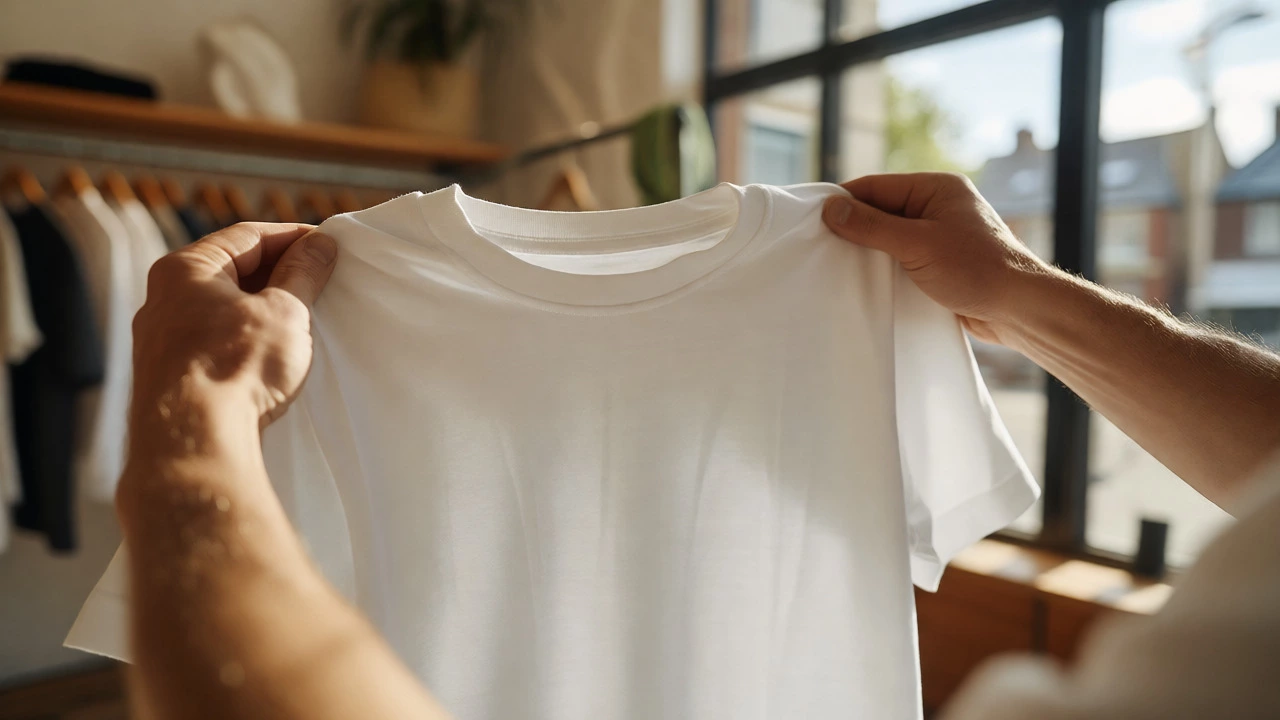
You’ve probably stood in the fitting room of a shop on Grafton Street or scrolled through an online store, holding a €25 white tee that looks identical to the €10 one you bought at Dunnes Stores last year. The difference? One falls apart after three washes, turning into a see-through rag with twisted seams. The other stays crisp, holds its shape, and feels like a hug. Knowing how to tell if a t-shirt is high quality isn’t just about spending more money; it’s about understanding what actually makes fabric durable and comfortable, especially when dealing with our damp Irish weather. Here is how you can spot the real deal before your card gets charged.
The Fabric Feel Test
Touch is your first line of defence. In Ireland, where humidity is practically a second resident, cheap polyester blends feel clammy against the skin. You want natural fibres, specifically cotton, but not all cotton is created equal. Run your hand over the fabric. Does it feel smooth and substantial, or thin and plasticky? A high-quality shirt often uses combed or ring-spun cotton. This process removes short fibres and impurities, resulting in a smoother surface that resists pilling. If you’re shopping locally, brands like Peregrine Clothing, based in Co. Wicklow, are known for using heavier, denser cottons that stand up well to our rainy seasons.
Check the composition label. While 100% cotton is standard, look for terms like "organic" or "GOTS certified." These aren't just marketing fluff; they indicate stricter farming standards which often correlate with better fibre length. Longer fibres mean stronger yarns. If the shirt feels rough or brittle right out of the package, it won’t soften nicely over time-it will just wear out faster.
Weight Matters: GSM Explained
Most shoppers ignore this, but weight is a huge indicator of quality. It’s measured in GSM (Grams per Square Meter). You won’t always find this on the tag, but you can ask staff or check online specs. For a standard t-shirt in the Irish market, here is a quick rule of thumb:
| GSM Range | Quality Indicator | Best For |
|---|---|---|
| Under 140 gsm | Thin, likely see-through | Summer layering only |
| 140-180 gsm | Standard commercial quality | Daily wear, mild weather |
| 180-220 gsm | High quality, durable | Everyday staple, cooler months |
| Over 220 gsm | Premium, heavyweight | Streetwear, maximum durability |
If you live in Dublin or Cork, you know that "summer" can still be chilly. A 190 gsm tee provides warmth without bulk. Lightweight shirts under 140 gsm tend to lose their shape quickly because the weave is loose. When you hold a good shirt, it should have some heft. It shouldn’t feel like a napkin.
Seam Construction Tells All
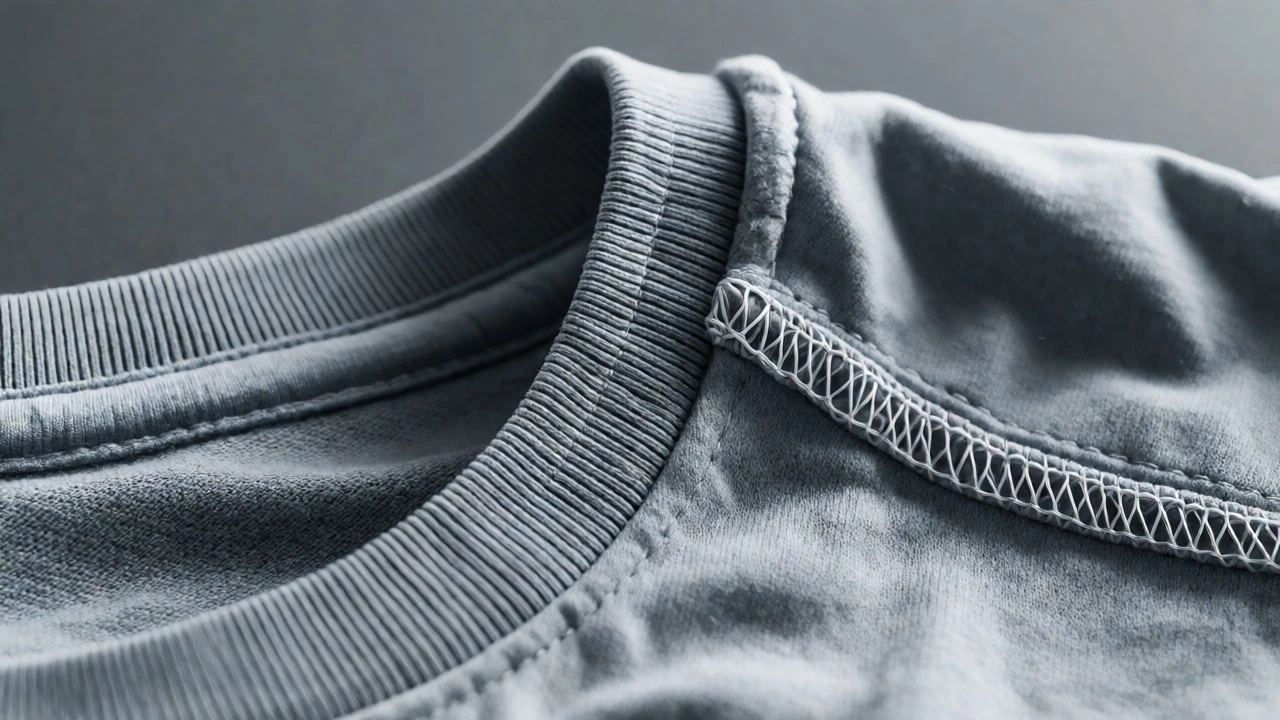
Flip the shirt inside out. This is where manufacturers cut corners. Look at the side seams. Cheap shirts use single-needle stitching, which is fast and cheap but prone to popping open. High-end tees use double-needle stitching. This means two parallel rows of thread along the hem and sleeves. It reinforces the edge and prevents unraveling.
Also, check the shoulder seams. Are they taped? Shoulder tape is a strip of fabric sewn over the seam from shoulder to shoulder. It stops the shirt from stretching out of shape when you pull it over your head. Without it, that neckline will eventually look like a wavy mess. Brands focused on longevity, such as those stocked in independent boutiques in Galway or Belfast, often include this detail. If you don’t see tape, expect the shoulders to sag within six months.
The Neckline Trap
The collar is the first thing to go. We’ve all had that friend whose white tee has a neckband that looks like a ruffled lettuce leaf. Why does this happen? Poor ribbing. A high-quality neckband uses a tighter knit and higher elastane content (usually 1-5%) to snap back into place. Press the collar flat and release it. Does it spring back instantly, or does it stay distorted?
Look for a reinforced back neck. Some premium shirts add a small strip of fabric inside the back collar to absorb sweat and reduce stretch. This is common in athletic-inspired basics sold by local Irish activewear brands. If the neckband feels flimsy or too wide, it’s a sign of cost-cutting. A tight, neat ribbing indicates better machinery and attention to detail during manufacturing.
Print and Dye Quality
In Ireland, we love our graphic tees, whether it’s supporting a local GAA club or showcasing indie band art. But how do you know if the print will survive the washing machine? Scratch the design gently with your fingernail. If it feels raised and thick, it might crack later. If it feels integrated into the fabric, it’s likely screen-printed or discharged dye, which lasts longer.
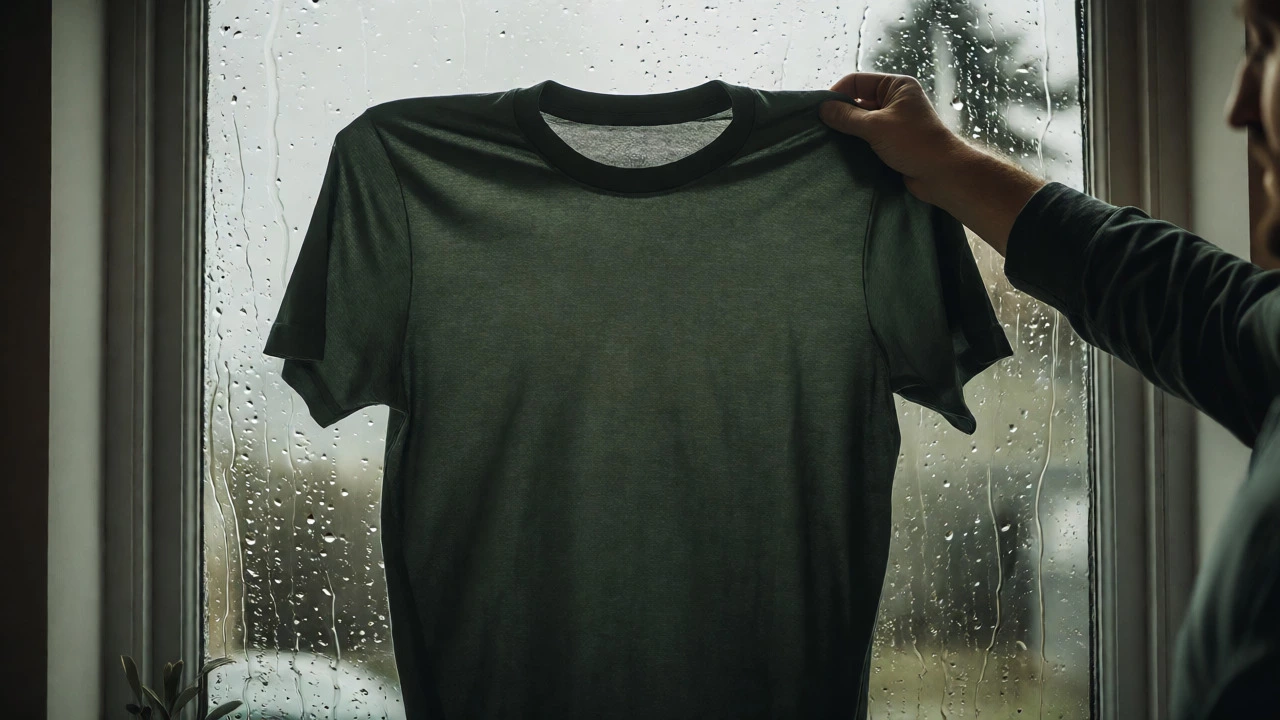
For solid colours, check for consistency. Hold the shirt up to the light. Are there uneven patches or lighter spots? This suggests poor dye penetration. In our damp climate, moisture can cause cheap dyes to bleed onto other clothes. Wash a new coloured tee separately the first time. If the water turns murky, the dye fixative was weak. Premium brands use reactive dyes that bond chemically with the cotton, ensuring colourfastness even after multiple washes.
Fitting Room Checks
Before you buy, try the "pull test." Grab the fabric at the chest and pull it sideways. Does it bounce back immediately, or does it hang loosely? Good cotton has memory. Next, check the armholes. They should be snug but not restrictive. If the armhole is too low, the shirt will ride up when you lift your arms, exposing your midriff. This is a common fit issue in mass-produced European sizes versus tailored cuts.
Also, inspect the hem. Is it straight? Uneven hems are a hallmark of rushed factory work. Lay the shirt flat on a table. If the bottom edge waves, the fabric tension was inconsistent during cutting. This seems minor, but it affects how the shirt hangs on your body. In professional settings in Dublin’s docklands, a crooked hem screams "cheap impulse buy."