Jacket Quality Checker for Ireland
Is Your Jacket Built for Ireland?
Answer these questions to determine if your jacket can withstand Ireland's unpredictable weather.
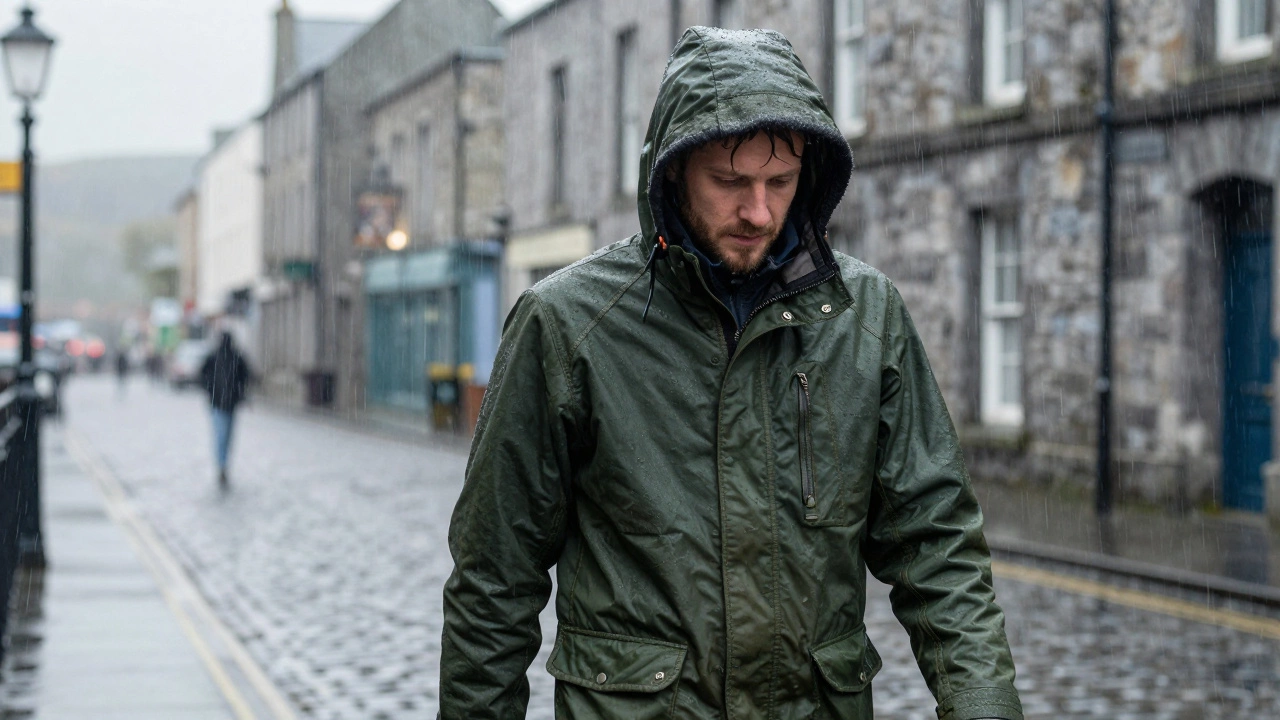
When you’re walking through Galway in November, rain slicing sideways off the Atlantic, or trudging up the Wicklow Way in December with wind howling off the mountains, your jacket isn’t just clothing-it’s your first line of defense. In Ireland, where the weather shifts from sun to storm in minutes and damp settles into your bones by mid-October, a quality jacket isn’t a luxury. It’s survival. And not every jacket sold in Dublin’s Grafton Street or Cork’s English Market is built for this kind of climate. Here’s how to tell if what you’re buying will last through a dozen Irish winters-or if it’s just another cheap import that’ll unravel by March.
Look at the stitching first
A good jacket in Ireland doesn’t just have seams-it has reinforced seams. Run your fingers along the shoulders, underarms, and hem. If the stitching looks loose, uneven, or if you can see gaps between the thread and fabric, walk away. High-quality jackets use double or even triple stitching in high-stress areas. Brands like Barbour is a British outerwear brand with deep roots in Ireland, known for its waxed cotton jackets that withstand decades of rain and wind and Rab is a Scottish outdoor brand widely trusted by hikers in the Connemara mountains for its technical durability and weather-resistant fabrics don’t cut corners. Their jackets use lockstitch or bar-tack reinforcement where the hood attaches or where the zippers meet the fabric. If you’re buying secondhand from a market like Dublin’s George’s Street Arcade, pull on the seams. A quality jacket won’t stretch or fray under pressure.Check the fabric weight and weave
Thin polyester blends might look sleek in a showroom, but they’ll soak through after 20 minutes in an Irish drizzle. Real quality means dense, tightly woven fabric. Look for terms like “100% polyester ripstop” or “waxed cotton” - these are engineered to shed water, not absorb it. Wool-blend jackets from Irish makers like Claddagh Heritage is a Galway-based brand that uses locally sourced wool and traditional weaving techniques to create jackets that breathe in damp conditions are especially good. The weave should feel substantial-not flimsy. Hold the fabric up to the light. If you can see through it, it won’t protect you. A good jacket should feel dense, almost like leather, even if it’s not leather. And don’t be fooled by “water-resistant” labels. That’s marketing. Look for “waterproof” with a membrane like Gore-Tex or eVent. These are proven in the wettest parts of Donegal and Kerry.Feel the lining
The inside of a jacket tells you more than the outside. Pull back the lining. Is it made of cheap polyester mesh that feels like plastic wrap? That’s for show. A real quality jacket uses a soft, breathable lining-often cotton, flannel, or brushed polyester. In Ireland, where you’re often moving from a warm pub to a freezing street, moisture management matters. A good lining wicks sweat away without trapping damp. Brands like McDermott is a Dublin-based heritage brand that has been making insulated jackets for Irish farmers and fishermen since the 1970s use fleece-lined hoods and cuffs that stay soft even after years of washing. If the lining feels stiff or makes a crinkling sound when you move, it’s not built for daily wear in a climate where you’ll be wearing it five days a week.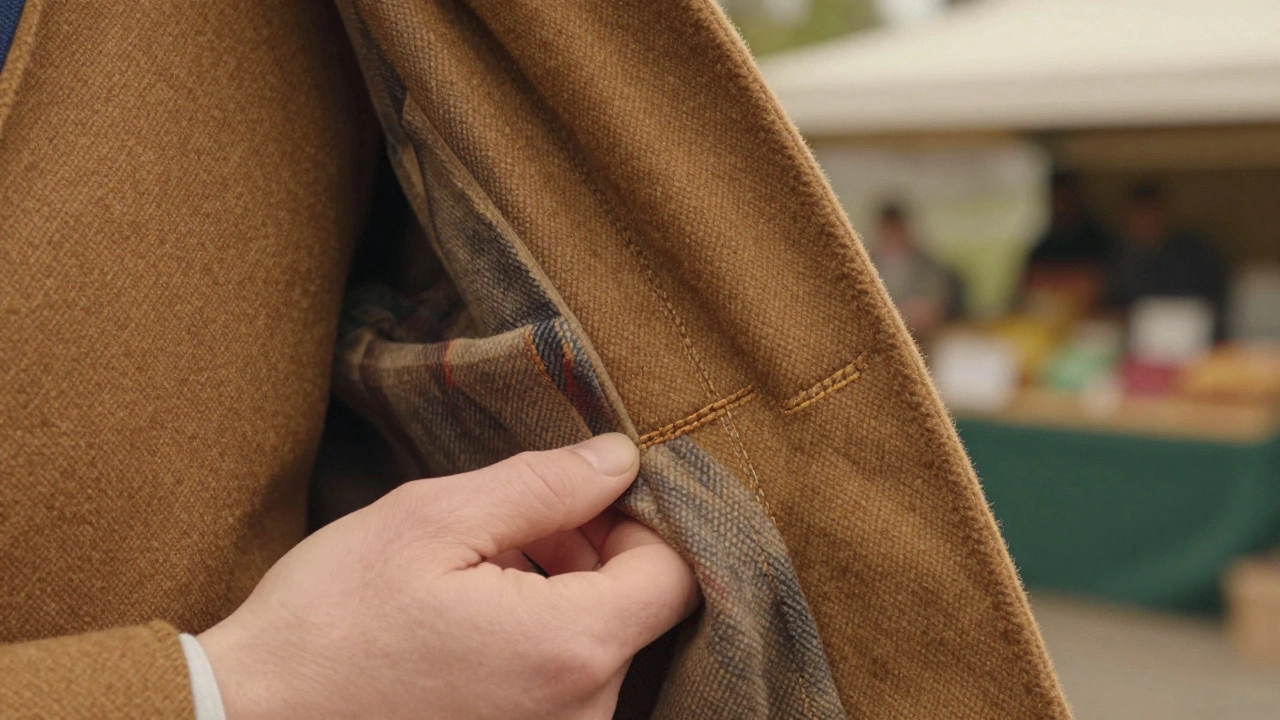
Examine the hardware
Zippers, buttons, and snaps are where cheap jackets die. In Ireland, you’ll be zipping and unzipping your jacket in the rain, in the wind, with gloves on. A quality jacket uses YKK zippers-the gold standard. Look for the YKK logo stamped on the pull tab. If it’s unbranded or feels flimsy, it’ll jam or break within a season. Buttons should be made of horn, metal, or thick plastic-not thin, brittle plastic that cracks when you tug at it. Look at the stitching around the buttonholes. Are they reinforced with a small diamond-shaped stitch? That’s a sign of craftsmanship. You’ll find this on jackets sold at places like Clare Country Store is a family-run shop in Ennis that stocks durable outerwear for local farmers and outdoor workers or Wicklow Outfitters is a small business in Bray that specializes in weatherproof gear for walkers and cyclists in the Dublin-Wicklow region.Test the hood and fit
A hood that flops over your eyes or won’t stay on your head is useless in Irish wind. A good hood should fit snugly around your face without being tight. It should have a stiffened brim-usually with a removable wire or rigid plastic insert-that holds its shape even when soaked. Pull the hood on and turn your head. Does it move with you? Does it block wind from the back of your neck? If you’re buying online, check the measurements. In Ireland, most people wear jackets over sweaters or fleeces. A jacket that fits perfectly on a t-shirt will be too tight in January. Look for a relaxed cut with room for layering. Brands like Mountain Equipment is a UK-based brand with a strong following in Ireland’s hiking communities for its precise sizing and weather-tested designs offer size guides that include chest measurements over a mid-layer, which is exactly what you need.Ask about the warranty
In Ireland, where rain is a constant companion, a good jacket should come with a promise. Look for brands that offer repair services or lifetime guarantees. Barbour is a British outerwear brand with deep roots in Ireland, known for its waxed cotton jackets that withstand decades of rain and wind will repair your jacket for a small fee-even if it’s 20 years old. Rab is a Scottish outdoor brand widely trusted by hikers in the Connemara mountains for its technical durability and weather-resistant fabrics offers a “no questions asked” repair policy for technical faults. If a jacket doesn’t come with any warranty, or if the seller says “it’s final sale,” that’s a red flag. In a country where you’ll wear your jacket through blizzards, muddy trails, and coastal gales, you deserve to know it can be fixed.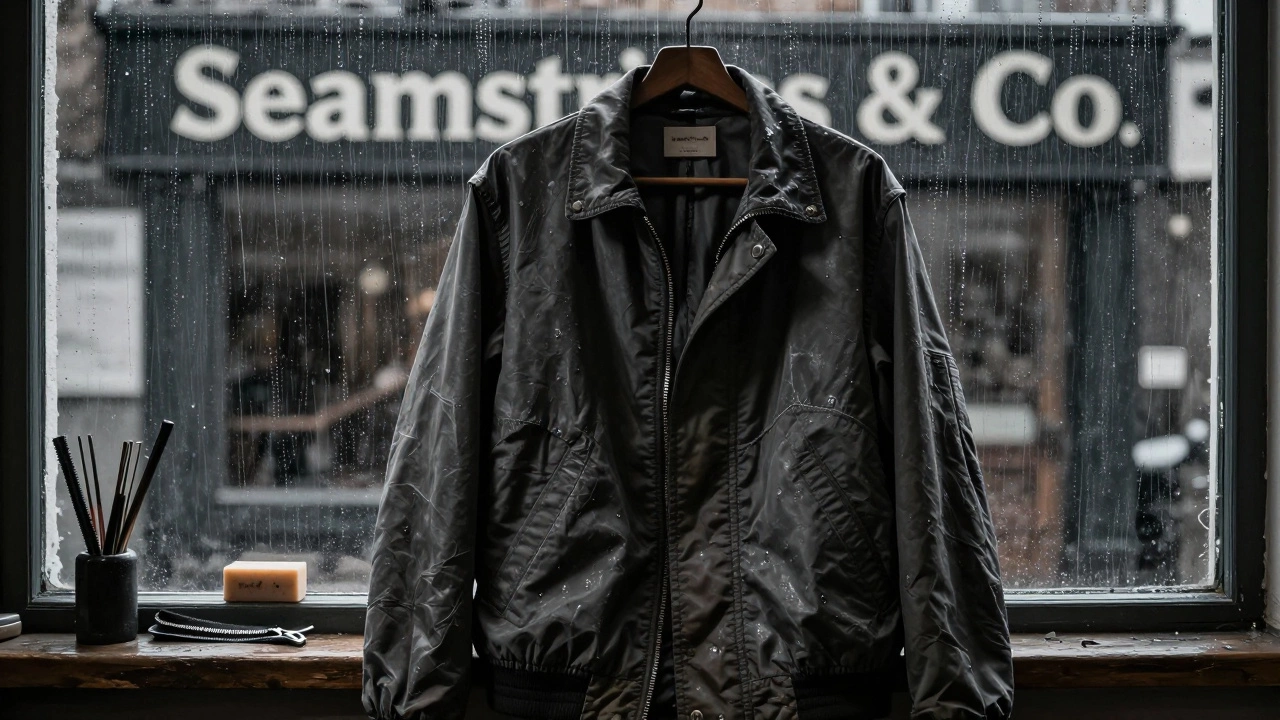
Where to buy in Ireland
Avoid fast fashion chains like Primark or Zara for serious outerwear. Their jackets are designed for one season. Instead, head to local outdoor retailers like Mountain Warehouse is a UK-based outdoor retailer with multiple locations across Ireland, known for affordable but durable jackets suited to local conditions in Limerick or Galway, or independent shops like Outdoor Ireland is a Dublin-based store that stocks only weather-tested gear from brands trusted by local hikers and fishermen. Farmers’ markets like the Tipperary Farmers Market is a monthly event in Clonmel where local artisans sell hand-sewn wool jackets made from Irish wool often feature small makers who build jackets to last. You’ll pay more upfront-but you’ll save money over time. A €200 jacket that lasts 10 years costs €20 a year. A €50 jacket that falls apart in two? That’s €25 a year.Real-life test: the Irish winter challenge
Here’s how to test a jacket before you buy it: Wear it for a full day in typical Irish weather. Start in a pub in Doolin, walk the Cliffs of Moher in a light drizzle, take the bus back to Ennis in the wind, and end at a dinner in Galway. If your jacket keeps you dry, doesn’t chafe, doesn’t smell like wet dog, and still looks good at the end of the day-you’ve found a keeper. If you’re soaked through by 3 p.m., or your hood is flapping like a flag, it’s not built for Ireland.There’s no magic formula. But if you look at the stitching, feel the fabric, test the hood, check the zippers, and ask about repairs-you’ll avoid the traps. In Ireland, your jacket doesn’t just keep you warm. It lets you live outside. And that’s worth getting right.
Can a cheap jacket from a Dublin supermarket last through an Irish winter?
Almost never. Jackets sold in supermarkets like Tesco or Lidl are designed for short-term use, often with thin linings and plastic zippers. In Ireland’s damp, windy climate, they’ll lose their waterproof coating within weeks and fray after a few washes. You might get one season out of it-but not more.
Is waxed cotton still a good choice for Ireland today?
Yes, if maintained. Waxed cotton, like Barbour’s classic jackets, sheds rain better than most synthetic materials and gets better with age. But it needs re-waxing every 1-2 years. You can do this yourself with Barbour’s wax kit, available in outdoor stores across Ireland. It’s heavier than modern Gore-Tex, but it lasts decades and looks timeless.
What’s the best jacket for cycling in Dublin?
Look for a lightweight, windproof shell with a breathable membrane-like those from Rab or Mountain Equipment. Avoid bulky jackets. A fitted cut with articulated sleeves and a high collar that blocks wind from your neck works best. Many Dublin cyclists prefer jackets with reflective strips and a packable hood that tucks into the collar.
Are Irish-made jackets worth the extra cost?
If they’re made by local artisans using Irish wool or traditional techniques-yes. Brands like Claddagh Heritage and Tipperary-based makers use locally sourced materials and hand-sew details that mass-produced jackets skip. They cost more upfront, but they’re built to last, support local industry, and often come with repair services.
How do I know if a jacket is truly waterproof and not just water-resistant?
Check for a waterproof rating in millimeters (mm). Anything under 5,000mm is water-resistant. For Ireland, aim for 10,000mm or higher. Look for sealed seams (taped or welded) and a durable water-repellent (DWR) finish on the outer layer. Brands that list these specs are more trustworthy than those that just say “keeps you dry.”