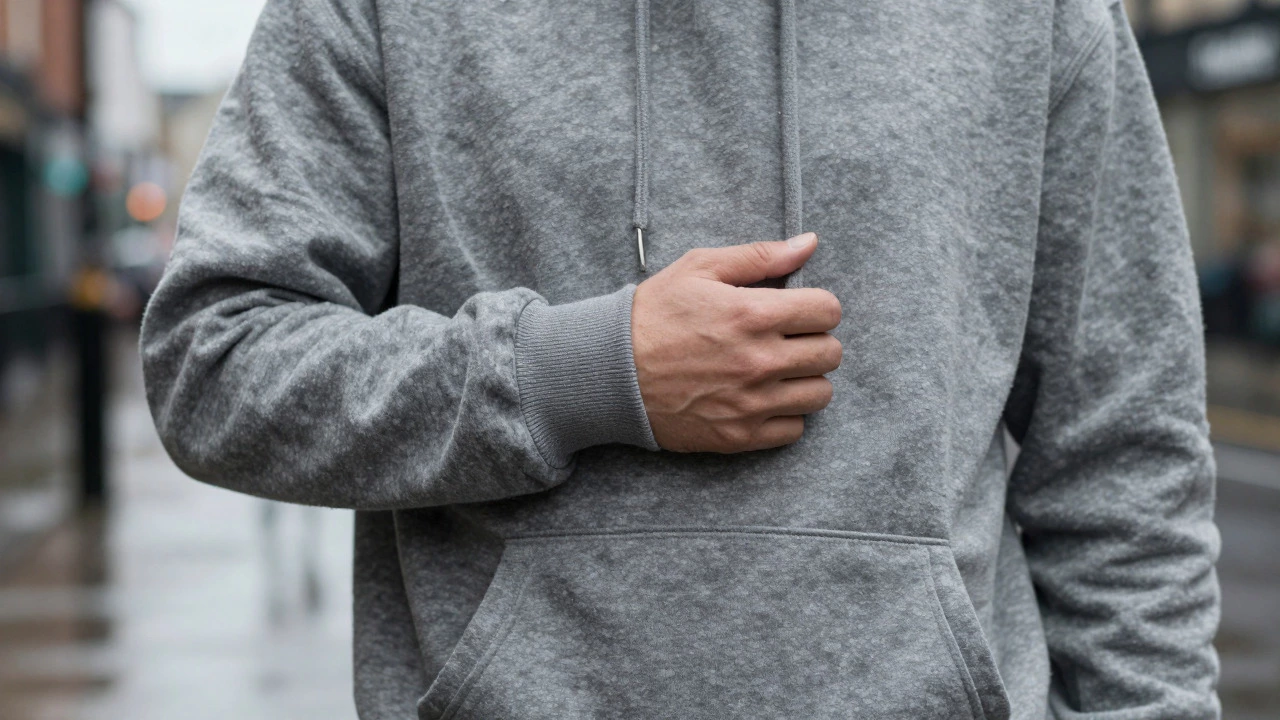
Hoodie Quality Calculator for Irish Weather
Determine if a hoodie is suitable for Ireland's unpredictable climate based on fabric weight (GSM) and material composition.
Evaluation Result
Let’s be honest: the weather in Ireland is unpredictable. One minute you’re dealing with a crisp, sunny morning in Dublin, and the next, you’re dodging horizontal rain on your way to work in Galway. That’s why a hoodie isn’t just a fashion statement here; it’s essential gear. But not all hoodies are created equal. You’ve probably bought one that looked great in the shop window at Brown Thomas or on a website, only for it to shrink after the first wash or lose its shape by winter. So, how can you tell if a hoodie is good quality before you hand over your euros?
It comes down to three things: fabric weight, stitching integrity, and material composition. If you know what to look for, you can spot a cheap, fast-fashion trap from a mile away. Here is exactly how to evaluate a hoodie so you invest in something that will last through many rainy seasons.
Check the Fabric Weight (GSM)
The most reliable indicator of hoodie quality is its weight, measured in grams per square meter (GSM). This number tells you how thick and dense the fabric is. Most brands don’t list this upfront, but if you’re buying online, check the product description closely. If they don’t mention it, it’s usually a sign the garment is lightweight and thin.
| GSM Range | Quality Level | Best For |
|---|---|---|
| Below 250 GSM | Poor / Fast Fashion | Layering indoors only |
| 280 - 320 GSM | Standard | Casual wear, mild weather |
| 350 - 400+ GSM | Premium / Heavyweight | Ireland’s cold/wet weather, durability |
For our climate, aim for at least 350 GSM. A hoodie under 280 GSM will feel flimsy and likely see-through when wet. When you hold a heavy hoodie, it should have some structure. It shouldn’t drape like a t-shirt. Brands like Kith or local Irish designers often use heavyweight cotton blends that stand up to the wind coming off the Atlantic. If you’re shopping in-store, try to find a tag with the weight listed, or simply compare it to a known high-quality piece you already own.
Inspect the Stitching and Construction
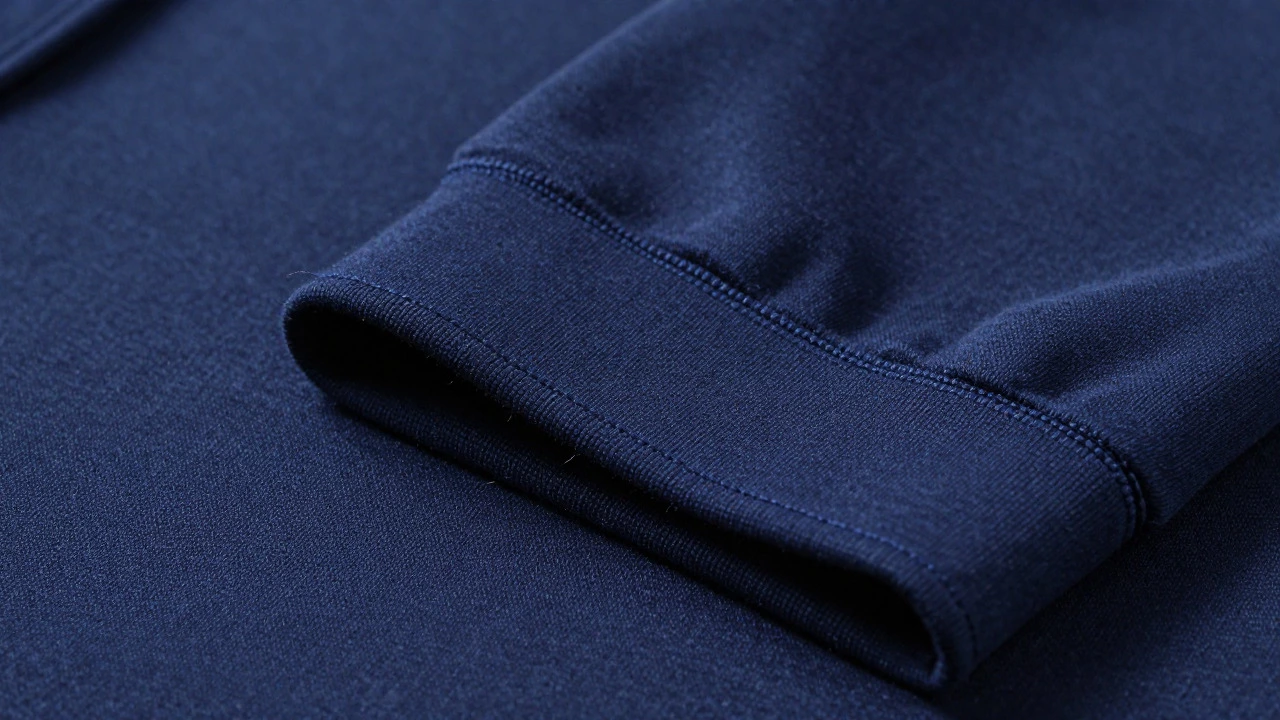
Good fabric means nothing if the construction falls apart. Turn the hoodie inside out. This is where the real secrets hide. Look at the seams. Are they flat-felled? Flat-felled seams are stronger and more comfortable than simple overlock stitches, which can unravel quickly.
- Double-stitched hems: Check the bottom hem and sleeve cuffs. There should be two lines of stitching, not one. Single stitching is a cost-cutting measure that leads to fraying.
- Reinforced stress points: Look at where the hood attaches to the neck and where the zipper starts. These areas take the most tension. You should see extra bars of thread or reinforced patches. If the zipper pulls directly into the main seam without reinforcement, it will rip open soon.
- No loose threads: While a stray thread happens, excessive loose threads indicate poor manufacturing control. High-end brands trim these meticulously.
In Ireland, we tend to wear hoodies heavily during autumn and winter. They go through the washing machine frequently. Poor stitching won’t survive those cycles. Brands that prioritize durability, such as Patagonia or Carhartt, invest in robust construction because their customers expect longevity.
Material Composition: Cotton vs. Synthetics
What is the hoodie made of? This affects comfort, warmth, and how it ages. Pure cotton is breathable and soft but can shrink if not pre-shrunk. Polyester is durable and retains shape but can trap odors and feel plasticky. The best hoodies for Ireland’s damp climate are usually a blend.
Look for a blend of around 80% cotton and 20% polyester. This gives you the softness and breathability of cotton with the structural integrity and shrink-resistance of polyester. Avoid anything with more than 50% synthetic fibers unless it’s a technical performance hoodie designed for sports. For everyday wear in cities like Cork or Limerick, natural fibers breathe better, preventing that clammy feeling when you move from a cold street into a warm pub.
Also, check if the cotton is ring-spun or combed. Ring-spun cotton is smoother, softer, and less prone to pilling. Pilling-those little fuzz balls that form on the surface-is a sign of low-quality fiber processing. Run your hand over the fabric. If it feels rough or pill-prone, walk away.
The Hood and Pocket Details
The hood is the defining feature. A cheap hood will flop over or be too small to fit comfortably over a jacket. A quality hood has structured panels, often with double-layered fabric at the top to maintain its shape. Check the drawstrings. Are they made of cord or rope? Rope-style drawstrings are thicker and more durable. Do they have metal aglets (tips)? Plastic ones break easily.
Kangaroo pockets are another key area. They should be deep enough to actually hold your hands and phone securely. Shallow pockets are a common flaw in poorly designed hoodies. Additionally, check the pocket stitching. It should be wide and secure. If you put your hands in and the pocket feels like it might tear, the fabric is too thin.
Colorfastness and Print Quality
If you’re buying a printed hoodie, the print method matters. Screen printing is generally more durable than heat transfer vinyl, which can crack and peel after a few washes. Look for prints that feel slightly raised but integrated into the fabric, not like a sticker on top.
Test the colorfastness if possible. Rub the inside of the hoodie with a white tissue or cloth. If dye transfers, it will bleed in the wash, ruining other clothes. This is especially important for dark colors like black or navy, which are staples in Irish wardrobes due to their versatility and dirt-hiding properties. High-quality dyes are fixed properly during manufacturing, so no bleeding occurs.
Local Context: Where to Find Quality in Ireland
Finding quality hoodies in Ireland doesn’t require hunting through every store. Certain retailers consistently stock better options. In Dublin, stores like Brown Thomas and Dunnes Stores (for their premium ranges) offer reliable basics. For higher-end streetwear, check out independent boutiques in Temple Bar or Smock Alley, which often carry international brands known for quality, such as Stüssy or Supreme.
Supporting local Irish brands is also a great way to ensure quality. Many Irish designers focus on durability and sustainable materials, understanding the need for clothing that withstands our weather. Brands like O’Neill’s (though American, widely available and respected here) or emerging local labels often provide excellent value. When shopping online, read reviews specifically mentioning "shrinkage" or "fit after washing." Irish buyers are vocal about these issues, so their feedback is invaluable.
Washing and Care Tips to Extend Life
Even the best hoodie will degrade if treated poorly. To keep it looking new:
- Wash inside out to protect prints and reduce pilling.
- Use cold water (30°C or lower) to prevent shrinking.
- Avoid tumble drying whenever possible. Air drying preserves the fabric’s elasticity and shape.
- Don’t overload the washing machine. Give the hoodie room to move freely.
What GSM should I look for in a hoodie for Ireland's weather?
Aim for 350 GSM or higher. This weight provides sufficient insulation against wind and dampness without being overly bulky. Lighter hoodies (below 280 GSM) may not retain heat effectively in colder months.
Is 100% cotton better than a cotton-polyester blend?
Not necessarily. While 100% cotton is breathable, it shrinks more easily and loses shape faster. An 80/20 cotton-polyester blend offers the best balance of comfort, durability, and shape retention for everyday wear.
How do I know if a hoodie will shrink after washing?
Check if the label says "pre-shrunk." Even then, washing in hot water can cause shrinkage. Always wash in cold water and air dry to minimize shrinkage risk. Natural fibers like cotton always have some potential to shrink.
Are expensive hoodies always better quality?
Often, yes. Higher prices usually reflect better materials (higher GSM, ring-spun cotton) and superior construction (reinforced seams). However, some luxury brands charge for branding rather than quality. Always inspect the physical attributes regardless of price.
Where can I buy high-quality hoodies in Ireland?
Stores like Brown Thomas, Dunnes Stores (premium lines), and independent boutiques in Dublin and Cork carry reputable brands. Online retailers specializing in streetwear also offer good options, provided you check return policies and reviews.