Irish Gentleman's Suit Budget Calculator
Build Your High-End Look on a Budget
Estimate your total investment for a tailored, expensive-looking suit.
Your Total Investment
Value Comparison
A comparable off-the-rack luxury suit from Savile Row or high-end boutiques often starts at €2,000+ without alterations.
Walking into a boardroom on Dame Street or heading to a wedding in the Dingle Peninsula, there is one universal truth: people judge you by your silhouette before they hear a word you say. In Ireland, where traditional values often clash with modern urban chic, looking "expensive" isn't about flashing logos. It’s about precision. You don’t need a €3,000 Savile Row commission to command respect. You just need to understand that fit is king, fabric is queen, and context is the court.
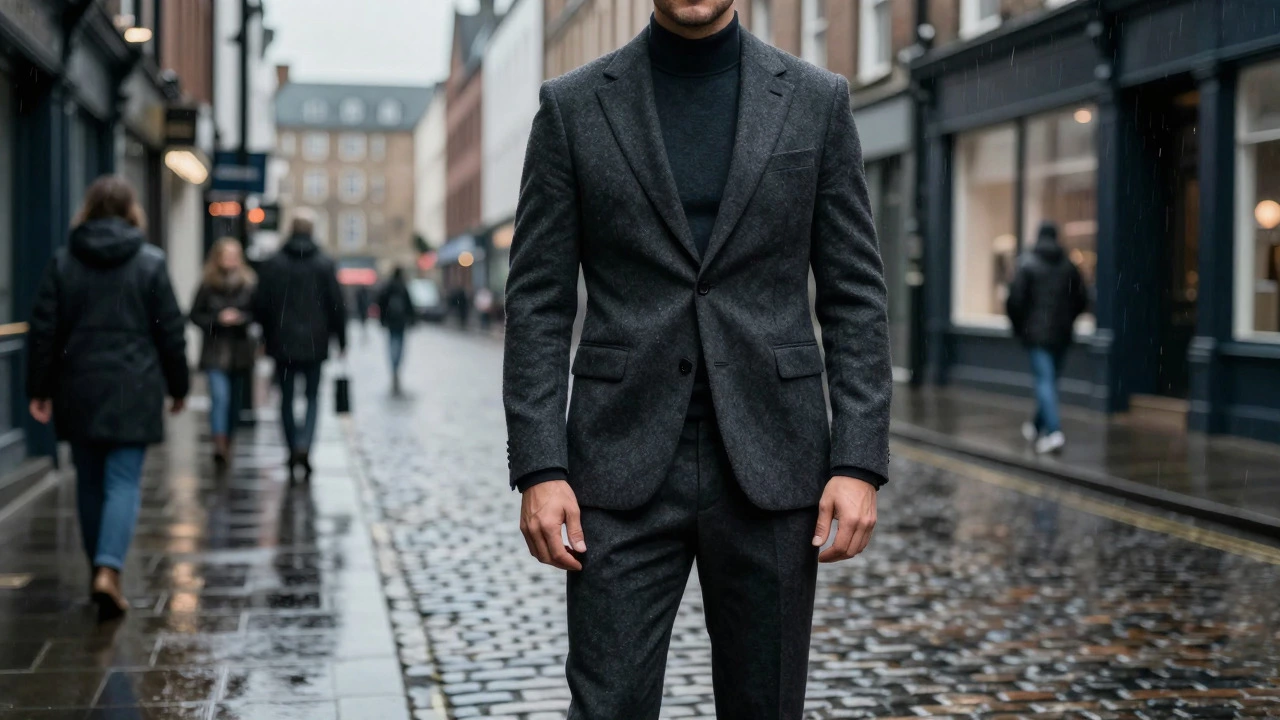
If you are standing in Grafton Street, rain lashing down, wearing a baggy, shiny polyester suit, you look like you borrowed it from a costume shop. But if you wear a well-structured wool blend that drapes correctly, you look like you belong in the room. This guide breaks down exactly how to achieve that high-end aesthetic without breaking the bank, specifically tailored for the Irish climate, culture, and shopping landscape.
The Fit: Why Off-the-Rack Rarely Works
The single biggest reason a cheap suit looks cheap is poor fit. High-end suits are cut to follow the natural lines of the human body. Most off-the-rack suits from fast-fashion retailers are cut for an average shape that doesn’t exist. They are boxy, long, and loose. To look expensive, you must eliminate excess fabric.
- The Shoulders: This is non-negotiable. The seam of the jacket should end exactly where your shoulder bone ends. If it droops, the suit is too big. If it pulls tight, it’s too small. You cannot fix shoulders easily with alterations.
- The Jacket Length: A classic rule in Irish tailoring shops is that the jacket should cover your seat. When you stand straight, the bottom of the jacket should reach the middle of your hand when your arms hang by your sides. Too short, and you look like a child playing dress-up. Too long, and you look dated.
- The Trousers: Forget the heavy bunching at the ankles (the "stack"). An expensive look features a clean break-where the trousers just barely touch the top of your shoe. No pooling fabric on the floor, especially important here in Ireland where wet pavements can ruin hems instantly.
If you buy a suit online or from a high-street store like Marks & Spencer or H&M, budget €50-€80 for alterations. Take it to a local tailor in your area, whether it’s a small shop in Galway or a specialist in Cork. Tell them to taper the legs and shorten the sleeves so 1/4 inch of shirt cuff shows. This small investment transforms a €150 suit into something that looks like it cost €600.
Fabric Matters More Than Brand
In Ireland, we deal with damp, cool air year-round. Cheap suits often use synthetic blends like polyester-acrylic mixes. These fabrics trap heat, feel clammy, and worst of all, they shine under artificial light. That sheen screams "budget."
To look expensive, prioritize Wool a natural fiber known for its breathability, durability, and matte finish. Even if it’s a wool-blend, ensure wool is the first ingredient listed. Wool has a natural drape that falls softly over your body rather than stiffly holding its shape. It also resists wrinkles better than synthetics, which is crucial if you’re commuting on Luas or walking through city centers.
For summer weddings or events in places like Kinsale or Westport, consider lightweight tropical wools or linen blends. Linen looks incredibly elegant but wrinkles easily. If you choose linen, embrace the wrinkles-they add character-but ensure the cut is sharp to balance the casual texture.
Color Palette: Darker is Often Better
While navy and charcoal grey are safe bets, the way you execute these colors determines the perceived value. Bright, saturated blues can sometimes look artificial if the dye quality is low. Stick to deeper, richer tones.
| Color | Best For | Why It Looks Expensive |
|---|---|---|
| Charcoal Grey | Business meetings, funerals, formal dinners | High contrast with white shirts; hides minor dirt; serious tone |
| Navy Blue | Date nights, daytime weddings, interviews | Flattering on most skin tones; versatile; professional yet approachable |
| Mid-Grey | Creative industries, casual Fridays, brunches | Modern aesthetic; pairs well with textured knits or patterned ties |
| Brown/Tan | Summer events, rural weddings, social gatherings | Shows confidence; requires excellent grooming to pull off |
Avoid black suits unless it’s a funeral or a very specific formal event. Black suits are notoriously difficult to make look good because they highlight every wrinkle and fit issue. Instead, opt for a deep charcoal, which offers similar formality with more depth and texture.
The Details: Buttons, Lining, and Lapels
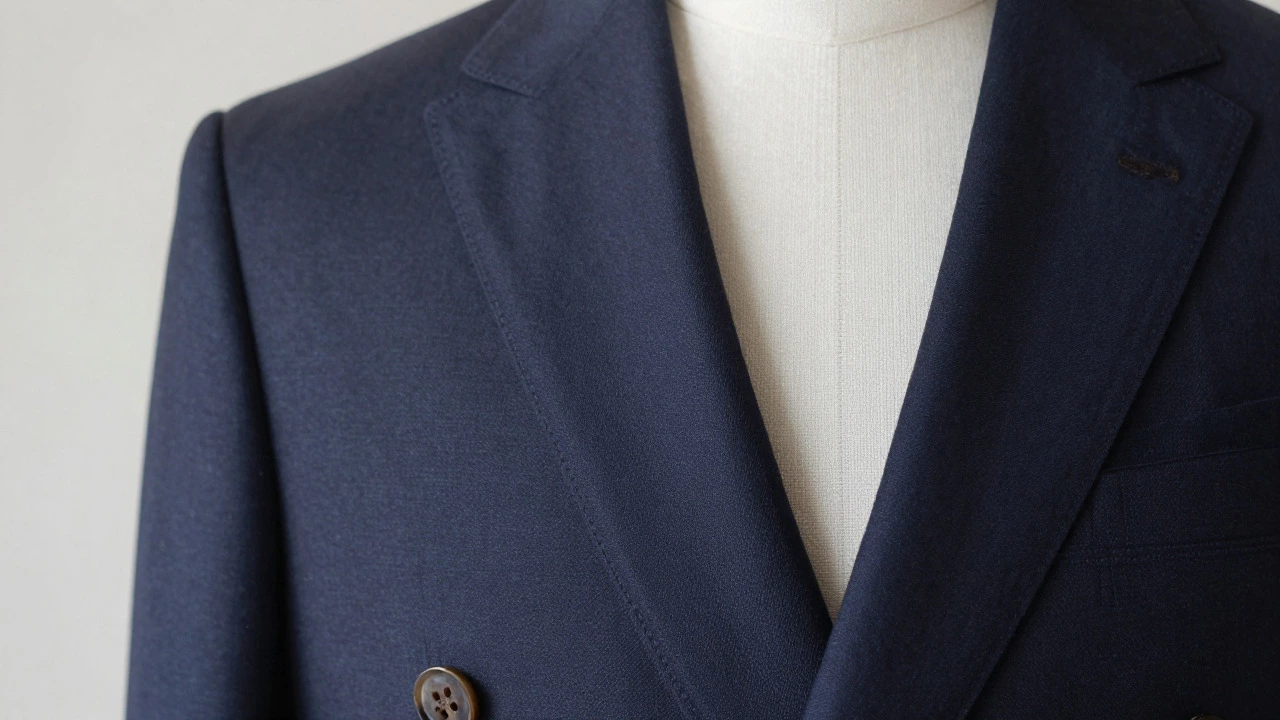
Expensive suits have details that reflect craftsmanship. When shopping in stores like Brown Thomas or smaller boutiques in Temple Bar, look closely at these elements:
- Suit Buttons: Real horn or mother-of-pearl buttons have a slight irregularity and warmth to them. Plastic buttons are perfectly uniform and cold. If you see a button hole that is stitched shut on the sleeve cuffs, leave it closed. Opening it is a faux pas that signals ignorance of tailoring traditions.
- Lapel Width: Follow the current trend but keep it proportional. In 2026, lapels around 3 to 3.5 inches wide are standard. Super skinny lapels look dated (think 2010s), while overly wide lapels look like a costume. Your lapel width should roughly match the width of your nostrils-a simple trick used by stylists in Dublin.
- The Half-Lining: Many modern high-quality suits feature a half-lined construction. This means the lining only covers the shoulders and upper back, leaving the lower part unlined. This allows for better airflow, which is perfect for Ireland’s unpredictable weather shifts, and gives the jacket a softer, more luxurious drape.
Shoes and Accessories: The Silent Signals
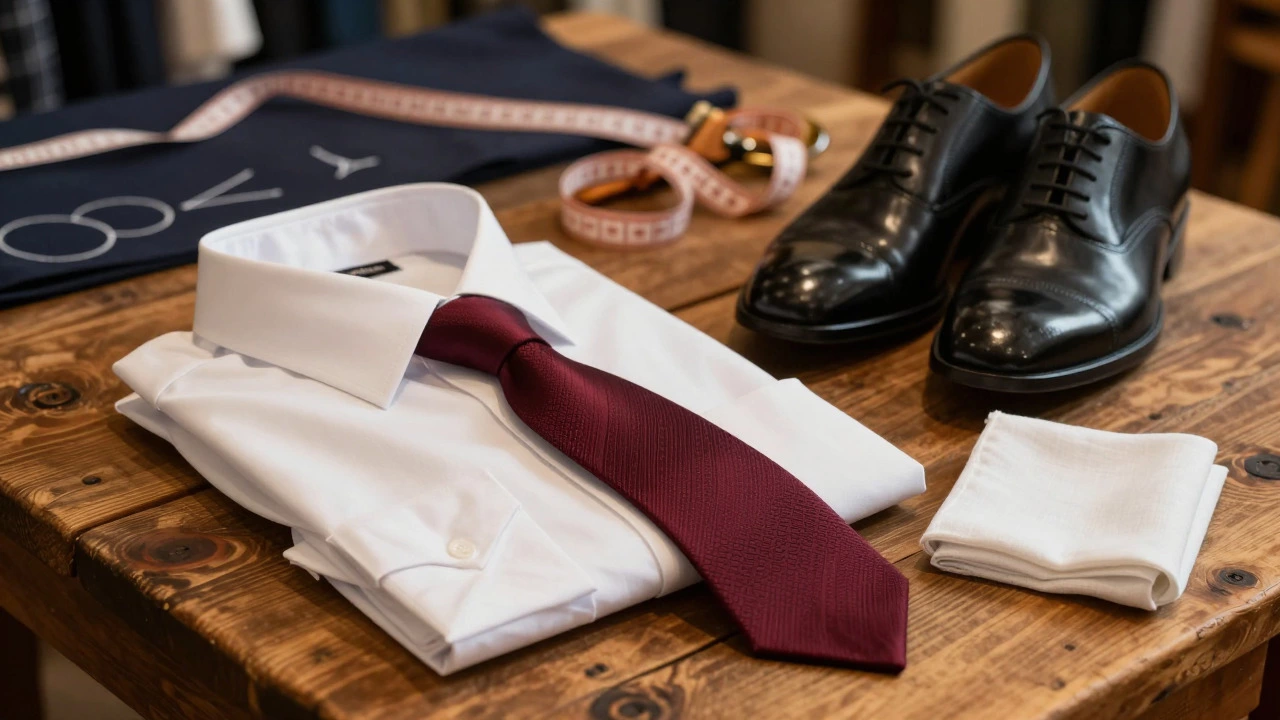
You can wear a €2,000 suit, but if your shoes are scuffed or the wrong style, the illusion shatters. In Ireland, leather care is essential due to the rain. Invest in a good pair of Oxford shoes closed-lace dress shoes that convey maximum formality. Black Oxfords go with charcoal and navy suits. Brown derbies work well with lighter greys and browns.
Keep your shoes polished. A quick buff with a cloth before you leave the house makes a massive difference. Brands like Clarks or even well-maintained second-hand options from charity shops can work if kept pristine.
For ties, silk is the gold standard. It has a subtle luster that reflects light beautifully. Avoid polyester ties that look plastic-y. A simple knit tie or a textured silk tie adds visual interest without being loud. Remember, less is more. A pocket square should be folded simply, not puffed out like a cloud. White linen is always classy.
Where to Shop in Ireland for Quality on a Budget
You don’t need to fly to London or Milan. Ireland has excellent options for finding high-value suits.
- Department Stores: Brown Thomas in Dublin and Cork offers brands like Ted Baker and Hugo Boss. While not bespoke, their quality control is higher than fast fashion. Look for sales during January and July.
- Specialist Tailors: Visit local tailors in cities like Limerick, Galway, or Belfast. Many offer made-to-measure services that are far more affordable than full bespoke. You get custom fit with off-the-shelf fabrics.
- Second-Hand Luxury: Shops like British Heart Foundation or local vintage stores in Dublin’s Smithfield area often carry high-quality wool suits for a fraction of the original price. Just check the armpits for sweat stains and the elbows for thinning fabric.
- Online Retailers with Good Return Policies: Brands like Suitsupply (available online) offer great value. Try them on at home, ensure the fit works, and alter locally.
Grooming: The Final Polish
A suit amplifies your grooming. If your hair is unkempt or your beard is messy, the suit won’t save you. Ensure your nails are clean and trimmed. Keep your shirt crisp and ironed. A wrinkled white shirt ruins the look of any suit. Use a lint roller before you head out-Irish pubs and restaurants can be dusty, and pet hair is a common enemy.
Confidence completes the outfit. Stand tall, roll your shoulders back, and walk with purpose. When you know your suit fits perfectly, you naturally carry yourself better. That posture is what truly sells the "expensive" look.
Can I wear a blazer instead of a suit jacket?
Yes, but keep in mind that blazers are inherently more casual. Pair a navy blazer with grey trousers for a smart-casual look suitable for many Irish workplaces and social events. However, for formal occasions like weddings or board meetings, a matching suit is expected.
What should I do about rain when wearing a suit in Ireland?
Invest in a water-repellent trench coat or a structured overcoat. Avoid umbrellas if possible as they are awkward and can damage the suit's shoulders. If you get caught in heavy rain, hang the suit up immediately to dry naturally away from direct heat to prevent shrinking or distortion.
Is it okay to wear sneakers with a suit?
In modern Dublin or Cork, yes, but choose wisely. Clean, minimalist white leather sneakers can work with a casual navy or grey suit. Avoid athletic running shoes. Ensure the rest of your outfit is relaxed-no tie, open collar-to maintain balance.
How much should I spend on my first suit?
Aim for at least €200-€300 for the suit itself, plus €50-€80 for alterations. This total investment ensures you get a wool blend or pure wool suit with proper tailoring. Spending less often results in poor fabric and fit that will need replacing sooner.
Where can I find affordable tailoring in Ireland?
Look for independent tailors in local town centers rather than mall-based chains. Areas like Rathmines in Dublin or the English Market area in Cork have skilled artisans who offer competitive rates for basic alterations like hemming and tapering.