Slipper Quality Score Calculator
What material is your slipper made of?
Natural fibers regulate temperature better in Ireland's humid climate.
What type of sole does it have?
Proper traction prevents slips on Irish tiled floors.
Does it have proper arch support and fit?
Flat soles can strain plantar fascia. Feet should have room to breathe.
What about construction quality?
Good stitching and replaceable parts extend lifespan significantly.
Your Score: 0/40
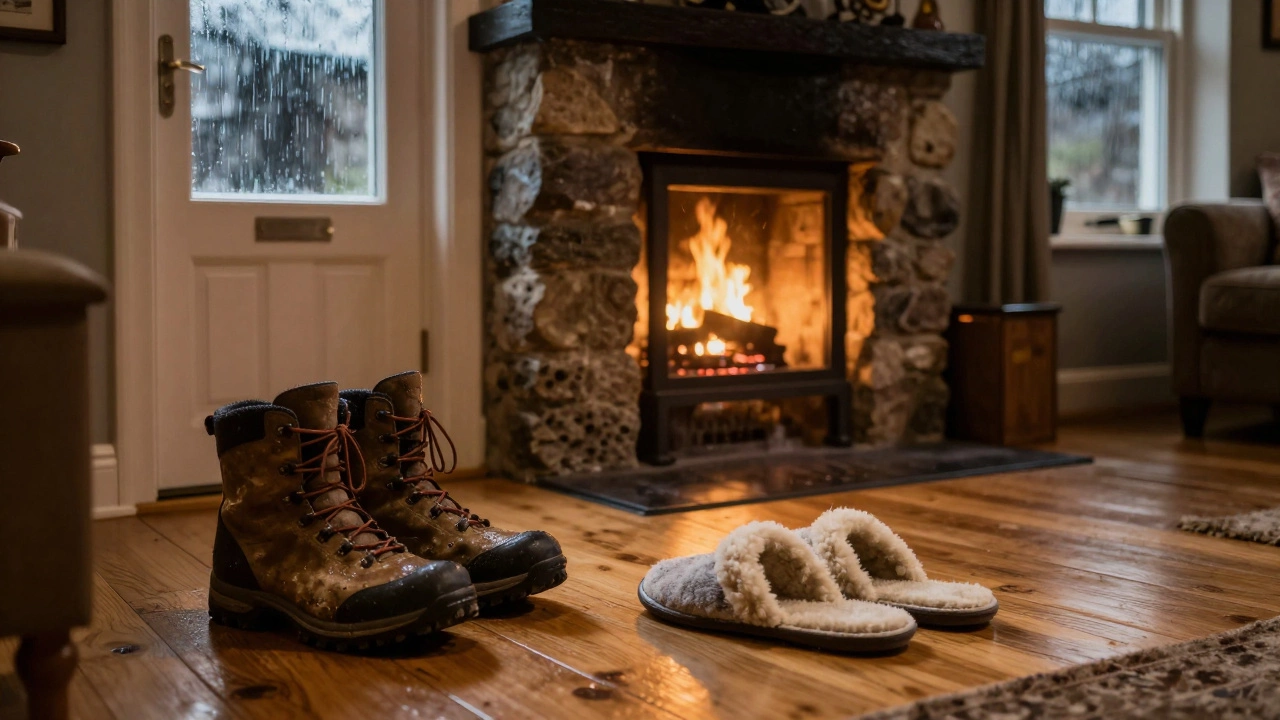
There is nothing quite like the feeling of stepping out of wet boots after a long walk in the Dublin rain and sliding into a pair of dry, warm slippers. In Ireland, where the weather can shift from sunny to stormy in minutes, your indoor footwear is not just a luxury-it is a necessity. But with so many options on the high street and online, how do you know if a pair is actually good? A bad slipper does more than just look ugly; it can ruin your arch support, leave your feet cold during those damp November evenings, or fall apart before Christmas.
Finding the right pair requires looking past the fluffy exterior. You need to consider materials, fit, and how they handle the specific conditions of an Irish home. Whether you are living in a drafty cottage in County Kerry or a modern apartment in Cork city, knowing what makes a quality slipper will save your feet-and your wallet-in the long run.
The Material Matters More Than You Think
The first thing to check when evaluating a good slipper is the material used for both the upper and the lining. Many people reach for synthetic fabrics because they are cheap, but these often trap heat without allowing moisture to escape. In a country where humidity is high, this leads to sweaty, uncomfortable feet.
Look for natural fibers. Wool is a standout choice for the Irish climate. It is naturally temperature-regulating, meaning it keeps your feet warm in winter but doesn’t overheat them if you have underfloor heating. Sheepskin is another excellent option, offering superior cushioning and durability. If you are vegan, look for high-quality microfiber blends that mimic the breathability of wool, though they may not last as long as natural hides.
- Wool: Best for warmth and breathability. Ideal for colder months.
- Sheepskin: Offers the best cushioning and mold-to-foot comfort.
- Cotton: Good for summer or heated homes, but lacks insulation.
- Synthetic Polyester: Avoid if possible; tends to cause sweating and odors.
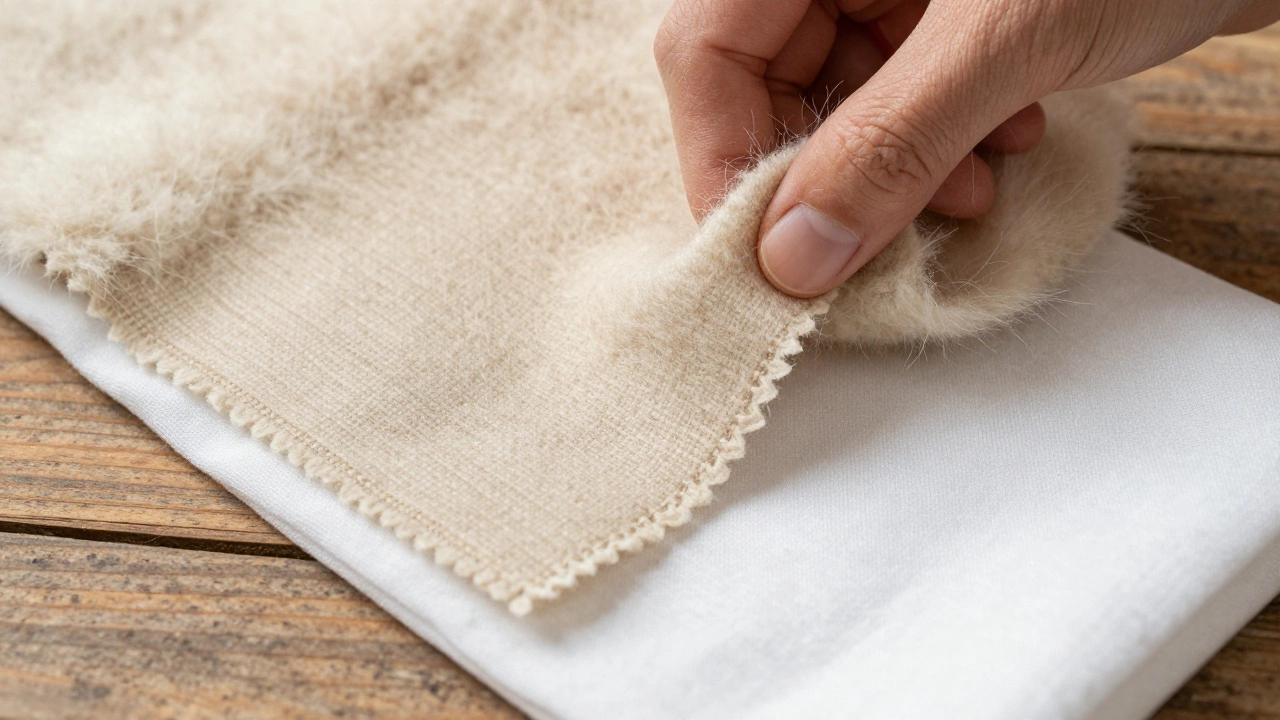
A quick test: pinch the fabric. If it feels stiff or plastic-like, put it back. A good slipper should feel soft yet structured, promising longevity rather than a single season of use.
Support and Sole Construction
One of the biggest mistakes shoppers make is ignoring the sole. You might think slippers are only for sitting on the sofa, but we all get up to make tea, answer the door, or take out the bins. A flat, flimsy sole offers zero support and can lead to foot pain, especially if you stand for long periods in the kitchen.
Check the arch support. Even a casual slipper should have some contouring to match the natural curve of your foot. Flat, pancake-style slippers force your foot into an unnatural position, which can strain your plantar fascia. Look for models with a defined heel cup and a slight rise at the ball of the foot.
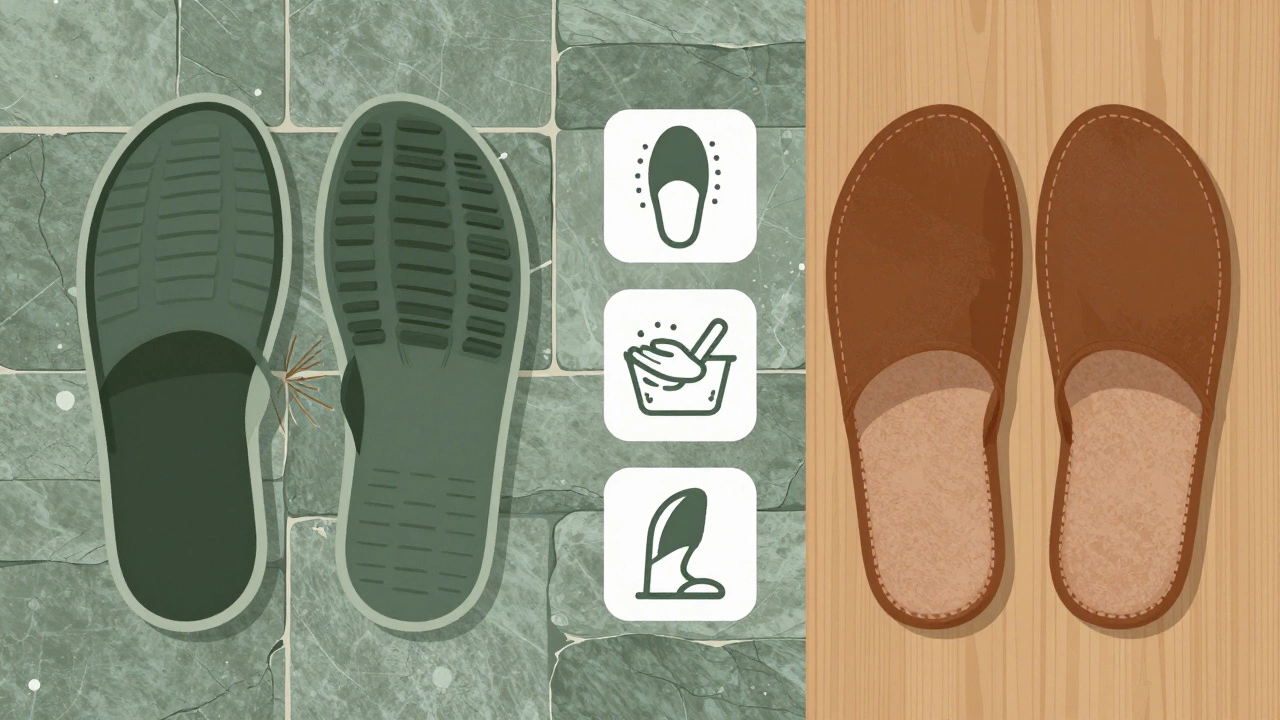
The outsole material is equally important. For Irish homes with tiled floors, stone hearths, or hardwood, you need a sole that grips. Rubber or TPR (thermoplastic rubber) soles provide the best traction, preventing slips on polished surfaces. Felt soles are cozy but dangerous on smooth tiles unless they have a rubberized bottom layer. If you plan to wear your slippers outside briefly-say, to check the mail or walk to the garage-ensure they have a durable, weather-resistant outer sole.
| Sole Type | Traction | Durability | Best For |
|---|---|---|---|
| Rubber/TPR | High | Excellent | Indoor/outdoor use, slippery floors |
| Felt | Low | Poor | Carpeted rooms only |
| Leather | Medium | Good | Hardwood floors, breathable comfort |
| Memory Foam Covered | Medium | Moderate | Softness, light indoor use |
Fit and Sizing: The Golden Rule
Your feet swell throughout the day due to gravity and activity. This is why you should never buy slippers in the morning. Try them on in the late afternoon or evening when your feet are at their largest. A common error is sizing down because the slipper looks too big. Slippers need room to breathe and allow for slight movement. If your toes are pressing against the front, they will hurt within an hour.
Pay attention to the width as well. Narrow feet in wide slippers will slide around, causing blisters. Wide feet in narrow slippers will be constricted, cutting off circulation. Brands vary significantly in sizing. For instance, European brands often run narrower than American ones. If you are shopping locally in Ireland, try on pairs from different manufacturers to find your true fit. Don’t rely solely on the size label; trust how the slipper feels on your foot.
Local Context: Shopping for Slippers in Ireland
In Ireland, you have access to a mix of global brands and local favorites. High streets in towns like Galway, Limerick, and Waterford offer physical stores where you can test fit. Stores like Penneys (Primark) offer budget-friendly options, but quality varies. For better durability, look at specialized shoe retailers or outdoor gear shops that stock brands designed for rugged climates.
Consider the type of home you live in. Older Irish homes, particularly cottages and period properties, can be drafty and cold. In these cases, insulated slippers with thick linings are essential. Newer builds with energy-efficient heating may require lighter, breathable options. Also, keep in mind the rainy season. If you live in the west coast, where rain is frequent, waterproof or water-resistant slippers can be a lifesaver when entering the house.
Don’t overlook local craft fairs. Markets like the Temple Bar Craft Market in Dublin or local county fairs often feature handmade leather or wool slippers from Irish artisans. These may cost more upfront but offer superior craftsmanship and support local businesses.
Durability and Care Tips
A good slipper should last at least one to two years with regular use. To extend their life, follow these care tips:
- Rotate Pairs: If possible, own two pairs and alternate them. This allows the materials to air out and regain their shape.
- Air Them Out: After wearing, remove the insoles if possible and let the slippers air dry. Moisture breeds bacteria and odors.
- Clean According to Label: Wool slippers often need gentle hand washing or professional cleaning. Machine washing can shrink them.
- Replace Insoles: If the cushioning flattens, replace the insoles rather than discarding the entire slipper.
Inspect the stitching regularly. Loose threads or separating seams are early signs of failure. Addressing minor repairs early can prevent total collapse.
Common Mistakes to Avoid
Many buyers focus solely on aesthetics. A cute design means little if the slipper hurts your feet. Avoid buying based on color alone. Another mistake is ignoring the return policy. Online shopping is convenient, but if the fit is wrong, you need an easy way to exchange them. Check the retailer’s policy before purchasing.
Also, beware of “one-size-fits-all” claims. Feet come in all shapes and sizes. A universal size rarely fits everyone comfortably. Stick to branded sizes with clear charts.
What is the best material for slippers in Ireland?
Wool and sheepskin are the best materials for Ireland due to their ability to regulate temperature and manage moisture in humid, cool climates.
Should I buy my usual shoe size for slippers?
It depends on the brand. Some slippers run large, others small. Always check the specific size chart and try them on in the evening when your feet are swollen.
Are memory foam slippers good?
Memory foam provides excellent cushioning but can lose its shape over time. Look for high-density foam for better durability.
Can I wear slippers outside in Ireland?
Only if they have a durable, weather-resistant sole. Most indoor slippers will get damaged by rain and rough pavement.
How often should I replace my slippers?
Every 1-2 years, depending on usage. Replace them sooner if the sole wears thin or the arch support collapses.