
Irish Summer Comfort Calculator
Select your outfit components to see how well they will keep you cool during a typical unpredictable Irish summer day.
You know the feeling. It’s mid-July in Dublin, the sun is finally out, and you’ve put on your favorite outfit. But within ten minutes of walking down Grafton Street, you’re sweating through your shirt. Here in Ireland, we have a complicated relationship with heat. Our summers are short, often humid, and unpredictable. One minute it’s raining sideways, the next it’s 25°C with zero breeze. If you run hot, standard advice about "layering up" feels like torture. You don’t need more layers; you need smarter choices.
Dressing for warmth isn't just about showing skin. It’s about physics. In our damp, maritime climate, sweat doesn't evaporate quickly because the air is already saturated with moisture. That means heavy synthetics trap heat against your body. The goal is to choose materials that breathe, cuts that allow airflow, and styles that work when the temperature drops unexpectedly at night. This guide breaks down exactly how to dress if you overheat easily, specifically tailored for the realities of living in Ireland.
Why Your Fabric Choice Matters More Than Color
Most people think wearing black makes them hotter. While true in direct sunlight, fabric type matters far more in Ireland’s variable conditions. A black linen shirt will keep you cooler than a white polyester t-shirt. Why? Because linen allows air to pass through the weave, helping sweat evaporate from your skin. Polyester, even if it's light-colored, acts as a plastic bag. It traps humidity right against your body, creating that sticky, uncomfortable feeling many of us dread during a warm spell in Galway or Cork.
Linen is a textile made from flax fibers, known for its high breathability and quick-drying properties. It has been used in Irish textiles for centuries, with regions like County Down historically famous for their linen production. Unlike cotton, which absorbs moisture but holds it, linen releases moisture rapidly. This keeps your skin drier and cooler.
When shopping locally, look for pure linen or high-linen blends. Avoid anything labeled "poly-blend" unless it’s less than 10% synthetic. For those who find linen too wrinkly (a valid concern if you’re heading to a meeting in Ballsbridge), try Tencel (or Lyocell). It’s a semi-synthetic fiber made from wood pulp. It feels silky, drapes beautifully, and is naturally antibacterial and moisture-wicking. Brands available in Irish department stores like Brown Thomas or independent boutiques often carry Tencel basics that survive the commute on the Luas without sticking to your back.
The Best Summer Dresses for Hot Weather
If you wear dresses, you have a huge advantage. A single piece of clothing reduces friction and layering complexity. However, not all dresses are created equal for someone who runs hot. You want loose fits that create a chimney effect-air enters at the hem and exits at the neckline, pulling heat away from your torso.
Sundresses are lightweight, informal summer dresses typically made of thin fabric and featuring a sleeveless design. In Ireland, the best sundresses are those with adjustable straps or tie-backs. This lets you customize the fit. If you feel overheated, loosen the ties for more airflow. If a cold front rolls in off the Atlantic, tighten them up. Look for A-line silhouettes rather than bodycon styles. Bodycon dresses cling to sweaty skin, making you feel instantly uncomfortable. An A-line cut floats away from the body, allowing circulation.
Consider the length. Mini dresses expose legs to the air, which helps cooling. Maxi dresses cover more skin, which can be tricky if the fabric isn't breathable. However, a maxi dress in sheer linen or chiffon can actually be cooler than shorts because it shades the legs from direct UV rays while still letting air flow underneath. Just ensure the hem isn't dragging in puddles if an Irish shower hits suddenly.
| Fabric Type | Breathability Rating | Moisture Wicking | Best For |
|---|---|---|---|
| Linen | High | Excellent | Humid days, casual outings |
| Cotton Poplin | Medium-High | Average | Office wear, structured looks |
| Tencel/Lyocell | High | Very Good | Evening events, sensitive skin |
| Polyester | Low | Poor | Rain protection only |
| Rayon/Viscose | Medium | Good | Draped dresses, mild weather |
Navigating the Irish Layering Trap
Here is the big challenge: Irish weather changes fast. You might leave your house in Dundrum at 20°C and arrive at a pub in Temple Bar when the temperature has dropped to 14°C with wind. If you dress for heat, you risk being cold later. The solution is strategic shedding.
Start with a base layer that you can live in all day. This should be your breathable top or dress. Then, add a third layer that provides insulation but doesn't trap heat against the skin. Think open-front cardigans, lightweight blazers, or shawls. Avoid zipped-up hoodies or thick wool jumpers directly over your base layer. Wool is great for insulation, but merino wool is better for temperature regulation than traditional coarse wool. Merino wicks moisture and regulates temperature actively, meaning it won't make you sweat if you step indoors into a heated café.
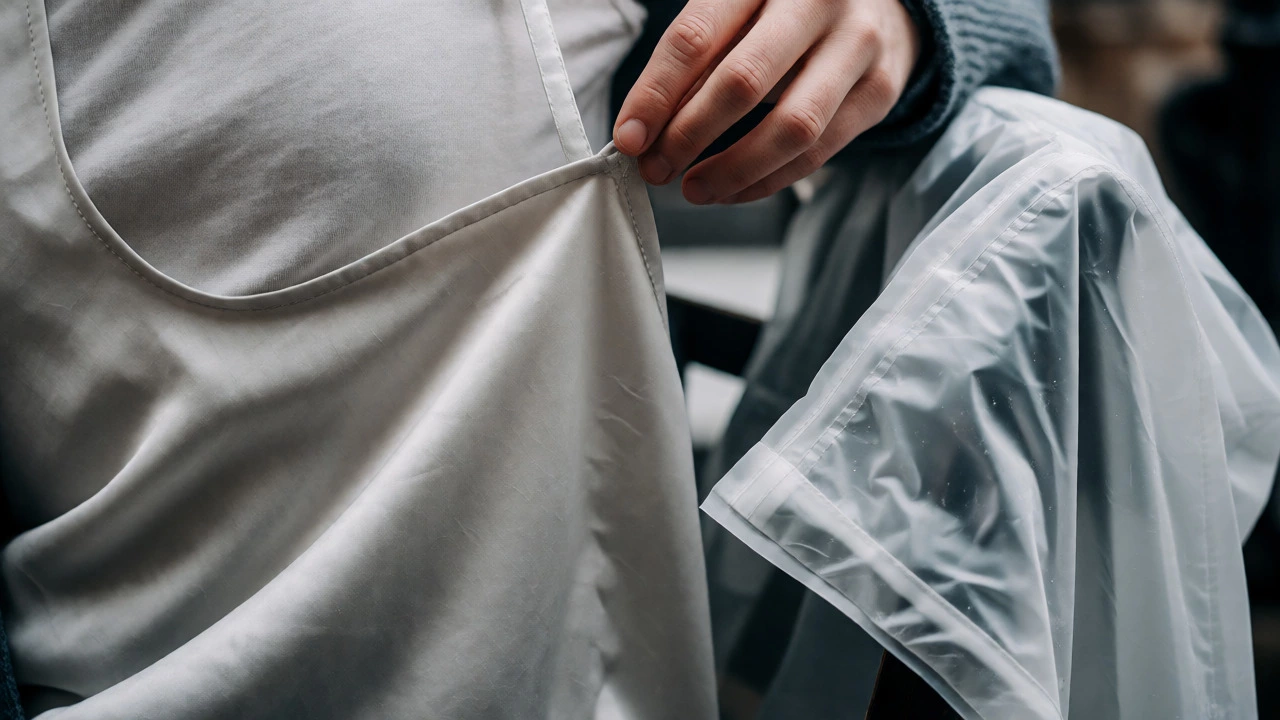
Carry a compact rain shell. Not a heavy trench coat, but a packable waterproof jacket. In Ireland, rain is the enemy of comfort when you're hot. Wet clothes stick to your body and chill you rapidly. A thin, breathable rain shell protects your linen dress from getting soaked while allowing some ventilation. Keep it in your bag until needed. This approach lets you adapt to micro-climates across the country, whether you're dealing with the urban heat island effect in Dublin city center or the breezy coasts of Clare.
Footwear Choices That Save Your Feet
Your feet play a massive role in overall body temperature. If your feet are trapped in non-breathable shoes, your whole body feels warmer. Closed-toe leather boots are stylish but terrible for heat. They trap sweat and prevent evaporation.
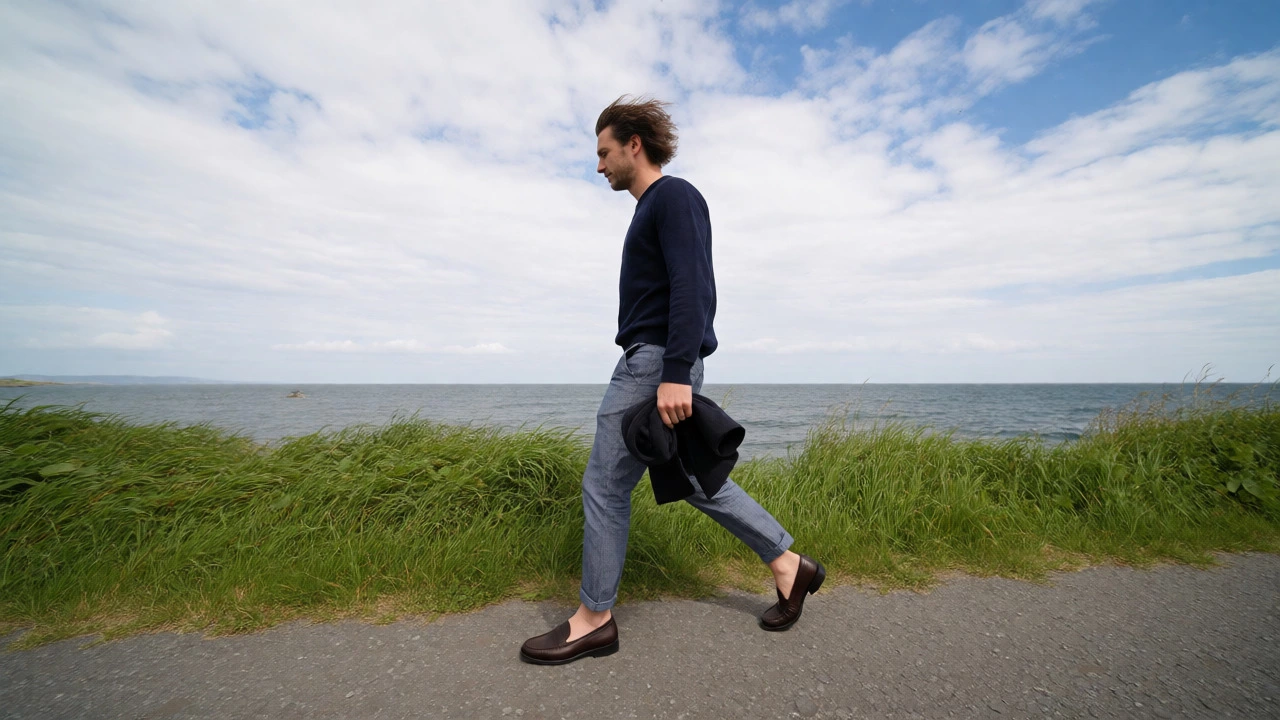
Switch to open-weave sandals, espadrilles, or canvas sneakers. Canvas shoes, like classic Converse or Vans, are porous enough to let some air in, especially if you wear no-show socks. For a more polished look suitable for work in Dublin’s docklands, look for loafers made from unlined leather. Unlined leather molds to your foot and breathes significantly better than lined versions. If you must wear closed shoes, avoid synthetic linings. Choose natural materials and rotate your shoes daily so they have time to dry out completely. Damp shoes breed bacteria and smell, adding another layer of discomfort to a hot day.
Practical Tips for Staying Cool in Public Spaces
Beyond clothing, small habits help manage heat. When shopping for summer dresses in local markets like the one in Liffey Valley or boutique shops in Ranelagh, check the care label. Dark colors absorb heat, but in cloudy Irish skies, this matters less than fabric weight. Still, lighter colors reflect what little sun there is, keeping surface temperature lower.
- Loosen Up: Tight waistbands restrict blood flow and trap heat around your core. Elastic waists or drawstrings are your friends.
- Ventilation Zones: Look for dresses with keyhole backs, slit sleeves, or mesh panels. These strategic openings release heat from areas where you sweat most (underarms, back).
- Hair Management: Long hair traps heat around your neck. Braids or buns expose the nape of your neck, a major cooling point for the body.
- Hydration: Drink water before you feel thirsty. Dehydration makes you feel hotter and less able to regulate temperature.
Remember that "running hot" is physiological. Some people simply generate more metabolic heat. Don't fight it by forcing yourself into winter fabrics in July. Embrace the practicality of Irish fashion. We are experts at dressing for uncertainty. Use that expertise to curate a wardrobe that prioritizes comfort without sacrificing style.
Is denim okay to wear in Irish summer heat?
Traditional heavy denim can be very hot and restrictive. However, lightweight denim (under 8oz) or stretch denim blends are acceptable. Better alternatives include chambray shirts or linen trousers, which offer a similar aesthetic with much better breathability.
What is the best fabric for sensitive skin in humid weather?
Tencel (Lyocell) and organic cotton are excellent choices. They are smooth, hypoallergenic, and wick moisture away from the skin, reducing the risk of chafing and irritation common in humid conditions.
How do I handle sudden rain showers while staying cool?
Keep a lightweight, packable rain shell in your bag. Choose one made from breathable waterproof material (like Gore-Tex Paclite or similar). Avoid heavy PVC raincoats, which trap sweat and cause overheating.
Are synthetic athletic fabrics good for everyday wear?
Generally, no. While they wick sweat well, they often retain odors and lack the airflow of natural fibers. Reserve them for actual exercise. For everyday wear, stick to natural fibers like linen, cotton, or hemp.
Does wearing white really keep you cooler in Ireland?
In sunny conditions, yes. But in Ireland's frequent cloud cover, the difference is minimal compared to fabric choice. A dark linen dress will likely be cooler than a white polyester dress regardless of the sky condition.