Ireland Work Shoe Selector
Where will you be working?
Select the environment that best describes your daily workplace.
Creative & Corporate Office
Docklands, Sandyford, short commutesRetail & Hospitality
Grafton St, Kilkenny restaurants, hard tilesConstruction & Industrial
Limerick sites, Mayo farms, safety standardsHealthcare & Education
Hospitals, schools, 5-7 miles walking dailyWhat is your arch type?
Your arch type dictates the support structure you need.
Flat Feet
Need motion control & firm heelNeutral Arch
Standard cushioning works wellHigh Arches
Need max cushioning & shock absorptionWhat matters most to you?
Select your primary priority for your new work shoes.
Budget Friendly
Under €60, functional basicsMaximum Comfort
Premium cushioning, memory foamDurability & Safety
Steel toe, waterproof, long-lastingProfessional Style
Smart casual, leather, sleek designYour Recommended Work Shoes
Top Brand Recommendation
Best For:
Alternative Options
Key Features to Look For
Where to Buy in Ireland
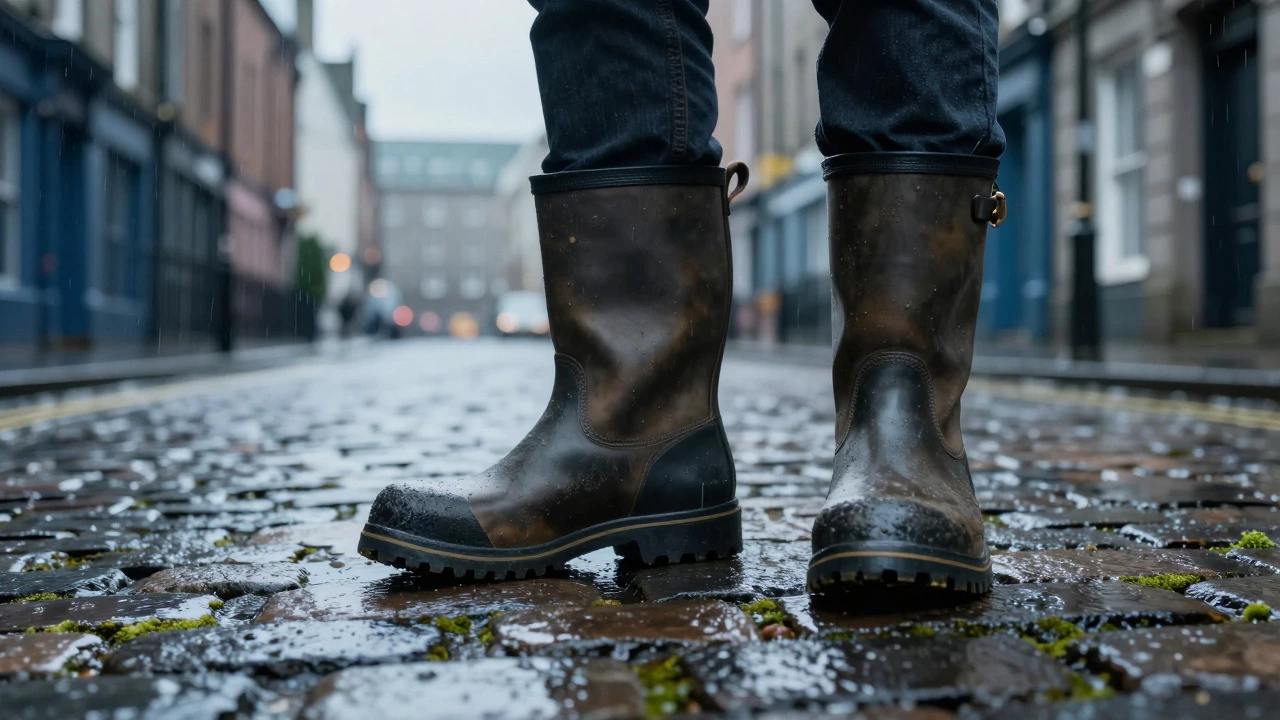
Walking into a Dublin office or a Cork factory on your first day is nerve-wracking enough without worrying about blisters. In Ireland, where the weather can shift from bright sunshine to soaking rain in twenty minutes, and where many jobs require long hours on your feet, choosing the right work shoes isn't just about looking professional. It’s about surviving the commute and staying comfortable through the shift.
If you’ve ever stood on concrete floors in a Galway pub kitchen or walked the cobblestones of Temple Bar with heavy boots, you know that cheap footwear leads to expensive pain. This guide breaks down exactly how to pick shoes that protect your back, fit your budget, and handle the unique demands of working in Ireland.
Understanding Your Workplace Terrain
The first step in finding comfortable work shoes is being honest about where you’ll actually be walking. "Office" doesn’t always mean carpeted floors. In Ireland, many workplaces are older buildings with uneven surfaces, or they involve significant travel between sites.
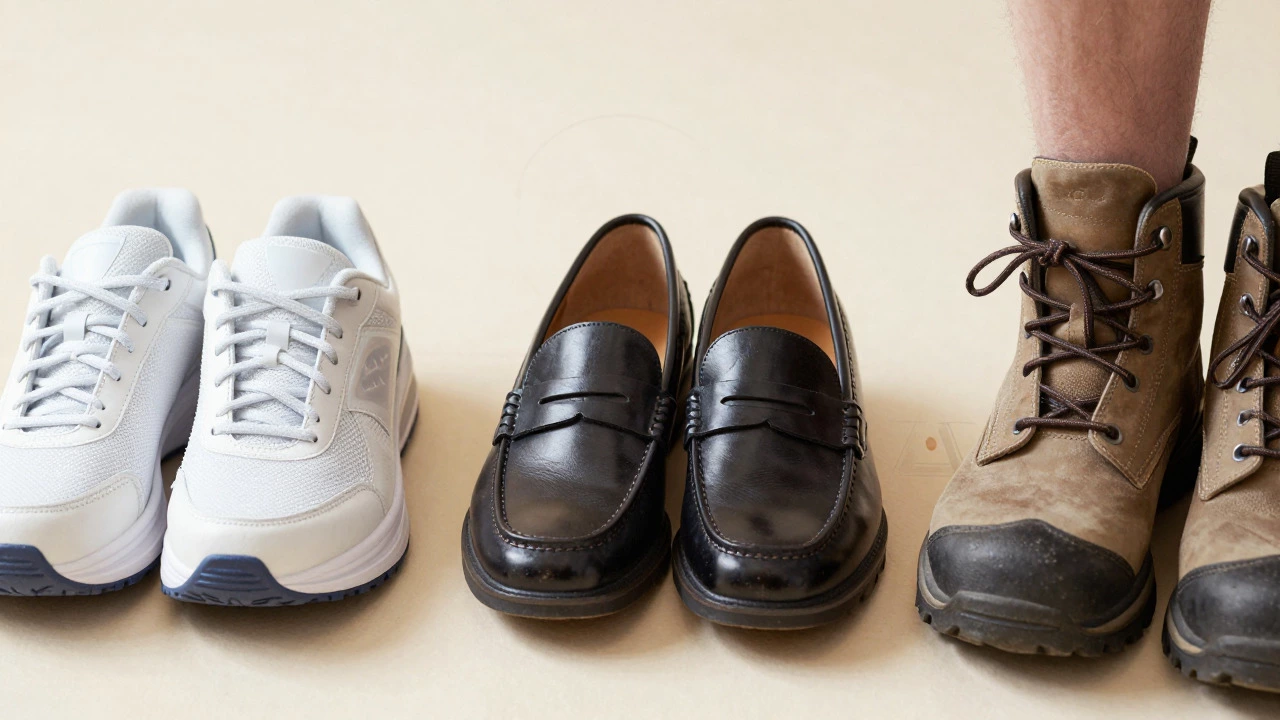
- Creative & Corporate Offices: If you’re working in Docklands or Sandyford, you likely need smart-casual shoes. Think leather loafers or clean sneakers. The focus here is on aesthetics and moderate comfort for short commutes.
- Retail & Hospitality: Working in a shop in Grafton Street or a restaurant in Kilkenny means standing on hard tiles or wood for eight to ten hours. You need maximum cushioning and arch support. Non-slip soles are non-negotiable if you’re handling food or drinks.
- Construction & Industrial: Sites across Ireland, from the new developments in Limerick to farms in Mayo, require safety boots. These must meet EU safety standards (marked with S1, S2, etc.) to protect against impact and water.
- Healthcare & Education: Nurses and teachers often walk five to seven miles a day inside hospitals or schools. Lightweight materials and breathable fabrics are critical here to prevent foot fatigue and swelling.
Knowing your terrain helps you filter out styles that look good but fail functionally. A sleek dress shoe might pass HR approval, but it will destroy your knees if you’re climbing stairs in a multi-story hospital in Tallaght.
Key Features for All-Day Comfort
Comfort isn’t subjective when it comes to biomechanics. Certain features directly reduce strain on your joints. Look for these specific elements when shopping at retailers like Brown Thomas, Sports Direct, or local cobbler shops.
Arch Support and Foot Type
Your arch type dictates your shoe needs. Most people have neutral arches, but flat feet (overpronation) and high arches (supination) are common.
Flat Feet: You need motion-control shoes with firm heel counters and strong medial support. Brands like Brooks or Asics offer excellent stability lines.
High Arches: You need maximum cushioning because your foot doesn’t naturally absorb shock well. Look for soft midsoles and flexible uppers.
Cushioning Technology
Don’t just buy "soft" shoes. Softness can sometimes mean lack of support. Instead, look for specific technologies:
- EVA Foam: Light and responsive, common in running-inspired work shoes.
- Memory Foam: Great for immediate comfort but can flatten over time. Best for shorter shifts.
- Gel or Air Units: Found in brands like New Balance or Skechers, these provide consistent shock absorption even after months of use.
Breathability and Materials
Ireland’s climate is damp. Even in winter, indoor heating combined with wet outdoor conditions can make feet sweat. Leather is durable but can trap heat. Mesh linings or moisture-wicking fabrics keep feet dry, reducing the risk of fungal infections and odor. For rainy days, waterproof membranes like Gore-Tex are invaluable, especially if you commute by bus or bike.
Navigating the Irish Market: Brands and Retailers
You don’t need to import expensive brands from abroad. The Irish market has access to global giants and reliable local options. Here’s how to navigate them.
| Brand | Best For | Price Range (EUR) | Key Feature |
|---|---|---|---|
| Skechers | Retail, Healthcare | €60 - €90 | Memory Foam, lightweight |
| New Balance | Standing all day, wide feet | €80 - €120 | Wide width options, stability |
| Caterpillar / Cat | Construction, Manual Labor | €100 - €150 | Durability, steel toe caps |
| Hoka One One | High-impact roles, nurses | €130 - €160 | Maximum cushioning |
| Clarks | Office, Smart Casual | €70 - €110 | Cushion Plus technology, classic style |
Where to Buy:
- Online: Amazon.ie, ASOS, and brand-specific websites often have better sales than physical stores. Check for student discounts if applicable.
- Physical Stores: Visit large department stores like Dunnes Stores or Penneys for budget-friendly basics. For specialized fittings, go to sports retailers like JD Sports or Decathlon. Decathlon is particularly good for affordable, functional footwear under €50.
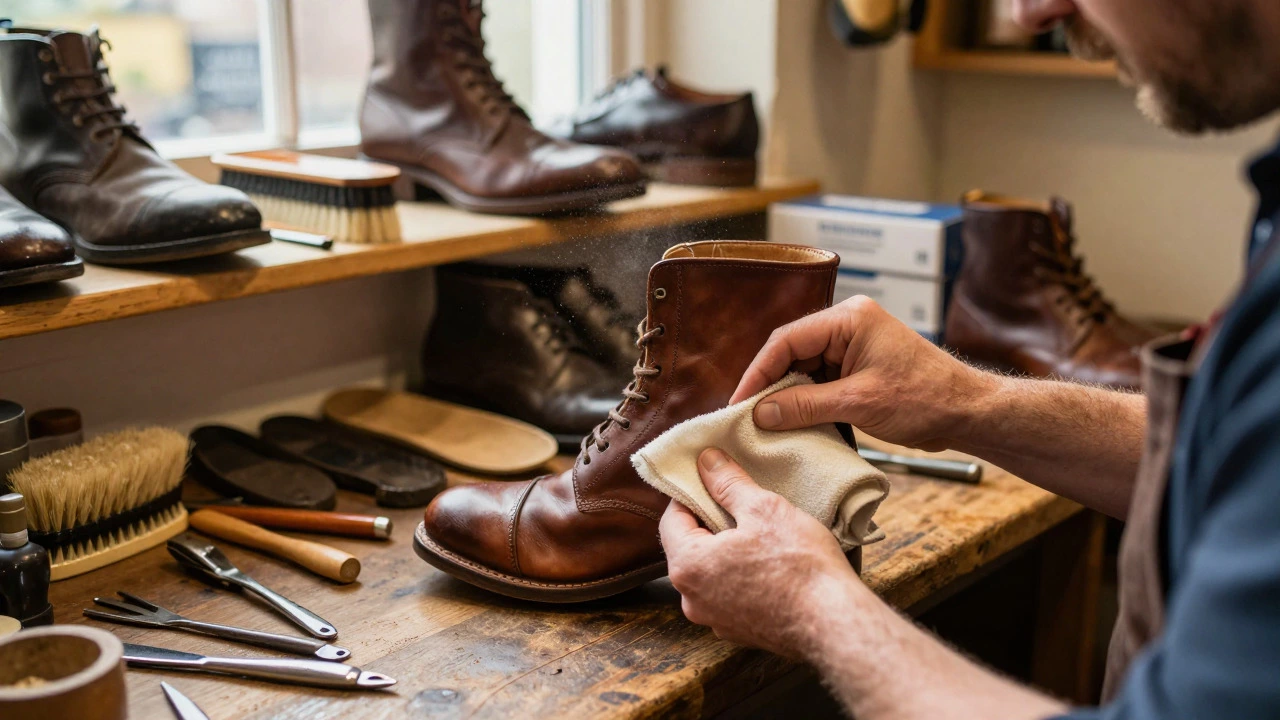
- Local Cobblers: Don’t underestimate traditional shoe repair shops in towns like Ennis or Drogheda. They can add custom insoles or resole high-quality leather boots, extending their life significantly.
The Fitting Process: What Most People Get Wrong
Buying work shoes online is convenient, but it’s risky for comfort. Here’s the correct way to ensure a proper fit, whether you’re trying them on in-store or ordering online.
- Shop in the Afternoon: Your feet swell throughout the day due to gravity and activity. Trying shoes on in the morning might result in a pair that feels too tight by 4 PM.
- Wear the Right Socks: Bring the socks you intend to wear to work. Thick wool socks for construction, thin cotton for office wear. This changes the volume inside the shoe.
- The Thumb Rule: There should be about a thumb’s width (roughly 1cm) of space between your longest toe and the end of the shoe. This allows for natural foot expansion during walking.
- Walk Around: Don’t just stand. Walk on different surfaces if possible. In-store, check for heel slip. If your heel lifts more than slightly, the shoe is too big or the wrong shape for your heel bone.
- Check Width: Many European brands run narrow. If you have wider feet, look for brands offering specific width sizes (like New Balance’s 2E or 4E widths). Ignoring width leads to bunions and ingrown toenails.
Maintenance: Making Them Last Longer
In Ireland, salt used on roads in winter can ruin leather shoes quickly. Proper maintenance extends the life of your investment.
- Clean Regularly: Wipe off mud and salt immediately after work. Use a damp cloth for leather and a soft brush for mesh.
- Condition Leather: Apply a leather conditioner every few months to prevent cracking, especially during dry indoor heating seasons.
- Rotate Shoes: If possible, own two pairs and rotate them. This allows the foam and materials to decompress and dry out completely, preventing odors and maintaining shape.
- Replace Insoles: Factory insoles degrade after 6-12 months. Replacing them with supportive orthotics can breathe new life into old shoes.
When to See a Professional
If you still experience pain despite following these tips, you may need custom orthotics. Podiatrists in Ireland can assess your gait and create custom inserts. While this adds cost, it prevents long-term issues like plantar fasciitis or knee pain. Many private health plans cover podiatry visits, so check your policy.
What are the best work shoes for standing all day in Ireland?
For standing all day, brands like Hoka One One, New Balance, and Skechers are highly recommended. Look for models with maximum cushioning, arch support, and breathable materials. Since Ireland’s floors can be cold and hard, extra sole thickness provides necessary insulation and shock absorption.
Are expensive work shoes worth it?
Yes, if you work more than 20 hours a week on your feet. Cheaper shoes often lack proper structural support, leading to joint pain and faster wear. Investing in quality shoes from reputable brands available in Ireland can save you money on medical bills and replacements in the long run.
How do I deal with wet weather when wearing work shoes?
Choose waterproof materials like treated leather or Gore-Tex lined shoes. Avoid suede unless it’s heavily treated. Carry a small towel to wipe down shoes after commuting in the rain, and use a waterproof spray protector monthly to maintain the barrier against Ireland’s frequent drizzle.
Can I wear running shoes as work shoes?
It depends on your workplace dress code. In casual or active environments like healthcare, retail, or tech startups, running shoes are often acceptable and highly comfortable. However, in formal corporate settings, opt for leather sneakers or loafers with hidden cushioning technology.
Where can I find affordable work shoes in Ireland?
Decathlon offers excellent value for money with durable options under €50. Dunnes Stores and Penneys also carry basic, comfortable footwear at lower price points. For sales, check online retailers like Amazon.ie and ASOS during seasonal clearances.