T-Shirt Quality Checker
Use this tool to check if a t-shirt meets high-quality standards suitable for Ireland's damp climate and daily wear.
Quality Assessment
--You know that feeling when you buy a quality t-shirt, wear it twice, and suddenly the neckline looks like a wavy sea or the fabric has gone see-through? It’s frustrating, especially here in Ireland where our damp weather demands clothes that can handle a bit of rain without turning into a heavy, wet rag. Choosing the right tee isn’t just about picking a cool graphic; it’s about understanding fabric weights, stitching techniques, and ethical sourcing that actually holds up against the elements.
If you’re shopping in Dublin on Grafton Street or browsing online from your kitchen table in Cork, the options are endless. But most people fall into the trap of buying based on brand logos rather than construction. This guide cuts through the marketing noise to help you find a shirt that lasts years, not months. We’ll look at what makes a tee durable, how to spot cheap manufacturing, and which local Irish brands are doing it right.
Understanding Fabric Weight and Material
The first thing you need to check is the GSM. That stands for grams per square meter, and it tells you how heavy and dense the fabric is. In Ireland, we often prefer mid-weight tees because they offer some warmth without being too hot indoors, but they also need to breathe if you’re walking along the Cliffs of Moher or commuting in the city.
Here’s a quick rule of thumb for GSM:
- 120-150 GSM: Light and airy. Good for summer holidays in Spain, but these tend to lose shape quickly after washing. Avoid these if you want durability.
- 160-180 GSM: The sweet spot for everyday wear. This is the standard for most decent quality t-shirts. They feel substantial but aren’t stifling.
- 190+ GSM: Heavyweight. These are great for layering under a flannel or wearing alone in cooler autumn weather. They last longer but can be stiff initially.
Material matters just as much as weight. Look for 100% combed cotton or organic cotton. Combed cotton removes short fibers and impurities, resulting in a smoother, stronger yarn. If you see "polyester blend," be cautious. While polyester adds durability, it traps sweat and smells worse over time-something you don’t want if you’re cycling around Galway or taking the Luas during rush hour.
| Feature | Budget Tee | Quality Tee | Luxury/Heritage Tee |
|---|---|---|---|
| Cotton Type | Standard Carded Cotton | Combed or Organic Cotton | Pima or Supima Cotton |
| GSM Range | 120-140 | 160-180 | 180-220+ |
| Stitching | Single Needle | Double Needle | Reinforced Double Needle |
| Shrinkage | High (5-7%) | Low (Pre-shrunk) | Negligible |
Checking the Construction Details
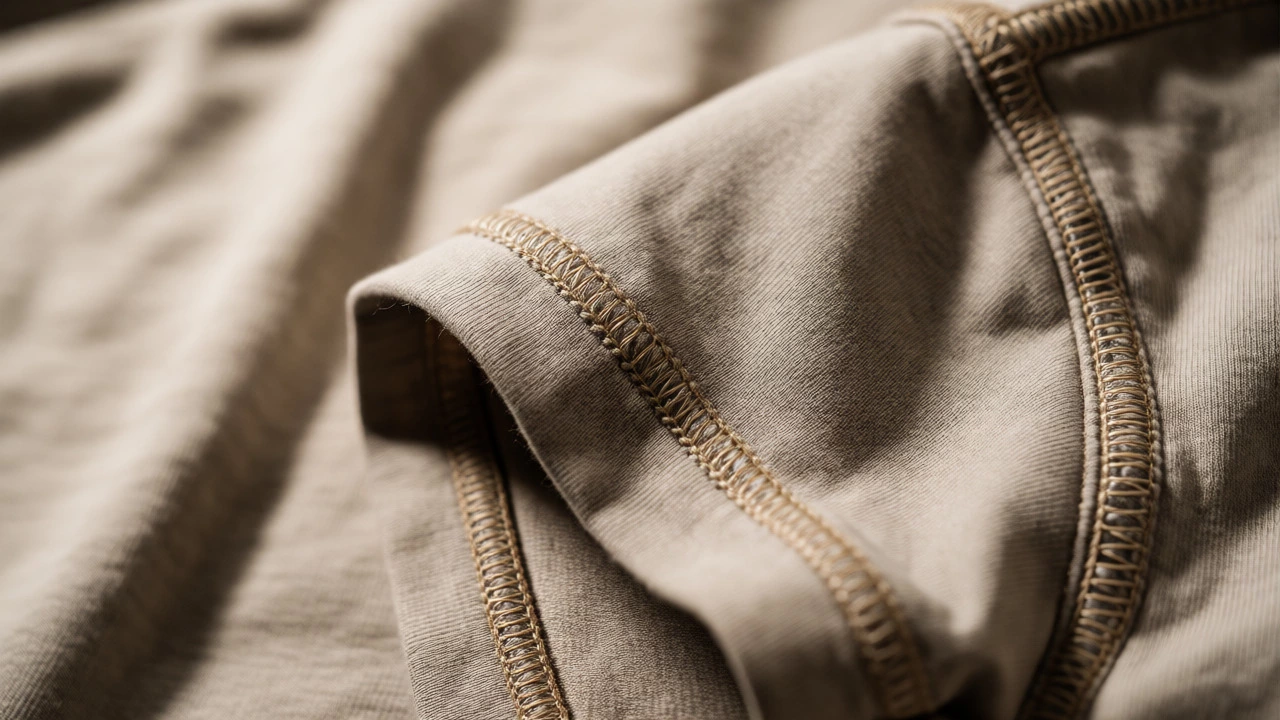
Flip the shirt inside out. This is where the truth lives. You’re looking for double-stitched seams. Single stitching is faster and cheaper to produce, but it falls apart at the shoulders and hems after a few washes. Double stitching means two parallel lines of thread running along the seam. It’s more robust and keeps the structure intact.
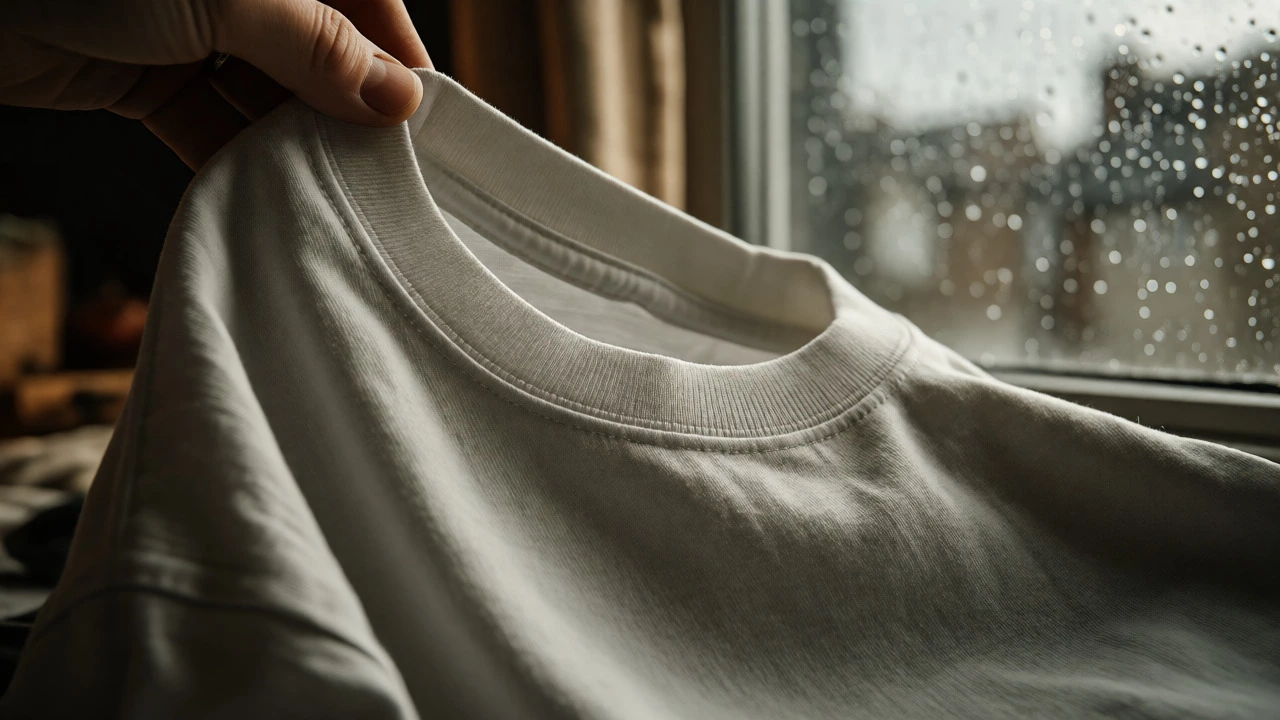
Also, check the neckband. A cheap tee will have a thin, single-layer ribbed collar that stretches out and becomes "bacon neck" (wavy and loose) almost immediately. A good quality t-shirt uses a thicker, reinforced ribbing, sometimes with an internal tape across the back of the neck. This tape prevents stretching and stops the label from scratching your skin. If there’s no tape, the neckband should still feel firm and elastic, not floppy.
Sleeve attachment is another tell. Look for set-in sleeves where the sleeve is sewn onto the body separately. Raglan sleeves (where the sleeve extends in one piece to the collar) are stylish but can sometimes restrict movement less effectively depending on the cut. For a classic fit, ensure the shoulder seams sit exactly on your shoulder bone, not sliding down your arm. If they slide, the shirt was cut poorly or stretched during manufacturing.
Ethical Sourcing and Irish Brands
Irish consumers are increasingly aware of where their clothes come from. We’ve seen a shift away from fast fashion giants toward local makers who prioritize transparency. When you buy from an Irish brand, you’re often supporting smaller workshops that pay fair wages and use sustainable practices.
Brands like Project Pigeon and a Dublin-based streetwear label known for high-quality basics have gained traction by focusing on heavyweight cottons and ethical production. Similarly, Kernow Clothing offers minimalist designs made with eco-friendly materials, appealing to those who want style without the environmental guilt.
Why does this matter? Because supply chain transparency often correlates with quality control. When a brand knows exactly which factory stitched their shirts, they’re more likely to inspect the final product rigorously. Plus, buying local reduces carbon footprints associated with shipping, which aligns with Ireland’s growing focus on sustainability goals.
Don’t ignore the tags either. Look for certifications like GOTS (Global Organic Textile Standard) or OEKO-TEX. These ensure that harmful chemicals weren’t used in dyeing the fabric-a crucial factor if you have sensitive skin or plan to wear the shirt directly against your body all day.
Fit and Cut: Beyond Size Labels
A high-quality shirt can still feel wrong if the cut doesn’t match your body type. Irish sizing tends to follow UK standards, but cuts vary wildly between brands. Some are slim-fit, others boxy. Before buying, measure yourself. Take a well-fitting shirt you already own, lay it flat, and measure the chest width and length. Compare these numbers to the brand’s size chart.
Consider the drop tail versus straight hem. Straight hems are cleaner and better for tucking into jeans or chinos. Drop tails (longer at the back) are designed for athletic builds or those who move a lot, preventing the shirt from riding up. If you’re mostly sitting at a desk in an office in Sandyford, a straight hem might look neater. If you’re active outdoors, a drop tail offers more coverage.
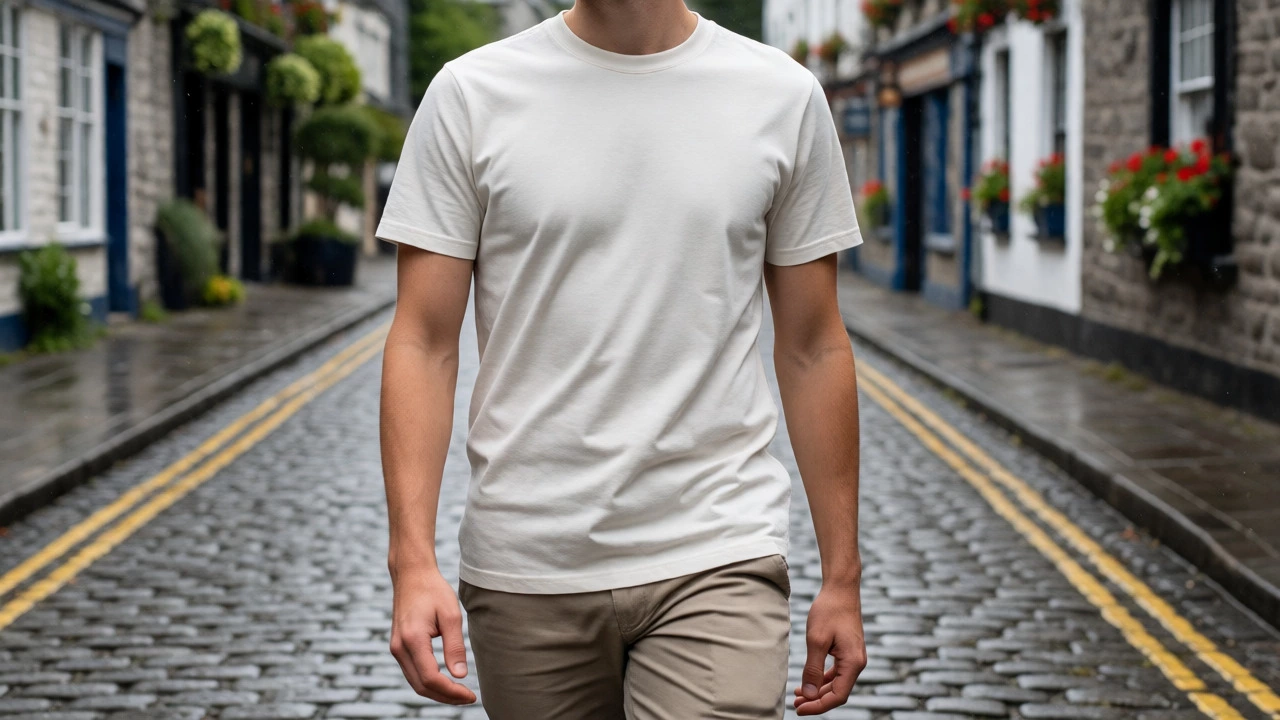
Length is critical. Too long, and you look sloppy; too short, and it rides up when you raise your arms. Aim for the hem to hit mid-fly on your trousers. This works for both casual and smart-casual settings, which covers most social scenarios in Ireland, from pub quizzes to casual work environments.
Care Instructions for Longevity
Even the best t-shirt dies young if washed incorrectly. Hot water breaks down cotton fibers and causes shrinkage. Always wash cold (30°C or lower). Use mild detergent; harsh bleaches weaken the weave over time.
Drying is the biggest killer of t-shirts. Tumble dryers agitate fabric aggressively, leading to pilling and distortion. Air dry instead. Hang them on a line or lay them flat on a drying rack. Yes, it takes longer, especially in our rainy climate, but it preserves the shape. If you must use a dryer, choose the lowest heat setting and remove the shirts while slightly damp to iron or hang immediately.
Turn shirts inside out before washing. This protects the outer surface from friction against other clothes, keeping colors vibrant and prints intact. If you have printed tees, avoid scrubbing the print area directly.
Where to Shop in Ireland
Physical stores allow you to feel the fabric, which is invaluable. Visit independent boutiques in cities like Dublin, Cork, or Limerick. Staff in these shops often know their inventory intimately and can guide you toward durable options. Chains like Brown Thomas or Arnotts carry premium basics, but always check the tag for country of origin and fabric composition.
Online shopping offers convenience but requires caution. Read reviews specifically mentioning durability. Look for phrases like "holds shape" or "softens nicely." Be wary of sites with vague return policies. Reputable Irish retailers usually offer clear returns, allowing you to test the fit and feel at home.
Second-hand platforms like Depop or local charity shops can also yield treasures. Vintage tees, particularly those from the 80s and 90s, were often made with heavier cottons than today’s fast fashion. Inspect seams closely for repairs or weak spots, but if the construction is solid, you might find a gem for a fraction of the retail price.
What GSM is best for Irish weather?
For most of the year, aim for 160-180 GSM. This provides enough thickness to block light wind and provide slight insulation without overheating indoors. During peak summer, 140-150 GSM is acceptable, while winter layering benefits from 190+ GSM.
Do expensive t-shirts really last longer?
Not always, but they often do due to better cotton quality and tighter knitting. However, price doesn't guarantee fit or style. Focus on construction details like double stitching and fabric weight rather than just the brand name or price tag.
How do I stop my black t-shirts from fading?
Wash in cold water, turn inside out, and avoid direct sunlight when drying. UV rays break down dyes rapidly. Using a detergent formulated for dark colors can also help preserve vibrancy longer.
Is organic cotton worth the extra cost?
Yes, if you value sustainability and skin comfort. Organic cotton avoids synthetic pesticides and fertilizers, resulting in softer fibers and fewer chemical residues. It's also better for the environment, which aligns with many Irish values regarding nature conservation.
Can I fix a stretched neckline?
Sometimes. Soak the neckline in ice water for 10 minutes, then gently reshape it and let it air dry. This tightens the fibers temporarily. For permanent fixes, consider professional tailoring or accept it as part of the shirt's vintage charm.