
Suit Care Frequency Calculator
Stop over-cleaning your wool suits. Use this tool to determine the ideal dry cleaning schedule for your specific lifestyle and local weather conditions.
Here’s the uncomfortable truth about washing your suit: most of us are doing it wrong. We treat our suits like gym clothes or office shirts, throwing them in the wash or rushing to the dry cleaner after every wear. But if you’re living in Ireland, where the rain is relentless and the humidity can be high, that instinct might actually be shortening the life of your best tailoring. A good wool suit isn’t meant to be scrubbed clean every time you step out for a pint at a pub in Dublin or commute on the Luas. It’s designed to breathe, recover, and shed odors naturally. So, how often should you actually clean it? The answer depends less on the calendar and more on your lifestyle, the fabric, and whether you’ve been caught in one of those sudden Galway downpours.
The central rule is simple: Suit jackets need far less attention than trousers. A jacket is an outer layer. It sits over your shirt, shielded from direct skin contact. Unless you spill Guinness on it or sweat through it during a heated presentation, it doesn’t need professional cleaning after every use. In fact, frequent dry cleaning strips natural oils from the wool fibers, causing the fabric to look dull and feel brittle over time. For the average professional in Cork or Belfast who wears a suit two or three times a week, a full dry clean once every four to six months is usually plenty. If you only wear it for weddings or funerals-common occurrences in Irish social calendars-you might get away with cleaning it just once a year, provided you store it correctly.
Why Your Shirt Matters More Than Your Jacket
If your jacket looks fresh but smells faintly of damp wool, check your shirt. That odor usually transfers from underneath. In Ireland’s climate, where we spend half the year dodging drizzle, moisture gets trapped between layers. Here’s the hierarchy of cleanliness:
- Shirts: Wash after every single wear. No exceptions. Sweat and body oils degrade collar fabric quickly.
- Trousers: Clean these more often than jackets. They take the brunt of sitting on chairs, bus seats, and pub stools. Aim for a dry clean every 3-4 wears.
- Jackets: Air them out instead of cleaning them. Hang them in a well-ventilated area (not a steamy bathroom) for 24 hours between wears. This allows the fibers to relax and release odors.
Think of your suit like a leather jacket or a pair of raw denim jeans. You don’t wash them constantly; you let them age gracefully. The same logic applies to high-quality wool blends common in Irish tailoring shops. Over-cleaning breaks down the weave, leading to shine on elbows and knees long before the suit is worn out.
The Dry Cleaning Myth vs. Reality
Many people assume "dry cleaning" means using water. It doesn’t. It uses chemical solvents, typically perchloroethylene (perc), to lift stains without shrinking wool. While effective, these chemicals are harsh. Each trip to the cleaners adds stress to the fabric. If you live in a city like Limerick or Waterford, you have access to reputable local cleaners, but don’t make them your default solution for minor issues.
| Usage Scenario | Recommended Cleaning Interval | Reasoning |
|---|---|---|
| Daily Office Wear | Every 10-15 wears (Jacket) Every 3-4 wears (Trousers) |
Body oils accumulate slowly on jackets; trousers face friction and seat stains. |
| Occasional Events (Weddings/Funerals) | Once per season or after visible staining | Limited exposure to sweat and dirt; airing out suffices for most cases. |
| Rainy Commuter (Dublin/Galway) | Spot clean immediately; deep clean monthly | Moisture promotes mold and mildew; salt from road spray needs removal. |
| Summer Festival Season | After every heavy sweat session | High activity levels increase bacterial growth and odor retention. |
Handling the Irish Rain
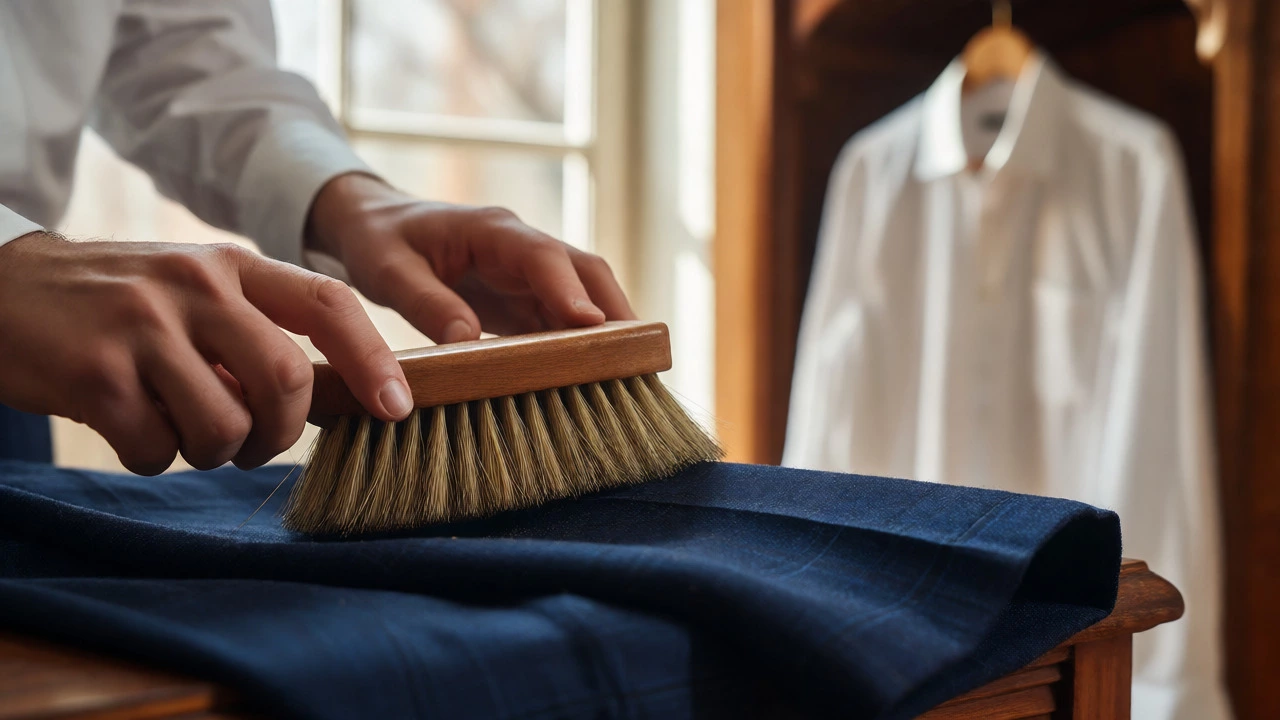
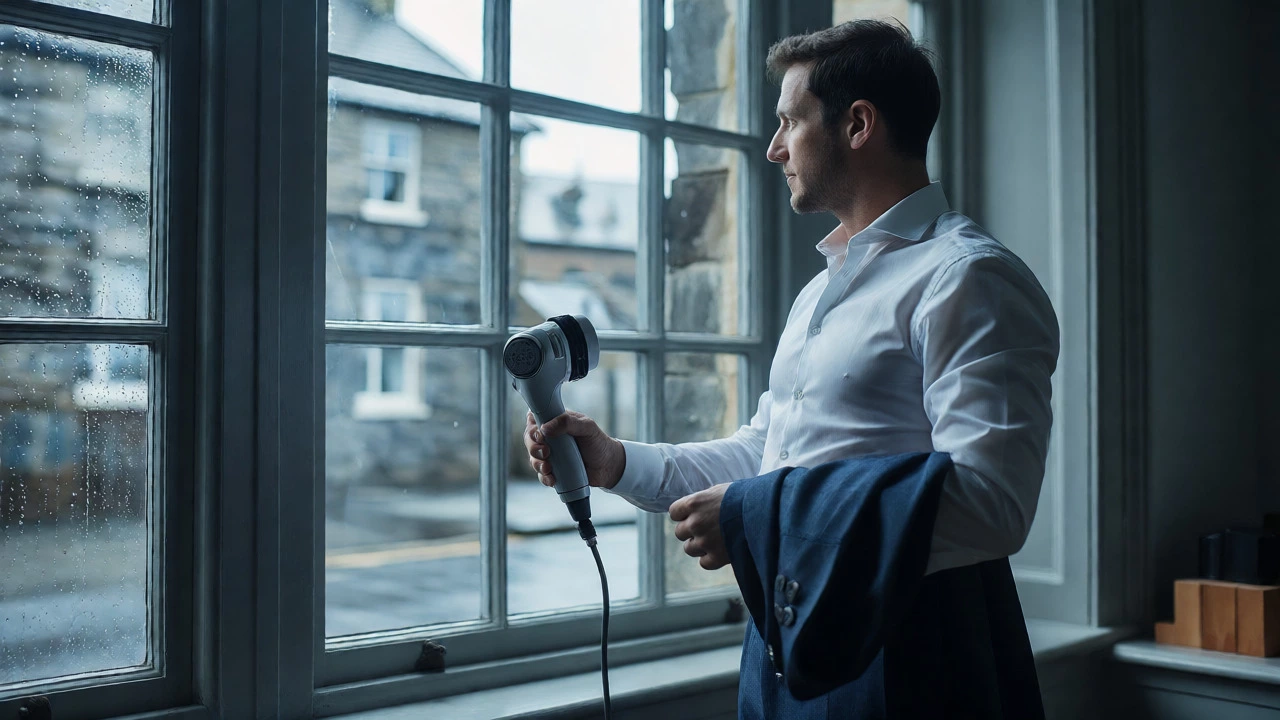
Let’s be real: you will get wet. Whether you’re walking across Grafton Street or waiting for a taxi in Shannon, rain happens. When your suit gets soaked, do not put it near a radiator or fire. Heat damages wool, causing it to shrink or become misshapen. Instead, hang the jacket on a wide, padded hanger in a room with good airflow. Let it dry naturally. Once dry, brush it gently with a horsehair brush. This removes surface dirt and restores the nap of the fabric. If you notice water spots, they often disappear on their own as the fibers relax. If they persist, a quick steam from a handheld steamer (held at a distance) can help, but avoid pressing directly with an iron unless you use a cloth barrier.
Spot Cleaning: Your Best Friend
You don’t need a professional for small accidents. Most stains can be handled at home with a bit of care. Keep a white cloth and some club soda or a dedicated fabric stain remover handy. Blot-never rub-the stain. Rubbing pushes the liquid deeper into the weave. For oil-based stains (like butter from a sandwich), sprinkle cornstarch or talcum powder on the spot, let it sit for an hour to absorb the grease, then brush it off. For wine or coffee, blot with cold water first. If the stain remains, take it to a specialist. In Dublin, places like The Tailor Shop or independent cleaners in Rathmines often offer better results than large chain cleaners because they handle delicate fabrics with more care.
Storage Is Half the Battle
How you store your suit affects how often you need to clean it. If you toss your jacket on a chair, wrinkles set in, and dust accumulates. Always use wooden or padded plastic hangers that mimic the shape of your shoulders. Wire hangers create bumps and distort the shoulder pads. Use a breathable garment bag for storage, especially if you’re storing suits in a closet for months. Avoid plastic bags, which trap moisture and lead to yellowing. In older Irish homes, where dampness can be an issue, consider adding cedar blocks to your wardrobe. Cedar repels moths-a genuine threat to wool-and absorbs excess humidity, keeping your suit fresher for longer.
When to Replace, Not Clean
There comes a point when no amount of cleaning will save your suit. Look for signs of permanent damage: shiny patches on the elbows or seat that won’t steam out, fraying lining, or stretched-out buttons. These indicate structural wear. In Ireland, where we value quality over quantity, investing in a second suit to rotate with your primary one extends the lifespan of both. Wearing the same suit two days in a row doesn’t give the fibers enough time to recover. Rotate your collection. If you have a wedding coming up in Kildare next month, don’t wait until the day before to realize your main suit needs a refresh. Plan ahead, air it out, and only book a clean if absolutely necessary.
Frequently Asked Questions
Can I wash my suit in a washing machine?
Generally, no. Traditional wool suits will shrink and lose their shape in a washing machine. Some modern synthetic blends labeled "machine washable" exist, but they lack the drape and breathability of pure wool. Stick to dry cleaning or hand-spot cleaning to preserve the integrity of the fabric.
How do I remove smoke smell from my suit?
Hang the suit outside in fresh air for a few hours. If the smell persists, place it in a sealed plastic bin with baking soda for 24 hours. The baking soda absorbs odors without damaging the fabric. Avoid spraying perfume directly on the suit, as alcohol can leave marks on wool.
Is dry cleaning bad for the environment?
Traditional perc-based dry cleaning has environmental concerns due to chemical waste. Many Irish cleaners now offer "green" alternatives using liquid CO2 or silicone-based solvents. Check with your local provider if sustainability matters to you.
Should I press my suit myself?
Yes, but carefully. Use a low-heat iron with a pressing cloth (a thin cotton towel works). Never touch the iron directly to the wool. Steam is safer and easier for removing wrinkles. A handheld steamer is a worthwhile investment for maintaining a crisp look between cleans.
How long does a suit last if cared for properly?
A high-quality wool suit, rotated regularly and cleaned sparingly, can last 5-10 years or more. Poor maintenance, such as frequent dry cleaning or improper storage, can reduce this lifespan significantly.