Irish Leather Shoe Lifespan Estimator
Expected total life with current habits
Cost Efficiency Analysis:
- Cost per Year: --
- Repair Potential: --
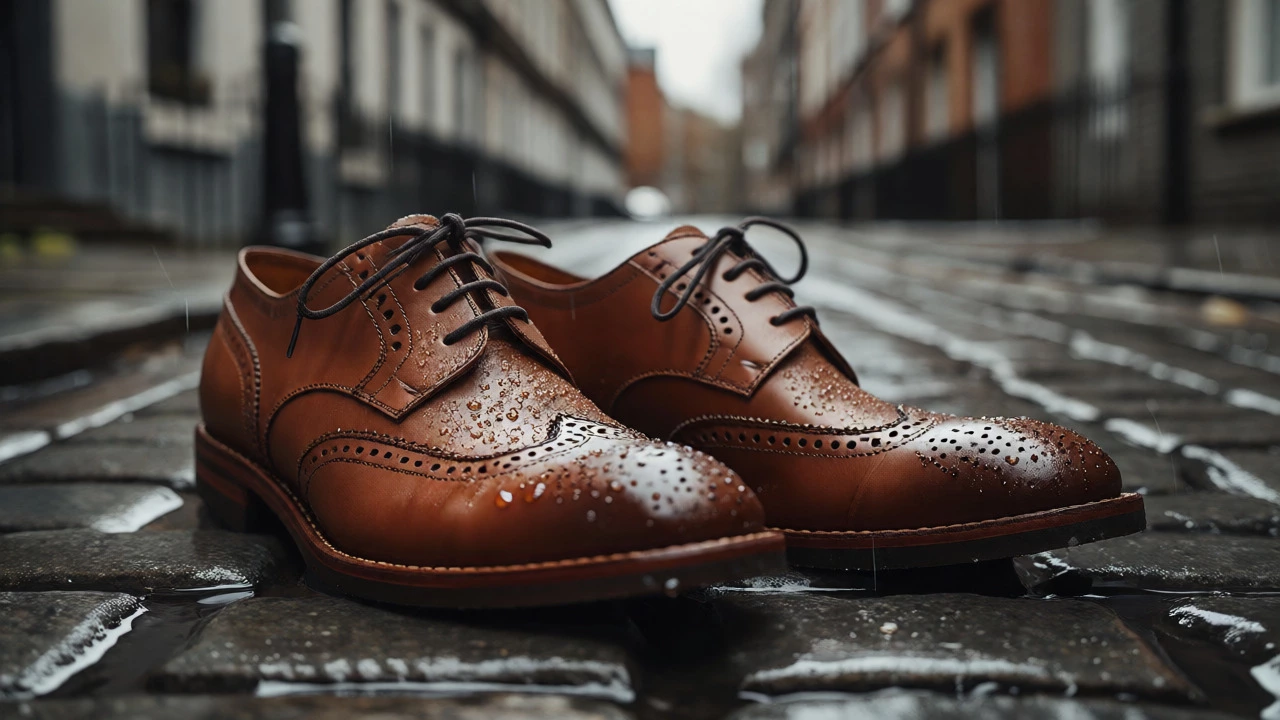
You just spent €150 on a pair of sturdy brogues from a shop on Grafton Street, expecting them to be your daily driver for years. Then it rains-because it always rains in Ireland-and three months later, the soles are separating and the leather looks like it’s given up. Did you buy bad shoes? Or did you miss something crucial about maintaining footwear in this specific corner of Europe?
The truth is, there’s no single answer to "how long should leather shoes last?" It depends entirely on construction quality, how often you wear them, and how well you handle our notoriously damp, mild winters. A cheap pair might die in six months; a high-quality Goodyear-welted pair can outlive your car if you treat it right. Here is what actually happens to leather shoes when they meet Irish conditions, and how to make yours survive.
The Lifespan Reality: Cheap vs. Quality Construction
Not all leather shoes are created equal. The biggest factor determining lifespan isn't the brand logo-it's how the sole attaches to the upper. In Ireland, where we walk on wet pavement, cobblestones in Galway, or muddy trails in Wicklow, construction matters more than aesthetics.
| Construction Type | Avg. Lifespan (With Care) | Repairability | Best For |
|---|---|---|---|
| Cemented (Glued) | 6-18 months | Low (often not worth it) | Fashion trends, dry office days |
| Brogue/Stitchdown | 2-4 years | Medium | Daily commuting, moderate rain |
| Goodyear Welted | 5-10+ years | High (resoleable 3-5 times) | Daily wear, heavy rain, long-term value |
If you buy cemented shoes-where the sole is glued on-you’re buying a disposable product. Once that glue fails (which happens faster with moisture exposure), the shoe is done. But if you invest in Goodyear welted shoes constructed by stitching the upper, insole, and welt together before attaching the sole, you’re buying into a system designed for repair. Brands like Loake or Tricker’s, popular here because they handle our climate better than thin-soled Italian dress shoes, fall into this category.
Why Irish Weather Kills Shoes Faster Than You Think
Let’s be honest: Ireland doesn’t get extreme heat or freezing cold, but it gets relentless dampness. Humidity levels hover between 70% and 90% for much of the year. This constant moisture attacks leather in two ways:
- Mold and Mildew: If you leave wet shoes in a dark cupboard overnight, mold spores thrive. You’ll see white fuzz or black spots inside the lining within weeks.
- Salt Damage: Councils spread salt on roads during icy patches. That salty slush splashes onto your shoes, dries out the leather, and causes cracking around the toe box and heel counter.
Unlike in Spain or California, where you can air-dry shoes quickly, drying shoes in Ireland takes time. If you rush this process-by putting them near a radiator or using a hairdryer-you cook the natural oils out of the leather. The result? Brittle cracks that start small and widen until the upper splits. This is why many expensive shoes fail prematurely here: not from wear, but from improper drying.
The Resoling Factor: Extending Life Beyond 5 Years
Here’s the secret most people miss: the upper part of a good leather shoe rarely wears out. It’s the sole that dies. In cities like Dublin, Cork, and Belfast, there’s a thriving culture of cobbler shops that can replace these soles without damaging the shoe.
Consider a pair of Trickers British-made boots known for rugged durability and traditional craftsmanship. They cost around €300-€400 new. With proper care, the leather upper will look better after five years than it did day one. When the rubber sole wears through, you take them to a specialist cobbler. A resole costs €60-€90. Do this every 3-4 years, and you have a pair of shoes that lasts 15 years. Compare that to buying a new €150 pair every two years, and the math favors the initial investment.
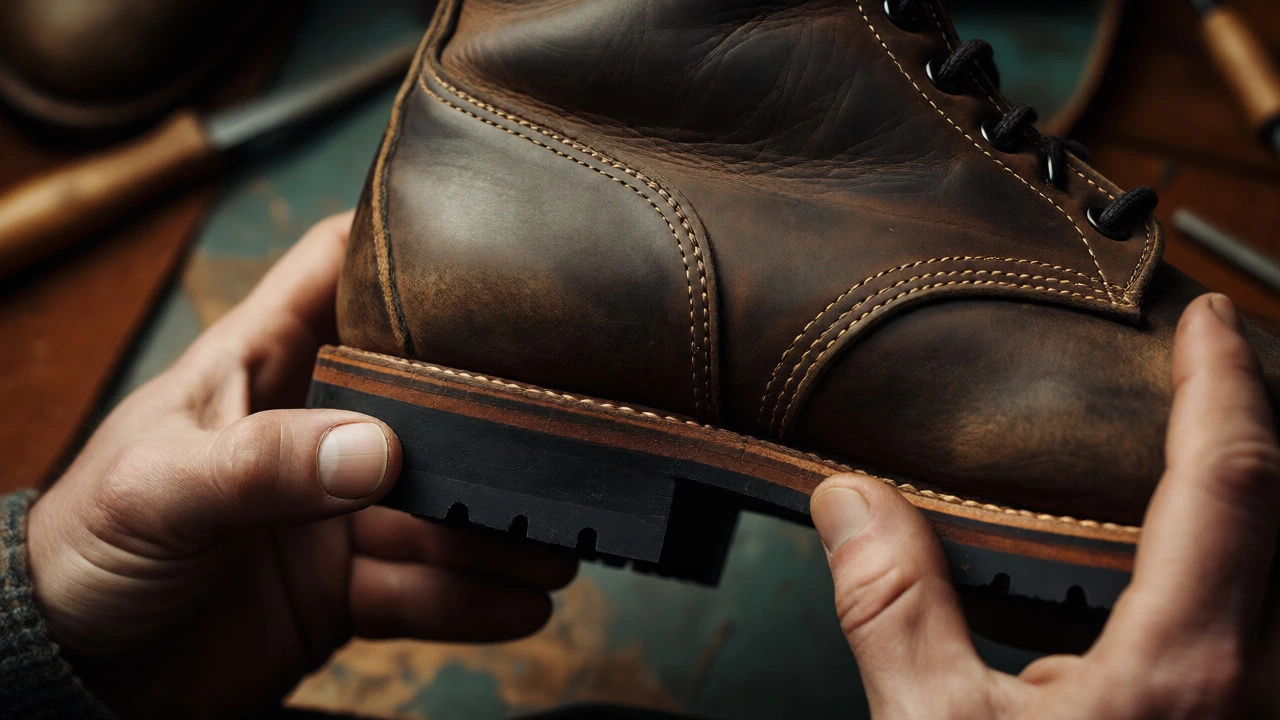
However, not all shoes are resoleable. Check the bottom: if you see a stitch running around the perimeter of the sole, it’s likely welted. If it’s smooth glue lines, don’t bother trying to fix it once it separates.
Practical Care Routine for the Irish Commuter
You don’t need a degree in chemistry to keep shoes alive. You just need consistency. Here’s a routine that works even if you hate doing chores:
- The Two-Shoe Rule: Never wear the same pair two days in a row. Leather needs 24 hours to dry out fully from sweat and ambient humidity. Rotate between at least two pairs. This alone doubles their lifespan.
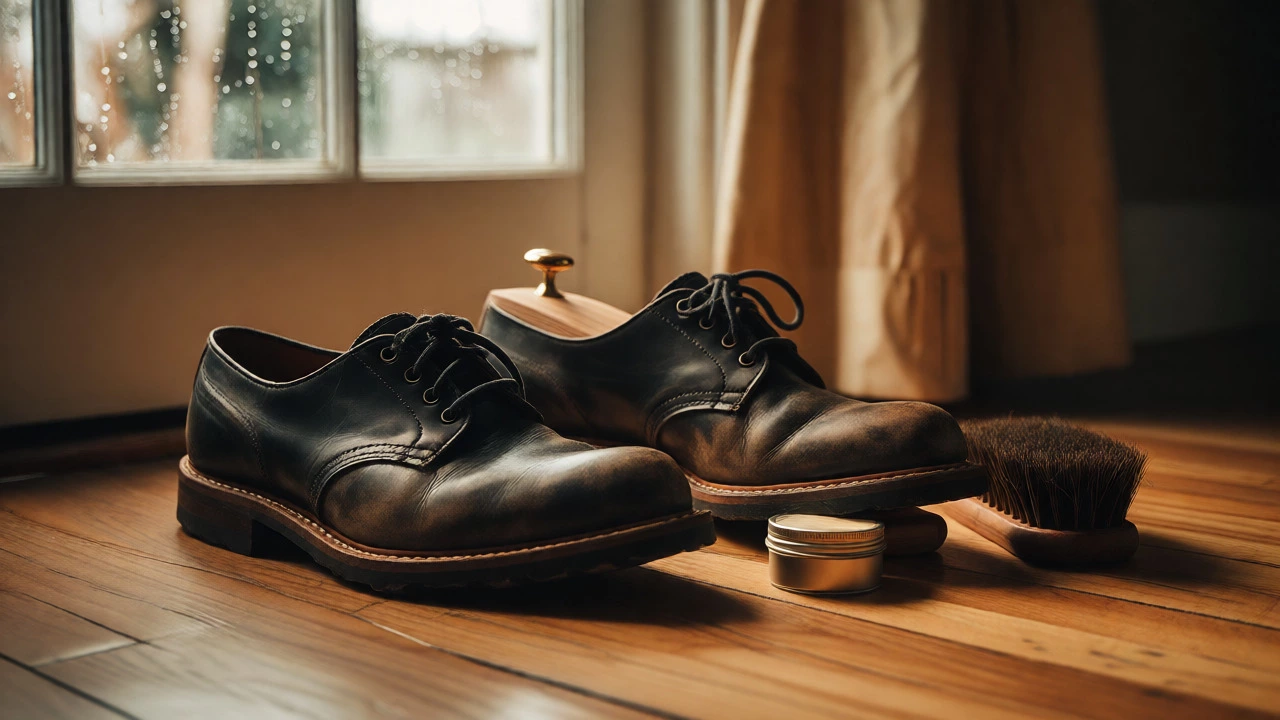
- Use Cedar Shoe Trees: These aren’t just fancy accessories. Cedar absorbs moisture from the inside and maintains shape. Without them, wet leather shrinks and warps as it dries.
- Brush After Every Wear: Use a horsehair brush to remove dust and dried mud. Mud acts like sandpaper against leather fibers. Brushing takes 30 seconds per shoe.
- Condition Quarterly: Apply a neutral cream polish or conditioner every 3-4 months. This replenishes oils lost to wind and rain. Focus on the toe creases and heel area where stress concentrates.
In Ireland, winter demands extra attention. Before heading out on rainy days, apply a wax-based protector (like Saphir Super Invulner) to repel water. Reapply monthly during the wet season. It’s not waterproofing, but it buys you time to wipe off puddles before they soak in.
When to Replace vs. Repair: A Decision Guide
Knowing when to let go saves money. Keep repairing if:
- The upper leather is intact (no deep cracks).
- The damage is limited to the sole, heels, or laces.
- The shoe still fits comfortably.
Replace immediately if:
- The leather has cracked deeply across the vamp (toe area).
- The cork filler under the footbed has compressed completely (common in old welted shoes). This changes fit and comfort.
- The style feels dated or uncomfortable despite repairs.
A quick tip: If you’re unsure, visit a local cobbler. Places like Hanley’s Shoe Repairs in Dublin or independent artisans in Galway can assess whether a shoe is salvageable. They’ll tell you honestly if the repair cost exceeds 50% of the shoe’s current value.
Buying Tips for the Irish Market
Shopping for durable leather shoes in Ireland requires looking past fashion blogs. Look for:
- Full-Grain Leather: Avoid "corrected grain" or synthetic blends. Full-grain develops a patina rather than peeling.
- Rubber Soles: Pure leather soles are slippery on wet Irish pavement and wear down fast. Opt for Dainite or Vibram rubber soles-they grip better and last longer in rain.
- Local Heritage Brands: Consider brands with roots in practicality, like Loake a Northamptonshire-based shoemaker offering accessible Goodyear welted options, widely available in Irish department stores like Brown Thomas or Arnotts.
Avoid ultra-thin soles or suede in winter unless you live in a city center with minimal walking. Suede absorbs water instantly and stains easily from salt spray.
Can I wear leather shoes in heavy Irish rain?
Yes, but not continuously. Leather is breathable but not waterproof. If you expect heavy rain, switch to treated leather or rubber boots. If caught in a shower, stuff your shoes with newspaper to absorb internal moisture and let them air-dry away from direct heat sources. Never put wet leather shoes in a tumble dryer.
Is it worth paying more for Goodyear welted shoes in Ireland?
Absolutely, if you plan to wear them regularly. The higher upfront cost (€200+) pays off because you can resole them multiple times. Given the wet conditions accelerate sole wear, the ability to replace just the sole makes them far more economical over 5-10 years than replacing cheaper glued-on alternatives annually.
How do I remove salt stains from my shoes?
Mix equal parts white vinegar and warm water. Dip a soft cloth in the solution and gently wipe the affected areas. Vinegar neutralizes the alkaline salt residue. Wipe again with a clean damp cloth to remove vinegar traces, then let dry naturally. Apply conditioner afterward, as vinegar can strip some oils.
Do shoe trees really make a difference?
In humid climates like Ireland, yes. Cedar shoe trees absorb perspiration and ambient moisture from the interior, preventing odor and mold. They also stretch the leather back to its original shape, reducing permanent creasing. Plastic trees do not offer this benefit.
Where can I find reliable cobblers in Ireland?
Major cities have reputable specialists. In Dublin, try Hanley’s or The Cobbler’s Den. In Cork, check out established repair shops on Grand Parade. Always ask if they use quality materials like Vibram soles and genuine leather thread. Read recent reviews on Google Maps, as service quality varies significantly between neighborhood shops.