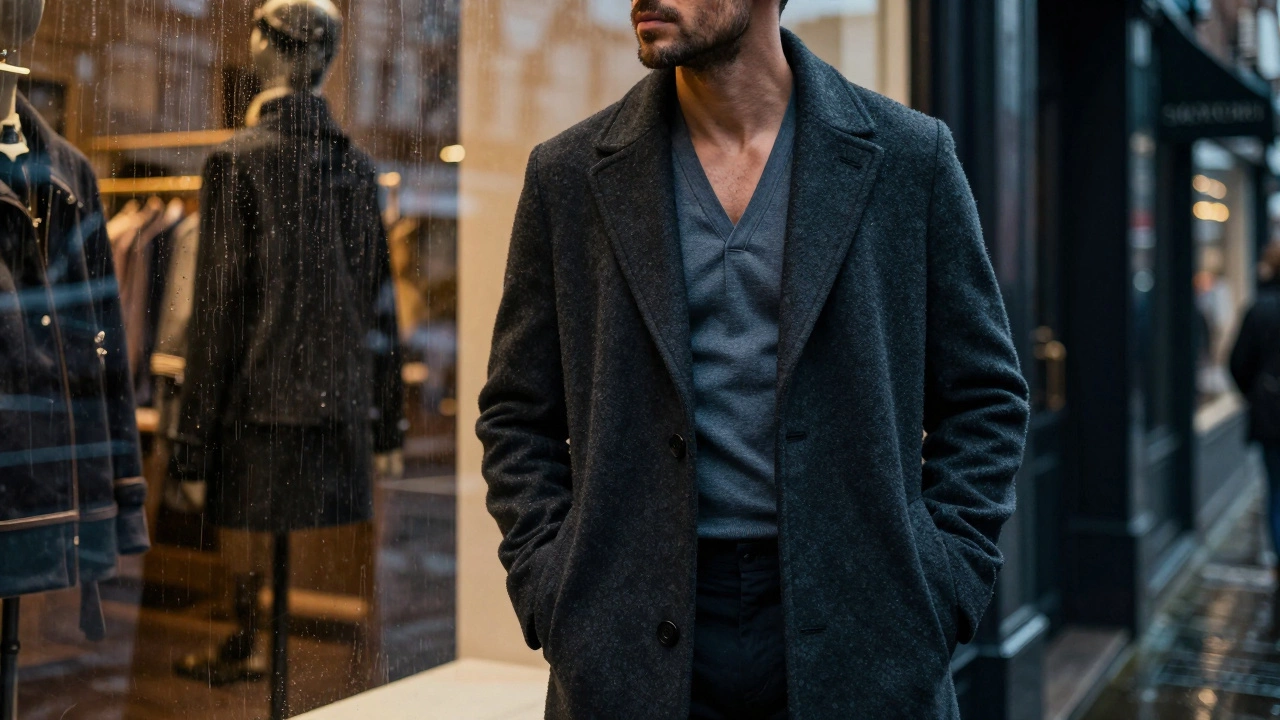
Shirt Style Finder
Select your body shape to discover the most flattering styles and fabrics for your frame.
Recommended: -
Select a shape above to see why this works for you.
Avoid:
-
Fabric Advice:
-
The Secret of the V-Neck: Lengthening and Balancing
If you feel like your torso looks too short or your chest is a bit broad, the V-neck is your best friend. Unlike a crew neck, which creates a horizontal line across the collarbone and can make a person look wider, the V-neck draws the eye downward. This creates a vertical line that elongates the neck and slims the upper body. For those of us with a more athletic or 'stocky' build-common among the rugby enthusiasts in Limerick-a shallow V-neck provides the perfect middle ground. It breaks up the chest area without looking like you are trying too hard. If you are on the leaner side, a deeper V can add a bit of edge, but be careful not to go so deep that you're showing more than you intended during a windy walk along the Clifftops of Moher.The Power of the Tailored Fit: Avoiding the 'Tent' Effect
One of the biggest mistakes people make is buying clothes that are too large, thinking it hides their shape. In reality, oversized shirts often make you look larger than you are because they create a boxy, shapeless silhouette. This is where the Tailored Fit comes in. This style is designed to follow the lines of the body without clinging to them. Imagine a shirt that is slightly tapered at the waist. For someone with an inverted triangle shape (broad shoulders, narrow hips), a tailored fit prevents the fabric from billowing out at the bottom, which otherwise makes you look top-heavy. If you're shopping at places like Brown Thomas or local boutiques in Kilkenny, look for 'slim' or 'athletic' cuts that nip in slightly at the midsection. This creates a cleaner line and makes you look more put-together, even if you're just pairing it with a pair of dark denim jeans for a pint at the local pub.| Body Shape | Recommended Style | Why it Works | Avoid |
|---|---|---|---|
| Broad Shoulders / Narrow Hips | Tailored V-Neck | Balances the top and narrows the chest | Oversized Boxy Tees |
| Pear Shape / Wider Hips | Structured Shoulder / A-Line | Draws attention upward to shoulders | Tight waist-cinched cuts |
| Rectangle / Straight | Textured or Layered Styles | Adds visual volume and dimension | Tight, clingy fabrics |
| Oval / Round | Dark Tones / Vertical V-Neck | Creates a slimming vertical illusion | Horizontal stripes |
Fabric Weight and the Irish Climate
In Ireland, the fabric of your shirt is just as important as the cut. A thin, clingy jersey fabric will highlight every lump and bump, which isn't always the goal. On the other hand, a heavy-weight Organic Cotton or a dense blend provides more structure. Structure is what gives a shirt its 'flattering' quality because it holds its own shape rather than just draping over yours. For instance, a heavy-weight T-shirt acts almost like a piece of architecture for your body. It masks a bit of a stomach or softens a sharp angle. When you're layering for a damp November day in Sligo, a structured cotton tee under a flannel shirt and a waxed jacket creates a tiered look that adds depth to your frame. This layering technique is a staple of the Irish market, allowing you to adjust your silhouette as you move from the chilly outdoors to a heated cafe.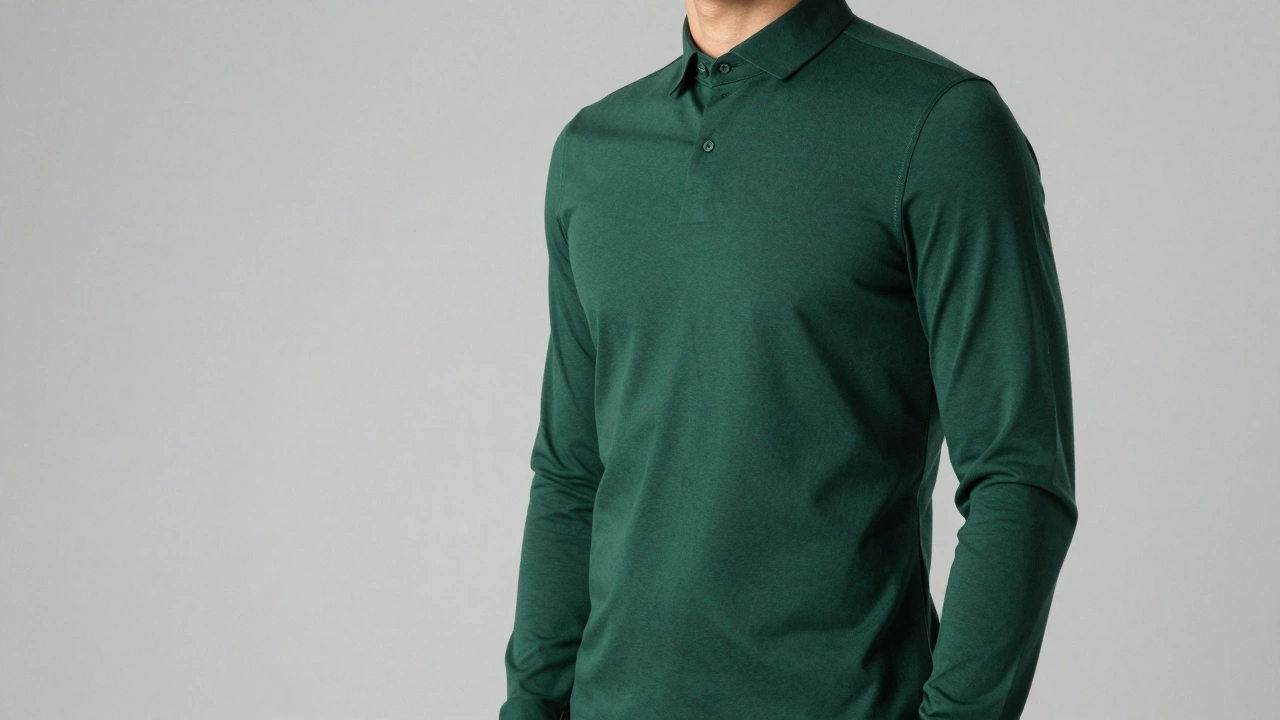
The Role of the Hemline: Where Your Shirt Ends Matters
We rarely talk about the bottom of the shirt, but the hemline can make or break your proportions. If a shirt is too long, it cuts your legs off, making you look shorter. If it's too short, it can ride up and create an awkward gap, especially when you reach for something on a high shelf in a Penneys store. For most people, the ideal hem should hit right at the mid-fly of your trousers. This creates a balanced 50/50 split between your upper and lower body. If you have a shorter torso, a slightly cropped or tucked-in look can make your legs appear longer. If you're tall and lean, a slightly longer, curved hem (the 'scoop' look) adds a bit of weight to the bottom of the garment, preventing you from looking like a pencil.Color, Contrast, and Visual Weight
Color isn't just about what looks good with your skin tone; it's about where people look. Darker colors-navy, charcoal, forest green-naturally recede and have a slimming effect. Lighter colors or bold patterns draw the eye. If you want to highlight your shoulders but minimize your midsection, try a 'color block' approach or a darker shirt with a lighter jacket. In the context of Irish style, the deep greens and navy blues found in local heritage brands are not just culturally fitting but are incredibly forgiving colors that work for almost every body type. Avoid high-contrast horizontal stripes across the widest part of your body, as this acts like a highlighter pen for the areas you might want to downplay.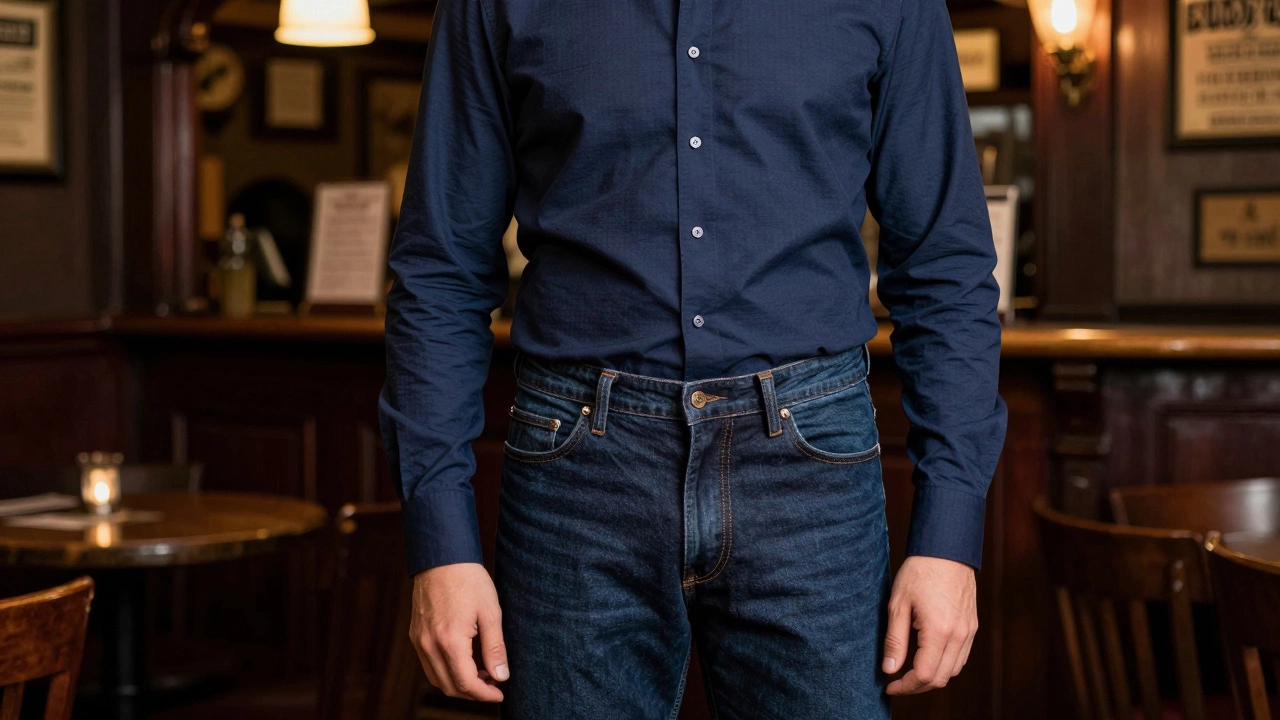
The Art of the Tuck: Half, Full, or None?
How you wear the shirt is just as vital as the shirt itself. The 'French Tuck'-where you tuck in the front and leave the back loose-is a game-changer for those who want to define their waist without feeling restricted. It creates a focal point at the belt line, which tells the observer where your legs start, instantly making you look taller and more proportional. For a more formal look at a business meeting in the Silicon Docks of Dublin, a full tuck with a high-quality leather belt is the way to go. This defines the waist and creates a sharp, professional silhouette. If you are wearing a relaxed, oversized linen shirt for a summer day in Kerry, leaving it untucked is fine, but ensure the fabric is breathable and doesn't cling to your skin, as sweat patches are the opposite of flattering.Does a crew neck make me look wider?
Yes, for some body types. A crew neck creates a strong horizontal line across the top of the chest. If you have broad shoulders or a fuller face, this can emphasize width. Switching to a V-neck or a scoop neck creates a vertical line that draws the eye down, which generally has a slimming and lengthening effect.
What is the best shirt for a 'belly' or midsection weight?
Look for shirts with a structured fabric, such as a heavy-weight cotton, rather than thin synthetic blends. A tailored fit that is slightly tapered but not tight is ideal. Avoid oversized shirts as they add bulk; instead, go for a shirt that skims the midsection and use a dark color like navy or black to minimize the area visually.
Should I wear slim fit if I'm not 'slim'?
Not necessarily. 'Slim fit' refers to the cut of the garment, not the size of the person. However, if it's too tight, it will pull at the buttons or cling to the skin, which is unflattering. The goal is a 'tailored' feel-where the shirt follows your shape without squeezing it. If you're between sizes, buy the larger size and have a local tailor nip in the waist.
Are horizontal stripes actually bad for everyone?
Not at all. Horizontal stripes can actually be great for people with very narrow frames as they add necessary visual width. However, if you are trying to slim down a specific area, avoid placing bold horizontal stripes across that part of the body.
How do I choose the right sleeve length for my arms?
For long sleeves, the cuff should end just at the base of your thumb. For short sleeves, the sleeve should hit mid-bicep. If the sleeve is too long or wide, it can make your arms look smaller or your torso look shorter. A slight taper in the sleeve helps maintain a clean, athletic silhouette.