Irish Formal Wear Advisor
Confused about what to wear? Answer three simple questions to get tailored advice for your next event in Dublin, Cork, Galway, or beyond.
Recommendation
Why?
Pro Tip
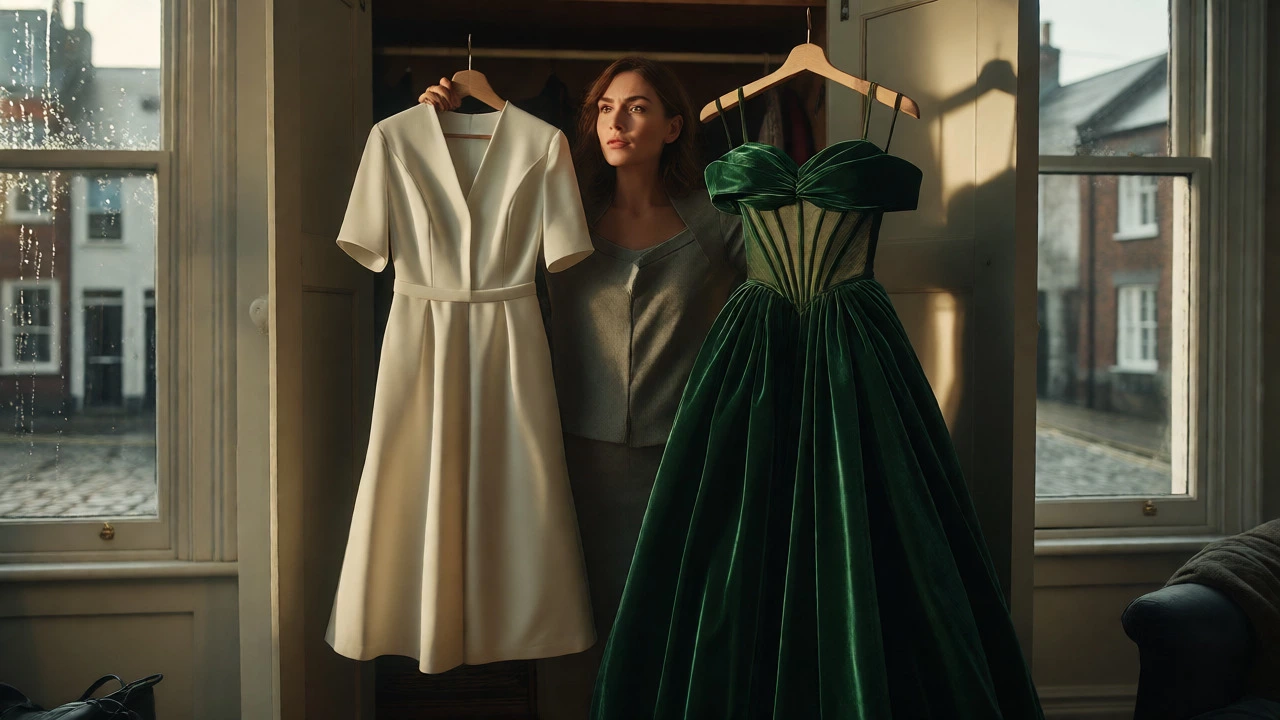
You are standing in front of your wardrobe in Dublin or Cork, staring at two options for an upcoming wedding or a night out at the 3Arena. One is a chic midi piece you bought on Grafton Street; the other is a floor-sweeping beauty you saved for special occasions. The invitation says "Black Tie," but does that mean you need the long one? Or will the shorter dress pass muster? This confusion is common in the Irish market, where fashion rules often blur between casual comfort and high-end elegance.
The core problem isn't just about length. It's about fabric, structure, and context. In Ireland, our weather and social culture play huge roles in what we actually wear versus what we technically should wear. A dress is a broad category covering everything from sundresses to cocktail attire. An evening gown, however, is a specific subset defined by formality, fabric weight, and usually, full-length cuts. Understanding this distinction saves you money and prevents awkward moments when you realize everyone else is wearing silk while you're in cotton.
Key Takeaways
- Length matters: Dresses can be any length; gowns are almost always floor-length or tea-length with significant volume.
- Fabric defines formality: Gowns use luxurious materials like satin, velvet, or chiffon; dresses often use everyday fabrics like cotton, jersey, or linen.
- Context is king in Ireland: A winter wedding in Connemara demands different choices than a summer gala in Galway City.
- Structure vs. Flow: Gowns have internal structures (boning, linings) for shape; dresses rely more on natural drape or simple tailoring.
- Versatility: You can re-wear many dresses as daywear; gowns are rarely practical outside formal events.
The Structural Difference: More Than Just Hemlines
Let's get technical for a second. When designers talk about a gown, they aren't just talking about something long. They are talking about construction. A standard dress, whether it's a shift dress from Penneys or a designer piece from Brown Thomas, is constructed to fit the body with minimal interference. It follows your shape. A gown, conversely, often creates its own shape. Think of the ballgowns worn by attendees at the Galway Races spring festival or the structured silhouettes seen at the Dublin Fashion Festival.
Gowns frequently include features like boning in the bodice, heavy interlinings, and multiple layers of tulle or crinoline underneath. These elements add weight and rigidity. If you try to run for a bus in London or rush through a rainy street in Belfast wearing a true gown, you will struggle. The fabric is heavier, and the movement is restricted by design. A dress allows for agility. You can sit comfortably on a stool in a pub after dinner in a dress. Try sitting on a low leather sofa in a multi-layered velvet gown, and you might find yourself unable to stand up without assistance.
| Feature | Dress | Evening Gown |
|---|---|---|
| Average Weight | Light to Medium (100-400g) | Medium to Heavy (500g-2kg+) |
| Lining | Optional or single layer | Multiple layers, often silk or acetate |
| Movement | Free-flowing, unrestricted | Controlled, sweeping, sometimes restrictive |
| Closure | Zippers, buttons, elastic | Invisible zips, hooks, corset backs |
| Repairability | Easy to mend at home | Requires specialist tailor |
Fabric Choices and the Irish Climate
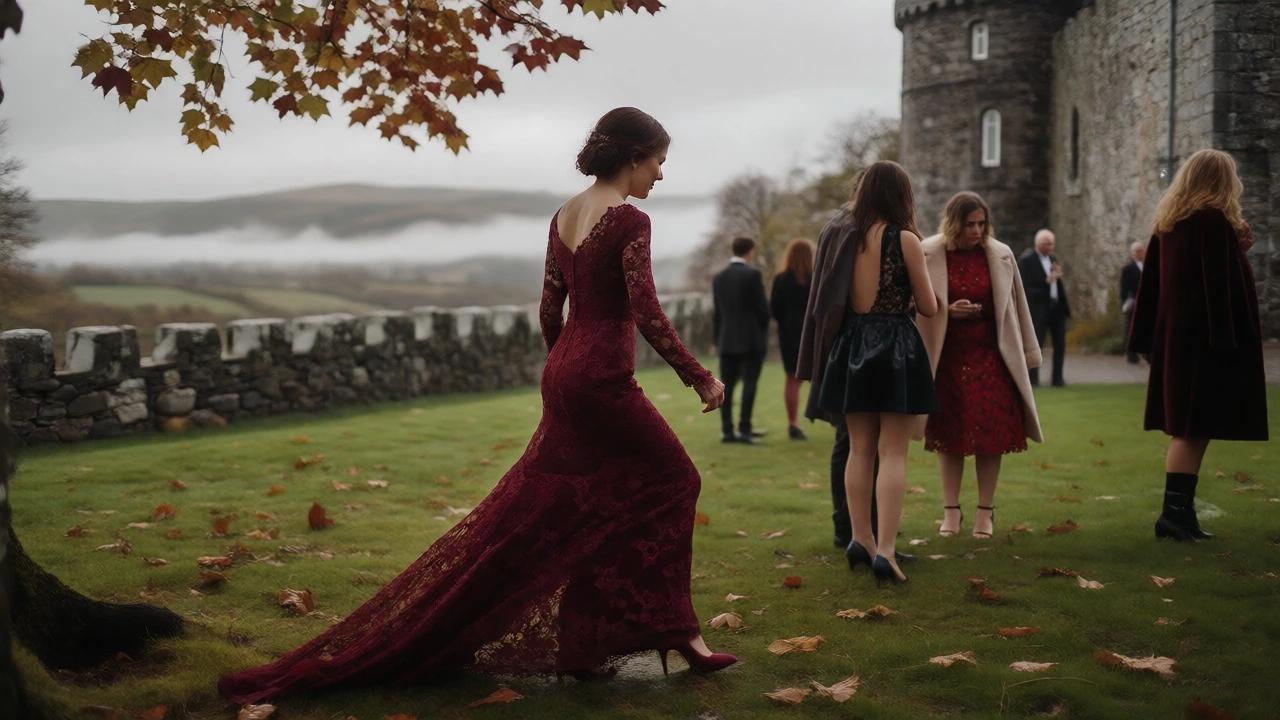
Here is where local context changes the game. In warmer climates, a lightweight chiffon gown is standard. In Ireland, wind and rain are constant variables. If you choose a light, airy gown for an outdoor event in County Kerry in October, you will freeze. This has led to a unique adaptation in Irish fashion: the heavy gown.
Look at what people wear to weddings in rural Ireland during autumn. You will see plenty of velvet, brocade, and thick crepe. These fabrics hold heat and resist the damp chill. A typical summer dress made of linen or thin cotton offers zero protection against a sudden downpour near the Cliffs of Moher. While you can wear a dress year-round by adding a coat, a gown requires careful fabric selection to remain wearable in our climate. Satin, for instance, looks stunning under lights in a hotel ballroom in Shannon, but it clings uncomfortably if there is any humidity or sweat involved.
Furthermore, consider the venue. Many Irish venues are historic buildings-stone castles, old manor houses, or converted churches. These places often have uneven floors or drafty corridors. A delicate silk gown can snag easily on rough stone walls. A sturdy wool-blend dress or a synthetic-heavy gown handles these environments better. Always check the flooring. If you are attending a wedding in a heritage site like Adare Manor, watch your step. Long hems catch on rugs and thresholds.
Occasion Etiquette: When Does a Dress Become a Gown?
Irish social etiquette can be tricky. We value approachability, so overly stiff formal wear can sometimes feel out of place unless the event explicitly demands it. However, certain events strictly require gowns.
- Formal Weddings: If the invite says "Black Tie" or "Formal," go for the gown. In cities like Dublin, guests often opt for sophisticated cocktail dresses that mimic gowns (longer hemlines, luxe fabrics). But for traditional church ceremonies followed by large receptions, a full gown shows respect for the occasion.
- The Races: At Punchestown or the Curragh, the vibe is smart but not strictly black-tie. Here, elaborate dresses rule. Gowns are rare because of the mud and grass. You want style, but you also want to walk across a field.
- Gala Dinners & Awards: Events like the RTÉ Choice Awards or charity galas in the Mansion House demand gowns. The lighting, the red carpet, and the seated dining format all favor the drama of a floor-length silhouette.
- Casual Celebrations: Birthdays, engagement parties, or drinks at a rooftop bar in Dublin Docklands? Stick to dresses. Wearing a full gown to a casual pub crawl looks like you tried too hard.
Notice the pattern? The more "official" and seated the event, the more likely a gown is appropriate. The more active and outdoor the event, the more a dress prevails. In Ireland, we blend these lines often. A "high-low" dress (short in front, long in back) is a popular compromise here, offering the drama of a gown with the practicality of a dress.
Budget and Investment Value
Let's talk money. A good quality dress in Ireland ranges from €50 at H&M to €500 at independent boutiques in Ranelagh. A decent evening gown starts around €200 and can easily exceed €1,000 for designer pieces. Is the extra cost worth it?
Only if you attend multiple formal events per year. If you go to one wedding annually, buy a versatile dress. You can wear it to work, to brunch, and then to the wedding with different accessories. A gown sits in your closet gathering dust for 364 days a year. Storage is another issue. Gowns need steaming and proper hanging space. In smaller apartments in Cork or Limerick, storing a bulky ballgown is a genuine logistical headache.
Consider renting instead. Services like Hirestreet or local boutiques in Dublin offer access to designer gowns for a fraction of the retail price. This allows you to wear a €800 gown for a €150 rental fee. For most Irish consumers, this makes far more financial sense than buying. You get the wow factor without the long-term commitment or the cleaning bills.
Styling Tips for the Irish Weather
You've chosen your outfit. Now how do you survive the commute? This is the biggest pain point for Irish women attending evening events. You cannot wear a trench coat over a sequined gown; it ruins the look and gets ruined itself.
- The Wrap Strategy: Bring a faux fur stole or a cashmere wrap. It adds warmth without hiding your dress entirely. Keep it off until you step outside.
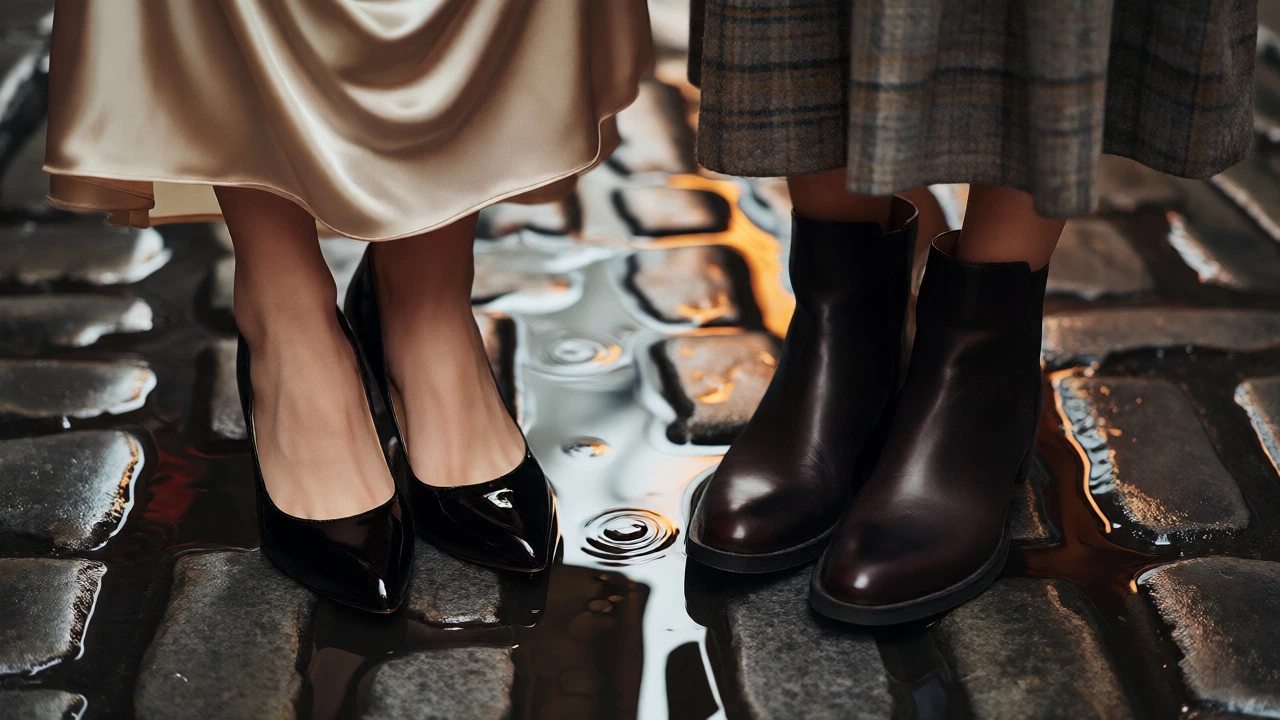
- Footwear Swaps: Do not walk in heels on wet cobblestones. Carry a pair of stylish boots or flats and change into your heels upon arrival. This is a non-negotiable tip for anyone navigating Temple Bar or Trinity College streets in the rain.
- Hair Protection: Humidity kills blowouts. If you are wearing a gown, you likely spent time on your hair. Use anti-humidity sprays. Consider an updo if you are worried about frizz, especially if you are traveling by train or car in coastal areas like Wexford.
- Layering Underneath: Thermal underwear exists for a reason. Thin, seamless thermal leggings and tops can save your life under a gown in January. No one sees them, but you will thank yourself when you aren't shivering during the speeches.
Common Misconceptions About Formal Wear
Many people think a gown must be strapless. False. Sleeves are making a huge comeback in Irish fashion, partly due to modesty preferences and partly due to warmth. A long-sleeved lace gown is incredibly elegant and practical for our climate. Another myth is that gowns must be bright or heavily embellished. Minimalist slip gowns in neutral tones are very popular now, especially for daytime weddings or less rigid formal events.
Also, don't assume black is boring. In Ireland, black is a staple for evening wear. It works with almost every skin tone and hides potential stains from food or drink. A black velvet gown is arguably the most versatile investment piece for an Irish wardrobe, transitioning seamlessly from a funeral to a New Year's Eve party with just a change of jewelry.
Can I wear a dress to a black-tie event in Ireland?
Technically, no. Black tie traditionally requires a floor-length evening gown. However, modern Irish etiquette is becoming more relaxed. A very formal, floor-length cocktail dress in luxury fabric may pass, but a short dress will likely make you feel underdressed compared to other guests.
What shoes go best with an evening gown in the rain?
Avoid suede and open toes. Opt for closed-toe pumps in patent leather or waterproof synthetic materials. Better yet, wear comfortable boots to the venue and change into heels once inside. This protects your feet and your shoes from puddles common in Irish winters.
Is it okay to rent an evening gown in Ireland?
Absolutely. Renting is increasingly popular in cities like Dublin and Cork. It’s cost-effective and sustainable. Many services offer dry-cleaning included, which is crucial given the difficulty of cleaning delicate gown fabrics at home.
How do I know if my dress is formal enough for a wedding?
Check the fabric and cut. If it’s cotton, denim, or jersey, it’s likely too casual. Look for silk, satin, chiffon, or lace. Avoid white, cream, or ivory unless specified. If unsure, ask the bride or check previous photos from similar events hosted by the same family.
Do I need a petticoat for my gown?
It depends on the style. Ballgowns and A-line gowns with stiff skirts usually need a petticoat to maintain their shape. Slip dresses and mermaid-cut gowns generally do not. Check the care label or consult the retailer before purchasing.