Irish Event Dress Code Checker
Confused about whether your outfit fits the "Cocktail Attire" invitation? Use this checker to evaluate your dress against common Irish event standards.
1. Describe Your Dress
2. Choose The Event
Verdict:
Detailed Analysis:
Styling Tips for This Look:
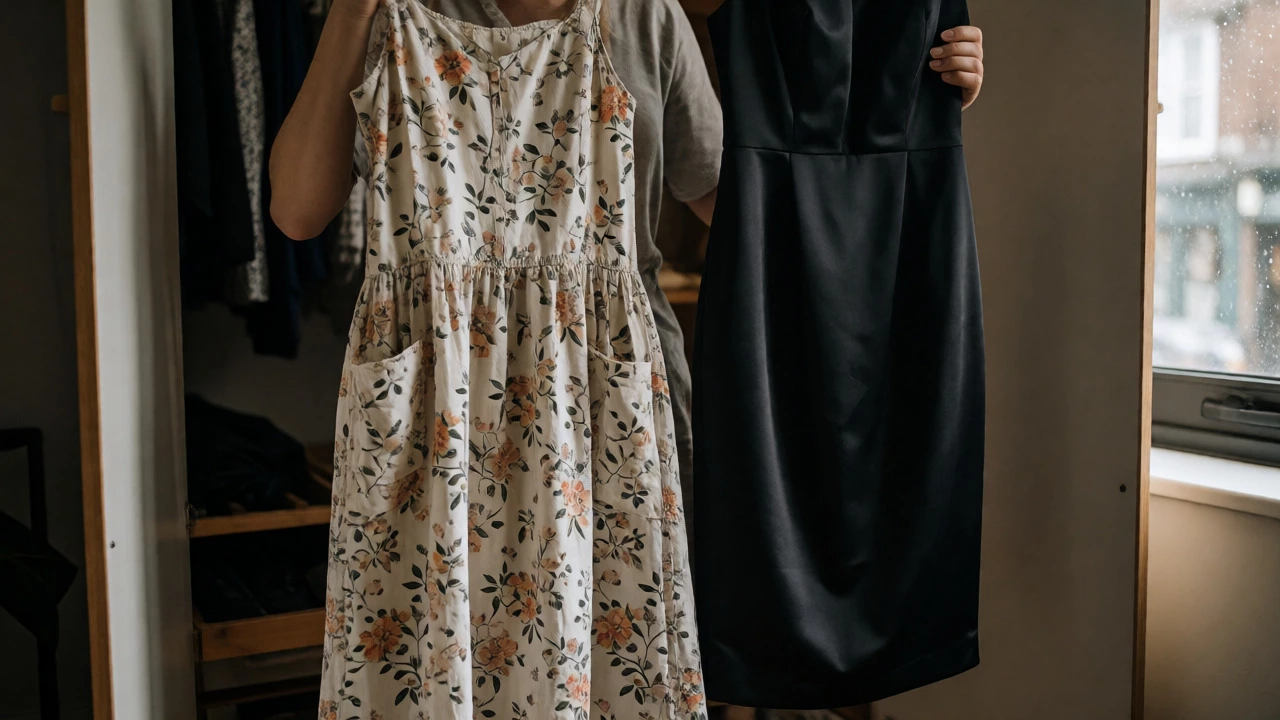
You’re standing in front of your wardrobe in Dublin, holding two options. One is a lovely floral number you bought at Brown Thomas during the sales. The other is a sleek black piece that feels slightly more formal. The invitation says "Cocktail Attire." You’ve been to weddings in Cork and office parties in Galway, but this specific distinction trips people up every single time. Is a summer dress in Ireland acceptable if it’s fancy enough? Or do you need something entirely different?
The confusion isn’t just you. In Ireland, our social calendar is packed with events that blur the lines between casual and formal. From the RDS Spring Show to a wedding reception in Kildare, or even a work dinner in Ballsbridge, getting the dress code wrong can feel like a minor social faux pas. But here’s the good news: understanding the difference between a standard dress and a cocktail dress is simpler than you think. It comes down to three things: length, fabric, and context.
Defining the Standard Dress
A standard dress is exactly what it sounds like: a one-piece garment covering the torso and legs. This category is massive. It includes everything from the cotton sundresses you wear to a picnic in Phoenix Park on a sunny July afternoon to the wool knit dresses you throw on for a rainy Tuesday in Limerick. The defining feature of a standard dress is its versatility and comfort. These pieces are designed for daily life, errands, casual lunches, or relaxed weekends.
In the Irish market, standard dresses prioritize practicality. We know the weather can change four times in an hour. A standard dress often features breathable fabrics like cotton, linen, or jersey blends. They allow for movement. You can walk briskly across Grafton Street or sit comfortably on a train to Belfast without worrying about tearing a delicate seam. If you’re wearing sneakers or ankle boots and carrying a tote bag, you’re likely in a standard dress zone. The hemline can be anywhere-mini, midi, or maxi-and there are no strict rules about embellishments. A bit of print? Sure. Pockets? Absolutely welcome.
What Makes a Cocktail Dress Different?
A cocktail dress is a specific sub-category of evening wear. It sits firmly between daytime casual and black-tie formal. The term originated in the United States in the early 20th century, referring to the short, elegant dresses worn by women attending cocktail parties. Today, it remains the gold standard for semi-formal events.
The key identifier of a cocktail dress is its intent. It is not designed for running errands; it is designed for socializing. Typically, a cocktail dress falls above the knee or just below it. Why? Because it allows for ease of movement while dancing or mingling in tight spaces, which is common at venues like the Mansion House or private members' clubs in Dublin. Unlike a ball gown, which might have floor-length skirts and heavy trains, a cocktail dress keeps the silhouette streamlined and modern.
Fabric plays a huge role here. While your standard summer dress might be cotton, a cocktail dress uses materials that catch the light and drape elegantly. Think silk, satin, chiffon, velvet, or high-quality synthetic blends that hold their shape. You won’t find many pockets in a true cocktail dress because they disrupt the clean lines required for evening elegance. The details matter too-beading, lace overlays, or structured bodices are common. It’s about looking polished, not just dressed.
The Length Debate: Where Does It Stop?
This is where most Irish shoppers get stuck. Can I wear my maxi dress to a cocktail party? Technically, yes, but you risk looking underdressed or overdressed depending on the venue. Traditional cocktail attire dictates a hemline that hits around the knee. Mid-calf (midi) is generally acceptable if the fabric and cut are sophisticated. Floor-length is usually reserved for black-tie events, though modern interpretations are loosening this rule.
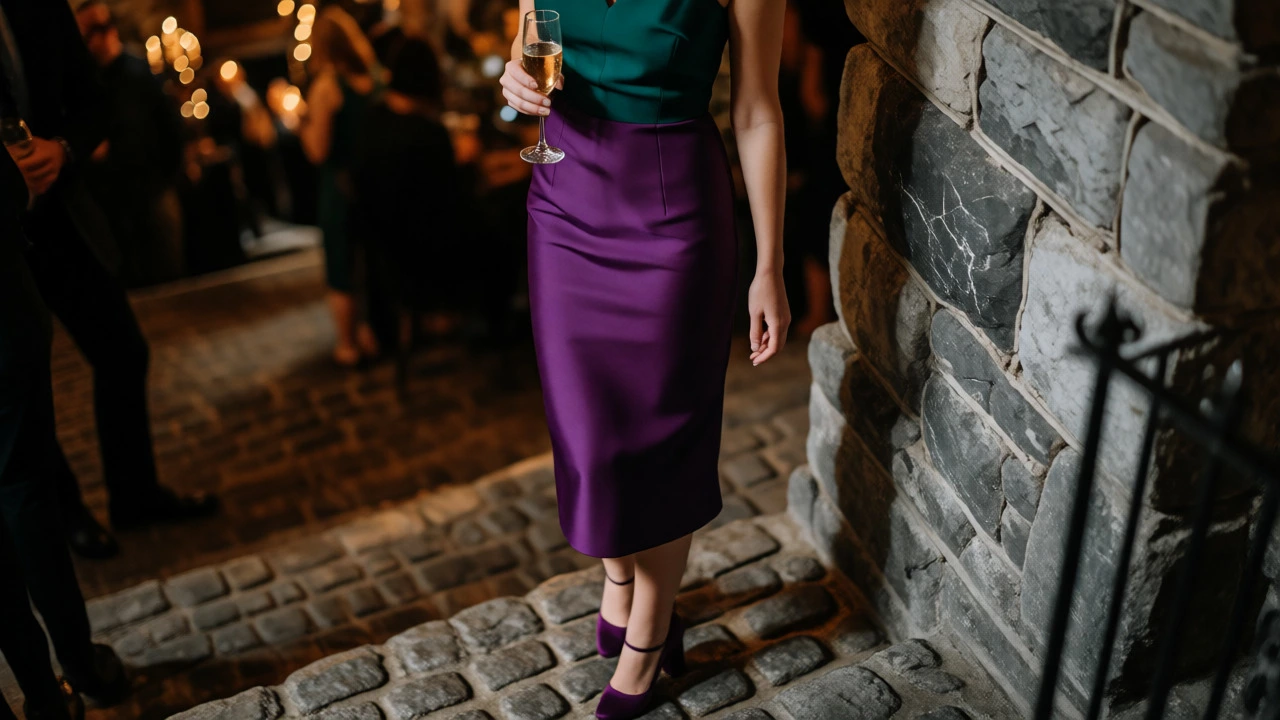
Consider the event location. If you’re attending a wedding reception in a historic castle in Westmeath, a tea-length or knee-length cocktail dress fits the vibe perfectly. It respects the formality of the setting without requiring you to navigate cobblestones in six-inch heels and a sweeping train. Conversely, if you’re going to a rooftop bar in Dún Laoghaire for a sunset drink, a shorter mini cocktail dress works well. The rule of thumb: if you have to constantly adjust your hemline to avoid tripping or showing too much skin, it’s probably not the right choice for a cocktail event.
Fabric and Weather: An Irish Reality Check
We live in Ireland. Ignoring the climate when choosing evening wear is a mistake. A strapless silk cocktail dress looks stunning in photos, but if your event involves waiting outside for a taxi in November, you’ll regret the choice. This doesn’t mean you sacrifice style. Look for cocktail dresses with sleeves, higher necklines, or heavier fabrics like velvet or brocade, which are popular in autumn and winter.
For summer events, lighter fabrics are fine, but keep an eye on transparency. Thin chiffon can become see-through under harsh indoor lighting or bright sunlight. Many Irish women opt for a slip underneath or choose lined options. Also, consider footwear. Cobblestones in Dublin city centre or uneven ground in rural venues are unforgiving. A cocktail dress should pair with shoes you can actually stand in. Block heels, wedges, or stylish flats are often smarter choices than stilettos that will sink into the grass at a garden party in Wicklow.
Context Matters: Decoding Invitations
Not all invitations are created equal. "Black Tie" means floor-length gowns or tuxedos. "Cocktail" means semi-formal. But what about "Smart Casual" or "Garden Party"? Here is how to navigate these common Irish scenarios:
- Weddings: Unless specified as Black Tie, assume cocktail attire. Avoid white, cream, or anything too flashy that might upstage the bride. A midi cocktail dress in a jewel tone is a safe, elegant bet.
- Work Functions: Office parties in Dublin corporate hubs often lean towards conservative cocktail. Knee-length sheath dresses in solid colors or subtle patterns work best. Pair with a blazer if you’re unsure-it instantly elevates a standard dress to cocktail-appropriate.
- Race Days (e.g., Punchestown): This is tricky. Historically, hats and structured dresses were key. Today, it’s more relaxed, but still polished. A chic summer dress with a statement hat bridges the gap between casual and cocktail. Avoid overly revealing cuts; focus on tailoring.
- Art Openings/Galleries: Creative cocktail. You have more freedom to experiment with bold prints, unusual cuts, or designer labels. A standard dress can pass here if it’s paired with striking accessories and jewelry.
Accessorizing: The Bridge Between Categories
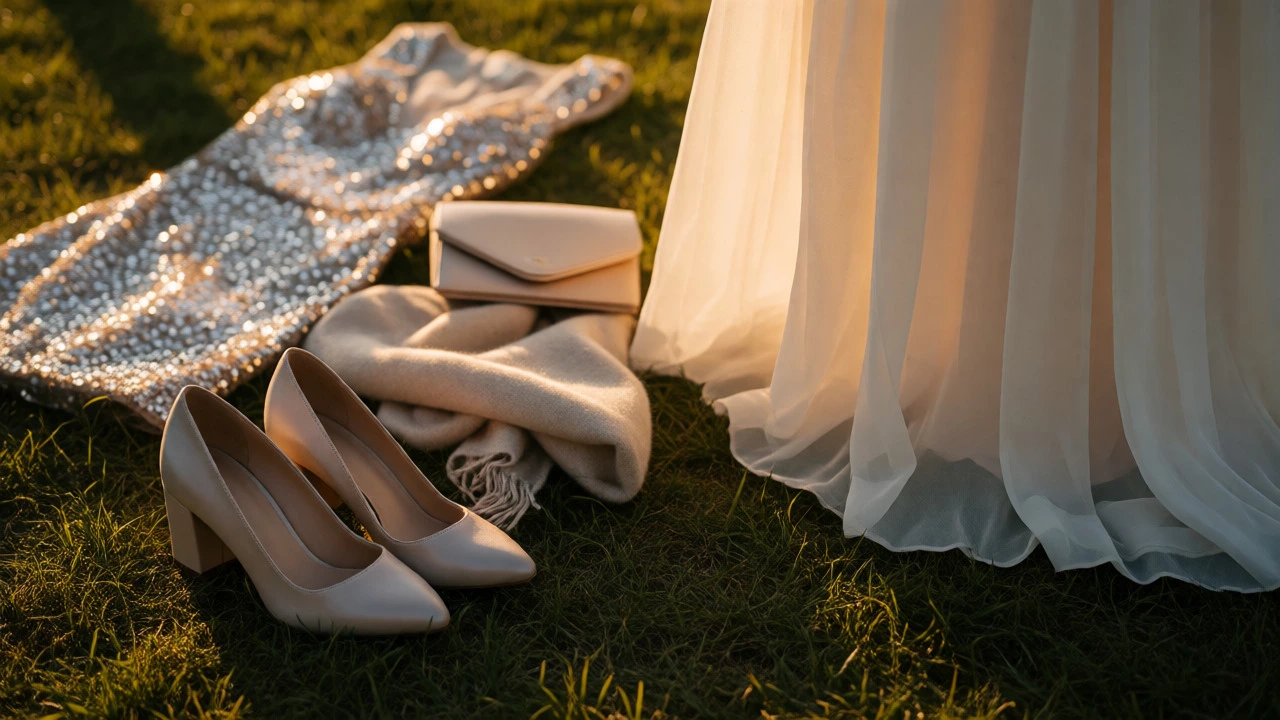
Sometimes, the difference between a day dress and a cocktail outfit is purely in the styling. You can take a simple, high-quality black shift dress (which could be considered standard) and turn it into a cocktail ensemble with the right accessories. Swap your canvas tote for a clutch. Change flat sandals for heeled mules. Add statement earrings or a bold necklace. Layer a structured jacket over the shoulders.
However, if the dress itself is made of thin, wrinkled cotton, no amount of jewelry will make it truly cocktail-ready. Fabric integrity matters. If you’re shopping in stores like Penneys or Marks & Spencer, look for the premium lines or evening sections. Brands like Reiss, Phase Eight, and local Irish designers often offer dedicated cocktail ranges that balance quality with price points suitable for the Irish consumer.
Common Pitfalls to Avoid
Don’t confuse "expensive" with "appropriate." A £500 designer sundress is still a sundress. Don’t confuse "short" with "casual." A tailored mini skirt suit can be very formal. And please, check the dress code twice. If the host says "Beach Formal," don’t show up in a sequined cocktail dress unless you plan to dance barefoot in the sand. In coastal towns like Howth or Bray, beach weddings are common. Here, flowy maxi dresses in light fabrics are preferred over stiff cocktail structures.
Another pitfall is ignoring the venue’s temperature. Indoor venues in older Irish buildings can be drafty. A sleeveless cocktail dress might leave you shivering. Bring a wrap or a smart coat that complements the outfit rather than hides it. Finally, don’t forget comfort. If you’re spending hours standing, eating, and talking, restrictiveness will ruin your night. Choose a fit that allows you to breathe and move naturally.
Can I wear a maxi dress to a cocktail event?
Yes, but only if the fabric and cut are elevated. A casual cotton maxi is for daywear. A silk or chiffon maxi with a slit or structured bodice can work for cocktail attire, especially in warmer months or outdoor venues.
Is a summer dress considered cocktail attire?
Generally, no. Most summer dresses are made of casual fabrics like cotton or linen and have relaxed fits. To qualify as cocktail attire, a summer dress needs sophisticated detailing, such as lace, embroidery, or a tailored silhouette, and should be paired with formal accessories.
What shoes go with a cocktail dress in Ireland?
Choose based on the venue. For city centers with smooth pavement, heels are fine. For gardens, castles, or rural venues with uneven ground, block heels, wedges, or elegant flats are safer and more comfortable choices.
How long should a cocktail dress be?
Traditionally, cocktail dresses hit just above or below the knee. However, midi lengths (mid-calf) are widely accepted today. Floor-length is usually reserved for black-tie events, while mini lengths are acceptable for younger crowds or less formal settings.
Do I need a jacket for a cocktail dress?
In Ireland, it’s wise to bring one. Even in summer, evenings can cool down quickly. A tailored blazer or a chic shawl adds warmth and can elevate the formality of the outfit if needed.