Sportswear Shoe Selector
Not sure if your current shoes are suitable for your next workout? Use this guide to find the right sportswear footwear for Irish conditions.
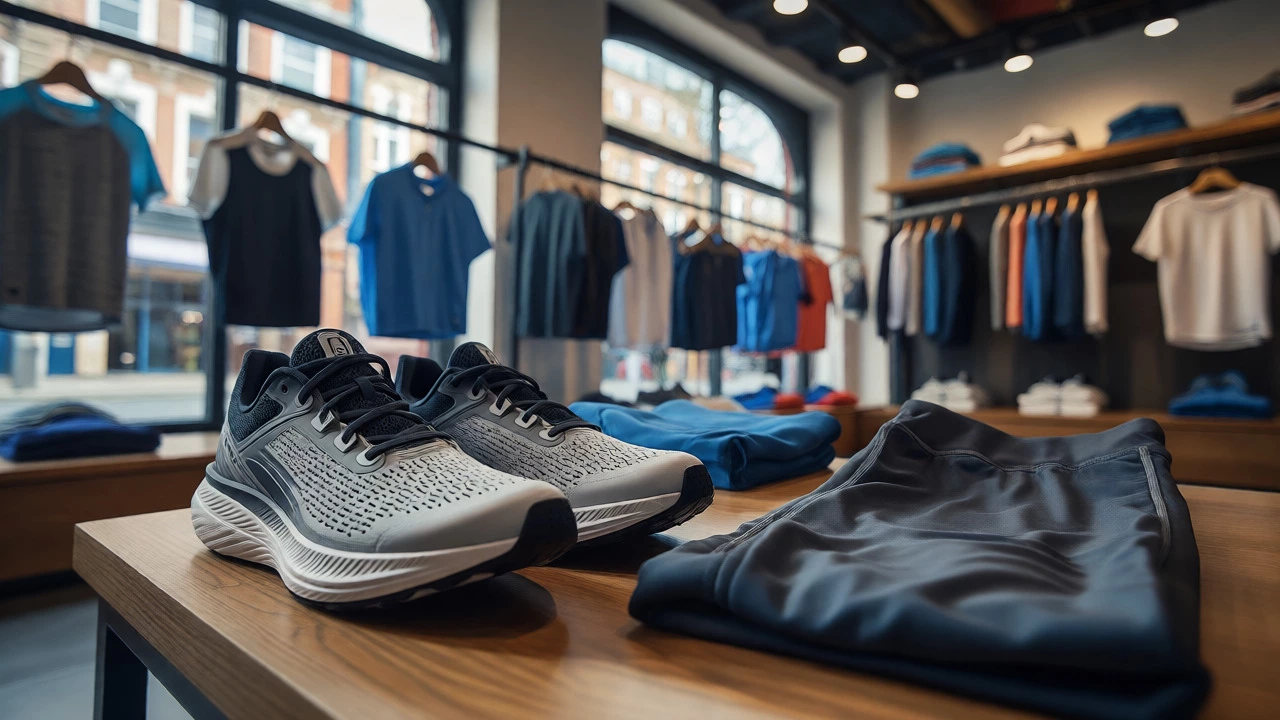
You’re standing in a sports shop on Grafton Street, staring at a rack of high-performance leggings and moisture-wicking t-shirts. You’ve got the top, you’ve got the bottoms, but do you need to buy specific sportswear shoes, or can your everyday trainers pass as part of the kit? It’s a question that trips up plenty of people in Ireland, especially with our unpredictable weather blurring the lines between casual wear and active gear. The short answer is yes, sportswear generally includes shoes, but it’s not as simple as grabbing any pair of white sneakers from your hallway cupboard.
Here in Dublin, or anywhere from Cork to Galway, the definition of what counts as "sports clothing" has shifted. It’s no longer just about what you wear during a match; it’s about functionality, safety, and performance. If you’re heading out for a run along the Royal Canal or hitting the gym after work, your footwear isn’t just an accessory-it’s a critical component of your sportswear ensemble. Let’s break down why shoes are non-negotiable in the world of activewear, how to choose the right ones for the Irish climate, and where the line blurs between fashion and function.
The Technical Definition: Why Shoes Are Part of the Kit
In the retail and sporting worlds, Sportswear is defined as clothing and footwear designed for physical activity, sports, or exercise. It encompasses everything from compression socks to cleats. When you look at major brands like Nike, Adidas, or Asics, their product categories explicitly list footwear under their sports divisions. This isn’t just marketing fluff; it’s based on engineering.
Regular street shoes are built for aesthetics and general comfort over flat surfaces. Sportswear shoes, often called athletic footwear, are engineered with specific attributes: shock absorption, lateral support, breathability, and traction. If you’re playing Gaelic football at Croke Park, wearing standard canvas shoes would be dangerous. The studs provide grip on wet grass, preventing slips that could lead to serious injury. In this context, the shoe is as much a piece of sportswear as the jersey itself.
Think of it this way: if you wouldn’t play tennis without a racket, you shouldn’t run without proper running shoes. Both are tools required for the activity. While we don’t usually call a helmet "clothing," it falls under protective sportswear. Similarly, shoes protect your feet and enhance performance, making them integral to the category.
The Irish Context: Weather and Terrain Considerations
Living in Ireland means dealing with rain, wind, and mud more often than sunshine. This significantly impacts how we define and use sportswear. A pair of lightweight mesh running shoes might be perfect for a marathon in London, but they’ll leave your feet soaked within ten minutes of stepping outside in Dublin during November. Here, sportswear footwear needs to account for local conditions.
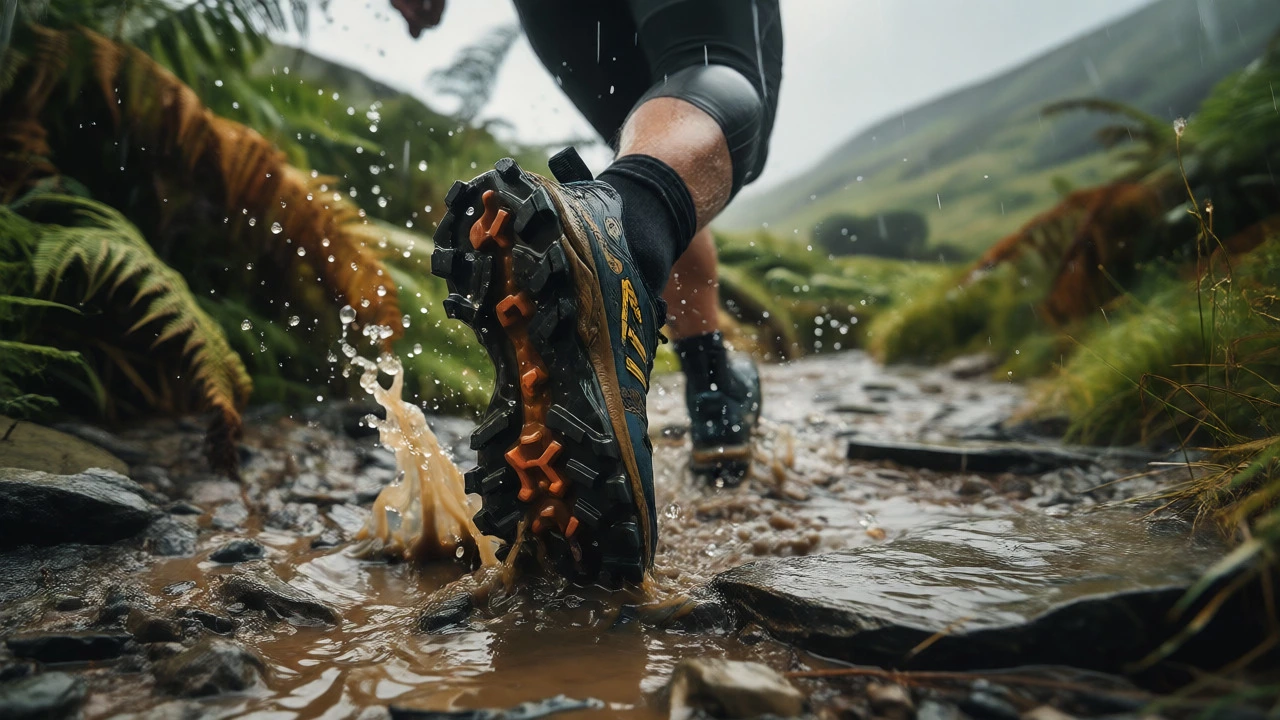
Many Irish athletes opt for water-resistant or quick-drying materials. For trail running in Wicklow Mountains National Park, you need shoes with aggressive tread patterns to handle loose gravel and slippery roots. Standard gym shoes, which often have smooth soles, become hazardous on wet pavement. So, when we ask if sportswear includes shoes, the Irish answer adds a layer of complexity: it includes shoes that are specifically adapted to keep you dry and stable in damp, cool climates.
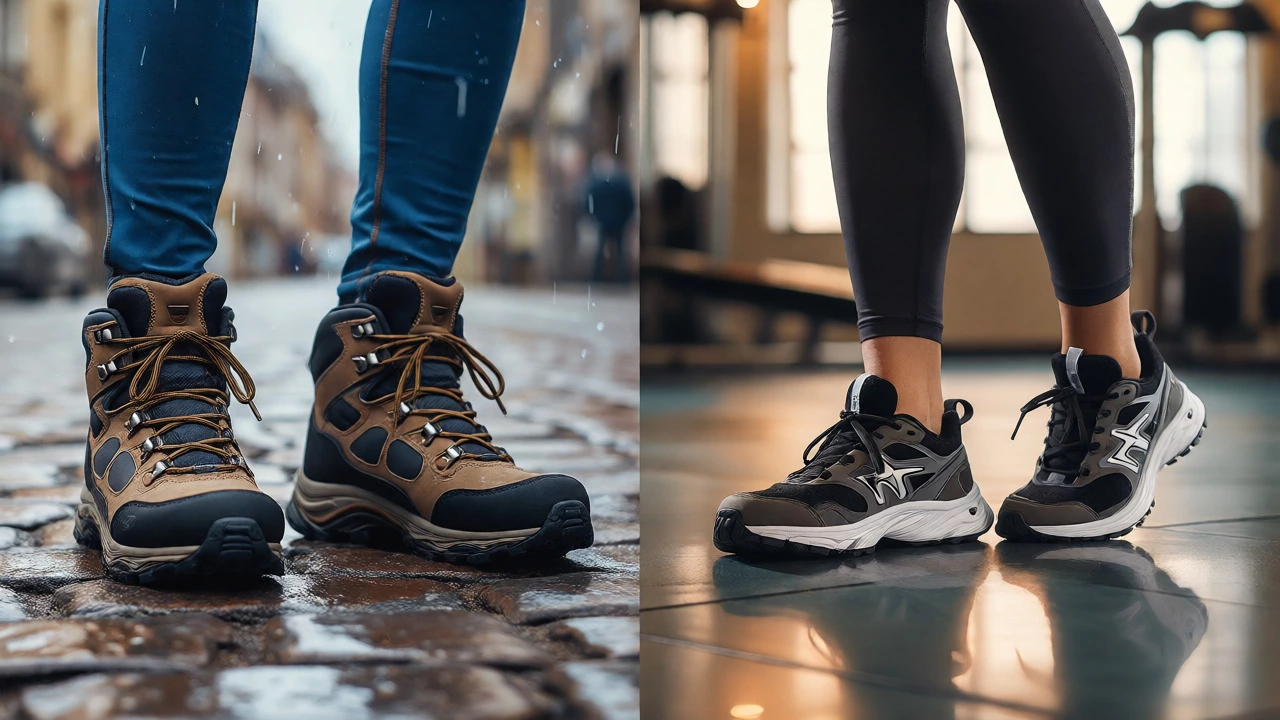
Consider the popularity of hiking boots among locals. Brands like Salomon or Merrell sell these as outdoor sportswear because they facilitate physical activity (hiking) while providing protection. They aren’t "shoes" in the traditional dress sense, nor are they barefoot sandals. They are functional athletic footwear. This distinction matters if you’re buying gear for weekend walks along the Cliffs of Moher-you need footwear that qualifies as sportswear to ensure safety and comfort.
Gym vs. Outdoor: Different Shoes for Different Sports
Not all sportswear shoes are created equal. Using the wrong type can actually hinder your progress or cause injury. Let’s look at three common scenarios relevant to Irish fitness enthusiasts.
| Shoe Type | Best For | Key Feature | Irish Use Case |
|---|---|---|---|
| Running Shoes | Forward motion, pavement/trails | Cushioning, heel-to-toe drop | Running along Phoenix Park paths |
| Cross-Trainers | Gym classes, HIIT, weightlifting | Lateral support, flat sole | Classes at PureGym or David Lloyd |
| Hiking Boots | Rough terrain, steep inclines | Ankle support, waterproofing | Walking in Connemara or Slieve League |
If you’re doing High-Intensity Interval Training (HIIT) in a studio in Ballsbridge, you need cross-trainers. These shoes offer stability when you move side-to-side. Running shoes, by contrast, are designed to move forward. Wearing running shoes for lateral movements can lead to ankle rolls because they lack the necessary side support. Conversely, wearing heavy hiking boots for a 5k run will tire you out unnecessarily due to their weight.
This specialization reinforces the idea that sportswear includes shoes. You wouldn’t wear a wetsuit to play basketball, and you shouldn’t wear basketball shoes to swim. Each piece of sportswear, including footwear, serves a distinct purpose tailored to the biomechanics of the sport.
Athleisure: When Sportswear Becomes Fashion
There’s a grey area known as athleisure-athletic leisure. This is where sportswear moves beyond the gym and into daily life. You see it everywhere in Ireland: people wearing yoga pants and branded sneakers to cafes in Ranelagh or offices in Docklands. In this context, do shoes still count as sportswear?
Technically, yes, but the intent changes. If you’re wearing Nike Air Maxes because they’re comfortable and stylish, they are functioning as casual footwear. However, they originated as sportswear. The line blurs when performance features are sacrificed for style. Some "lifestyle" sneakers look like running shoes but lack the technical cushioning or arch support. If you try to run a marathon in purely fashion-focused sneakers, you’ll likely suffer from plantar fasciitis or shin splints.
For Irish consumers, this distinction is vital. Many shops sell "sports-inspired" shoes that aren’t actually suitable for intense physical activity. Always check the specifications. If the shoe claims to be for running but has no breathable mesh or responsive foam, it’s probably better suited for walking to the pub than training for a half-marathon.
How to Choose the Right Sportswear Shoes in Ireland
Selecting the right footwear involves more than just picking a colour. Here is a practical checklist for buying sportswear shoes in the Irish market:
- Assess Your Activity Level: Are you walking, running, lifting, or playing field sports? Match the shoe to the movement pattern.
- Check for Waterproofing: Given our rainfall, look for Gore-Tex linings or hydrophobic coatings if you train outdoors year-round.
- Prioritize Traction: Wet cobblestones in Dublin city centre are slippery. Ensure the outsole rubber compound offers good grip on wet surfaces.
- Fit Matters More Than Brand: Feet swell during exercise. Buy shoes later in the day when your feet are largest. Leave a thumb’s width of space at the toe.
- Replace Regularly: Most running shoes last 600-800 km. If you’re logging miles around Lough Derg, track your distance. Worn-out midsoles lose their shock-absorbing properties.
Local expertise helps here. Independent sports shops in cities like Cork or Limerick often offer gait analysis services. They watch you run on a treadmill to determine if you overpronate (roll inward) or supinate (roll outward). This data tells you whether you need stability shoes or neutral cushioning. It’s a level of detail that online shopping sometimes misses, but it ensures your sportswear investment actually protects your body.
Budgeting for Proper Footwear
Good sportswear shoes aren’t cheap. A decent pair of running shoes in Ireland costs between €90 and €140. Is it worth it? Compare that to the cost of physiotherapy for knee pain caused by poor footwear. Over a year, the savings in medical bills and lost productivity from injuries make quality shoes a smart financial decision.
You don’t always need the latest model. Last season’s colors often go on sale, offering the same technology at a lower price. Keep an eye out for sales at major retailers like JD Sports or Intersport, which have numerous outlets across the country. Also, consider second-hand options for hiking boots, provided the soles aren’t worn through. Platforms like DoneDeal often have gently used gear from hikers who’ve upgraded their equipment.
Frequently Asked Questions
Can I use my regular trainers for gym workouts?
It depends on the workout. For light cardio like walking on a treadmill, basic trainers are fine. However, for weightlifting or HIIT classes, regular trainers often lack the lateral support and flat base needed for stability. Dedicated cross-trainers or lifting shoes are safer and more effective for these activities.
Are hiking boots considered sportswear?
Yes, hiking boots are a form of outdoor sportswear. They are designed for physical exertion, provide protection against rough terrain, and often feature technical materials like Gore-Tex for weather resistance. They are essential for activities like hillwalking in the Wicklow Mountains.
Do I need different shoes for indoor and outdoor sports?
Generally, yes. Indoor court shoes (like those for squash or badminton) have gum rubber soles for grip on polished wood floors. Outdoor running shoes have harder rubber compounds to withstand asphalt and concrete. Using indoor shoes outside wears them out quickly, while using outdoor shoes inside may mark the floor and reduce traction.
How often should I replace my sportswear shoes?
Most manufacturers recommend replacing running shoes every 600-800 kilometers. Visually, check for compressed midsoles or uneven tread wear. If you feel increased joint pain during exercise, your shoes may have lost their cushioning effectiveness, regardless of mileage.
Is it okay to wear sportswear shoes casually?
Absolutely. This is known as athleisure. Many people wear running shoes or trainers for everyday comfort. Just be aware that constant casual wear degrades the cushioning faster than intended, potentially shortening the lifespan of the shoe for actual sports use.
Final Thoughts: Gear Up Correctly
So, does sportswear include shoes? Without a doubt. In fact, for many activities, the shoes are the most important part of the kit. They interact directly with the ground, absorbing impact and providing propulsion. In Ireland, where the weather can turn a pleasant jog into a muddy trek in seconds, choosing the right footwear is even more critical.
Don’t treat your shoes as an afterthought. Invest time in selecting the right pair for your specific needs, whether that’s a supportive boot for hiking in Kerry or a breathable runner for city streets. Your feet carry you through every step of your athletic journey, so give them the professional-grade care they deserve. After all, the best sportswear isn’t just about looking good; it’s about performing well and staying injury-free.