Irish Winter Footwear Compatibility Checker
Answer these questions to see if classic UGGs, local wool slippers, or synthetic alternatives are the best fit for your life in Ireland.
Your Recommended Choice:
Why this choice?
You walk into a pub in Galway or step out of your flat in Dublin’s Docklands, and you see them. Those chunky, suede-soled boots with the fluffy lining. But are they still a thing, or have they faded into the background noise of fashion history? In Ireland, where the weather demands practicality but our culture values comfort, the answer isn't a simple yes or no. It’s complicated by rain, heritage brands, and a shifting definition of what "cool" looks like on our streets.
The Reality of Winter Footwear in Ireland
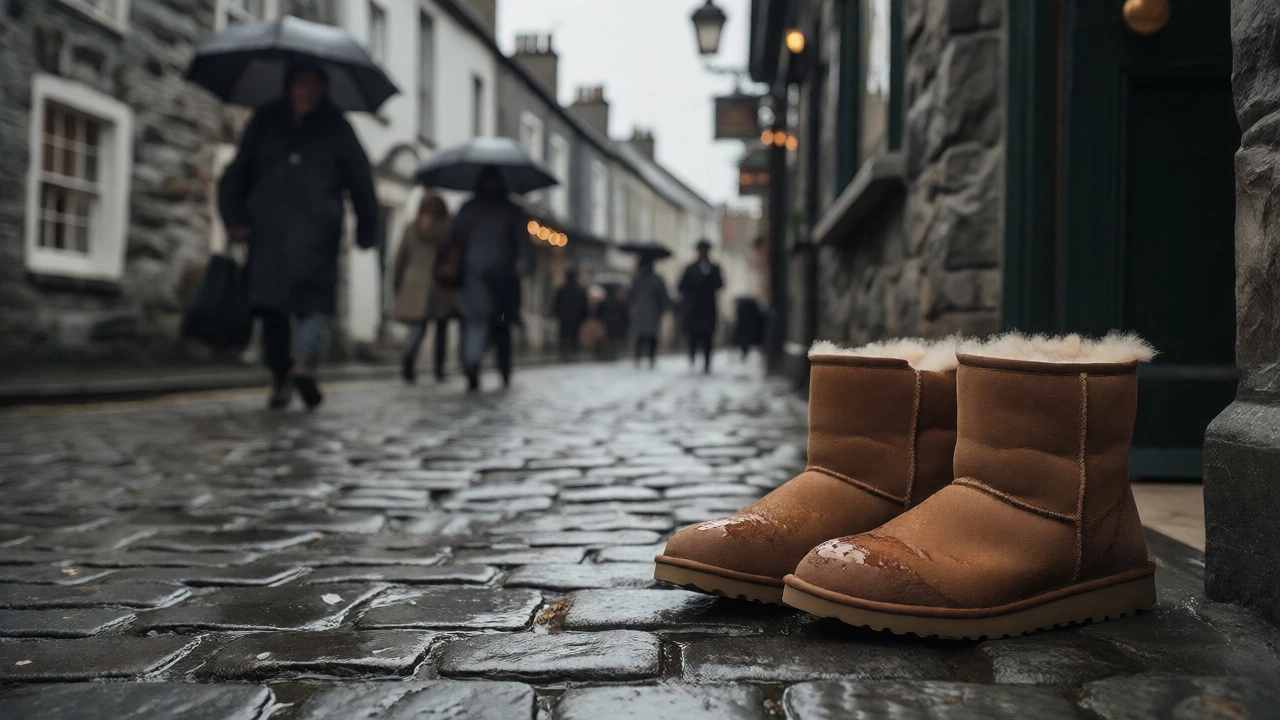
Let’s be honest: Irish winters aren’t about snow days; they’re about damp cold that seeps into your bones. For years, the go-to solution for many was warmth above all else. This is why UGG an American brand known for its sheepskin-lined boots found such a strong foothold here initially. They offered something traditional leather boots couldn’t: immediate, cozy heat. However, wearing genuine sheepskin in the persistent drizzle of Cork or the wind-swept cliffs of Donegal requires maintenance. If you’ve ever tried to dry a wet pair of classic UGGs near a radiator, you know the heartbreak of shrinking suede.
This practical struggle has shifted consumer behavior. While the iconic boot hasn’t vanished, its dominance has waned. You’re less likely to see them as a daily commuter shoe in city centers compared to five years ago. Instead, their use case has narrowed. They are now primarily seen as indoor luxury or short-distance outdoor wear-think popping into the corner shop or walking the dog on a dry evening. The era of treating them as all-weather armor against the Atlantic storms is largely over for the fashion-conscious crowd.
Local Alternatives and the Rise of Sustainable Comfort
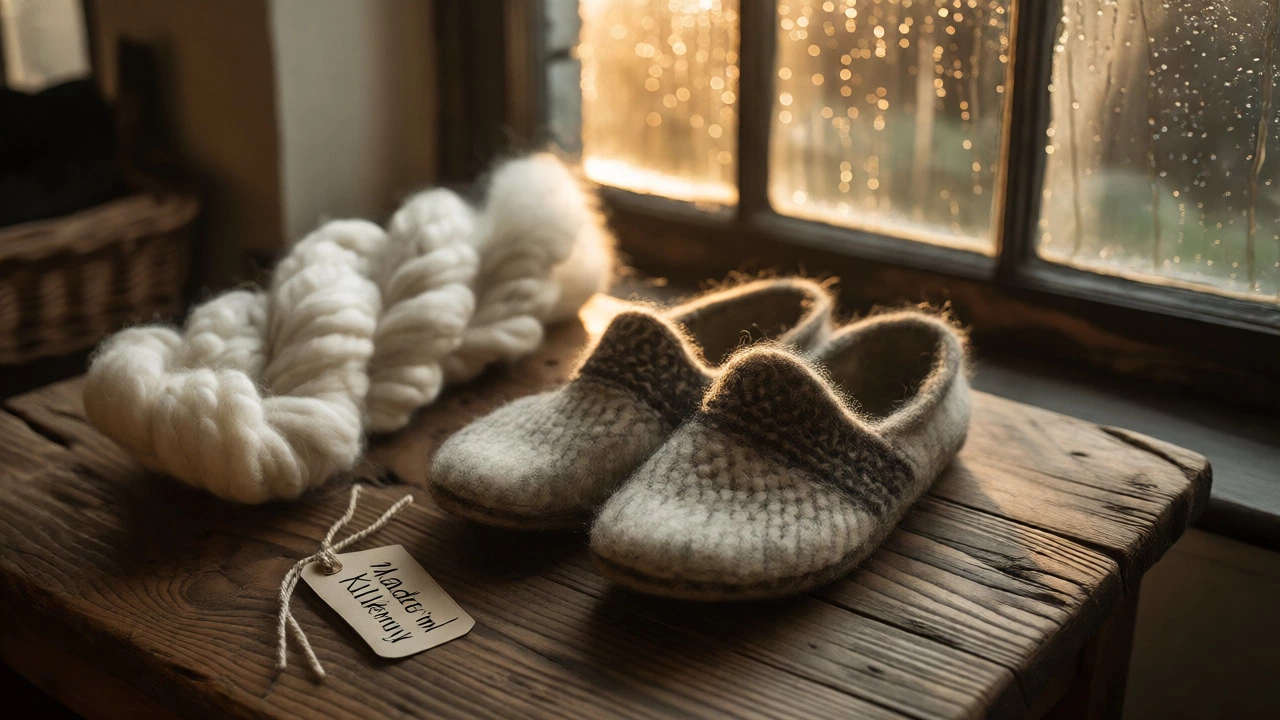
If UGGs are stepping back, who is taking their place? Enter the local heroes. Ireland has a deep-rooted tradition of wool production, and this heritage is experiencing a renaissance. Brands like Ardmore Tweed a provider of high-quality Irish wool products and various independent artisans in the Aran Islands are offering alternatives that resonate more with modern Irish values. We care about sustainability. Buying a mass-produced import feels different when you can buy a handcrafted slipper from a maker in Kilkenny using locally sourced wool.
These local options often prioritize durability and ethical sourcing over pure brand recognition. A pair of handmade felt slippers might not have the global logo appeal, but they breathe better and align with the growing preference for eco-friendly materials. In cities like Limerick and Belfast, boutique shops are increasingly stocking these domestic alternatives, appealing to consumers who want to support the local economy while staying warm. It’s a shift from conspicuous consumption to conscious comfort.
The "Ugly Chic" Trend and Fashion Cycles
Fashion is cyclical, and the pendulum swings between sleek minimalism and bulky comfort. Recently, the "ugly chic" trend-where functional, slightly clunky items become fashionable-has kept sheepskin footwear relevant. Think of the resurgence of shearling jackets or fur-trimmed sneakers. In this context, UGGs haven’t disappeared; they’ve just evolved. Newer styles, like platform soles or hybrid sneaker-boot designs, are trying to bridge the gap between the old-school puffy boot and contemporary street style.
In Dublin’s Temple Bar or around St. Stephen’s Green, you’ll notice a mix. Older demographics remain loyal to the classic silhouette for its unmatched comfort. Younger crowds, however, are experimenting with vintage pairs or modified versions. Thrifting in places like Oxfam shops in Dublin or charity stores in Cork has made it easy to pick up a pre-loved pair without the guilt of fast-fashion waste. This second-hand market keeps the brand alive in a way that new retail sales alone cannot.
Weatherproofing Your Style: Practical Tips for Irish Conditions
If you do choose to wear sheepskin boots in Ireland, you need a strategy. The humidity here is relentless. Here is how to keep them wearable beyond the living room:
- Waterproofing Spray: Apply a high-quality water-repellent spray before the first wear. Reapply monthly during the wet season (October to March).
- Rotation: Never wear the same pair two days in a row. Give them 24 hours to air out completely to prevent mildew, which thrives in damp Irish homes.
- Sole Protection: Consider adding a thin rubber sole guard. Original suede soles wear down quickly on pavement and get slippery on wet cobblestones in historic towns like Derry.
- Indoor Focus: Treat them primarily as premium slippers. Walk outside only if necessary, and wipe them down immediately upon returning home.
Comparing the Options: UGG vs. Local Wool vs. Synthetic
To help you decide what belongs in your wardrobe this winter, let’s look at the key contenders available in the Irish market. Each has distinct attributes suited to different lifestyles.
| Feature | Classic UGG Boots | Irish Handmade Wool Slippers | Synthetic Faux-Sheepskin |
|---|---|---|---|
| Warmth | High (Natural insulation) | Medium-High (Breathable) | Low-Medium (Traps heat) |
| Durability in Rain | Low (Suede stains easily) | Medium (Wool resists moisture) | High (Easy to clean) |
| Price Range (EUR) | €150 - €250 | €60 - €120 | €30 - €70 |
| Eco-Friendliness | Mixed (Leather tanning impact) | High (Biodegradable, local) | Low (Plastic-based) |
| Best For | Casual outings, dry days | Home use, light walks | Budget-conscious buyers |

The Cultural Shift: From Status Symbol to Utility
There was a time when wearing UGGs in Dublin signaled a certain lifestyle-perhaps one associated with college students or young professionals with disposable income. Today, that signal is muted. Irish culture has always leaned towards understatement. Flashy branding is less important than quality and utility. This cultural trait favors items that last and serve a purpose rather than those that scream for attention.
Moreover, the rise of remote work has blurred the lines between outdoor and indoor footwear. Many people in tech hubs like Cork City or Silicon Docks spend more time at home. This has boosted demand for high-quality house shoes. UGGs fit this niche perfectly, even if they aren’t worn on the commute anymore. They’ve transitioned from being a public statement to a private comfort ritual. You’re less likely to judge someone for wearing them to the mailbox than you were ten years ago for wearing them to a night out.
Where to Find Quality Sheepskin Gear in Ireland
If you’re looking to invest in sheepskin gear, whether it’s a UGG alternative or a classic pair, knowing where to look matters. Avoid the tourist traps selling generic "Irish" souvenirs that are actually imported. Instead, seek out specialized retailers.
Check out independent boutiques in areas like Ranelagh in Dublin or the Latin Quarter in Cork. These shops often curate selections from European manufacturers who adhere to higher environmental standards. Online, look for Irish e-commerce sites that specialize in natural fibers. Some smaller producers offer custom sizing, which is crucial if you have wider feet-a common issue with standard US-sized imports.
Final Verdict: Are They Worth It?
So, does anyone wear UGGs anymore in Ireland? Yes, but the context has changed. They are no longer the default winter boot. They are a specific choice for specific conditions. If you live in a coastal area with heavy salt-air exposure, maybe skip them. If you work from home and enjoy a warm foot after a long day, they remain a top-tier option. Just remember to respect the weather, maintain them properly, and consider supporting local wool artisans as a stylish, sustainable alternative.
Can I wear UGGs in the rain in Dublin?
You can, but it's risky. Classic suede UGGs absorb water, leading to staining and potential damage to the shape. If you must wear them, apply a waterproofing spray beforehand and stuff them with newspaper to dry slowly away from direct heat sources.
Are there Irish-made alternatives to UGGs?
Yes, several Irish brands produce high-quality sheepskin and wool footwear. Look for makers in the West of Ireland who use local wool. These often feature felted or woven wool designs that are more breathable and better suited to damp climates than traditional suede boots.
Why have UGGs fallen out of fashion?
Fashion cycles move toward sleeker silhouettes, and there is increased awareness of the environmental impact of leather production. Additionally, the durability issues with suede in wet climates led many consumers to switch to synthetic or technical materials.
How do I clean muddy UGGs?
Let the mud dry completely first. Brush it off gently with a suede brush. Then, use a damp cloth with a small amount of specialized suede cleaner. Never soak them, as this damages the glue and the sheepskin lining.
Is it okay to wear socks with UGGs?
Traditionally, no-the design is meant for bare feet to mold to the skin. However, in colder Irish winters, wearing thick wool socks is common and practical. Just ensure the boots aren't too tight, as compression reduces insulation effectiveness.