Irish Sneaker Slang Decoder
Navigate the lexicon of Irish footwear. Click on a term or category below to reveal its meaning, cultural context, and how to use it like a local.
Trainers
The standard, neutral term for athletic footwear in Ireland. Used by everyone from teenagers in Limerick to parents in Kildare.
Cultural Insight:
If you say "sneakers," you might get a polite nod, but it often marks you as an American tourist. Using "trainers" implies versatility and blends in seamlessly.
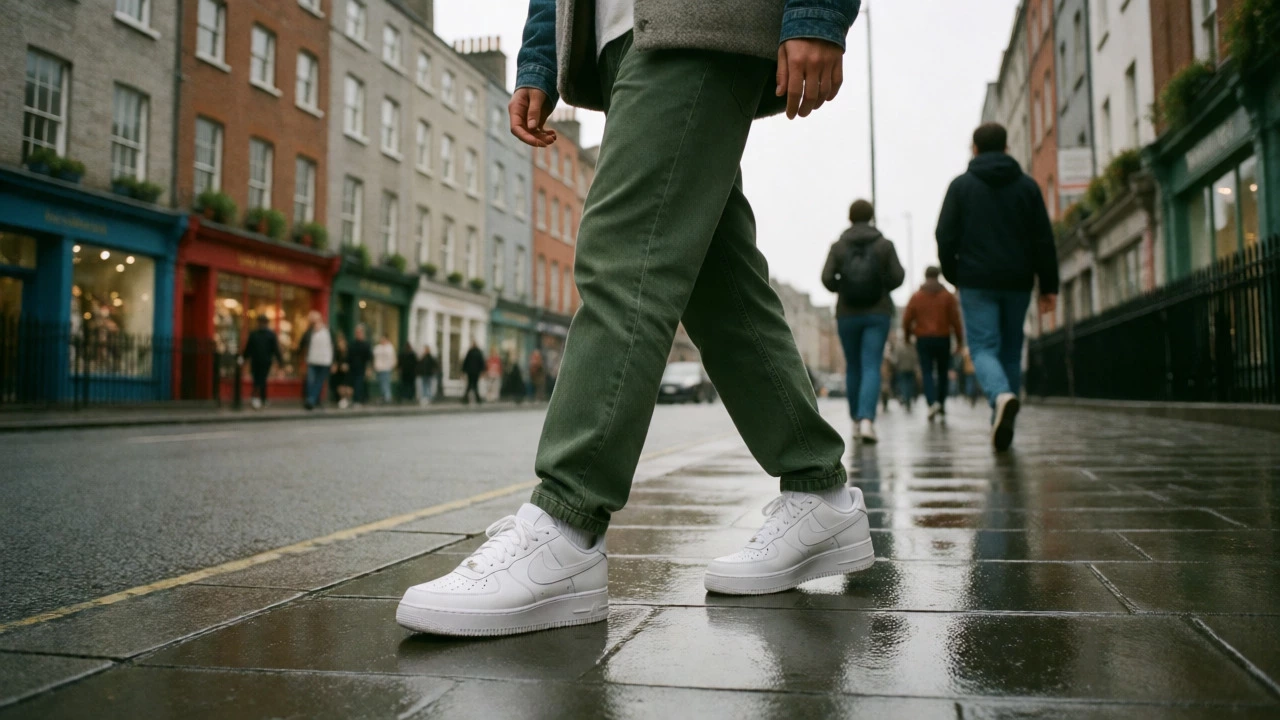
You’re walking down Grafton Street in Dublin, or maybe you’re waiting for the Luas in Tallaght, and you see someone wearing a pair of trainers that look absolutely fire. You want to compliment them, but "nice shoes" feels a bit flat. You want something with more bite, more local flavor. The truth is, there isn’t just one single "cool word" for sneakers in Ireland; it’s a mix of traditional slang, global hip-hop influence, and specific brand nicknames that have taken over the streets from Cork to Belfast.
If you are trying to sound like a local, or just want to understand what people are actually saying when they talk about their footwear, you need to know the difference between calling them "runners," "trainers," or using specific brand codes. This guide breaks down the lexicon of Irish sneaker culture, helping you navigate everything from a casual chat at a pub in Galway to buying limited editions online.
The Core Vocabulary: Trainers vs. Runners
In Ireland, the most common term for athletic footwear is trainers. It is the standard, neutral term used by everyone from teenagers in Limerick to parents in Kildare. If you say "sneakers," you might get a polite nod, but it often marks you as an American tourist or someone heavily influenced by US media. However, if you call them "shoes," you are being vague. To be precise, you use "trainers."
But here is where it gets nuanced. In certain contexts, especially among younger crowds or those deeply embedded in sports culture, you might hear runners. This term is particularly prevalent in Northern Ireland and parts of the Midlands. If you are talking about performance gear for a marathon in Dublin or a training session at Croke Park, "runners" signals that these are functional tools, not just fashion statements. Using "runners" implies utility. Using "trainers" implies versatility.
What about slang? There is no universal Irish Gaelic slang word for sneakers that has crossed over into everyday English usage across the entire island. Unlike some regions that have unique dialectal terms for footwear, Ireland largely adopts the UK terminology (trainers) while infusing it with global streetwear slang. So, when you ask for a "cool word," you are often looking for brand-specific shorthand rather than a generic synonym.
Brand Codes That Act as Slang
In the Irish streetwear scene, the name of the brand often becomes the noun. You don’t say, "I bought new Nike Air Force 1s." You say, "I got my AF1s." These acronyms function as the cool words. Understanding these codes is essential for fitting in, whether you are queuing outside Brown Thomas on Dawson Street or browsing the sales at Jervis Shopping Centre.
| Slang Term / Code | Refers To | Cultural Context in Ireland |
|---|---|---|
| AF1s | Nike Air Force 1 | The undisputed king of Irish casual wear. Worn everywhere from school yards in Sligo to office casual Fridays in Dublin. |
| Dunks | Nike Dunk Low/High | Exploded in popularity post-2020. Highly sought after; owning a clean pair is a status symbol in urban centers. |
| Jordans | Air Jordan 1-4 | Associated with basketball culture and hypebeasts. High price point makes them aspirational. |
| Yeezys | Adidas Yeezy Boost | Still relevant despite hype cooling. Often associated with a more minimalist, high-fashion aesthetic. |
| Stan Smiths | Adidas Stan Smith | The "safe" choice. Universally accepted, rarely controversial, very popular in suburban Ireland. |
| Converse | Chuck Taylor All Stars | Often called just "Chucks." A staple for students and artists, particularly in college towns like Galway and Maynooth. |
Notice how none of these are generic words like "kicks" or "daps." While those terms exist globally, in Ireland, specificity wins. Saying "Nice Dunks" carries more weight than "Nice kicks." It shows you know the product line. This is crucial because the resale market in Ireland, driven by platforms like StockX and local Instagram resellers, relies on exact model identification.
Regional Nuances: North vs. South
Ireland is small, but linguistic differences persist. In the Republic, particularly in Dublin, Cork, and Limerick, "trainers" remains dominant. However, if you cross the border into Northern Ireland, you will hear "runners" much more frequently. This isn’t just a random preference; it reflects different sporting traditions. In many parts of the North, football (soccer) and rugby culture influences language, and "runners" aligns with the athletic heritage.
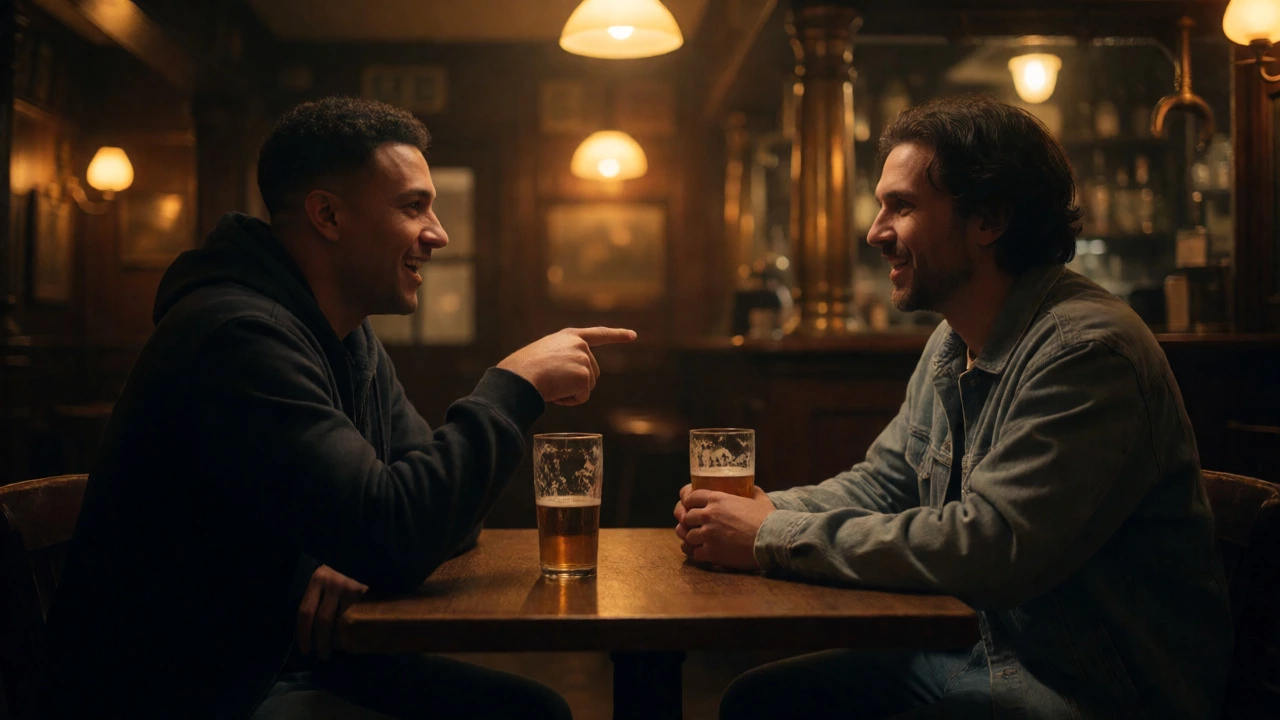
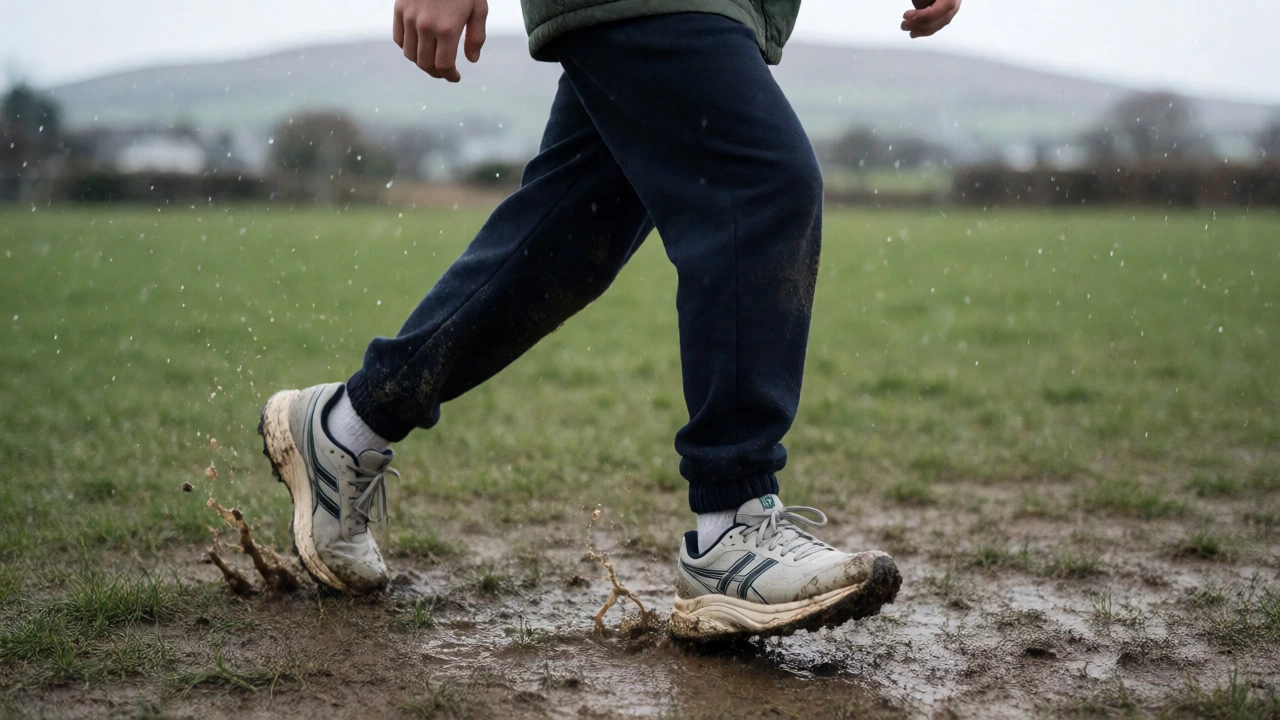
Additionally, in rural areas, practicality dictates language. If you are in County Kerry or Donegal, you might hear references to "wellies" (wellington boots) alongside trainers, as the weather demands robust footwear. But for dry days, the distinction between "gym shoes" and "going out trainers" is sharp. You wouldn’t wear your muddy runners to a night out in Temple Bar. You’d wear your "clean pair." The phrase "my clean pair" is arguably the coolest, most authentic piece of Irish sneaker slang. It signifies a dedicated set of trainers kept pristine specifically for social occasions, distinct from the ones used for actual exercise or commuting.
The Influence of GAA and Local Sports
You cannot discuss Irish footwear without mentioning the GAA (Gaelic Athletic Association). For decades, the primary athletic shoe was the studded boot for hurling or Gaelic football. These were rarely called "sneakers." They were "boots" or "studs." Today, however, the crossover is massive. Many young players wear branded lifestyle trainers off the pitch.
There is a growing trend of "retro" styling where older GAA kits are paired with modern vintage-style trainers. Brands like O’Neills collaborate with sneaker companies, creating hybrid products. When fans discuss these, they might use terms like "matchday kicks" or "pitch-to-pub" shoes. This specific niche uses its own micro-slang, valuing durability and brand loyalty over pure aesthetics. If you try to use flashy hype-beast slang in a GAA clubhouse, you might get laughed out of the room. Stick to "solid pair" or "good grip."
How to Compliment Sneakers Like a Local
So, you’ve seen someone with great shoes. How do you comment? Avoid "Cool sneakers." It’s too formal. Here are three approaches depending on the vibe:
- The Minimalist: "Clean pair." This works anywhere. It’s respectful, acknowledges the effort, and doesn’t require knowledge of the specific model.
- The Knowledgeable: "Where did you get those [Model Name]?" Asking for the source is the highest compliment in Irish consumer culture. It implies they are desirable enough to seek out.
- The Hypebeast: "Fire colorway." Use this only if you are sure the person is into streetwear culture. If you say this to a man wearing plain black Adidas Supercops to buy groceries, he will look at you strangely.
Remember, context is key. In a university setting in Trinity College Dublin, "fire" or "sick" (used positively) is common. In a workplace environment, stick to "sharp" or "smart." Never use "cute" unless you are referring to children’s shoes. Calling an adult’s trainers "cute" can come off as patronizing.
Buying Tips for the Irish Market
If you are looking to build a collection, know where to shop. The Irish market has specific quirks. Size availability can be tricky for larger feet, so checking stock in physical stores like Harrisons or JD Sports is often better than relying solely on online orders due to return shipping costs within Ireland.
For rare finds, keep an eye on local pop-ups. Events in Dublin’s Docklands or Cork’s city center often feature limited drops. Also, consider sustainability. Ireland has a strong second-hand culture. Websites like DoneDeal.ie are goldmines for pre-loved trainers. Buying second-hand is increasingly seen as "cool" and environmentally responsible, adding another layer to the social value of your footwear.
Frequently Asked Questions
Is "sneakers" wrong to use in Ireland?
It is not wrong, but it is not native. "Sneakers" is understood perfectly well, but it immediately identifies you as non-local or heavily influenced by American media. The standard Irish term is "trainers." Using "trainers" will make you blend in seamlessly.
What is the most popular trainer style in Ireland right now?
As of 2026, the Nike Air Force 1 (AF1) remains the ubiquitous choice across all age groups. However, retro runners like the New Balance 550 and Asics Gel-Kayano have surged in popularity among younger demographics seeking a more distinctive look than the mainstream white leather classic.
Do Irish people use the word "kicks"?
Yes, but primarily among Gen Z and those following global hip-hop and streetwear trends. It is not used universally across all ages or regions. An older demographic or someone in a rural area is unlikely to use "kicks" in casual conversation, preferring "trainers" or specific brand names.
What does "clean pair" mean in Irish slang?
A "clean pair" refers to a set of trainers reserved exclusively for going out or social events, kept free of mud, rain, and gym sweat. Given Ireland's frequent rainfall, maintaining a "clean pair" is a badge of honor and practical necessity. It distinguishes your dressy footwear from your daily commuters.
Are there any Irish brands making cool trainers?
While global giants dominate, Irish brands like O’Neills produce athletic footwear, though they are more focused on team sports. For lifestyle trainers, Irish consumers mostly buy international brands. However, local independent boutiques in cities like Dublin and Galway curate exclusive releases that add a local touch to global styles.