Chancla vs. Irish Slipper Finder
Not sure whether to wear your rubber chancla or your woolly house slipper? Answer a few quick questions to find the best match for your current situation.
Recommended Choice:
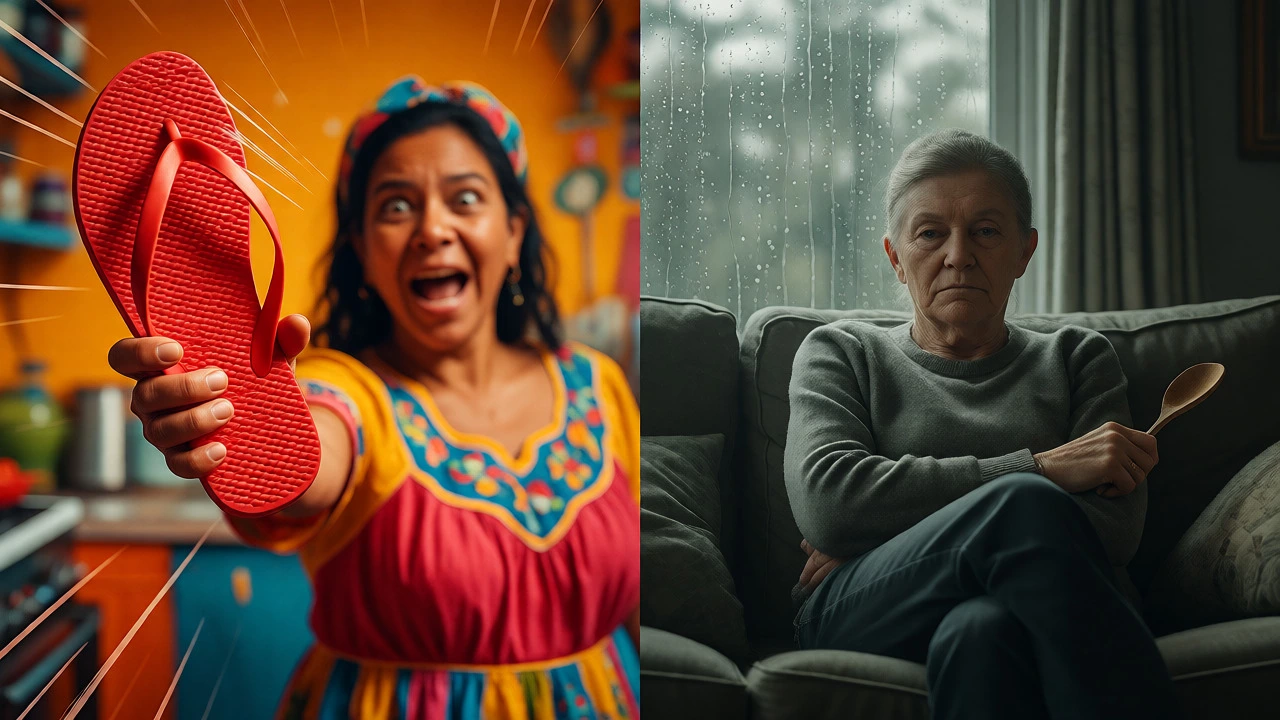
If you have ever scrolled through social media or watched a Latin American telenovela while sitting in your living room in Dublin, you have likely heard the word chancla. It often comes with a dramatic sound effect and a look of pure terror on the face of a misbehaving child. But what does chancla mean in English? For those of us here in Ireland, where our own relationship with footwear is deeply tied to practicality and weather, understanding this term offers a fun glimpse into cultural differences. Simply put, a chancla is a slip-on sandal or flip-flop. However, its cultural weight goes far beyond just being a piece of rubber or leather.
In many Latin cultures, the chancla is not just footwear; it is a disciplinary tool. The phrase "the chancla throw" is a meme worldwide now, but in reality, it refers to a parent removing their slipper to enforce rules quickly. In Ireland, we might reach for a wooden spoon or simply use the power of a stern look, but the concept of using what is at hand-specifically footwear-to manage household chaos is universal. This article breaks down the linguistic roots, the physical characteristics of the item, and how it compares to the slippers and sandals we wear across the Emerald Isle.
The Literal Translation and Linguistic Roots
Linguistically, Chancla is a Spanish term for a type of open-toed footwear, typically a sandal or flip-flop. It derives from the Arabic word *shankala*, which entered the Spanish language during the centuries of Moorish rule in the Iberian Peninsula. This historical connection is fascinating because it highlights how trade and conquest shape even the words we use for everyday objects like shoes. When you buy a pair of cheap plastic slides at a shop in Grafton Street, you are wearing an item that shares etymological DNA with ancient Middle Eastern footwear.
In English, there is no single direct equivalent that captures both the object and its cultural baggage. We might call it a "flip-flop," a "thong" (though be careful using that term in Australia!), or simply a "sandal." In Ireland, if you walked into a charity shop in Cork and asked for a chancla, the volunteer would likely look confused until you described it as a beach sandal or a house slipper. The lack of a one-word English equivalent reflects how culturally specific the item’s usage is. It is not just about keeping your feet cool; it is about accessibility. You can kick them off in a second, making them perfect for quick escapes-or quick punishments.
Cultural Context: Why the Chancla Matters
To understand why people search for this term, you have to look at pop culture. The chancla has become a symbol of strict parenting in Latino households. There is a widespread joke that the chancla is faster than any projectile weapon because it is always within arm's reach of a mother. While this is exaggerated for comedic effect, it stems from real practices. In contrast, Irish parenting culture, particularly in recent decades, has moved away from physical discipline entirely. We are more likely to see a timeout corner or a loss of screen time privileges.
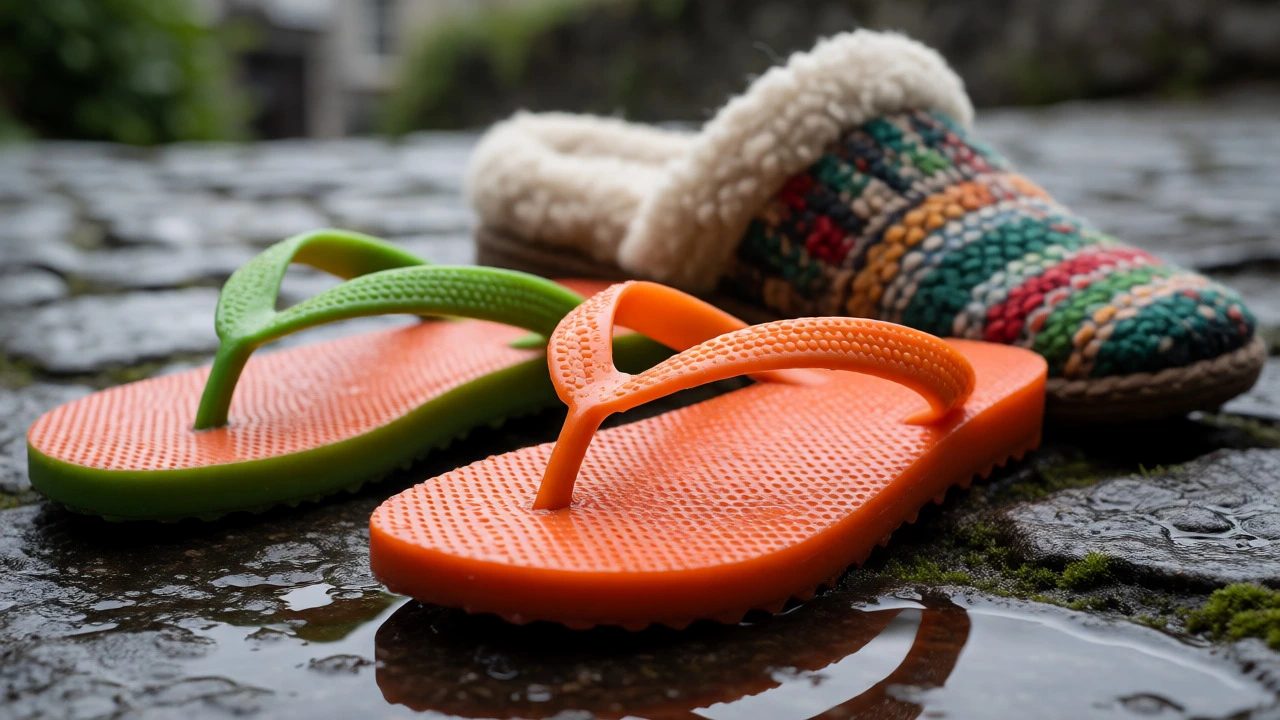
However, the practical aspect remains relevant. In Ireland, our damp climate means we spend a lot of time indoors. Many Irish homes feature wall-to-wall carpeting or hardwood floors that need protection. Here, the chancla functions similarly to what we call "house slippers" or "scuffs." If you live in a semi-detached house in Galway, you probably have a pair of fleece-lined slippers by the door. They serve the same purpose: comfort and hygiene. The difference is that the traditional chancla is usually made of rubber or foam, designed for outdoor use, whereas our Irish equivalents are often wool or synthetic fleece, designed for warmth against the chill coming off the Atlantic Ocean.
Physical Characteristics: What Does a Chancla Look Like?
When defining the entity, we must look at its attributes. Most chancletas (plural) share specific design features:
- Sole Material: Typically EVA foam, rubber, or PVC. These materials are water-resistant and easy to clean.
- Strap Design: Usually a Y-shaped thong strap between the big toe and the second toe, or a simple slide band across the top of the foot.
- Heel Height: Almost always flat. Some modern versions have slight elevation, but the classic chancla is grounded.
- Durability: High resistance to water and mud, which makes them ideal for beach trips or rainy days when you don't care about getting them wet.
Compare this to the footwear commonly sold in Irish retail chains like Penneys (Primark) or Brown Thomas. Primark, founded in Dublin, sells millions of pairs of flip-flops annually. These are essentially chancletas. They are inexpensive, disposable, and ubiquitous. During the summer months, if you visit the beaches of Bundoran or Lahinch, you will see thousands of these shoes. They protect feet from hot sand and sharp shells, much like they do in Mexico or Spain. The primary distinction is often aesthetic; traditional chancletas might feature vibrant colors or woven patterns reflecting indigenous craftsmanship, while mass-produced Irish versions tend toward neutral tones or branded logos.
Comparing Footwear Types: Chancla vs. Other Slippers
It helps to distinguish the chancla from other types of casual footwear found in the Irish market. Confusion often arises because terms like "slipper," "sandal," and "flip-flop" are used interchangeably in casual conversation. Here is a breakdown to clarify the differences.
| Feature | Chancla (Flip-Flop) | Irish House Slipper | Garden Sandal |
|---|---|---|---|
| Primary Use | Beach, pool, casual outdoor | Indoor home comfort | Outdoor garden, errands |
| Material | Rubber, Foam, Plastic | Wool, Fleece, Leather | Leather, Synthetic Leather |
| Weather Resistance | High (Waterproof) | Low (Absorbs moisture) | Moderate |
| Cultural Association | Latin America, Summer, Discipline | Cozy, Domestic, Winter | Practical, Gardening |
| Price Range (Ireland) | €3 - €15 | €10 - €40 | €15 - €60 |
This table highlights why the chancla occupies a unique niche. It is the only option among these three that is fully waterproof and suitable for immediate transition from a muddy garden path to a car interior without ruining the upholstery. In Ireland, where rain is a constant companion, having a pair of durable rubber chancletas in the hallway cupboard is actually quite smart. They are the go-to shoe for taking out the recycling bins or checking the mail without putting on proper boots.
Buying Chancletas in Ireland: Where to Look
You do not need to fly to Madrid to find a good pair of chancletas. The Irish retail landscape is well-stocked with equivalents. If you are looking for high-quality options that last longer than the standard supermarket variety, consider these avenues:
- Penny’s (Primark): As mentioned, this Dublin-born retailer is the king of affordable casual wear. Their seasonal collections always include extensive ranges of flip-flops and slides. Expect to pay between €5 and €10. Quality varies, so check the sole thickness before buying.
- Aldi and Lidl: Both German discounters have a strong presence across Ireland. Their seasonal "Middle of Lidl" or special buys sections often feature branded sports flip-flops (like Adidas or Puma) at significantly reduced prices. These are excellent value for money and offer better arch support than unbranded alternatives.
- Decathlon: With stores in major cities like Dublin, Cork, and Galway, Decathlon offers specialized beach footwear. Their Quechua or Nabaiji brands produce chancletas designed for swimming and rocky shores, featuring anti-slip textures that are crucial for safety on slippery Irish coastal rocks.
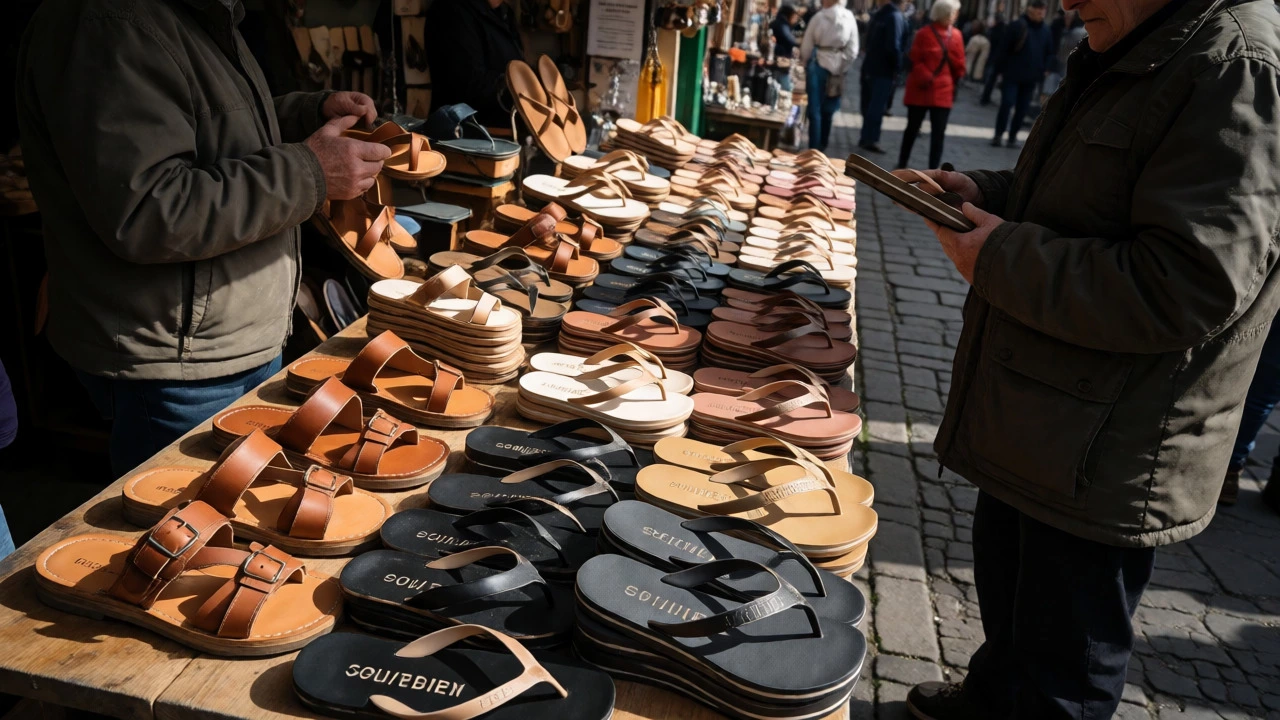
- Independent Craft Markets: For something unique, visit local markets such as the Dublin Flea Market or craft fairs in Kilkenny. Artisans sometimes create handmade leather sandals that echo the style of traditional Spanish alpargatas or chancletas, offering a sustainable alternative to plastic.
When shopping, pay attention to the strap material. Cheap plastic straps can cause blisters after prolonged walking, especially if your feet swell slightly in warm weather-a common occurrence in humid Irish summers. Look for soft fabric linings or molded rubber that contours to the foot.
The Evolution of Footwear Terminology
Language evolves, and so do shoes. The term "chancla" is gaining traction in English-speaking countries due to internet memes and global migration. In diverse urban centers like Dublin, where communities from all over the world reside, you might hear code-switching between languages. An Irish person with Mexican friends might adopt the term "chancla" humorously, acknowledging the cultural stereotype of the flying slipper.
This linguistic borrowing enriches our vocabulary. Just as we adopted "café" from French or "tattoo" from Polynesian languages, adopting "chancla" allows us to specify a particular type of lightweight, open footwear that carries a specific cultural vibe. It distinguishes itself from the heavy, insulated slippers we wear in winter. Recognizing this nuance shows a level of cultural awareness that goes beyond simple translation. It acknowledges that objects carry history and social meaning, not just utility.
Furthermore, the sustainability conversation in Ireland is changing how we view cheap footwear. Fast fashion, epitomized by ultra-cheap chancletas, contributes to landfill waste. Many Irish consumers are now opting for biodegradable rubber or recycled materials. Brands like Birkenstock, widely available in Irish boutiques, offer a premium version of the slide sandal that lasts for years, challenging the disposable nature of the traditional chancla. This shift reflects a broader trend in Ireland towards conscious consumption, influenced by environmental policies and a growing interest in ethical manufacturing.
Practical Tips for Wearing Open Footwear in Ireland
While chancletas are great for warm days, wearing them in Ireland requires some strategic thinking. Our weather is unpredictable. Here are some tips for integrating this footwear into your wardrobe:
- Pair with Socks: Yes, really. In colder months, thick wool socks paired with sturdy leather slides are a fashionable and warm combination seen frequently in Dublin cafes. It keeps feet dry and adds insulation.
- Check the Tread: Irish pavements can be slick with moss or rain. Ensure your flip-flops have a textured sole. Smooth rubber soles become ice-skates on wet cobblestones.
- Carry a Backup: If you are traveling around the countryside, say from Kerry to Clare, keep a pair of proper hiking shoes in the boot of your car. Chancletas are fine for the pub or the beach, but terrible for long walks on uneven terrain.
- Care and Cleaning: Mud is inevitable in rural Ireland. Rinse your rubber chancletas with a hosepipe regularly to prevent grime buildup, which can degrade the material over time.
Understanding what chancla means gives us more than just a dictionary definition. It connects us to global cultures, highlights the universality of parental tools, and reminds us of the humble origins of everyday objects. Whether you call it a flip-flop, a thong, or a chancla, the goal remains the same: comfortable, accessible footwear for life's casual moments.
Is chancla the same as a flip-flop?
Yes, physically they are the same. A chancla is the Spanish word for a flip-flop or thong sandal. The main difference is cultural context; 'chancla' often implies a stronger association with domestic discipline in Latin American cultures, whereas 'flip-flop' is a neutral descriptive term in English.
Can I wear chancletas in Irish winters?
Not traditionally. Standard rubber chancletas offer no insulation. However, fashion trends have introduced 'slides' worn with thick socks. For actual warmth, Irish consumers prefer fleece-lined indoor slippers or waterproof boots for outdoors.
Where can I buy high-quality flip-flops in Dublin?
For durability, try Decathlon for sport-specific designs or independent boutiques in areas like Ranelagh for leather slides. For budget options, Penneys (Primark) and Aldi offer vast selections at low price points.
Why is the chancla famous on the internet?
It became a viral meme representing strict Latino parenting. The image of a mother throwing her slipper (chancla) at a child is a humorous exaggeration of real disciplinary methods, making it a relatable symbol of authority and speed.
Are chancletas bad for your feet?
Prolonged walking in flat, unsupportive flip-flops can lead to plantar fasciitis or toe cramping. In Ireland, where walking distances can be significant, it is advisable to choose pairs with arch support or limit continuous wear to short durations.