Work Shoe Finder for Irish Professionals
Select your work environment and key priorities to get tailored shoe recommendations suitable for the Irish climate and workplace standards.
If you’ve ever spent a full shift on your feet in a Dublin office or walked the floors of a retail store in Cork city centre, you know the specific ache that sets in around 3 PM. It’s not just tiredness; it’s a deep, throbbing fatigue that no amount of stretching fixes if your work shoes aren’t up to the task. In Ireland, where our weather can turn from drizzle to downpour in minutes and our workplace culture ranges from tech hubs in Silicon Docks to traditional hospitality venues in Galway, finding the right footwear is less about fashion and more about survival.
The challenge here isn’t just standing still. It’s standing on hard concrete, navigating uneven cobblestones near Temple Bar, or pacing across polished linoleum in a hospital ward. The wrong shoe doesn’t just hurt your feet; it ruins your posture, strains your lower back, and leaves you limping home on the Luas. So, what actually works? We’re cutting through the marketing fluff to look at what keeps Irish workers upright, comfortable, and pain-free throughout the day.
Why Your Feet Hurt More Than You Think
Before we talk brands, let’s talk biology. When you stand all day, blood pools in your lower legs because gravity is working against your circulatory system. If your shoes lack proper arch support, your plantar fascia-that thick band of tissue running across the bottom of your foot-stretches excessively. This leads to plantar fasciitis, a condition rife among nurses, teachers, and retail staff across Ireland.
Moreover, many people wear shoes that are technically "comfortable" but structurally unsound. A squishy memory foam insole might feel good for ten minutes, but by hour four, it compresses completely, offering zero support. What you need is a combination of cushioning to absorb impact and a rigid shank (the part of the sole between heel and toe) to keep your foot stable. Without that stability, your muscles work overtime just to keep you balanced, leading to rapid fatigue.
The Irish Climate Factor: Waterproofing Matters
You cannot ignore the rain when choosing work shoes in Ireland. There’s nothing worse than arriving at work with soggy socks after walking from the bus stop in Limerick or waiting for a taxi in Belfast. Wet feet lead to blisters, fungal infections, and a general feeling of misery that affects your entire day.
Look for shoes with breathable yet waterproof membranes. While Gore-Tex is the gold standard, many brands now use proprietary technologies like Sympatex or eVent that offer similar protection without turning your foot into a swamp. For those working in healthcare or food service, where hygiene is paramount, ensure the material is easy to wipe down and resistant to oils or chemicals. A leather upper treated with water-repellent wax is often better than synthetic materials that crack in the cold winter damp.
Top Picks for Different Industries
Not all jobs are created equal. A nurse walking 10 kilometres a day needs different gear than an accountant who stands occasionally during meetings. Here is a breakdown of what works best for common Irish work environments.
| Industry/Role | Key Requirement | Recommended Shoe Type | Top Brand Examples |
|---|---|---|---|
| Healthcare & Nursing | Slip resistance, extreme cushioning, easy cleaning | Athletic-style clogs or sneakers | Birkenstock, Dansko, Hoka |
| Retail & Hospitality | Versatility, style compliance, all-day comfort | Stylish loafers or dress sneakers | Ecco, Clarks, Rockport |
| Construction & Trades | Safety toe, ankle support, rugged durability | Safety boots with composite toes | Timberland Pro, Caterpillar, Keen Utility |
| Office & Corporate | Professional look, discreet support | Supportive oxfords or derbies | Clarks Unstructured, Ecco Soft 7 |
Healthcare Heroes: Nurses and Care Workers
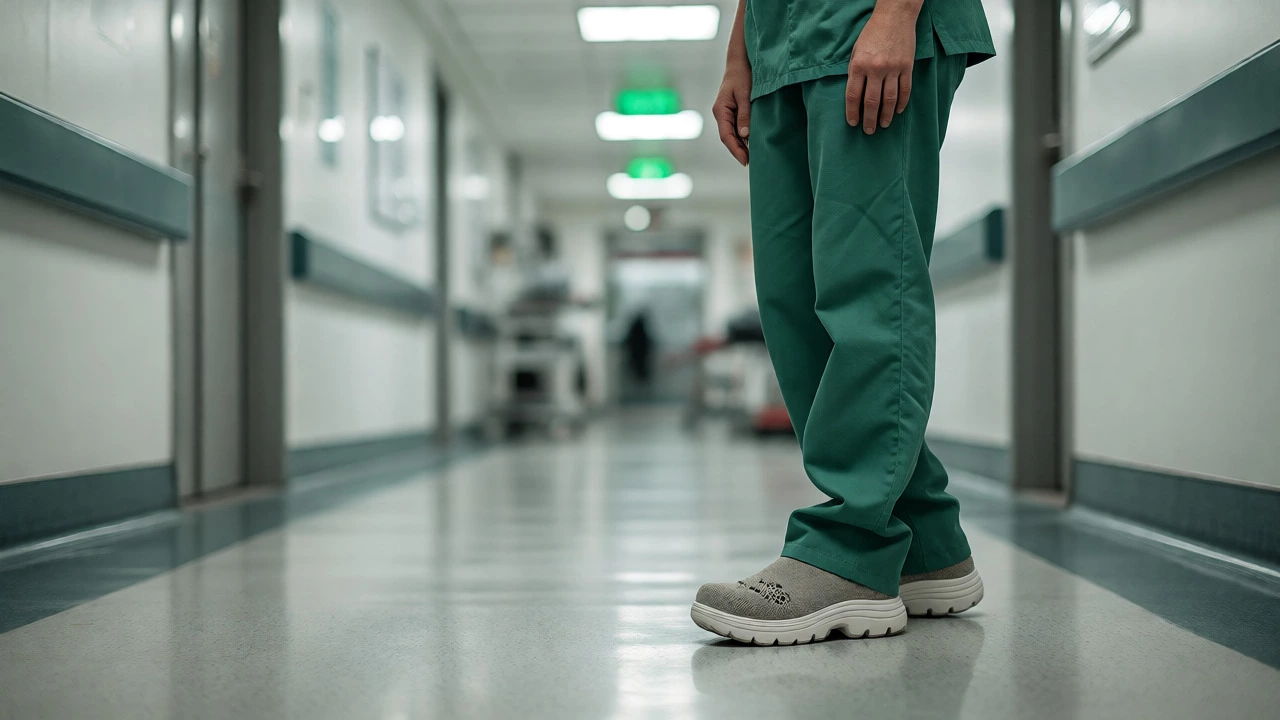
Nurses in hospitals like St James’s in Dublin or Mater Misericordiae are on their feet for 12-hour shifts. They need maximum shock absorption. Brands like Hoka One One have gained massive popularity in Irish healthcare circles because of their maximalist midsoles. These shoes look bulky, but they act as shock absorbers, reducing the stress on knees and hips significantly.
Another favourite is Birkenstock, specifically the Boston or London models with cork footbeds. The cork moulds to your foot over time, providing custom orthotic-like support. However, be warned: Birkenstocks require a break-in period. Don’t buy them the week before starting a new job. Wear them around the house for two weeks first. Also, ensure they have a non-slip rubber outsole, as hospital floors can be slick with disinfectant.
Retail and Hospitality: Style Meets Comfort
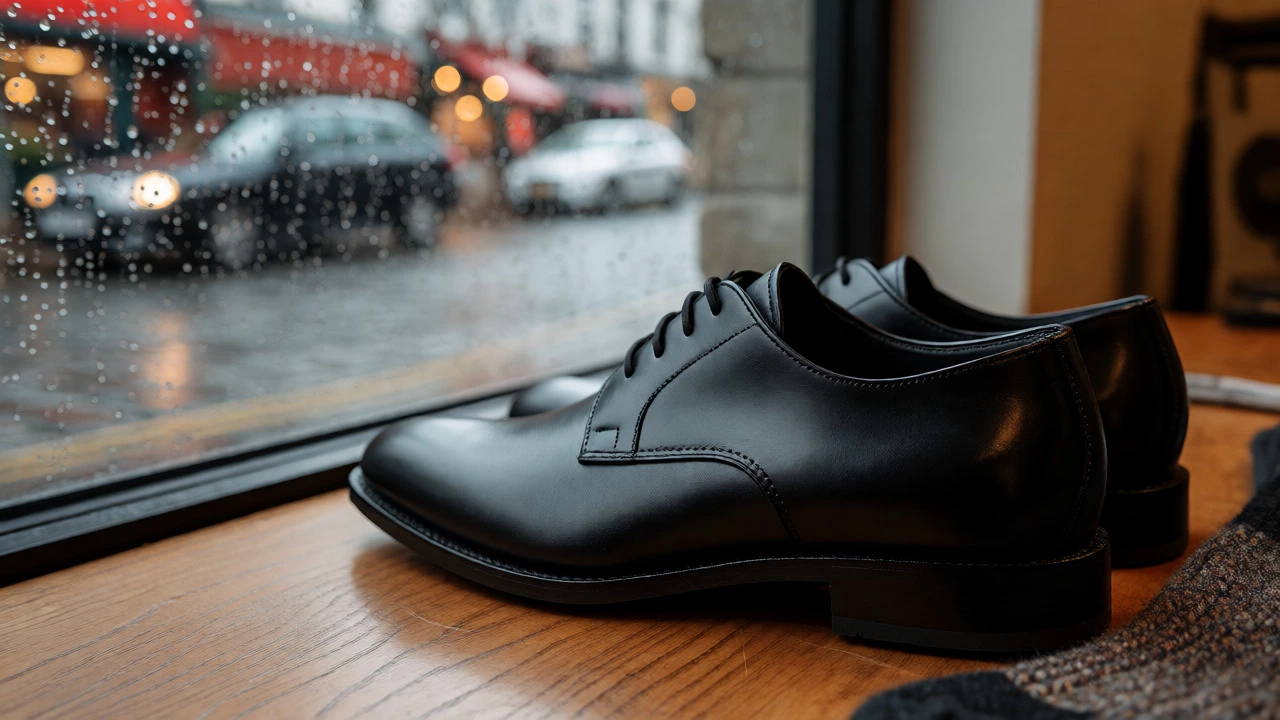
If you’re working in Grafton Street shops or hotels along the Wild Atlantic Way, you likely have a dress code. Black leather is often mandatory. Enter Ecco. This Danish brand is widely available in Irish department stores like Brown Thomas or Arnotts. Their Direct Injection process bonds the sole directly to the upper, creating a flexible, lightweight shoe that doesn’t separate easily-a common failure point in cheaper shoes exposed to Irish damp.
For men, Rockport offers dress shoes with athletic shoe technology inside. You get the look of a formal boot but the comfort of a trainer. Women might prefer Clarks Unstructured line, which uses Cushion Plus technology. It’s subtle enough for a bank uniform in Cork but supportive enough for standing behind a till all day.
Trades and Construction: Safety First
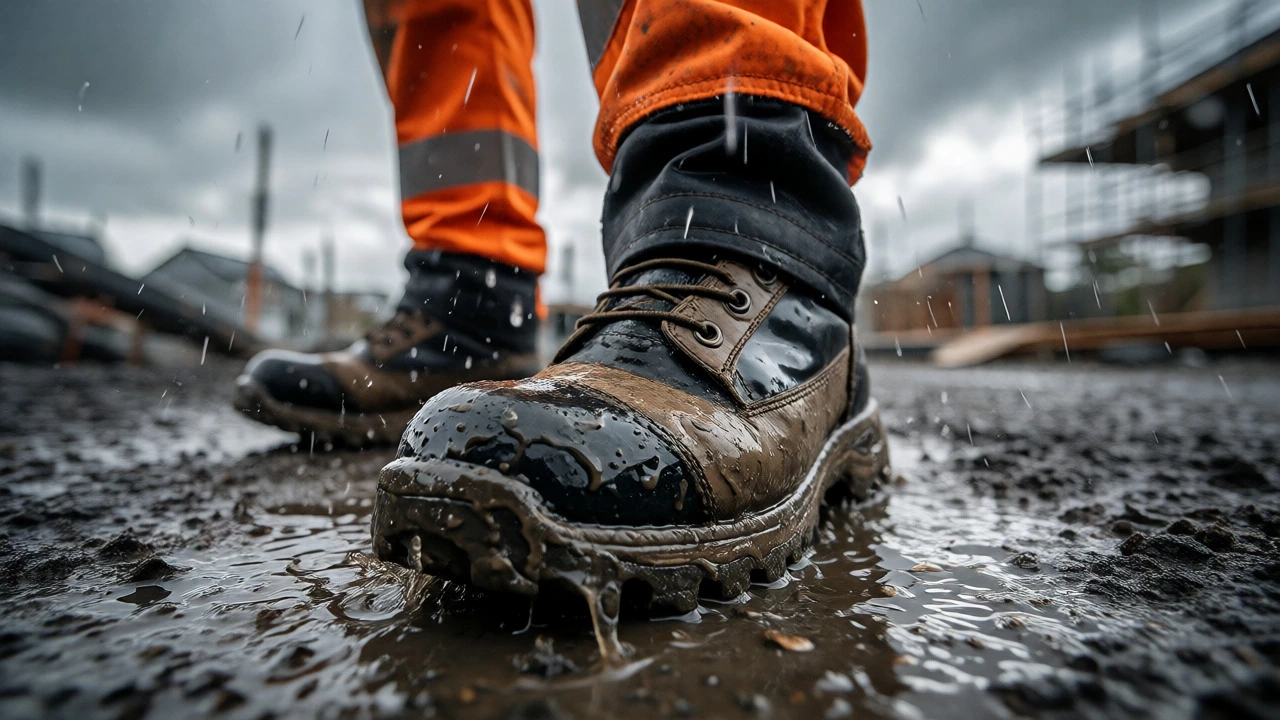
In the construction sector, safety regulations are strict. You need steel or composite toe caps. But heavy steel toes can cause fatigue. Modern composite toes made from carbon fibre or plastic are lighter and don’t conduct cold, which is crucial when working outdoors in Irish winters. Look for boots with a wide toe box. Cramped toes swell during long shifts, and if your boot is too narrow, you’ll end up with black toenails or bunions.
Brands like Keen Utility are popular because they prioritize a natural foot shape. Their boots allow your toes to splay, which improves balance and reduces strain. Ensure your boots have good ankle support if you’re moving around sites with debris or uneven ground. Pair them with high-quality wool blend socks-wool regulates temperature and wicks moisture better than cotton, keeping feet dry even if you sweat.
The Importance of Fit and Orthotics
Buying the most expensive shoe won’t help if it doesn’t fit. Many Irish workers make the mistake of buying shoes that fit their width perfectly but are too short, or vice versa. Always try shoes on in the afternoon when your feet are naturally swollen from the day’s activity. This mimics the state of your feet at the end of a shift.
If you have flat feet or high arches, off-the-shelf shoes might not cut it. Consider investing in custom orthotics. In Dublin, clinics like Footbalance offer digital scanning services. Even if you don’t go custom, adding a quality over-the-counter insole from brands like Sole or Dr. Scholl’s can transform a mediocre shoe. Just remember: if you add an insole, you may need to go up half a size to accommodate the extra volume.
Maintenance Tips for Longevity
Ireland’s wet climate destroys shoes faster than almost anywhere else. To extend the life of your work shoes:
- Dry them properly: Never put wet shoes on a radiator. The heat cracks the leather and degrades the glue. Stuff them with newspaper and let them air dry at room temperature.
- Rotate your pairs: If possible, alternate between two pairs of shoes. This gives the foam midsoles 24 hours to decompress and regain their shape. It also allows moisture to evaporate fully.
- Clean regularly: Dirt acts as an abrasive. Wipe down leather shoes weekly and apply a waterproofing spray monthly, especially during autumn and winter.
Where to Buy in Ireland
You don’t always need to order online. Trying shoes on is critical. Major retailers like Shoezone and Primark (for budget options) are everywhere, but for specialized work wear, check out independent shoe shops in towns like Galway or Waterford that stock brands like Ara or Mephisto. For online shopping, ASOS and Zalando offer extensive returns policies, which is essential when trying new brands.
Remember, your feet carry you through every aspect of your life. Investing in proper work shoes isn’t a luxury; it’s preventative healthcare. Whether you’re serving pints in a pub in Kilkenny or coding in a start-up in Dublin, take care of your foundation.
How often should I replace my work shoes?
It depends on usage, but generally, every 6 to 12 months if you wear them daily. Check the midsole for compression lines or flattening. If the tread is worn smooth, especially on slippery surfaces like hospital floors, replace them immediately for safety.
Are trainers suitable for office work in Ireland?
Increasingly, yes. Many Irish tech companies and modern offices have relaxed dress codes. Clean, minimalist leather trainers from brands like Common Projects or Adidas Stan Smith are often acceptable. However, for client-facing roles in finance or law, stick to smart-casual shoes like loafers or clean derbies.
What is the best sock material for standing all day?
Merino wool blends are superior to cotton. Cotton holds sweat against the skin, causing blisters. Wool wicks moisture away, regulates temperature, and resists odour. Look for socks with reinforced heels and toes for extra durability.
Do I need custom orthotics?
Not everyone does. Start with high-quality over-the-counter insoles. If you experience persistent pain in your heels, arches, or lower back despite changing shoes, consult a podiatrist. Custom orthotics are expensive but provide precise alignment correction for severe biomechanical issues.
Which brands are most durable for Irish weather?
Ecco, Clarks, and Timberland are known for handling wet conditions well. Ecco’s direct-injection soles rarely separate, while Timberland boots are built with robust waterproofing. Avoid cheap glued-on soles, as the damp cold accelerates glue degradation.